

If you are supporting an older adult who wants to stay in their own home, a missed fall or a wandering episode can quickly turn independence into anxiety for the whole family. You may be looking for a wrist-worn device that can call for help, share location, and keep daily health information visible without adding a complicated smartphone to the mix.
This Vive medical alert watch review for elderly focuses on one option, the Fall Detection Watch for Seniors, and evaluates what its spec sheet and listed features suggest for aging in place in 2026. Always check with a healthcare provider or occupational therapist before making safety changes for a senior in your care, especially when fall risk or memory concerns are part of the decision.
This guide contains affiliate links, and we may earn a commission if you buy through them, at no extra cost to you.

Prime Fajocru V46 Fall Detection Watch for Seniors


As an Amazon Associate we earn from qualifying purchases. Product prices and availability are accurate as of the date/time indicated.
What Stands Out
According to its product description, this watch tries to combine emergency response, location tracking, and everyday wellness tools in a single senior-friendly design. The details below highlight where it stands out on paper for caregivers and older adults considering a Vive medical alert watch review for elderly in 2026.
For aging in place, the most useful features are those that work without extra steps during a stressful moment. The listing emphasizes automatic alerts, simple communication, and easy charging, which together may help reduce friction for seniors who are less comfortable with technology.
Automatic Fall Detection with SOS Alerts
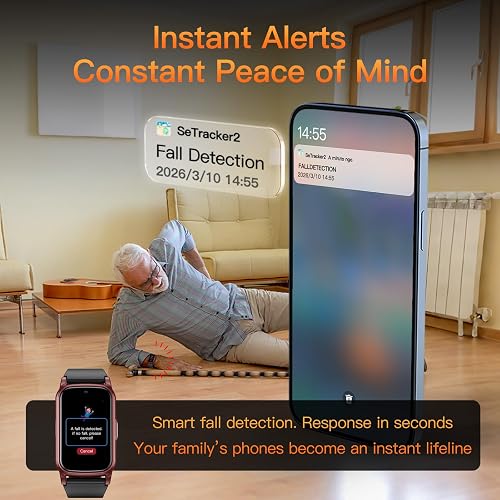
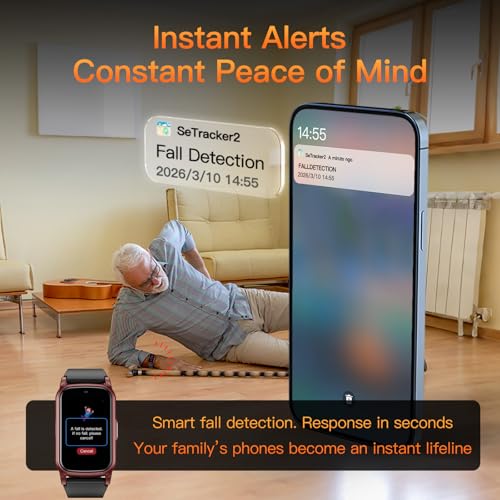
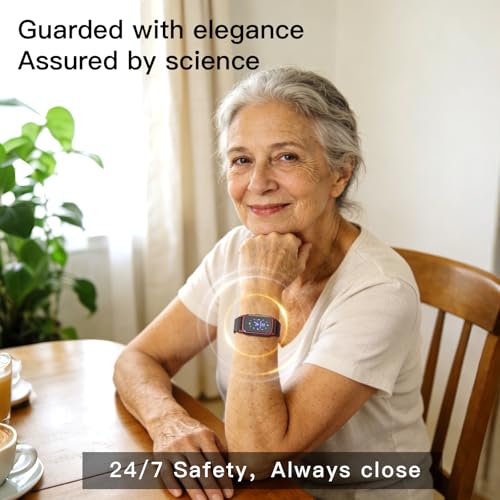
The listing describes advanced fall detection that is designed to sense a sudden fall and trigger an SOS alarm automatically. If the wearer cannot press a button, the watch is intended to send notifications to preset emergency contacts, which may help reduce the risk of a long wait for assistance after a fall.
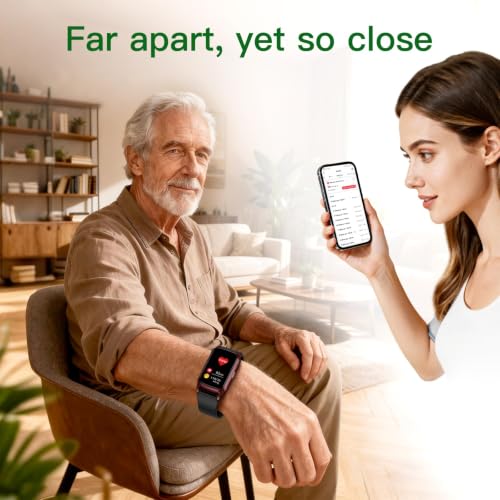
For you as a caregiver, the value is in the automatic aspect. The product notes that alerts go to family contacts you set in the companion app, rather than to a third party call center, so your family remains the first point of contact and can respond directly.
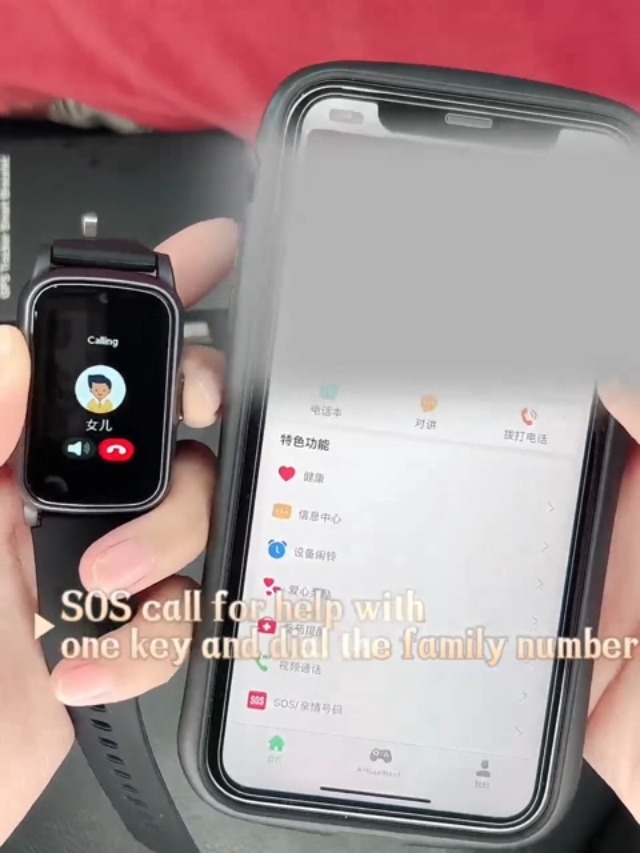
The watch also includes a dedicated SOS button for manual calls for help. This dual approach, automatic sensing plus a simple press, supports seniors who may be unable to reach a phone or remember a number in a stressful moment.
Because no device can catch every fall or avoid false alerts, you will want to review sensitivity expectations and keep emergency contacts up to date in the app. The description positions this as a support tool for independent living, not a guarantee of detection in every situation.
When you evaluate this type of alert, consider how it fits into a broader safety plan that includes clear pathways, good lighting, and regular check-ins. A wearable that may help reduce the risk of delayed help is most effective when combined with thoughtful home setup and consistent daily wear.
Real-Time GPS Tracking and Geo-Fencing for Memory Care Needs
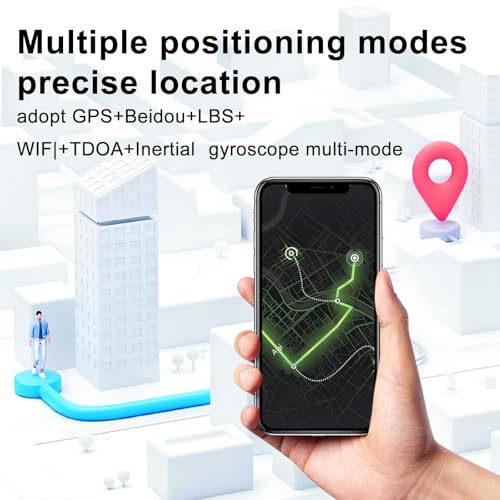
Real-time GPS positioning is listed as a core feature, with location visible in the mobile app for caregivers. This can be especially relevant if you are caring for someone with dementia or Alzheimer’s who may wander or become disoriented outside the home.
The spec sheet also mentions geo-fencing, which lets you set electronic safe zones and receive alerts if the wearer enters or leaves those areas. For families managing memory care at home, that boundary alert may help you respond more quickly when a loved one moves beyond a familiar area.
Location history and tracking continuity depend on cellular data and GPS signal, as described in the listing. The product notes that a data-only SIM is pre-installed with one year of free data service, which supports tracking without an immediate separate plan, while voice features require your own SIM with voice service.
If you already use other monitoring tools, you may find it helpful to compare how this watch fits alongside options like a best security camera for elderly with balance issues for in-home awareness versus on-the-go location support. Each tool covers a different part of the day, and together they may give you more complete coverage.
For caregivers, the ability to check location from a phone app without calling the senior may reduce interruptions while still offering reassurance. You can use the app to confirm that a routine walk stayed within expected boundaries and follow up only when an alert suggests a change in pattern.
4G Video Calling and Two-Way Voice Without a Smartphone
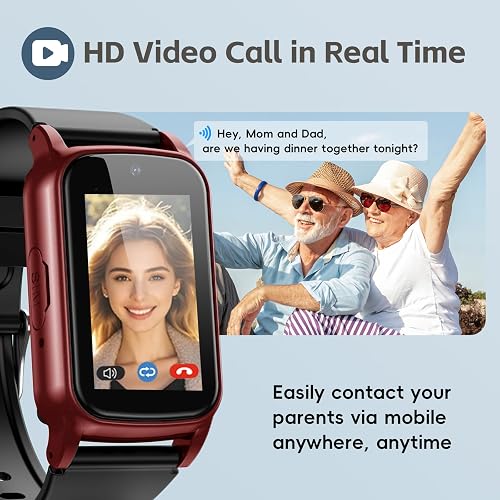
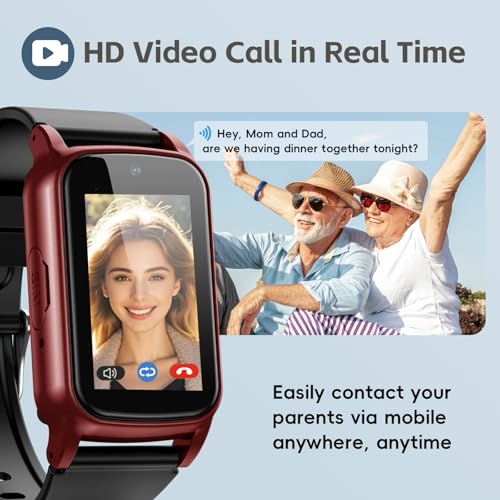
Unlike many traditional medical alert pendants, this device is described as supporting 4G HD video calling and two-way voice communication directly from the wrist. For seniors who do not carry or prefer not to manage a smartphone, that wrist-based calling may help maintain daily contact with family.
The listing states compatibility with both iPhone and Android through its app, with the ability to answer calls or send voice messages from the watch. This may help reduce the need for extra devices while keeping communication simple and close at hand.
There is an important distinction about the SIM. The pre-installed SIM is data-only and does not support regular phone calls, according to the description. If you want the watch to make or receive standard voice calls, you will need to install your own standard SIM that includes VoLTE voice and data service.
For households thinking about broader smart home communication, it can be useful to consider how a wrist device complements other entry and monitoring tools, such as the options discussed in best smart lock for seniors with knee replacement or a best smart doorbell with large display for stroke recovery guide. A watch for personal contact plus a doorbell or lock for home access can create a more connected support system.
Hands-free auto answering is not listed for this specific model in the same way as some other bands, so you should plan to show the wearer how to accept a call with a tap. A short practice session after setup may help the senior feel more confident answering family calls on the watch.
Senior-Friendly Design, Health Monitoring, and Everyday Wearability
The product emphasizes ease of use for older adults, with a large high-contrast touchscreen and a simplified interface. That design choice may help seniors with low vision or limited tech experience navigate alerts and calls with less confusion.
For daily wear, the watch is rated IP67 waterproof, which the description suggests is suitable for hand washing and rain, though not for swimming or submersion. The magnetic charging cable is also highlighted as an aid for hands with limited dexterity, making it easier to keep the device powered without fumbling with small ports.
Beyond safety, the listing includes health-related features such as heart rate monitoring, blood pressure reference, sleep tracking, step counting, and sedentary reminders. All data is described as syncing to the app so caregivers can review trends remotely, which may support conversations with clinicians without replacing professional guidance.
This device is not a medical device and does not diagnose or treat any condition. Think of these wellness readings as reference information to support independence and daily routines, rather than as clinical measurements, and share any concerns with a physician.
Comfort and consistency matter for any wearable. A lightweight watch that is easy to put on, easy to charge, and comfortable for all-day use is more likely to be worn regularly, which is essential for fall alerts and location features to be available when needed.
Where It Comes Up Short
While the feature list is broad, there are trade offs to weigh. The reliance on cellular coverage means GPS tracking and alerts depend on signal strength and correct SIM setup, and the included data-only SIM will not handle voice calls until you provide a voice-enabled SIM of your own. Caregivers who expect out-of-the-box phone calling may need to plan for that extra step, and families in areas with spotty coverage should consider how that may affect real-time updates.
The health monitoring features are described as reference tools, not medical grade measurements, so you should not rely on them for clinical decisions. Also, as a wrist-worn smartwatch, it requires regular charging and consistent wear to be useful, which may be a hurdle for seniors who forget to charge devices or prefer not to wear a watch overnight. If you need continuous in-home coverage without charging gaps, you might pair a wearable with a fixed option like the systems compared in ring camera vs bed wedge pillow for elderly parents overview.
Who Should Buy This
This watch may be a good fit if you are caring for an older adult who lives alone or spends time alone and you want automatic fall alerts that go directly to family, plus location tracking with geo-fencing for peace of mind around wandering. It may also suit seniors who want simple wrist-based video and voice contact without carrying a smartphone, and who are comfortable wearing and charging a watch daily with help from family to set up the app and SIM. If your priority is family-directed alerts rather than a call center service, the direct-to-family model described here aligns with that preference and keeps you closely involved in 2026 care routines.
Who Should Skip It
This option is not ideal for seniors who need a fully hands-off, no-setup solution or who are unwilling to wear a watch every day. If the older adult in your care frequently removes wearables, has significant skin sensitivity to wrist devices, or lives in an area with unreliable cellular service, the benefits of GPS and automatic alerts may be limited.
It is also not the right choice if you are seeking a certified medical device for diagnosis or treatment, or if you prefer a traditional medical alert system with a 24 hour professional monitoring center. In those cases, a different style of alert system or a combination of home sensors and professional monitoring may better match your care plan, and a broader look at Smart Alerts & Monitoring options can help you compare.
Frequently Asked Questions
Does the Fall Detection Watch for Seniors require a monthly fee to use fall detection and GPS tracking?
According to the product listing, the watch is advertised with no monthly fee and includes a pre-installed data-only SIM with one year of free data service for tracking and alerts. After that period, or if you want voice calling, you would need to provide your own SIM with an appropriate data and voice plan, so you should confirm current data terms in the listing before you buy.
Can this watch make phone calls without a smartphone nearby?
The watch can support calls when equipped with a suitable SIM. The included SIM is data-only and does not support regular phone calls, so you will need to install your own standard SIM with VoLTE voice service to enable phone calls directly from the watch. With the correct SIM and app setup, the description states it can handle two-way voice and 4G video calls independently of a nearby phone.
Is the fall detection automatic, or does the senior need to press a button?
The description lists both options. It is designed to automatically sense a sudden fall and send SOS notifications to preset contacts, and it also has a manual SOS button for the wearer to press when help is needed. No fall detection system is perfect, so keeping emergency contacts current and discussing a backup plan with family is still important.
Browse more picks in our Smart Alerts & Monitoring category, or see our related guide on Large Display Doorbells for Stroke Recovery in 2026.




Write Your Review
No reviews yet. Be the first to share your experience!