

Quick Answer
To make a bed wedge pillow safer for a senior with stroke recovery, start by making it stable, supportive, and easy to reposition. Check that the wedge does not slide, add support for the weaker side, keep the angle modest, and confirm the setup with the care team so breathing, comfort, and transfers stay as safe as possible.
Why This Happens
A wedge can feel unsafe when it shifts on smooth sheets, is too steep, or does not support the affected arm or leg. After a stroke, muscle weakness on one side and changes in balance can make sliding down or leaning to one side more likely.
Fit also matters. A wedge that is too short, too soft, or too high may leave the head, neck, or lower back without steady support. Always check with a healthcare provider or physical therapist before making positioning changes for a senior in stroke recovery.
Everyday factors add to the problem. Slick bedding, a soft mattress, or placing the wedge directly against a headboard with a gap can create movement. Without a clear plan for repositioning, pressure can build on one area and comfort can drop quickly.
For general background on height and support choices, you may find it helpful to review How High Should Bed Wedge Pillow Be for Elderly? 2026 Guide and compare options in medline bed wedge pillow review for elderly as you consider what might work in your home.
Practical Steps to Try
- Stabilize the wedge first. Place it on a flat, firm part of the mattress and check that the non slip bottom stays in contact with the sheets. Tuck sheets smoothly, remove extra blankets under the wedge, and try a fitted sheet with more texture if sliding continues. If the wedge still moves, try repositioning it lower on the bed so the senior’s hips are fully supported.
- Support the affected side. Use a small, firm pillow to support the weaker arm in a comfortable, neutral position and another pillow to keep the legs from pressing together. Avoid tucking limbs tightly or pulling on the shoulder, and keep wrists and ankles in a natural alignment. Ask the care team to show you the preferred arm and leg placement for your family member.
- Adjust the angle for comfort and ease of movement. A lower incline is often easier to tolerate for longer rest and for getting in and out of bed. Keep the head, neck, and upper back in a straight line, and make sure the chin is not pressed toward the chest. Small changes in height can make breathing and swallowing more comfortable, so check with a clinician if you notice coughing, shortness of breath, or discomfort.
- Make transfers and repositioning safer. Keep the bed at a height where feet can touch the floor when sitting on the edge, clear clutter around the bed, and use a nightlight for visibility. If you use a bed rail or headboard, check for gaps where an arm or leg could get caught, and follow the manufacturer guidance for safe placement. Plan to reposition at regular intervals as advised by the care team and check skin on the back, hips, and heels.
- Create a simple safety routine. Before each rest period, confirm the wedge is centered, the cover is smooth without wrinkles, and pockets or cords are out of the way. Keep water, call button, and phone within reach on the stronger side. After rest, note any sliding, numbness, redness, or pain and share it with the healthcare provider so the plan can be adjusted.
When a Product Can Help
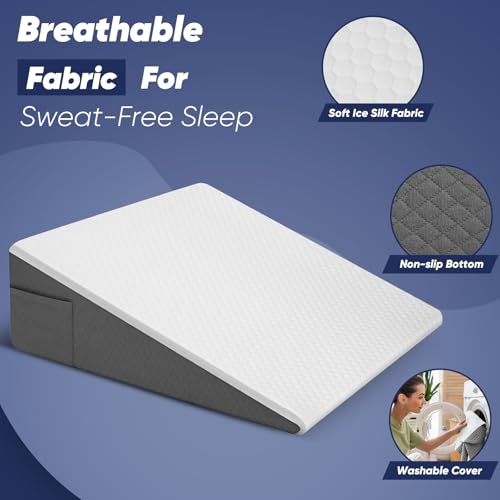
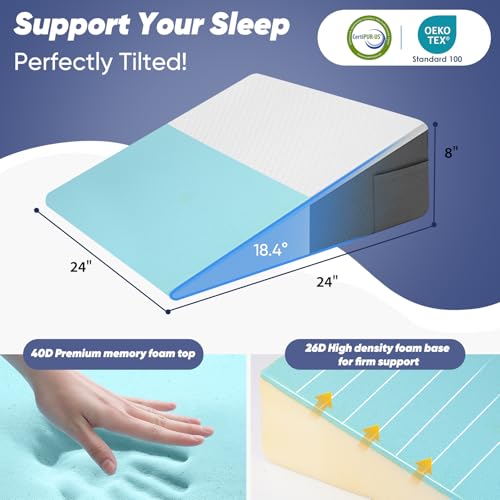
A different wedge design can be a reasonable next step when your current pillow slides, loses shape, or does not support the upper body and legs at the same time. If you decide to try another option, look for features that help with stability and everyday use, such as a non slip base, a washable cover, and a dual layer foam structure that holds its shape while remaining comfortable for longer rest.
This guide contains affiliate links, and we may earn a commission if you buy through them, at no extra cost to you.
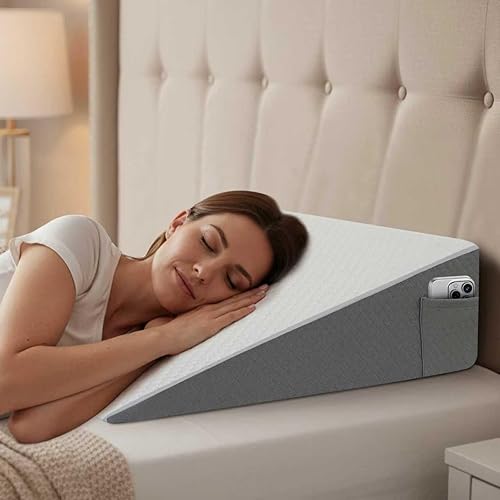
Prime Vimoli 8 Inch Bed Wedge Pillow







As an Amazon Associate we earn from qualifying purchases. Product prices and availability are accurate as of the date/time indicated.
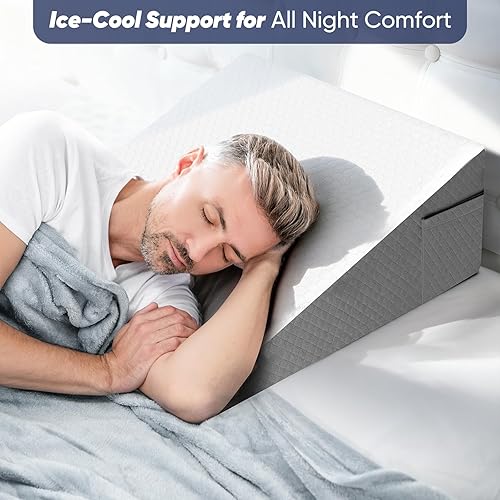
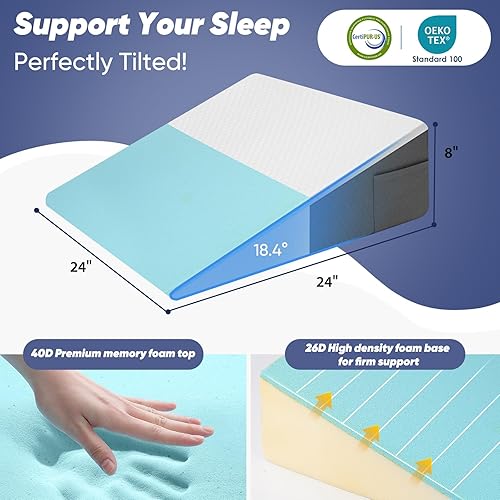
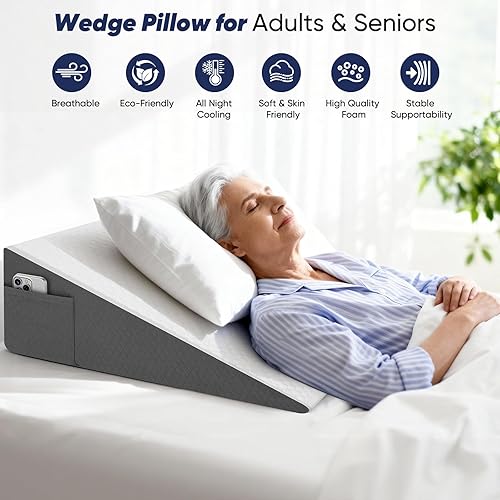
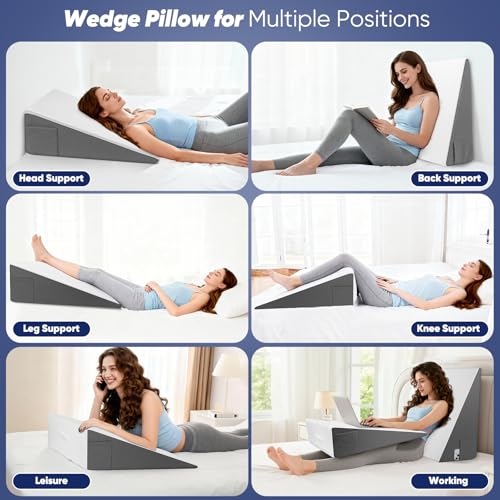
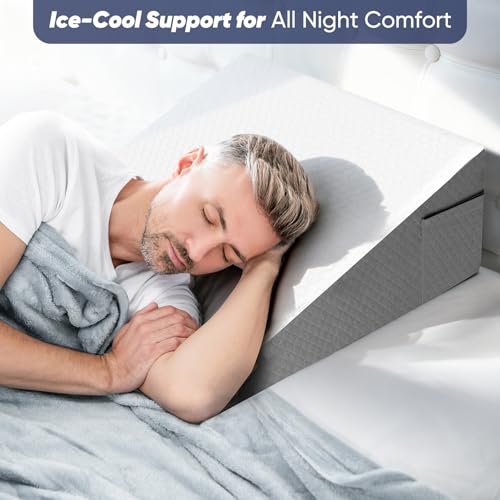
The Bed Wedge Pillow for Sleeping & Resting is one example that lists these kinds of features, including a cooling memory foam top with a high density base, a breathable ice silk cover that is removable and machine washable, side pockets for small items, and a non slip bottom to help reduce movement. It is described as suitable for elevating the head, neck, back, or legs on a bed, couch, or recliner, which may help you create a more stable and convenient setup while you follow the positioning guidance from the care team.
When to Talk to a Professional Instead
Home adjustments are not a good fit when a senior has new or worsening symptoms, skin redness that does not fade, swelling, breathing changes, or significant pain with positioning. This type of wedge setup also is not ideal for seniors who need frequent hands on repositioning, have a high risk of pressure injury, or require specific medical positioning after surgery or for swallowing concerns.
In these cases, contact a doctor, physician, occupational therapist, physical therapist, or healthcare provider before continuing with the wedge. They can evaluate posture, recommend a safe incline, suggest a repositioning schedule, and advise whether a different support surface or referral is needed. Bring notes about how long the senior rests on the wedge, how often sliding occurs, and any skin or comfort changes you have observed.
If transfers feel unsteady or the senior needs to be lifted rather than assisted to shift position, pause and seek professional guidance. A therapist can demonstrate safer transfer techniques and help you decide if additional equipment or caregiver support is needed for daily care.
Frequently Asked Questions
Can a senior stay on a wedge pillow all night?
Some seniors rest on a wedge for longer periods, while others do better with timed intervals and position changes. Try a shorter trial first, check comfort and skin, and ask the healthcare provider what duration and repositioning routine is appropriate for your situation.
How do we keep a senior from sliding down the wedge?
Try lowering the incline, smoothing sheets, and confirming the non slip base is flat on the mattress without bunched fabric underneath. Supporting the hips and knees slightly and keeping the wedge centered can also help reduce sliding, and the care team can suggest additional positioning aids if needed.
What wedge height is safest after stroke?
There is no single height that fits everyone. A modest incline that keeps the head and torso aligned and allows easy breathing and safe transfers is often a good starting point. For help choosing, see How High Should Bed Wedge Pillow Be for Elderly? 2026 Guide and confirm the choice with a clinician who knows the senior’s needs.
Browse more picks in our Health Monitoring Devices category, or see our related guide on Medline Bed Wedge Pillows for Elderly Support in 2026.










Write Your Review
No reviews yet. Be the first to share your experience!