

Keeping track of temperature at home becomes more important as you age, especially when fevers can signal something that needs prompt attention and when an older adult may have trouble holding still for a long reading.
If you came here looking for a Medline thermometer for elderly review for elderly, this focused review will help you compare expectations against a widely used alternative for senior households. Here we examine the Vicks SpeedRead Digital Thermometer for Baby in depth, using its published specifications and what caregivers commonly report about daily use, so you can decide if it fits your situation.
This guide contains affiliate links, and we may earn a commission if you buy through them, at no extra cost to you.
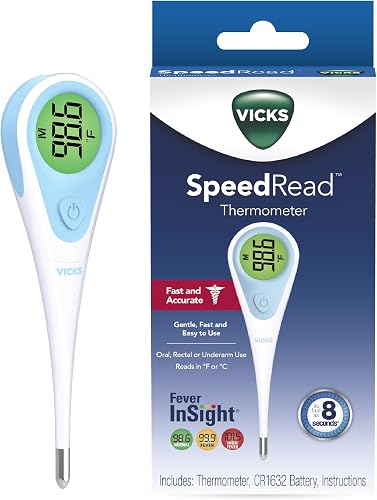
Prime Vicks SpeedRead Digital Thermometer V912US





As an Amazon Associate we earn from qualifying purchases. Product prices and availability are accurate as of the date/time indicated.
What Stands Out
1. 8-Second Readings With Fever InSight Color Coding
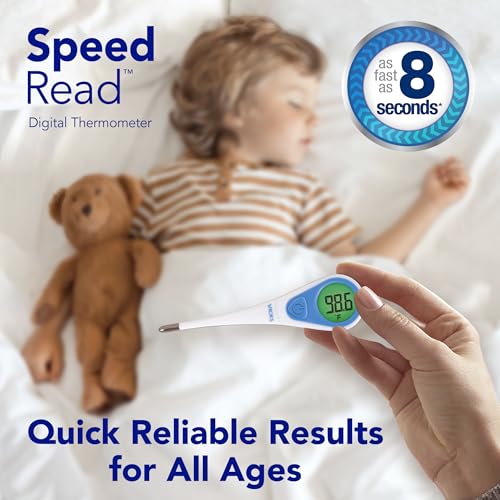
According to its product description, the Vicks SpeedRead delivers results in just 8 seconds with an accuracy of plus or minus 0.2 degrees Fahrenheit. For older adults who may find it tiring to keep a thermometer in place, that short measurement window can make the routine less demanding.
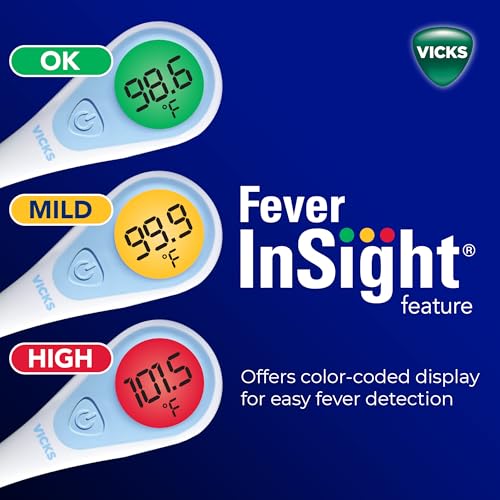
The standout for senior-friendly use is the Fever InSight feature, a color-coded display that helps you interpret results at a glance. Instead of puzzling over numbers alone, you see a color cue that points to a normal, elevated, or fever range, which many caregivers say reduces second-guessing.
This combination of speed and visual guidance is especially helpful during nighttime checks or when you are monitoring a loved one who feels unwell and wants answers quickly. You get a clear reading without a long wait, and the color prompt supports confident next steps.
For households that already track other vitals, pairing a quick thermometer with a device like those in our guide to large display BP monitors for elderly with hearing loss can create a simple, low-stress monitoring routine that is easier to maintain.
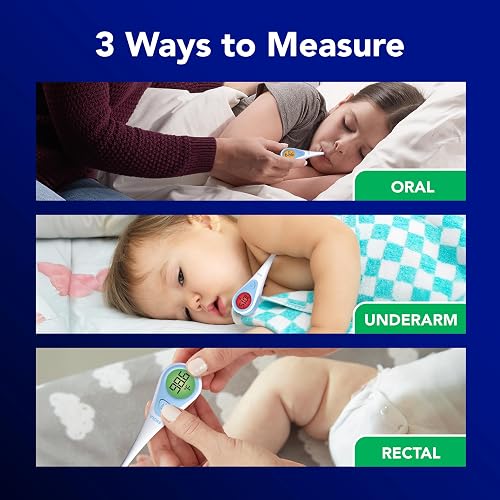
2. Flexible Use: Oral, Under-Arm, and Rectal Options
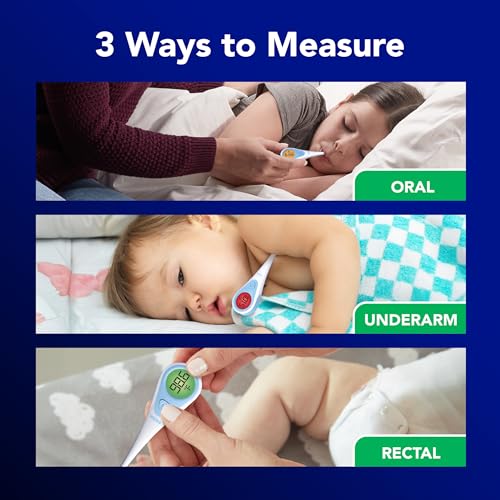
The product is listed for oral, under-arm, and rectal use, with rectal use noted for babies. For seniors, the practical takeaway is flexibility, since some older adults tolerate one method better than another.
If holding a thermometer under the tongue is difficult due to dry mouth, dentures, or a persistent cough, the under-arm option gives you an alternative without needing a different device. Caregivers often report that having choices helps when a senior is fatigued or has limited jaw control.
The description also notes it is designed for the whole family, which matters in multigenerational homes where one thermometer may be shared among adults, grandchildren, and visiting relatives. You can keep a single, familiar device in a consistent spot rather than juggling multiple models.
As with any shared health device, clear labeling and a simple cleaning routine help everyone use it correctly. A consistent placement and a small instruction card nearby can reduce confusion, especially for seniors with memory concerns.
3. Senior-Friendly Display and Simple One-Button Operation
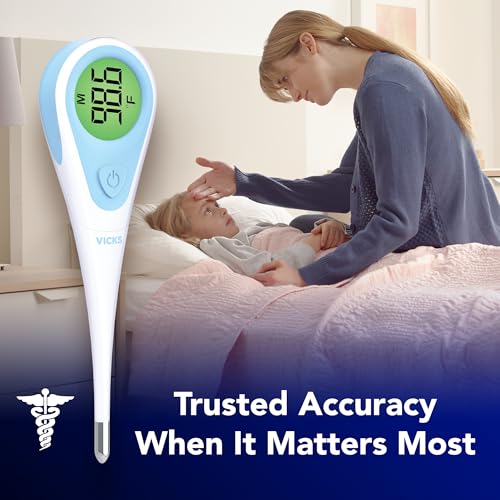
The Vicks SpeedRead is described as having a straightforward digital display that shows the temperature plus the Fever InSight color. For older adults with low vision, a high-contrast, color-supported readout can be easier to interpret than a small, monochrome number alone.
Operation is intentionally simple, with a single button to start a reading and an automatic shut-off noted in many retailer listings for this model line. Fewer buttons mean fewer opportunities for error, which caregivers often highlight as a benefit for seniors who prefer uncomplicated tools.
The compact, pen-style shape also makes storage easy in a bedside drawer or medicine cabinet. When a device is easy to find and easy to start, you are more likely to use it consistently when you need it.
If vision or hearing makes device use harder, you may also want to explore our broader Health Monitoring Devices section for complementary tools that prioritize large displays and clear alerts.
4. Water-Resistant Build for Easier Cleaning in Shared Homes
The listing describes this thermometer as water resistant, which supports more hygienic handling between uses. For senior households where a device may be shared or where a caregiver assists with readings, being able to wipe or rinse the unit as directed helps maintain cleanliness.
Caregivers commonly report that water resistance adds peace of mind when the thermometer is used under the arm or when it needs quick cleaning after an oral reading. You can follow the care instructions without worrying that a light rinse will damage the unit.
This feature also aligns with everyday practicality. A device that is easy to clean is more likely to stay in regular use, and it fits neatly into a simple routine alongside other home health tools.
For seniors managing multiple devices, keeping cleaning supplies together and storing the thermometer in a consistent, dry location can help. You might find additional organization ideas in our Caregiver Corner resources.
Where It Comes Up Short
Because this is a contact digital thermometer, it requires placement in the mouth or under the arm and holding still for several seconds. For seniors with tremor, neck stiffness, or difficulty keeping the mouth closed, that contact requirement can be less convenient than a no-touch forehead option, even though the 8-second window is short.
The model does not offer the hands-free distance of an infrared forehead device, such as the Medline No Touch Infrared Forehead Thermometer, which is designed to eliminate contact and uses red, green, and blue indicators. If minimizing contact or screening quickly from a short distance is a priority in your household, a no-touch design may feel easier day to day.
Some caregivers also note that oral and under-arm readings can vary with technique, recent food or drink, and placement. Following the included directions closely, waiting a short interval after eating or drinking before an oral reading, and using the same method each time can help you get more consistent results.
Finally, while the color-coded display aids interpretation, it does not replace guidance from a clinician about what a given temperature means for a specific older adult. If you are tracking repeated elevations or other symptoms, keep a simple log with time, method, and reading to share at appointments.
Who Should Buy This
This thermometer is a strong match for seniors and caregivers who want a simple, fast, and familiar contact thermometer for home use. If you value a quick 8-second result, a clear color cue, and the option to use oral or under-arm placement, its spec sheet aligns well with everyday senior care.
It also fits well in households where one device serves multiple family members and where easy cleaning matters. The water-resistant design and compact storage make it practical to keep at the bedside or in a shared bathroom cabinet without adding clutter.
For caregivers who support an older adult with mild vision changes, the Fever InSight display can reduce uncertainty when interpreting numbers. That visual support, paired with one-button operation, helps keep the process calm and predictable.
If you already use other home monitoring tools, such as the options highlighted in best pulse oximeter for seniors with arthritis, this thermometer can round out a straightforward, senior-friendly kit that is easy to maintain in 2026.
Who Should Skip It
This model is not ideal for seniors who have significant difficulty holding a thermometer in place, who experience frequent coughing or oral discomfort, or who strongly prefer a no-contact option for hygiene or comfort reasons. In those cases, a no-touch forehead thermometer may be a better fit.
It is also not the right choice if you need hands-free screening for multiple people in quick succession, such as when several family members are feeling unwell at once. The contact method requires individual placement and cleaning between uses, which adds time compared with a forehead scan.
Households where the primary user has severe low vision may still want a device with an extra-large display or audible fever alert, depending on personal preference. While color coding helps, you should consider how the display looks in your lighting and from your usual viewing distance.
If you decide a contact model is not a good fit, explore alternatives that emphasize distance and visual indicators, and keep your care team informed about which method you use most often so your records stay consistent.
Frequently Asked Questions
Is the Vicks SpeedRead Digital Thermometer easy for older adults to use at home?
Based on its published features, it is designed for simple operation with one button, an 8-second reading time, and a color-coded Fever InSight display. Many caregivers report that this straightforward design helps seniors and family helpers get a reading with less confusion.
For best results, follow the included directions for placement and timing, and use the same method for repeat checks so your log remains consistent.
Can the Vicks SpeedRead be used under the arm for seniors who cannot do oral readings?
Yes, the product description lists oral, under-arm, and rectal use, with rectal use intended for babies, so under-arm is an option when oral placement is not comfortable. Under-arm technique benefits from careful placement and holding the arm close to the body as directed.
If you switch methods, note the method in your temperature log, since readings can vary by site and technique.
How does this contact thermometer compare to a no-touch forehead model for elderly care?
A contact model like the Vicks SpeedRead requires placement and a brief hold, while a no-touch forehead thermometer, such as the Medline No Touch Infrared Forehead Thermometer, is designed to measure from a short distance without contact and uses colored indicators. Your choice often comes down to comfort, hygiene preferences, and how easily the senior can remain still.
If minimizing contact or speeding up checks for multiple people is important, a no-touch option may feel more convenient, while those who prefer a classic pen-style thermometer may appreciate the Vicks SpeedRead simplicity.
Browse more picks in our Health Monitoring Devices category, or see our related guide on Medline Bed Wedge Pillows for Elderly Support in 2026.








Write Your Review
No reviews yet. Be the first to share your experience!