

Quick Answer
When a pulse oximeter is not working well for a senior with dementia, movement, cold fingers, or the finger shifting before the reading completes is often the reason, not a faulty device. Try warming the hands, helping the senior sit calmly with the hand supported at heart level, and checking that the finger is centered and still for a few seconds. Always check with a healthcare provider before making changes to health monitoring routines for a senior with dementia.
Why This Happens
Seniors with dementia may not understand why the clip is on their finger, so they may wiggle, pull away, or curl the hand. Even small motion can interrupt the sensor, which needs a few seconds of stillness to show a steady number. A calm, familiar routine and gentle hand support can often help more than pressing buttons repeatedly.
Cold hands, poor circulation, or dry skin can also make readings inconsistent. When fingers are cool, blood flow near the surface is lower, and the sensor may have trouble getting a clear signal. Nail polish, artificial nails, or very long nails can block light, and bright sunlight or overhead light shining into the sensor can add interference as well.
Fit matters too. If the clip is too loose, too tight, or placed at an angle, the light path is not aligned. A finger that is very slender, swollen, or calloused may sit differently in a standard clip. For ideas on clips that accommodate different hand sizes, see best pulse oximeter for seniors with arthritis for guidance on comfort and fit.
Finally, timing and anxiety play a role. If the senior is anxious, recently active, or cold from being outdoors, the reading may vary for a few minutes. Waiting until the person is seated, rested, and warm, with the hand relaxed and supported, often leads to a steadier display. Keeping the approach consistent and unrushed helps the senior feel safe and stay still.
Practical Steps to Try
Try these steps in order, from easiest to more involved. Pause between attempts and keep the interaction calm and brief.
- Warm and prepare the hands. Gently rub the hands together, offer a warm blanket, or hold a warm cup for a minute if the senior is comfortable. Check that the finger is clean, dry, and free of dark polish, and that the hand is relaxed and supported on a table or pillow at heart level.
- Create a calm, steady moment. Sit at eye level, use a soothing voice, and explain in simple terms what will happen. Try a familiar distraction, such as holding a soft object with the other hand, listening to music, or looking at photos, while you keep the clipped hand still and supported.
- Check placement and stillness. Place the finger fully into the chamber, centered under the light, with the nail facing up. Ask the senior to keep the hand still and breathe normally for 10 to 15 seconds, and avoid talking or moving the arm during that time. If the first attempt is shaky, remove the device, pause, and try again after a minute.
- Check the device basics. Confirm the batteries have charge, the screen is bright and readable, and the display orientation is easy for you to see. Some models include an alarm or brightness control and will turn off automatically after a few seconds, so confirm the reading while the display is active. You can find more ideas for easy to read screens in large display BP monitors for elderly with hearing loss, which also discusses visibility at home.
- Try timing and repetition gently. If the senior just walked, ate, or came in from the cold, wait a few minutes while they rest comfortably. Take one reading, note it, then wait a minute and try once more to see if the numbers are similar. If readings remain inconsistent, note what you observed and share it with a clinician rather than repeating many times.
If these adjustments do not help, consider whether a different clip style or display may be easier for your situation before you replace the device outright.
When a Product Can Help
If basic adjustments do not lead to steadier readings, a different fingertip model with clearer feedback may be a practical next step. Look for a display that is bright and easy to read, a soft silicone finger mold that holds the finger gently, and visual cues that help you judge whether the reading is stable. A model with an audible alert for out of range values and an auto off feature can also simplify use for caregivers.
This guide contains affiliate links, and we may earn a commission if you buy through them, at no extra cost to you.

Prime Amemo Fingertip Pulse Oximeter




As an Amazon Associate we earn from qualifying purchases. Product prices and availability are accurate as of the date/time indicated.
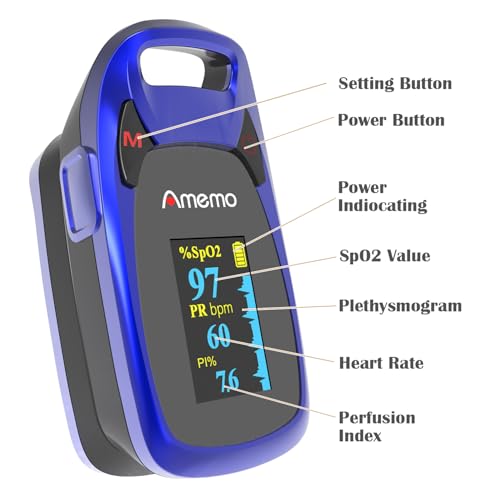
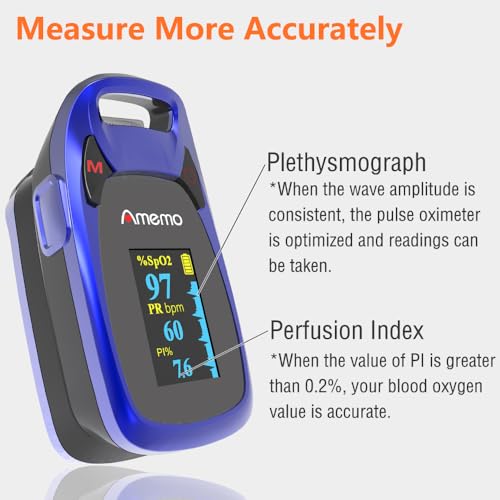
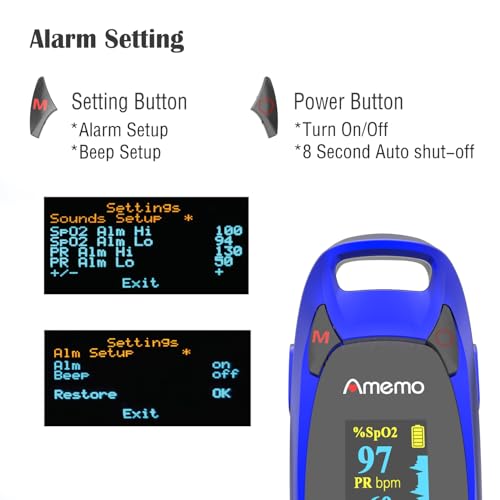
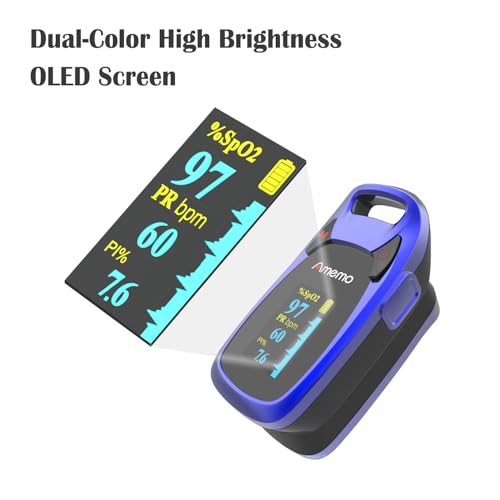
One option caregivers often consider is the Fingertip Pulse Oximeter with Plethysmograph, which is described as using medical grade sensors and chips with an upgraded LED and sensor for low perfusion situations. Its listed features include a plethysmograph and perfusion index to help you assess signal quality, a large dual color OLED screen for visibility in various lighting, and an auditory alarm with adjustable brightness. It is also described as including two AAA batteries, a carrying case, and a lanyard, with an automatic power off after several seconds.
This type of fingertip design is not a continuous monitor and is intended for spot checks while the hand is still. For seniors who have difficulty remaining still, you may also want to review best pulse oximeter for seniors with balance issues for ideas on supporting the hand and choosing a device that is simpler to position.
When to Talk to a Professional Instead
If readings are consistently low, highly variable, or the senior shows new symptoms such as increased confusion, shortness of breath, chest discomfort, bluish lips, or unusual drowsiness, contact a healthcare provider promptly. Do not rely on a home device to decide about urgent care, and share the pattern of readings and what you observed during the attempts.
A fingertip pulse oximeter is not ideal for seniors who need continuous monitoring, who cannot keep a hand still even with support, or who have conditions that affect finger circulation in a way that makes spot checks unreliable. It is also not a good fit as a sole method for tracking a serious respiratory or cardiac concern at home. In those situations, a clinician can suggest a more appropriate monitoring plan.
If the senior frequently removes the clip, becomes distressed, or resists care, forceful or repeated attempts are not recommended. A physician, occupational therapist, or physical therapist can suggest gentler approaches, alternative placement strategies, or whether home monitoring is helpful at all for your specific situation. Always check with a healthcare provider before making safety changes for a senior in your care.
Keep a simple log of date, time, hand used, and what you noticed, such as cold hands or movement, and bring it to appointments. This context helps the care team interpret home readings without you needing to diagnose the cause yourself.
Frequently Asked Questions
Why does the pulse oximeter show no reading or a blank screen for my loved one with dementia?
This often happens when the finger moves, is not centered, or the batteries are low. Try warming the hand, centering the finger fully in the chamber, supporting the hand so it stays still, and checking that the screen is bright and active before the auto off.
How can I help a senior with dementia keep their hand still long enough for a reading?
Keep the routine short, calm, and predictable, with the hand resting on a pillow at heart level. Use a gentle distraction with the other hand, speak in simple reassuring phrases, and pause between attempts rather than holding the clip on for a long time.
Should I keep trying until I get a perfect number?
No, repeated attempts can increase agitation and still not give a stable value. Try once or twice with the steps above, note what you saw, and share the information with a healthcare provider if you have concerns about breathing or overall wellness.
Browse more picks in our Health Monitoring Devices category, or see our related guide on Medline Bed Wedge Pillows for Elderly Support in 2026.





Write Your Review
No reviews yet. Be the first to share your experience!