

Quick Answer
If your bed wedge pillow feels unsteady or hard to adjust with arthritis, make it stay put and easier to move without a tight grip. Place a non slip layer underneath, choose a wedge with a side handle and a washable cover, and keep the incline low enough that getting on and off does not strain the wrists, hands, or shoulders. These small setup changes often help the pillow feel steadier and more joint friendly right away.
Why This Happens
Wedge pillows often slide on smooth sheets, mattress protectors, or polished bed frames, which forces a senior to push or pull the wedge repeatedly to keep it in place. For stiff, sore hands and fingers, that extra gripping and shoving can feel tiring and less secure, especially at night.
Many wedges are also hard to reposition because they lack handles or have covers that are slick or difficult to hold. If the wedge is too high or too steep, it can create more pressure on the back, hips, and shoulders when settling in, and it may require more twisting to get comfortable.
Foam that is very soft may sink and require more effort to shift, while foam that is very firm can feel uncomfortable against sensitive joints. A wedge that is too short or too narrow can leave gaps behind the back or under the legs, which makes the position feel less supported.
If you are helping a loved one, you may notice the wedge creeps down the bed or needs frequent straightening. For general household guidance on height and fit, this overview on how high a bed wedge pillow should be for elderly can help you compare angles without changing medical care, and you can also review Medline bed wedge pillow options for elderly to see how different shapes and lengths compare for daily rest.
Practical Steps to Try First
- Secure the base so it does not slide. Place a non slip mat or thin shelf liner under the wedge and make sure the fitted sheet underneath is smooth, tight, and flat. Check that the flat side of the wedge sits fully on the mattress and gently against the headboard or wall, then try a light push to confirm it stays put before the senior lies down.
- Make repositioning easier on arthritic hands. Look for a wedge with a side handle or add a small fabric loop that allows an open palm pull instead of a tight finger grip. Try moving the wedge before the senior gets into bed, use both hands with palms flat, and make small adjustments rather than lifting the whole wedge at once.
- Adjust the angle and add gentle support around the body. Try a lower, more gradual incline first, then add a small pillow behind the lower back, between the knees, or under the arms for extra stability. Keep the head, neck, and spine in a neutral line so the senior does not need to twist or reach to get comfortable, and check that the edge of the wedge does not press into the back of the knees.
- Keep the surface clean, dry, and skin friendly. Use a removable, machine washable cover and check that seams and zippers do not press against sensitive skin. If spills or perspiration are a concern, a wedge with a waterproof inner liner can help protect the foam core while the outer cover stays soft and breathable, and washing the cover regularly may help reduce odors and keep the surface more comfortable.
- Make getting in and out of bed steadier. Place the wedge where the senior can sit on the edge of the bed first, then ease back onto it, rather than climbing over it. Keep a nightstand, bed rail, or sturdy chair within easy reach for balance, keep the floor clear of cords and loose rugs, and use a night light so adjustments are easier to see. For additional context on supportive tools that are easy on the hands, you may find pulse oximeter picks for seniors with arthritis helpful as an example of joint friendly design ideas.
When a Product Can Help
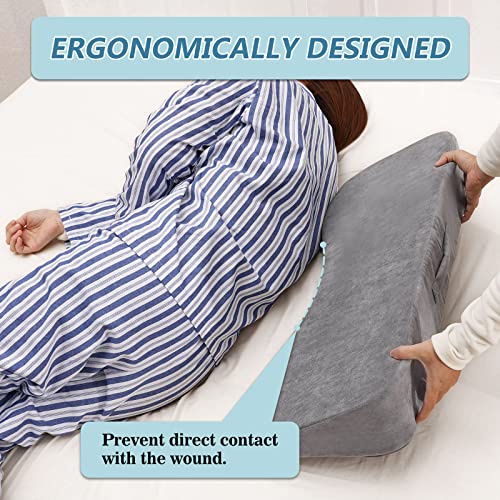
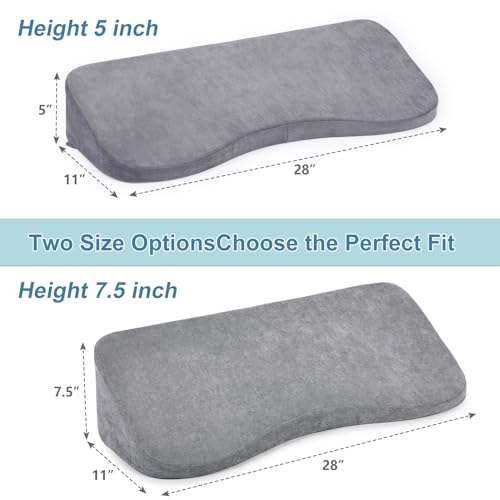
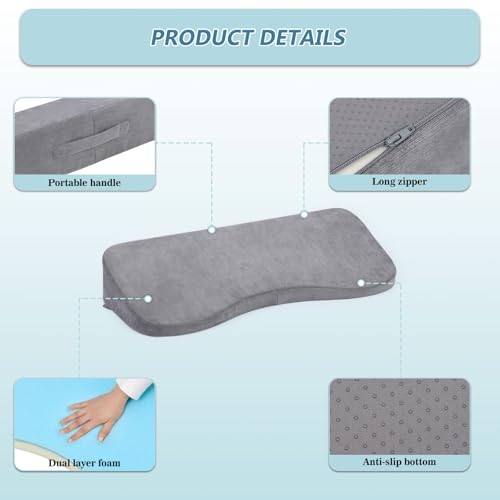
If your current wedge slides, lacks a handle, is hard to keep clean, or feels too steep or too soft for steady positioning, a purpose built positioning wedge may help reduce daily strain. One practical option is a wedge designed with an anti slip bottom to help it stay in place, a portable side handle for easier carrying and repositioning without a tight grip, a high density foam base with a gel memory foam top for firm yet cushioned support, curved edges with no sharp corners, and a washable cover with a waterproof inner liner to help protect the core. These features can make small adjustments easier on sore hands and help the pillow stay where you place it during rest.
This guide contains affiliate links, and we may earn a commission if you buy through them, at no extra cost to you.
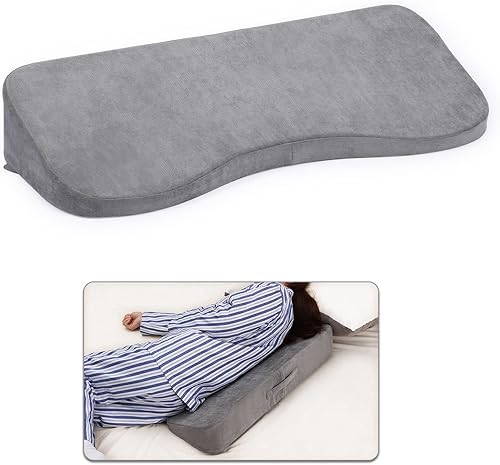
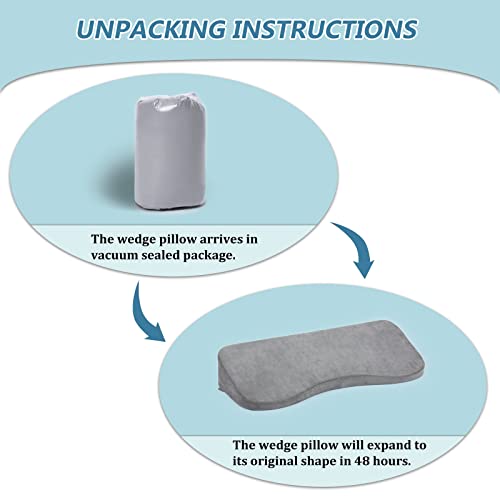
Prime TANYOO Curved Bed Positioning Wedge Pillow 5 Inch
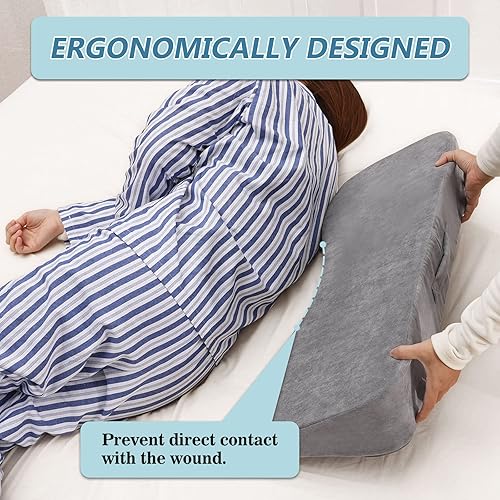


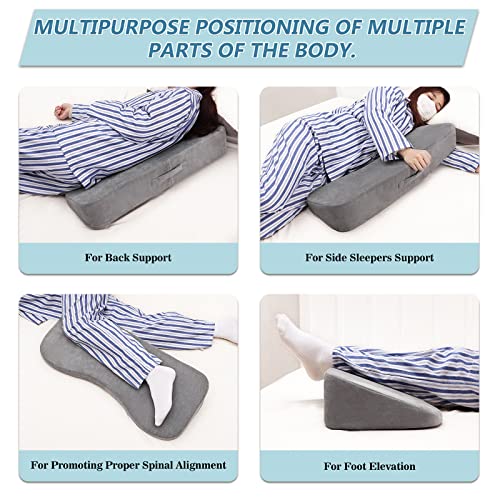
As an Amazon Associate we earn from qualifying purchases. Product prices and availability are accurate as of the date/time indicated.
When to Talk to a Professional Instead
A home setup change is not ideal for every situation, and some concerns are best discussed with a clinician. If the senior has increased pain, new swelling, numbness, tingling, skin redness that does not fade, or trouble breathing when propped up, pause and check with a doctor, physician, physical therapist, or healthcare provider before continuing with the wedge.
This type of wedge is also not a good fit if the senior has specific positioning instructions after surgery, needs to remain in one position for medical reasons, or cannot reposition without help and is alone for long periods. It also is not the right choice if the bed is very soft, very narrow, or shared in a way that leaves no room to place the wedge securely. In those cases, a healthcare provider or occupational therapist can recommend a positioning plan that matches their needs, home layout, and daily routine.
Bring the wedge or a photo of the setup to the appointment so the provider can see the angle, length, and placement you are using. Ask about simple home safety checks such as bed height, lighting for nighttime movement, and whether a different support surface or additional caregiver help would be more appropriate for your situation.
Frequently Asked Questions
What wedge angle is easiest to manage with arthritis?
Lower, more gradual slopes often require less pushing and twisting to get comfortable. Try starting with a modest incline and add small pillows for fine tuning, and check with a healthcare provider if you need guidance on positioning for comfort.
How do I keep the wedge from sliding on the bed?
Use an anti slip base under the wedge and make sure the sheet underneath is flat and tight. Place the flat side firmly on the mattress, avoid slick satin sheets under the wedge, and check that it stays put after the senior settles and after any nighttime movement.
Can I just use regular pillows instead of a wedge?
Regular pillows can shift more and often need frequent fluffing and stacking, which can be hard on arthritic hands. A firm wedge with a non slip bottom and a handle may help reduce the need for constant readjusting, and you can still use a small pillow for extra support where needed.
Browse more picks in our Health Monitoring Devices category, or see our related guide on Medline Bed Wedge Pillows for Elderly Support in 2026.










Write Your Review
No reviews yet. Be the first to share your experience!