

Quick Answer
If your bath lift is not working well for a senior recovering from a hip replacement, the most common issue is that the lift lowers the person too far or requires movements that conflict with hip precautions. Try checking the lift fit, battery charge, and suction or stability first, then consider a sit and slide option that keeps hips higher and avoids deep bending or twisting.
Why This Happens
After a hip replacement, many seniors must avoid bending the hip past 90 degrees, twisting the leg inward, or crossing legs. Most bath lifts lower you to the bottom of the tub, which can put the hips much lower than the knees and make it hard to stand up without breaking those precautions.
Bath lifts can also struggle with fit and stability. If the tub floor is textured, curved, or has a non slip surface, suction cups may not seal well. If the battery is low, the lift may move slowly, stop mid cycle, or not rise high enough to allow a safe transfer.
Size and setup matter too. A lift that is too wide for your tub, a drain that blocks the base, or a shower curtain that catches on the mechanism can all make the lift feel unstable or incomplete. Always check with a healthcare provider or physical therapist before making mobility changes for a senior in your care.
Finally, a bath lift alone may not be enough support. Without grab bars, a handheld shower, and a clear transfer path, even a working lift can feel unsteady for someone with limited strength or balance during early recovery. You can explore more general options in the Shower & Tub Safety category.
Practical Steps to Try
These general checks may help you identify whether the lift can be adjusted or whether a different approach would better support safe bathing. Stop and seek help if you notice pain, instability, or uncertainty about hip precautions.
- Confirm hip precautions and seating height with your care team. Ask your physician or physical therapist what hip movements to avoid and what seat height keeps hips above knees. Measure how low the lift goes and whether the senior can stand without leaning far forward or twisting.
- Check the lift base, fit, and power. Make sure the base sits flat on a clean, smooth tub floor, suction cups or feet are fully engaged, and no bath mat is underneath. Charge the battery fully per the manual, and check that the remote and emergency stop respond as described. If you are also managing toileting and bathing logistics, this guide on how to choose bedside commode for hip replacement recovery may help you plan the overall bathroom setup.
- Improve stability around the tub. Check that any existing grab bars are securely anchored, add a non slip mat outside the tub, and keep soap and towels within reach so the senior does not need to reach or twist. A handheld shower can reduce the need to turn or stand while rinsing.
- Try a sit and slide transfer instead of lowering to the tub floor. Have the senior sit on the edge of the tub or on a bench outside the tub, then slide over the tub wall with legs together. This keeps the hips higher and may help reduce the need for deep bending. For ideas on seating that supports this motion, see best bath stool for seniors after knee replacement for general bench concepts that also apply after hip surgery.
- Do a supervised trial run without water. With a caregiver nearby, walk through the entire entry, bathing, and exit sequence to see where the lift or transfer feels awkward. Check that the senior can keep feet flat, knees below hips, and avoid crossing legs throughout the movement.
When a Product Can Help
A different product is often a reasonable next step when the lift consistently lowers too far, cannot get a stable seal in your tub, or requires help that is hard for a caregiver to provide safely. In early hip replacement recovery, many families find that a transfer bench that lets the senior sit outside the tub and slide in is simpler than a powered lift that goes to the tub floor.
This guide contains affiliate links, and we may earn a commission if you buy through them, at no extra cost to you.

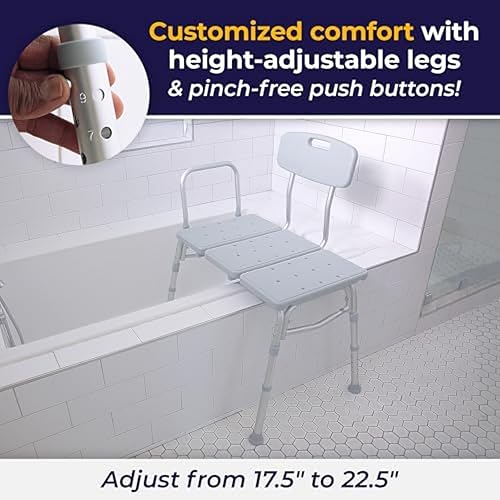
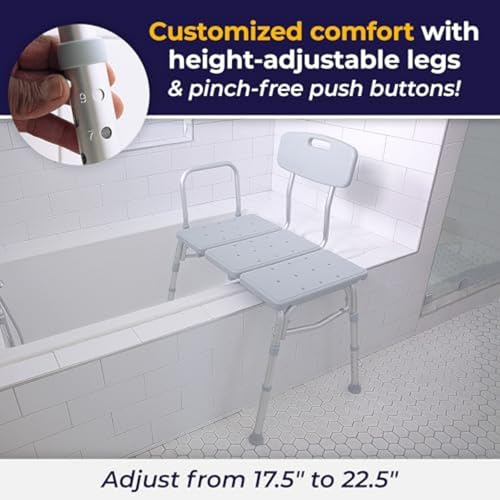
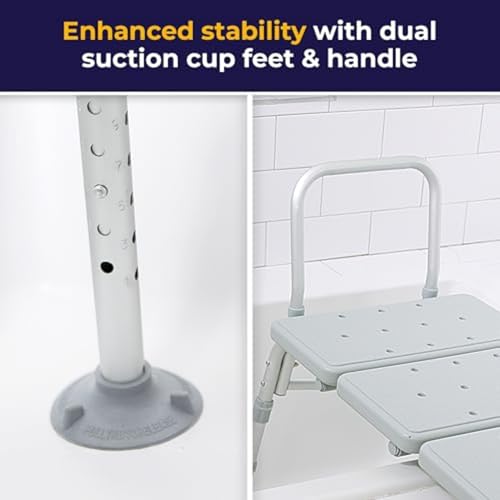
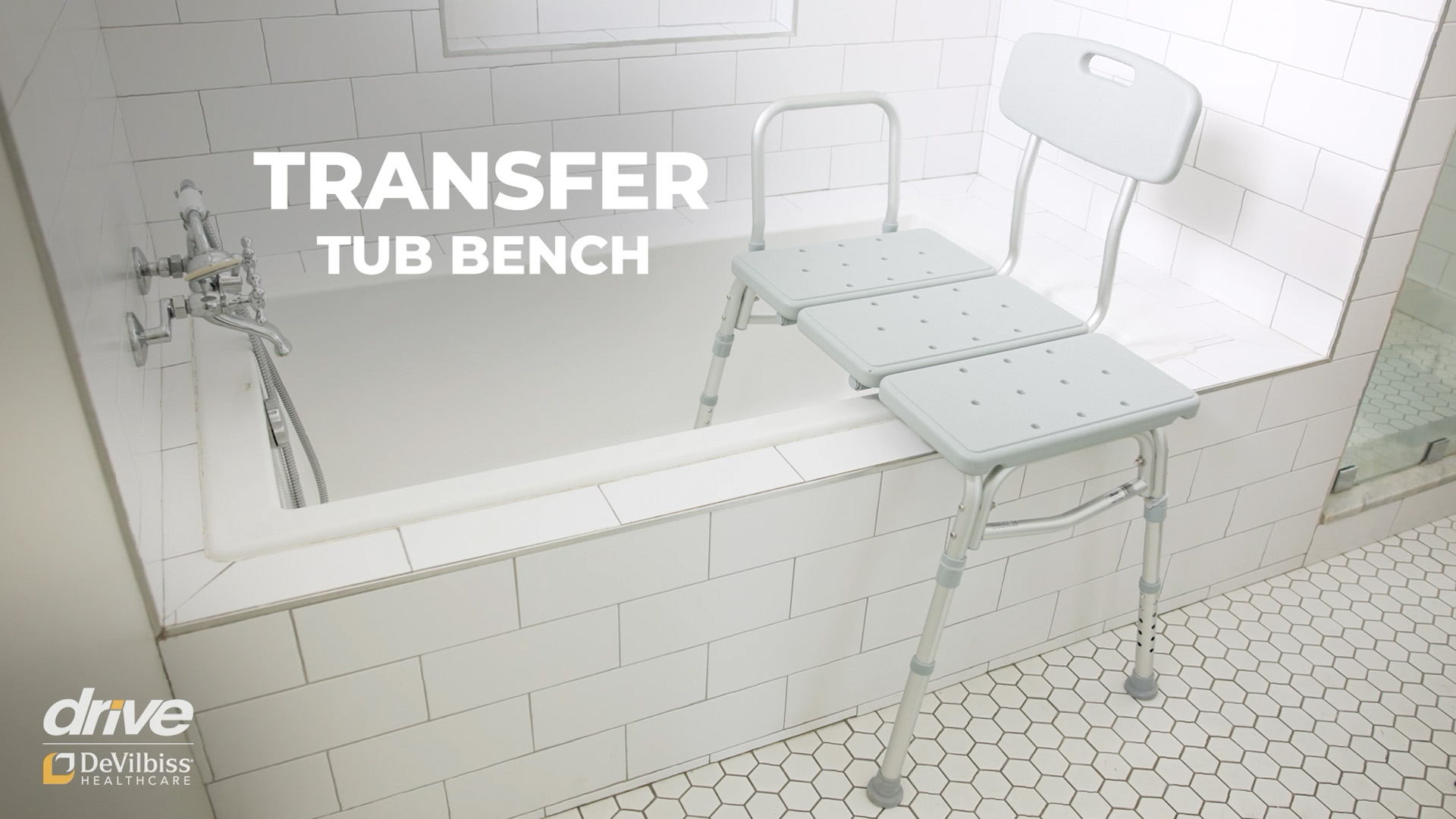
Prime Drive Medical Tub Transfer Bench




As an Amazon Associate we earn from qualifying purchases. Product prices and availability are accurate as of the date/time indicated.
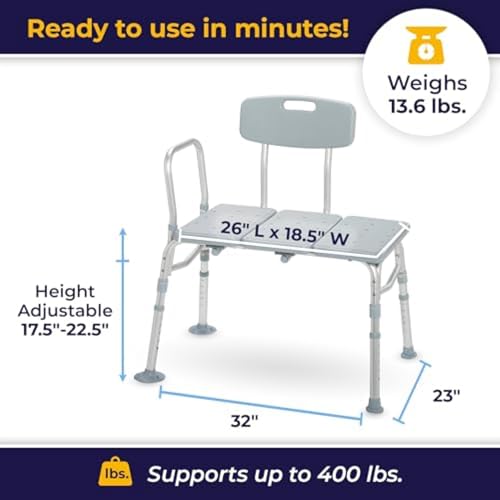
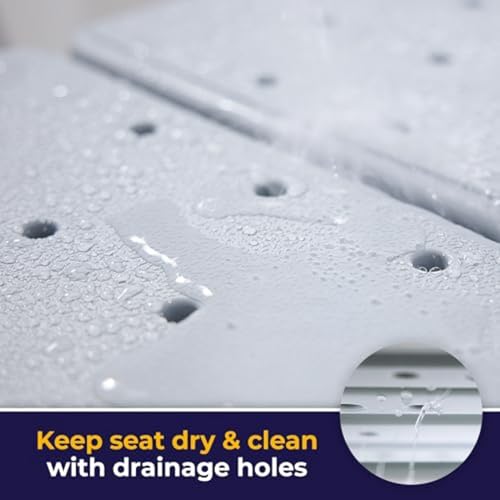
One common option is the Drive Medical Tub Transfer Bench for Bathtub, which is designed to extend across the tub wall so the user can sit and slide rather than step over or lower deep into the basin. Its height adjustable legs and adjustable backrest allow flexible positioning for different tub heights, and the bench structure is intended to support daily transfers as described in its specifications.
This type of bench may help reduce the risk of awkward bending or twisting because it keeps seating higher and provides armrests and a backrest for support while moving. If you try this approach, confirm the bench fits your tub width, that the feet are stable inside and outside the tub, and that the senior has clear guidance from a healthcare provider on safe transfer techniques.
When to Talk to a Professional Instead
A home fix or product swap is not ideal for every situation, and some signs mean you should pause and get clinical guidance. If the senior has new pain, swelling, a feeling that the hip is unstable, increased unsteadiness, or confusion about precautions, contact the surgeon, physician, or physical therapist before trying another bath setup.
A transfer bench is also not a good fit if the bathroom layout does not allow enough space outside the tub for the bench legs to sit level, if the tub wall is unusually high or narrow, or if the senior needs more support than a bench and caregiver can safely provide. In those cases, an occupational therapist can evaluate the bathroom and recommend alternatives such as a walk in shower setup or other assistive equipment.
Do not attempt to modify or force a lift or bench to fit, and avoid stacking cushions or pillows to raise height, as this can increase slip risk. A professional can help you match the equipment to the senior’s strength, balance, and specific hip precautions without guessing.
Frequently Asked Questions
Why does our bath lift feel too low after hip replacement?
Many lifts lower to the tub floor to allow soaking, which puts hips below knees. That low position often conflicts with the need to keep hips higher than knees and avoid deep forward bending during recovery, so a higher seated transfer is often more workable.
Is a transfer bench safer than a bath lift during hip recovery?
For many seniors in early recovery, a bench that allows a sit and slide motion may help reduce the need for stepping over the tub wall or lowering to the bottom. The best choice depends on tub shape, strength, balance, and the precautions given by the healthcare provider.
What should we check if the lift will not rise or feels unstable?
Check that the battery is fully charged, the base is flat and clean with no mat underneath, and the tub surface allows a secure contact. If it still moves unevenly, stops, or wobbles, stop using it and consult the product manual and a healthcare provider about a safer alternative.
Browse more picks in our Shower & Tub Safety category, or see our related guide on Shower Benches We Recommend for Caregivers With Back Pain in 2026.








Write Your Review
No reviews yet. Be the first to share your experience!