

Quick Answer
To make a medical alert watch safer for a senior with osteoporosis, focus on a secure but comfortable fit, consistent daily wear, and a simple charging and press routine you can actually maintain. Most safety issues come from a band that is too loose or too tight, a button that is hard to find by feel, or a watch that is left off the wrist to charge. Try a soft, adjustable band, check that the button presses easily without wrist strain, and build a daily check for charge and wear before you consider a replacement.
Why This Happens
A medical alert watch can feel less secure when it does not match fragile bones and sensitive skin. Always check with a healthcare provider or physical therapist before making safety changes for a senior in your care.
A common cause is fit. A band that slides around can be hard to press quickly, and a band that is too tight can cause discomfort or skin irritation that leads the senior to take it off. For someone with osteoporosis, you want a watch that stays in place without pressure points, so it may help reduce the risk of skin issues and increase the chance it is worn when needed.
Another cause is usability. Small buttons, stiff presses, or screens that are hard to read can make the watch difficult to use during stress. If the senior has limited hand strength or vision changes, they may hesitate or miss a press. Placement on the dominant versus non dominant wrist also matters for reach and comfort.
Daily routine gaps are also common. Watches left on a charger overnight or forgotten after bathing are not available in a moment of need. Many families also rely on the watch alone without a backup plan for at home coverage, which is where a broader Smart Alerts & Monitoring approach can add support. You can learn how other tools work together by reviewing options like the best security camera for elderly with osteoporosis for added awareness at home.
Practical Steps to Try
Try these steps in order, starting with the easiest fit fixes before you change devices. Keep notes on what feels comfortable and what gets skipped.
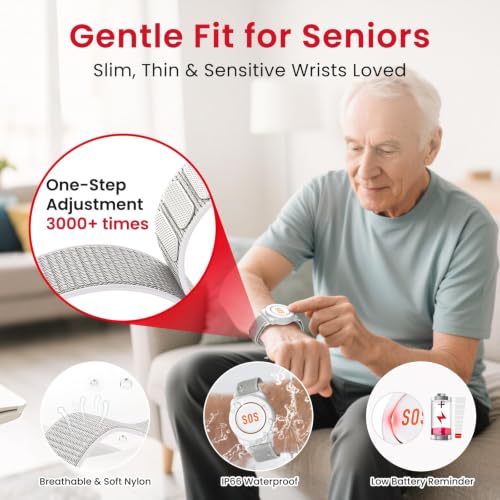
- Adjust fit for comfort and stability. Aim for a band that stays in place when the arm moves but allows one finger to slide underneath. Look for a soft silicone or fabric band with many adjustment holes, and position the watch so the button faces outward where fingers can find it without twisting the wrist. Check skin daily for redness and loosen slightly if you see marks.
- Make the button easy to press without strain. Practice pressing with the pad of the finger or thumb, not the fingertip, to reduce wrist bending. If the watch has a long press or double press, practice that motion seated at a table. Keep nails trimmed and consider a band that keeps the watch head from rotating, so the button is always in the same spot.
- Build a wear and charge routine that keeps the watch on the wrist. Choose a consistent charging window, such as during a seated morning routine or TV time, and set a phone reminder to put it back on right away. Try a charging dock placed where the senior will see it, and keep a simple checklist near the dock: charge, check battery level, put on, confirm comfort.
- Keep it water resistant and visible. If the device is rated as water resistant, encourage wearing it in the bathroom where slips are more likely, following the maker’s care instructions. Use a bright band color or a small sticker on the charger as a visual cue, and keep the watch face clean so alerts and battery icons are easy to read.
- Add simple home backups. Place a clearly marked call button in the bedroom and bathroom as a secondary option, keep a phone within reach at night, and review with family when to use the watch versus a phone. For overall home awareness, you may also find ideas in the best security camera for elderly with balance issues guide to complement the watch without replacing it.
When a Product Can Help
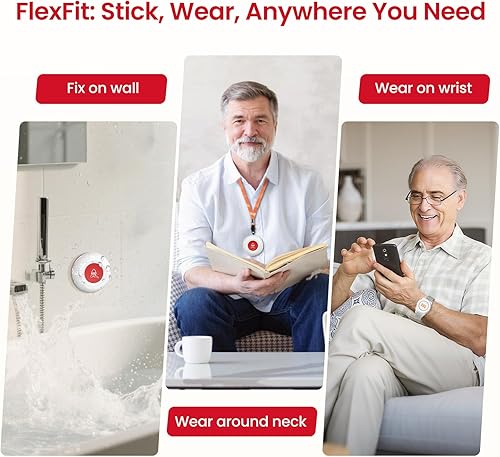
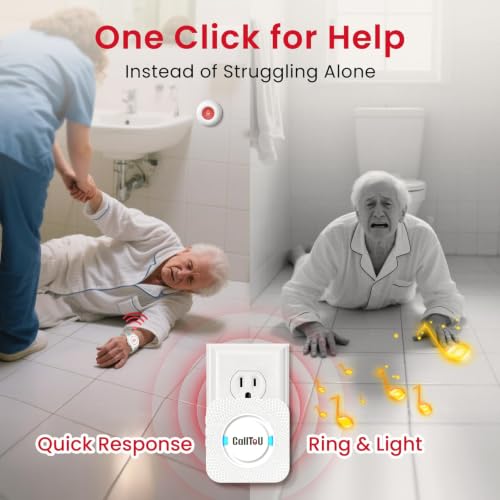
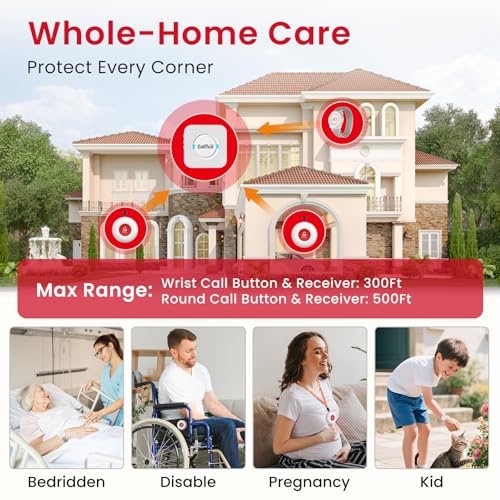
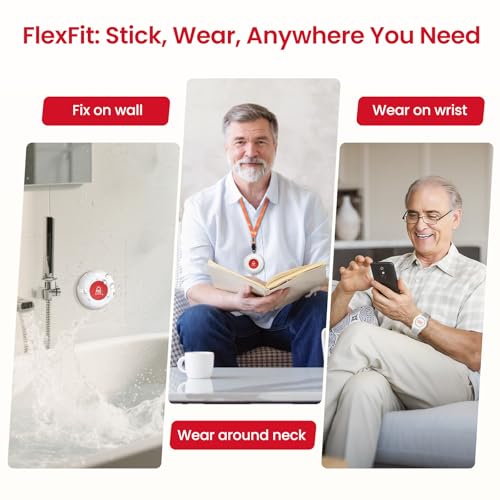
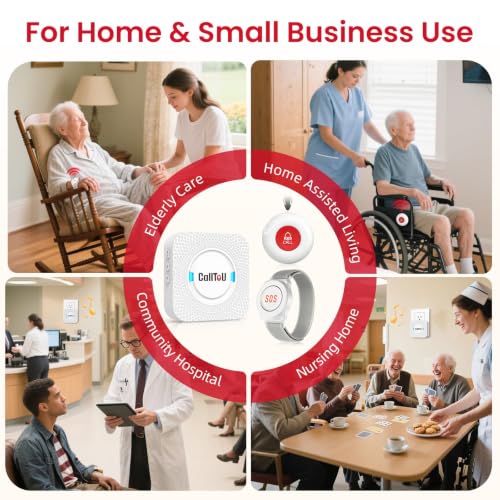
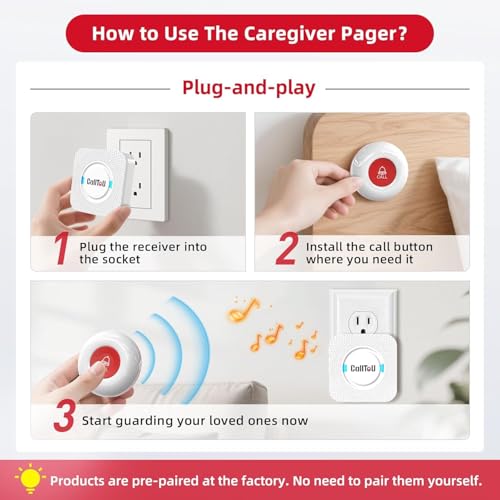
A product can help when the current watch is often forgotten, hard to press, or not suited for at home use throughout the day. If you need a simple at home backup that is easy to keep nearby, one common option is a wireless caregiver pager system with wearable buttons that can be worn as a pendant or wristband and paired with a plug in receiver you can move from room to room. As one practical option, the CallToU Caregiver Pager Wireless Call Button Nurse is described as offering multiple wear options, a portable receiver with a 500 plus foot open area range, selectable ringtones and adjustable volume, and water resistant buttons for bathroom use.
This guide contains affiliate links, and we may earn a commission if you buy through them, at no extra cost to you.

CallToU Caregiver Pager Wireless Call Button




As an Amazon Associate we earn from qualifying purchases. Product prices and availability are accurate as of the date/time indicated.
Use this type of system to complement, not replace, a medical alert watch. Keep the watch on the wrist for on the go coverage and use the pager buttons for quick at home alerts when the watch is charging or hard to reach.
When to Talk to a Professional Instead
This approach is not ideal for a senior who has had recent fractures, frequent falls, or new unsteadiness that has not been evaluated. It is also not a good fit if the senior has significant skin breakdown, swelling, or pain where the watch sits, or if confusion makes consistent wear unsafe.
In those cases, pause home adjustments and talk with a physician, physical therapist, or occupational therapist. They can assess fit, skin tolerance, and whether a different wear style or additional home supports may help reduce the risk of injury. They can also advise on safe movement strategies and whether other monitoring options are more appropriate for your home layout.
Bring the watch and band to the appointment, note when it is worn and when it is removed, and share any missed presses or charging issues. That information helps the provider give guidance that matches daily habits rather than general advice.
Frequently Asked Questions
Should a senior with osteoporosis wear a medical alert watch tightly for safety?
No, a very tight band is not safer and may cause discomfort or skin irritation that leads to less wear. Try a snug but comfortable fit that keeps the watch from sliding, and check skin daily for marks. If you notice redness or pressure, adjust the fit and consult a healthcare provider.
What if the senior forgets to charge or wear the watch?
Try linking charging to an existing daily habit, like morning coffee or evening TV time, and place the dock in plain sight with a reminder note. Set a phone alarm for put back on time and confirm the battery indicator before bed. A simple at home backup button can also help cover charging windows.
Is a medical alert watch enough on its own for someone with fragile bones?
A watch is one tool, not a complete safety plan, and no device removes all risk. It may help reduce the risk of delayed help when worn consistently, but also consider clear pathways, good lighting, and easy to reach phones or backup buttons. For broader planning, review your overall Smart Alerts & Monitoring setup and ask a healthcare provider what combination fits your situation.
Browse more picks in our Smart Alerts & Monitoring category, or see our related guide on Large Display Doorbells for Stroke Recovery in 2026.




Write Your Review
No reviews yet. Be the first to share your experience!