

Quick Answer
Most struggles with a thermometer for elderly use come from a few fixable issues, not a broken device. Check that it is in body or forehead mode rather than object mode, that batteries are fresh, and that you are holding it the right distance from the forehead with a clean sensor. If those quick checks make readings clearer and more consistent, you may not need to replace it yet.
Why This Happens
Many thermometers have small buttons, tiny screens, and multiple modes that are easy to mix up. A forehead thermometer may also have an ear mode, child mode, or object mode, and a single press can switch it without you noticing. For an older adult with vision changes or stiff hands, that confusion can make every reading feel unreliable.
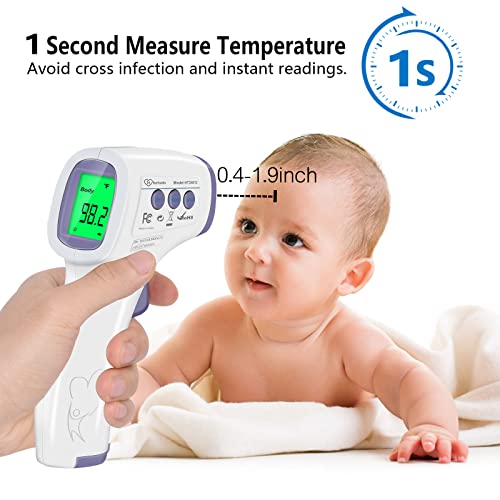
Technique also matters more than people expect. Non-contact infrared thermometers are rated to be held 2 to 3 inches from the center of the forehead, and hair, sweat, hats, or a cold room can shift the result. Moving too quickly between rooms or taking several readings back to back without a short pause can also lead to numbers that do not match.
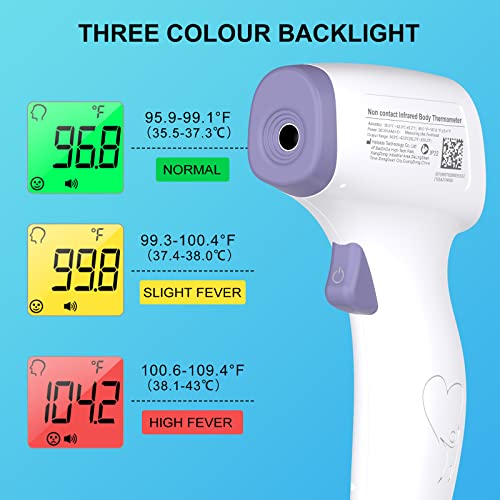
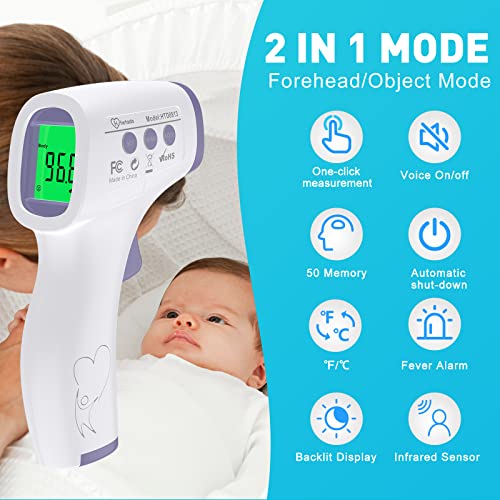
Power and display settings add another layer. Low batteries can dim the backlight or cause error messages, and a switch between Fahrenheit and Celsius can make a normal reading look alarming. Features like mute mode, memory recall, and color coded fever alerts are helpful only if everyone in the home understands what they mean.
Finally, the home setup can work against you. If the thermometer lives in a drawer, a bathroom cabinet, or a dim hallway, your parent may struggle to find it, read it, or hold it steady. Keeping health devices easy to see and reach is a common theme across easy to use health monitors, and the same ideas help here.
Practical Steps to Try
- Check power, screen, and sound settings first. Put in fresh AAA batteries if the screen is dim or shows a low battery icon, confirm the display shows your preferred F or C, and turn the sound or fever alarm on if your parent relies on audio cues. A bright, backlit screen with a clear color change is much easier for aging eyes to interpret at a glance.
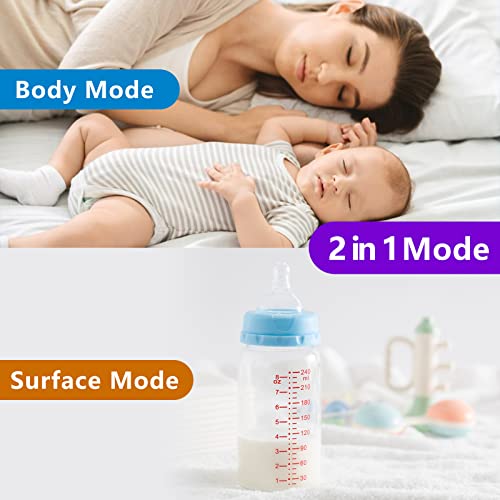
- Confirm you are in the right measurement mode and clean the sensor. Look for an icon or label that says body, forehead, or surface and switch back to body or forehead if it is on object mode. Gently wipe the sensor lens with a soft, dry cotton swab as the manual directs, and keep the protective cap on when not in use so dust does not collect.
- Practice a consistent, gentle technique together. Hold the thermometer 2 to 3 inches from the center of the forehead, keep hair away, and make sure the forehead is dry and has been indoors for a few minutes. Press the button once, wait for the beep, and wait about a minute before a repeat reading rather than scanning repeatedly. Writing these three steps on a small card kept with the device can reduce frustration.
- Make the reading easier to see and record. Use the thermometer in a well lit room, have reading glasses nearby, and keep a simple log with date, time, and result so you can spot patterns instead of relying on memory. If the device has a memory recall button, show your parent how to view the last reading with one press, or offer to check it for them.
- Create a calm, repeatable routine and storage spot. Store the thermometer in the same open location, such as a bedside tray or kitchen shelf, with batteries and the manual together. For ideas on keeping devices visible and simple to handle, see guides like large display monitors for hearing and vision needs and Health Monitoring Devices for general setup tips that also apply to thermometers.
When a Product Can Help
A product change is worth considering when the current thermometer has a tiny screen without a backlight, requires precise placement in the ear, or has buttons that are painful for arthritic hands, even after you have tried the steps above. In that case, one common option is a non-contact forehead model with a large LCD, color coded backlight, fever alarm, and one second reading at a short distance, which many caregivers report is simpler to use and helps reduce close contact. The model below is one example with those features, including auto shutdown, object and body modes, and included batteries, described by the maker as suitable for all ages.
This guide contains affiliate links, and we may earn a commission if you buy through them, at no extra cost to you.

Prime hetaida HTD8813 No Touch Infrared Forehead


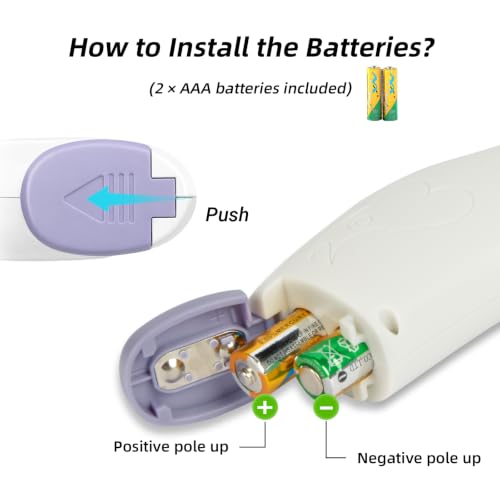

As an Amazon Associate we earn from qualifying purchases. Product prices and availability are accurate as of the date/time indicated.
When to Talk to a Professional Instead
A new thermometer is not the right fix for every situation, and this type of device is not ideal for a senior who has frequent confusion, cannot follow the steps safely, or needs frequent temperature checks due to a complex health condition. If readings are often inconsistent, if fever is a regular concern, or if your parent has difficulty understanding instructions, talk with a physician or healthcare provider about the best way to monitor temperature at home.
This is also not a good fit as a solo solution when temperature is only one part of a bigger care need. If you are also tracking blood pressure, oxygen, or other signs, ask a healthcare provider or pharmacist which devices work well together and how to create a simple routine that your parent can manage. For broader caregiver support, the Caregiver Corner has general guidance on organizing health routines without giving medical advice.
Do not try to diagnose the reason for repeated fevers, chills, or changes in behavior at home, and do not adjust medications or care plans based only on a home thermometer reading. Use the thermometer as a household tool to share information with your clinician, and seek prompt care if you are worried about a high or persistent fever.
Frequently Asked Questions
Why does our thermometer show a different number each time we check?
Small changes in distance, forehead moisture, room temperature, or mode can shift results. Try using the same spot on the forehead, the same distance, and the same mode, with a brief pause between checks, and note the conditions in your log to share with your clinician if the pattern continues.
How can I help a parent with poor vision or shaky hands use a thermometer?
Choose a well lit spot, keep the device at eye level on a stable surface, and look for a large backlit display with a clear beep or color change. A non-contact forehead option may help reduce the need for precise ear placement, and a simple one button design with auto shutdown can be easier to manage day to day.
Should we keep the old thermometer after we get a new one?
You can keep it as a backup if it still gives consistent readings after fresh batteries and a sensor cleaning, but label it clearly and store it separately so modes do not get mixed up. If it often shows errors or is hard to read even after the steps above, it is usually less confusing to keep only the simpler device in daily use.
Browse more picks in our Health Monitoring Devices category, or see our related guide on Medline Bed Wedge Pillows for Elderly Support in 2026.









Write Your Review
No reviews yet. Be the first to share your experience!