

Quick Answer
If your pulse oximeter for seniors not working well for a senior with osteoporosis shows a blank screen, dashes, or numbers that jump around, the most likely cause is poor finger warmth, circulation, or movement during the reading, not the osteoporosis itself. Try warming the hands for a few minutes, sitting upright and still, and placing the oximeter on a warm middle finger with the nail facing up, and always check with a healthcare provider or physician before making changes related to a health condition.
Why This Happens
Osteoporosis affects bone density, it does not directly block the light sensor in a fingertip oximeter. However, many seniors with osteoporosis are older adults who may also have cold hands, thinner skin, drier nails, or reduced circulation, all of which can make it harder for any fingertip sensor to get a steady signal.
Low finger temperature is one of the most common reasons for a missing or unstable reading. When fingers are cold, blood flow near the surface is lower, so the sensor has less to measure. Long nails, nail polish, artificial nails, or very dry, ridged nails can also interfere with how light passes through the fingertip.
Movement and pressure matter a lot as well. Tremor, shivering, tapping the finger, or pressing down too hard inside the clip can interrupt the signal. A device that is too tight, too loose, or placed at an angle may also fail to align the light and sensor correctly, which leads to error messages or numbers that appear and disappear.
Other simple factors are easy to overlook. Low batteries, bright overhead light or sunlight shining directly into the sensor, and trying to measure right after activity or with lotion on the hands can all reduce reliability. If you have been comparing readings between family members, note that what works quickly for a warm, still hand may take longer for a cool, dry hand.
For caregivers, it helps to know that gentle positioning is especially important when a senior has bone sensitivity or joint stiffness. You do not need to squeeze or force the finger into place. A comfortable, supported hand position is more likely to give a steady result than pressing harder. For related fit issues, you may find ideas in best pulse oximeter for seniors with arthritis.
Practical Steps to Try
Try these steps in order, starting with the easiest and most comfortable options. Pause between attempts and allow the hand to rest, rather than repeating measurements back to back.
- Warm and rest the hands first. Have your loved one sit upright in a chair with the hand supported on a table or pillow. Rub the hands gently together, cover them with a light blanket for 3 to 5 minutes, and wait until fingers feel warm. Avoid measuring right after coming in from the cold or after washing hands with cold water.
- Choose the best finger and remove barriers. Use the middle or ring finger if possible, as they often give a steadier signal. Remove dark nail polish or artificial nails on the finger you plan to use, wipe away lotion, and make sure the nail is trimmed to a comfortable length so the finger can sit fully inside the clip without pressure on the tip.
- Position the oximeter correctly and stay still. Place the finger all the way in with the nail facing up toward the display, so the light and sensor align. Keep the hand still and at heart level, breathe normally, and avoid talking or moving the hand while the numbers settle. If the senior has hand stiffness, support the arm so they do not need to hold it up.
- Check batteries and light conditions. Replace or recharge batteries if the screen is dim or slow to turn on, and make sure the device powers on and off automatically as described in its instructions. Shield the sensor from direct bright light by moving away from a sunny window or overhead lamp, which can interfere with the reading.
- Try the other hand and note the pattern. If one finger does not give a reading after 30 seconds of stillness, try the same finger on the other hand or a neighboring finger on the same hand. Keep a short note of what you tried, which finger worked best, and whether warming helped, so you can share a clear pattern with a clinician if needed. You can also review positioning tips in best pulse oximeter for seniors with balance issues for ideas on stable, seated measurement.
When a Product Can Help
If warming, repositioning, and checking batteries do not lead to a steady reading, it may be worth considering a device that is easier to use with stiff or sensitive hands. A simple fingertip model with automatic power on and off, a clear display that can be read at a glance, and a lanyard or pouch to keep it nearby can reduce fumbling and repeated attempts.
This guide contains affiliate links, and we may earn a commission if you buy through them, at no extra cost to you.

Prime Wellue Fingertip Pulse Oximeter





As an Amazon Associate we earn from qualifying purchases. Product prices and availability are accurate as of the date/time indicated.
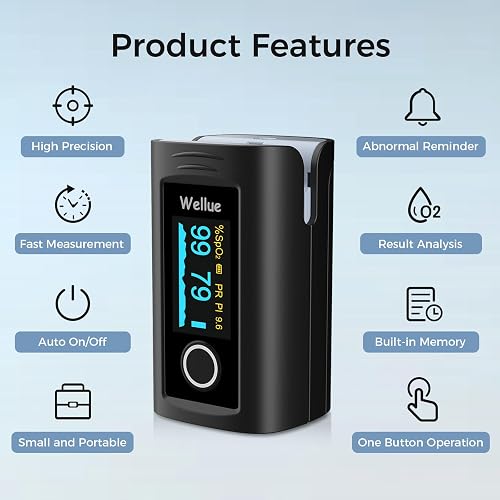
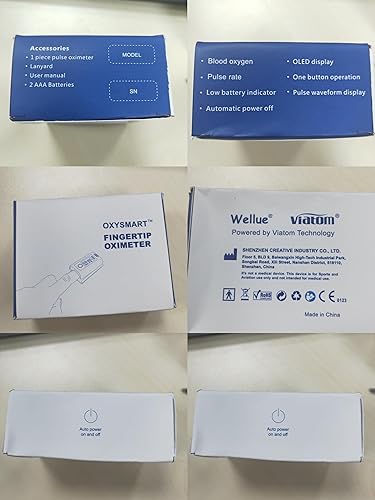
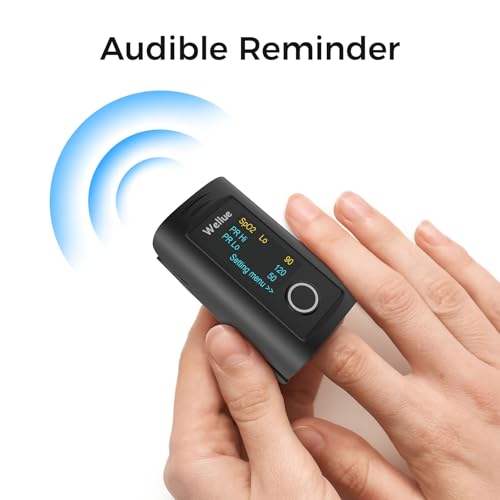
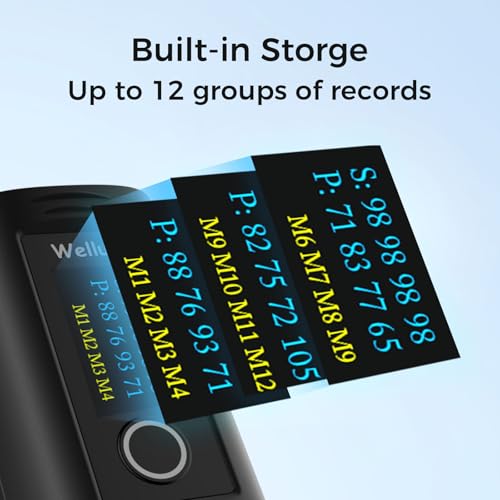
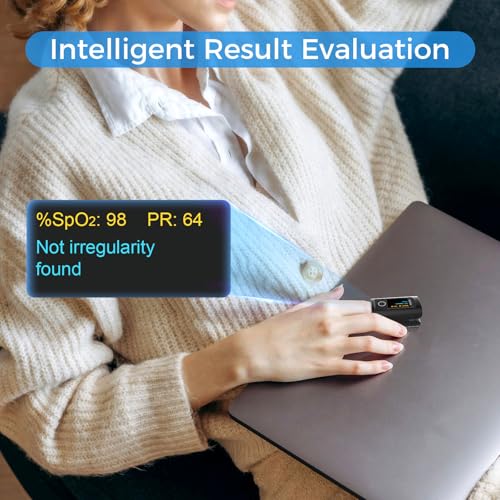
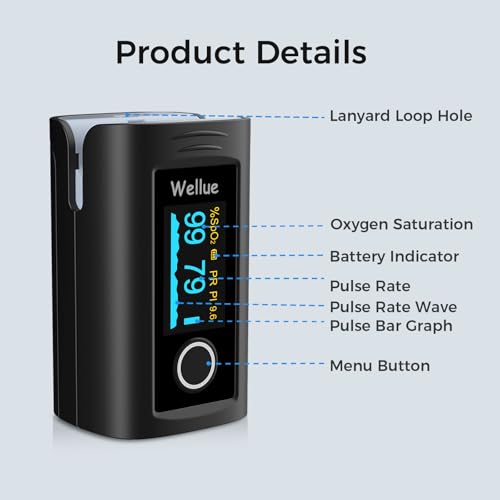
For example, the Health Monitoring Devices category includes options like the Wellue Fingertip Pulse Oximeter, which is described as measuring oxygen level and pulse rate in about 8 seconds, powering on and off automatically, and offering a built-in memory for up to 12 groups of data with an audible and visual reminder if values exceed preset limits. Those features may help reduce the risk of repeated repositioning for a senior who needs to stay comfortable and still, without requiring a tight fit or complex setup.
When choosing any oximeter, look for a clip that opens easily without much finger strength, a screen with large numbers and adjustable brightness, and clear instructions for finger placement. A carry pouch and lanyard can also help keep the device from being dropped or misplaced between uses. More context on display and usability options is in large display BP monitors for elderly with hearing loss, which discusses similar ease-of-use considerations for home monitoring tools.
When to Talk to a Professional Instead
A home oximeter is for general wellness information and is not a medical device, so it is not ideal for diagnosing or managing a health condition on your own. If readings are often missing, unusually low, or very different from how your loved one looks and feels, contact a doctor, physician, or healthcare provider promptly rather than trying to troubleshoot repeatedly at home.
This type of fingertip device is also not a good fit if the senior has significant finger deformity, severe Raynaud’s symptoms with very cold fingers, wounds or bandages on all fingertips, or tremor that makes it hard to stay still long enough for a reading. In those situations, a clinician or occupational therapist can suggest alternative monitoring approaches or check whether another method is more appropriate.
Seek professional guidance right away if you notice signs that need urgent attention, such as new confusion, shortness of breath, chest discomfort, bluish lips or face, or a reading that stays low and does not improve after repositioning and warming. Bring your notes about which fingers you tried and what the device displayed, but do not use the numbers alone to decide on care. Always follow the clinician’s advice for next steps.
Frequently Asked Questions
Does osteoporosis itself make a pulse oximeter less accurate?
No, osteoporosis does not directly affect the light-based sensor. What can affect accuracy are related factors that are common in older adults, such as cold fingers, reduced surface circulation, nail thickness or polish, and difficulty holding still. Addressing warmth, fit, and stillness often helps more than focusing on bone density alone.
Why does the oximeter work for me but not for my elderly parent?
Differences in finger warmth, skin thickness, nail condition, and movement can change how quickly a sensor finds a signal. A younger adult with warm, smooth nails and steady hands may get a reading in seconds, while an older adult with cool, dry hands may need warming, a different finger, and a fully supported hand position. Trying the steps above one at a time can reveal which factor matters most.
When should I be concerned about inconsistent readings?
Be concerned if the device often fails to give any reading after warming and repositioning, if numbers swing widely within seconds, or if readings do not match how your loved one appears. In those cases, check batteries, try another finger, and contact a healthcare provider for guidance. Do not rely on a single number to make health decisions, and follow the device instructions that it is for sports and aviation wellness use only.
Browse more picks in our Health Monitoring Devices category, or see our related guide on Medline Bed Wedge Pillows for Elderly Support in 2026.






Write Your Review
No reviews yet. Be the first to share your experience!