

Quick Answer
If your transfer belt feels like it is slipping, digging in, or not giving you a secure hold during hip replacement recovery, the most common fix is fit and hand placement, not pulling harder. A snug, level fit over clothing at the natural waist, plus a palms-up underhand grip, often helps you guide movement more steadily while you follow the hip precautions from the care team.
Why This Happens
A transfer belt is meant to give you a secure place to hold, not to lift a person straight up. When it rides up, twists, or feels loose, you lose that steady hold and the senior may feel unstable or hesitant to move.
Always check with a healthcare provider or physical therapist before making mobility changes for a senior recovering from hip replacement. They can confirm hip precautions, weight bearing limits, and whether a belt is appropriate at all for this stage of recovery.
Common reasons a belt does not work well include wrong position, wrong size, or clothing that is too slippery or bulky. A belt worn too high over the ribs or too low over the hips can shift, and a belt that is too loose can rotate during a stand or pivot.
Technique also matters. Gripping the belt from above with fingertips, pulling on clothing, or trying to do a full lift instead of a guided stand and pivot can make the belt feel ineffective and increase strain for both of you. For background on belt styles you can compare options in this NOVA gait belt review for elderly.
Practical Steps to Try
- Check fit and placement first. Put the belt snug over a thin layer of clothing at the natural waist, not over a bulky sweater and not on bare skin. You should be able to slide flat fingers under it but not make a fist. Keep it level all the way around and recheck after the person sits or stands, since sitting can shift the position.
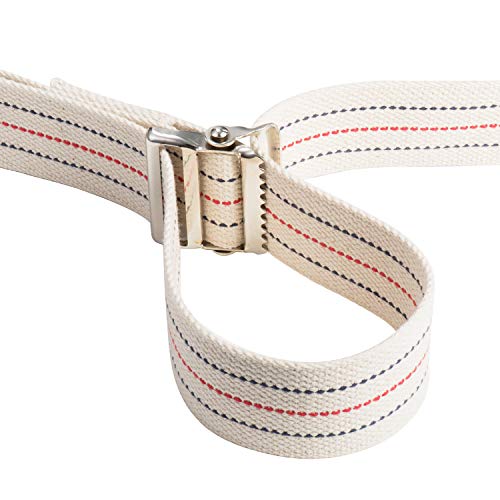
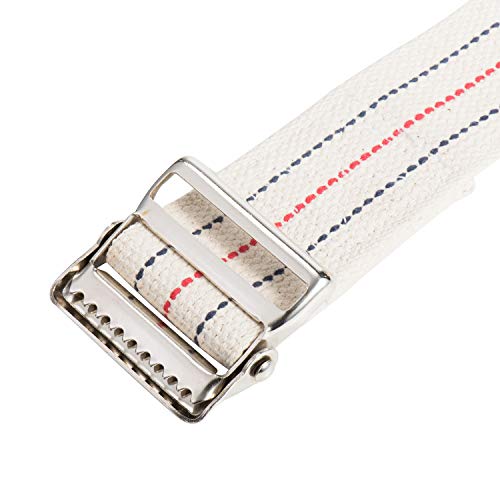
- Secure the buckle correctly and confirm comfort and breathing. For a metal buckle, thread it as directed and confirm the teeth engage and the belt stays flat without twisting. Ask the senior if they can breathe and cough comfortably and if the belt feels too tight or too loose before you move.
- Use a safe grip and body mechanics. Stand close, keep your back straight and knees bent, and use an underhand grip with palms up through the belt. Guide the movement slowly on the count of three, and avoid yanking the belt or pulling on arms, which may help reduce the risk of strain for both of you.
- Prepare the environment and follow precautions. Make sure the chair or bed is at a height that allows the senior to push up with arms if allowed, feet are flat and non-slip, and a walker is within reach. Follow the specific hip precautions given by the care team, such as avoiding bending past 90 degrees or twisting, and keep movements small and controlled.
- Evaluate if the current belt matches the task. A simple narrow webbing belt may not give enough grip for a person who needs more support during early recovery. If you need more hand positions or padding, consider whether a different design might be more manageable. You can explore broader transfer options in Stair Lifts & Transfers and general support ideas in Mobility Aids.
When a Product Can Help
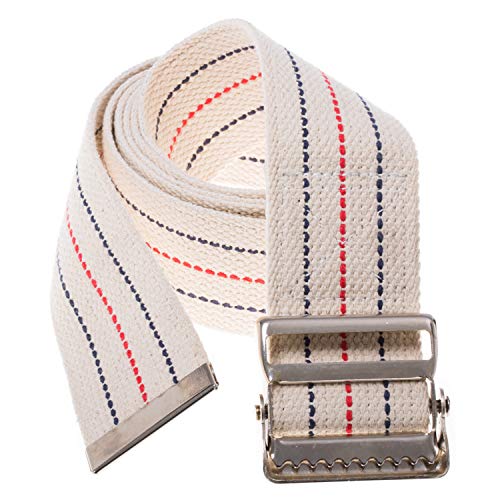
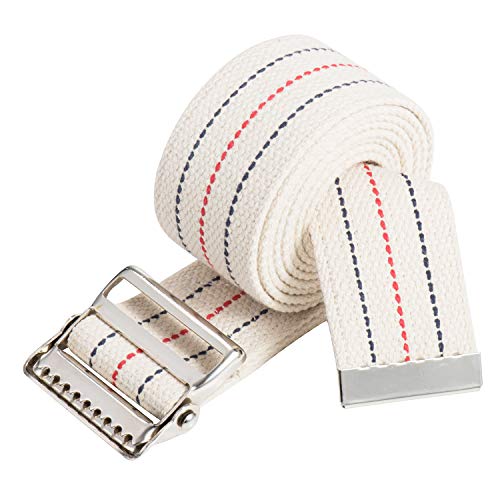
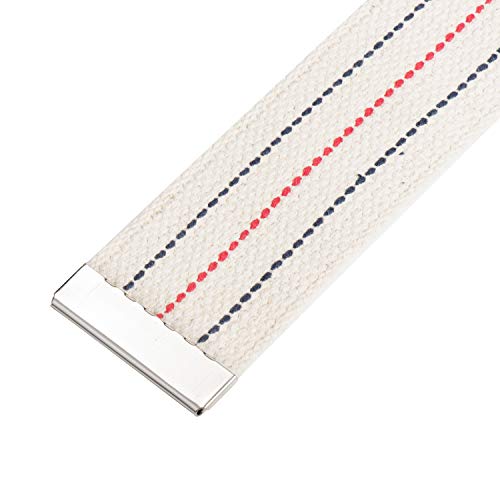
When fit and technique are correct but you still feel you do not have a steady hold, a different belt design is one common option to try. A belt with a secure metal buckle, 2 inch wide cotton webbing, and a rating to hold up to 350 lbs when used as directed may help you keep a consistent grip without shifting, especially when you need to guide short stands and pivots during recovery.
This guide contains affiliate links, and we may earn a commission if you buy through them, at no extra cost to you.

Prime COW&COW Gait Belt with Metal Buckle 60 Inch


As an Amazon Associate we earn from qualifying purchases. Product prices and availability are accurate as of the date/time indicated.
When to Talk to a Professional Instead
A transfer belt is not ideal for a senior who cannot bear any weight, has severe pain, dizziness, new swelling, or wound concerns after hip replacement, or who has been told to avoid certain movements entirely. In these cases a belt alone is not the right choice and trying to force a stand may increase risk.
Talk with a physician, physical therapist, or occupational therapist promptly if the senior feels unstable even with help, if the belt leaves marks, causes pain, or rides up despite correct fit, or if you notice increased confusion or fatigue that makes transfers unsafe.
A clinician can assess whether a walker, raised seating, bed height adjustment, or a different transfer aid is more appropriate, and can show you safe hand placement that respects hip precautions. They can also confirm when it is safe to progress activity and when to pause and rest.
If transfers require more than one person, if the senior has had a recent fall, or if you feel strain in your own back or shoulders, pause home attempts and seek professional guidance before continuing. This is not a good fit for a do-it-yourself fix when safety feels uncertain.
Frequently Asked Questions
Can I use a transfer belt to lift a senior completely off the bed after hip replacement?
No, a transfer belt is for guiding and steadying during a stand or pivot, not for lifting a person’s full body weight. Always follow the care team’s instructions for weight bearing and movement limits, and ask a physical therapist to demonstrate safe technique.
Why does the belt keep riding up or twisting?
This often happens when the belt is too loose, worn over slippery fabric, or not level around the waist. Try a snug, flat fit over a thin, non-slippery layer, recheck after position changes, and use an underhand grip that keeps the belt from bunching.
What if the senior says the belt is uncomfortable or hurts?
Stop and recheck fit and placement, and make sure it is not too tight or pressing on incisions, ribs, or the stomach. If discomfort continues, or if you have concerns about skin, breathing, or hip precautions, check with a healthcare provider before trying again.
Browse more picks in our Stair Lifts & Transfers category, or see our related guide on Stair Lift Height Guide for Elderly in 2026.









Write Your Review
No reviews yet. Be the first to share your experience!