

Quick Answer
If a transfer belt is not working well for a senior with hearing loss, the most common reason is a breakdown in communication, not the belt. The senior may not hear your verbal cues to stand, lean, or step, so you both move out of sync. Try replacing spoken instructions with clear visual signals, agreed-upon touch cues, and a correctly fitted belt before you change equipment.
Why This Happens
Transfer belts and gait belts depend on teamwork. You cue, the senior responds, and you support the movement together. When hearing loss is involved, a quiet voice, a cue given from behind, or background noise can mean the senior misses the instruction entirely and feels surprised or unsteady.
Always check with a healthcare provider or physical therapist before making mobility changes for a senior in your care, especially if transfers feel unsafe or the senior has had recent falls, surgery, or new weakness. They can confirm whether a belt is appropriate and show safe handling for your specific situation.
Other common reasons a belt seems to not work include fit and placement. A belt that is too loose, too high, riding over soft clothing, or twisted will not give you a stable grip. A belt that is too tight can be uncomfortable, so the senior tenses up or resists movement, which makes the transfer harder for both of you.
Environment and approach also matter. Speaking while standing behind the senior, dim lighting that hides your face and gestures, and rushing the transfer can all reduce understanding. For seniors who use hearing aids or amplifiers, a dead battery, feedback, or not wearing the device during the transfer can have the same effect. You may find it helpful to review guidance on hearing amplifier vs stair lift for elderly if hearing support is part of your daily routine.
Practical Steps to Try
Try these steps in order, starting with the easiest communication fixes. Stop and reassess if the senior reports pain, dizziness, or strong resistance.
- Agree on simple nonverbal signals before you move. Face the senior at eye level, make eye contact, and show what will happen next. For example, hold up one finger for “ready,” two for “stand,” and use a gentle, consistent tap on the shoulder or arm as the “go” signal. Keep signals the same every time so they become familiar.
- Optimize hearing and visibility. Make sure hearing aids or amplifiers are in place and turned on, reduce background noise from TV or water, and face the senior in good light so they can see your mouth, gestures, and hand placement. Speak slowly and clearly without shouting, and give one short instruction at a time while pausing to confirm understanding.
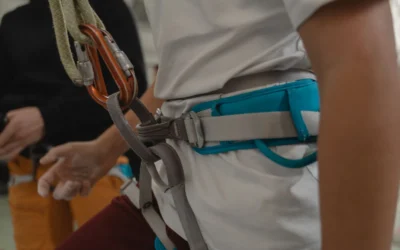
- Check belt fit and placement. The belt should be snug over clothing around the waist, not over the ribs or hips, and you should be able to slide a flat hand underneath but not make a fist. It should lie flat without twists or wrinkles, and the buckle should be centered in front and secured as the manufacturer directs. Avoid placing the belt over bulky sweaters or slick fabrics that can shift.
- Use steady touch and pacing. Keep your grip on the belt handles or the belt itself from the sides or back, not pulling on clothing. Count visually with fingers or a gentle rocking motion so the senior can feel the rhythm. Move slowly, pause between steps, and watch the senior’s face and feet for signs they are ready for the next move.
- Simplify the transfer setup. Position the chair and bed at a similar height when possible, lock wheels, clear clutter, and ensure the senior’s feet are flat and footwear is non-slip. If you use a stair lift or other equipment in the same home, confirm the overall path is safe and well lit, as discussed in How High Should Stair Lift Be for Elderly? 2026 Height Guide, so you are not rushing a transfer to navigate a tight space.
When a Product Can Help
A different belt can help when your current one is hard to grip, slips, or does not fit the senior’s body well, even after you have improved communication. If the belt is frayed, stretched, has a weak buckle, or is the wrong length, replacing it with a design that stays in place and offers a secure grip may help reduce the risk of a sudden loss of support.
This guide contains affiliate links, and we may earn a commission if you buy through them, at no extra cost to you.

Prime Winteriew Gait Belt 60 Inch for Seniors


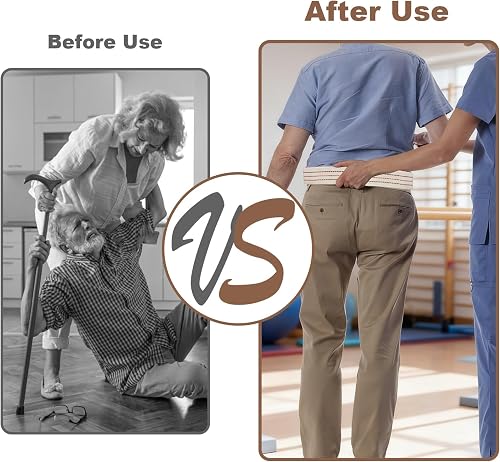


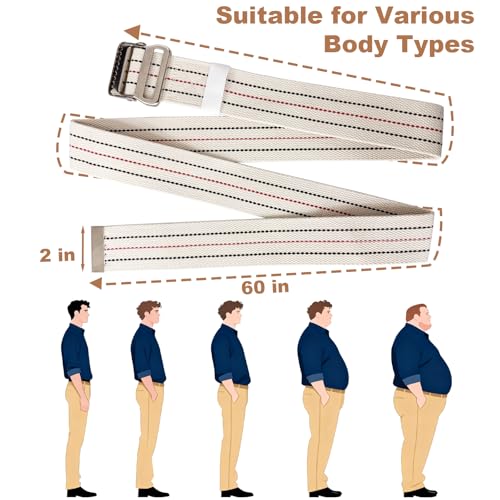
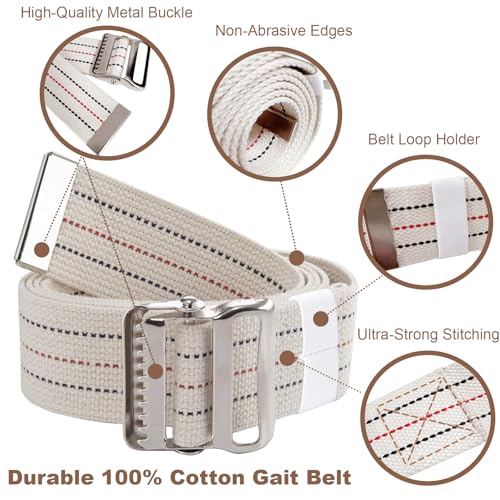
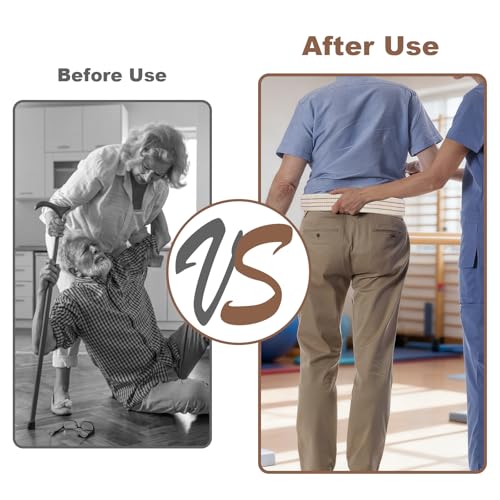
As an Amazon Associate we earn from qualifying purchases. Product prices and availability are accurate as of the date/time indicated.
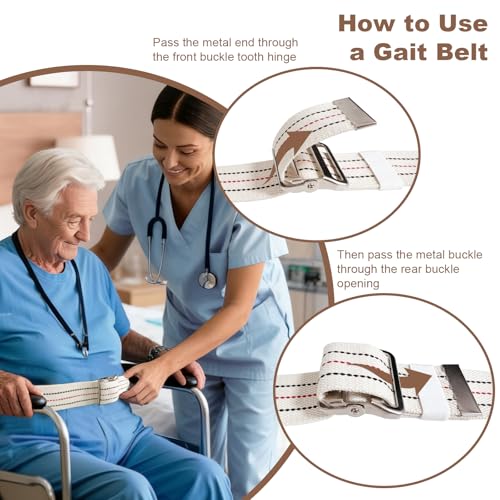
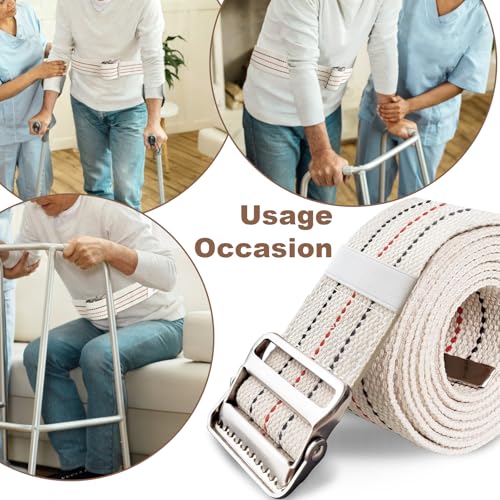
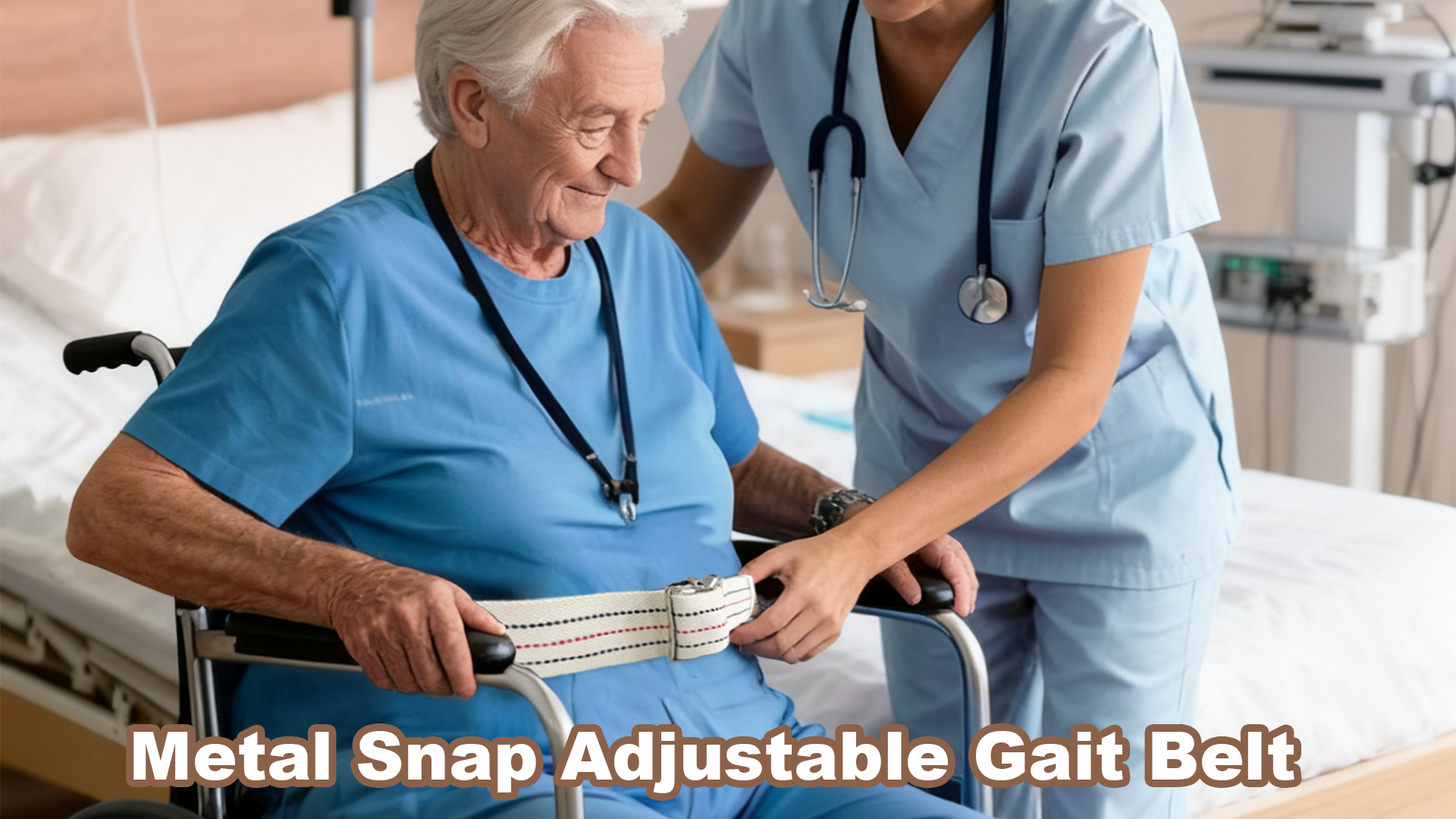
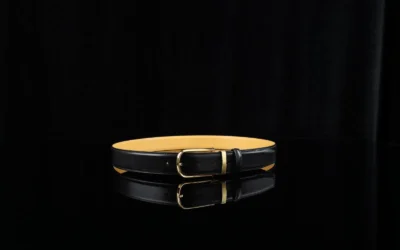
One practical option some caregivers consider is the Gait Belt for Seniors 60inch from Winteriew. According to its description, it uses a 100 percent high-density cotton webbing that is designed to stay in place without stretching, is 2 inches wide and adjustable to 60 inches to fit various body types, and has a metal buckle with reinforced stitching. It is also described as machine washable in cold water and suitable for use as a gait and transfer aid in home and care settings, which may be useful when you need a simple, durable belt for daily support.
When to Talk to a Professional Instead
A transfer belt is not ideal for a senior who cannot follow directions due to significant hearing loss combined with confusion, who has very low weight-bearing ability, recent surgery, or severe pain with movement, or when you need to lift more than a small amount of weight. In those cases, a belt alone does not provide enough support and may increase strain for both of you.
Talk with a physician, physical therapist, or occupational therapist if transfers routinely require heavy pulling, the senior’s legs give way, you notice new unsteadiness, or communication strategies are not improving cooperation. They can evaluate whether a different aid, such as a transfer sling with handles, a sit-to-stand device, or a stair lift, is more appropriate, and they can teach safe techniques tailored to the senior’s hearing needs and home layout.
This is also the right choice if you feel you might lose your balance or the senior feels afraid during transfers. A professional can review the home setup, the senior’s footwear, and your body mechanics, and recommend next steps that support safer daily movement without promising that any single product will remove all risk.
Frequently Asked Questions
Why does my senior not respond when I use a transfer belt?
Often they did not hear or see the cue. Try facing them, using a visual count with your fingers, and adding a consistent gentle tap as the go signal. Confirm they are ready before you apply support through the belt.
Should I shout instructions during a transfer?
Shouting can distort words and startle the senior. It is usually more helpful to reduce background noise, speak clearly in a normal tone close to their better-hearing side, and rely on eye contact, gestures, and touch cues.
How do I know if the belt is the problem?
Check for slipping, twisting, or a loose fit that shifts when you grip it. If the belt is worn, stretched, or hard to hold, and communication fixes do not help, consider a replacement with a secure buckle and comfortable width that stays in place, and ask a healthcare provider if that style is suitable.
Browse more picks in our Stair Lifts & Transfers category, or see our related guide on Stair Lift Height Guide for Elderly in 2026.



Write Your Review
No reviews yet. Be the first to share your experience!