

Quick Answer
If your stair lift feels unsafe during hip replacement recovery, the most common issue is how you get on, sit, and get off, not the lift itself. Check that the seat height lets you sit without twisting or leaning far, keep the footrest clear and feet flat, and use armrests and hand controls slowly with a pause at the top and bottom before standing.
Why This Happens
A stair lift can feel unsteady after hip surgery because your movement patterns have changed. You may be avoiding bending, shifting weight differently, or moving more slowly, which makes the usual way of sitting and swiveling feel off balance.
Fit and setup also matter. If the seat is too low or too high, you may need to lean or scoot, and if the footrest is cluttered or the track area has rugs or cords nearby, footing can feel less secure. Always check with a healthcare provider or physical therapist before making mobility changes for a senior in your care.
Controls and timing can add to the unease. Stopping abruptly, trying to stand before the chair has fully stopped and swiveled, or reaching for items while the lift is moving can make you feel less stable. A calm, consistent routine helps you stay centered.
Finally, a stair lift alone may not cover every need during early recovery. You still need clear space to approach the lift, a stable surface to stand from, and a plan for what to do if you feel dizzy or fatigued mid transfer. For ideas on proper positioning, you may find How High Should Stair Lift Be for Elderly? 2026 Height Guide helpful as you review seat and footrest height.
Practical Steps to Try
- Set up a safe approach and seating position. Clear the area at the top and bottom of the stairs of rugs, cords, and clutter. Adjust the seat and armrests so you can sit down and stand up with minimal leaning, keep your back against the seat, and place both feet flat on the footrest. If the lift has a swivel seat, try locking it fully forward before you sit and only swivel when the lift has completely stopped at the landing.
- Use slow, steady controls and pause before standing. Keep the control pressed steadily instead of pumping it, and let the lift come to a full stop before you move. Pause for a few seconds at the top and bottom, hold both armrests, and check that your feet are positioned before you stand. Ask a family member to stand nearby during the first few uses until the routine feels familiar.
- Support the transfer on and off the lift. Place a sturdy chair or landing surface at the same height nearby if your care team suggests it, and keep a walker or cane within reach at both landings so you do not need to reach or twist. One common option is to have a caregiver stand on the side you naturally turn toward, offering a steady arm without pulling you. For extra support during transfers, review options like a NOVA gait belt review for elderly and discuss with your provider whether a belt is appropriate for your situation.
- Check safety features and power every week. Confirm the seat belt or strap buckles easily, armrests lock, footrest folds smoothly, and safety sensors are clean and unblocked. If your model has a battery backup, check the indicator light and keep the lift on its charger when not in use so it is ready if the power goes out. Keep the track free of dust and objects and follow the manual for cleaning.
- Build a consistent routine and rest plan. Try to use the lift at times when you are not rushed or overly tired, wear non slip, closed toe shoes, and keep hands free of bags or laundry while riding. Plan to sit for a moment after arriving at the landing before standing, and keep a phone or call button nearby at both levels. You can explore more general guidance in the Stair Lifts & Transfers section for additional setup ideas.
When a Product Can Help
A product may help when the stair lift itself is not the right tool for every situation, such as when you need to move between a few steps at an entry or when two people are needed to assist safely. In those cases, a portable transfer chair that can be folded and stored may help reduce the risk of strain during short carries with a helper, while you continue to use the stair lift for the main staircase.
This guide contains affiliate links, and we may earn a commission if you buy through them, at no extra cost to you.

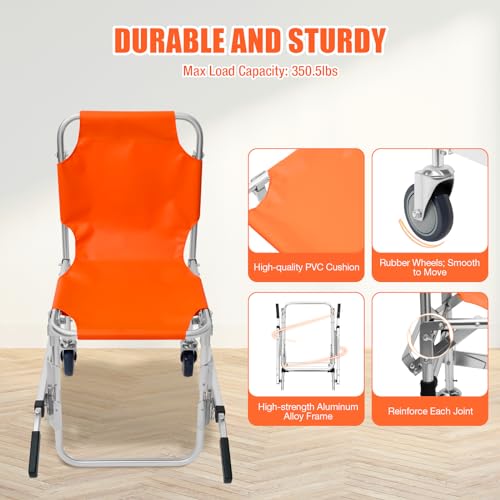
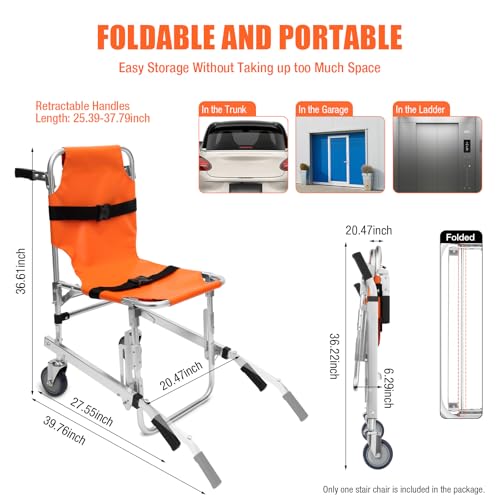
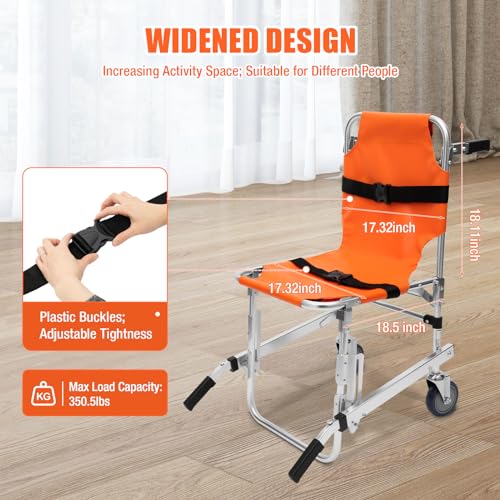
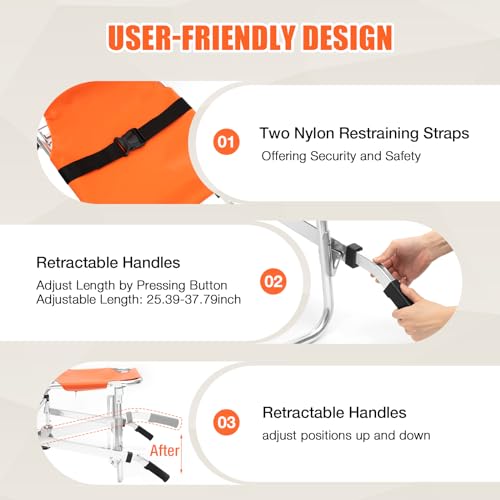
Prime SpaceBovae Foldable Stair Chair with Detachable


As an Amazon Associate we earn from qualifying purchases. Product prices and availability are accurate as of the date/time indicated.
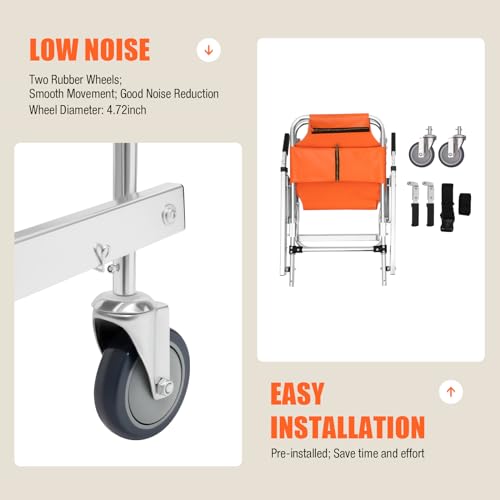
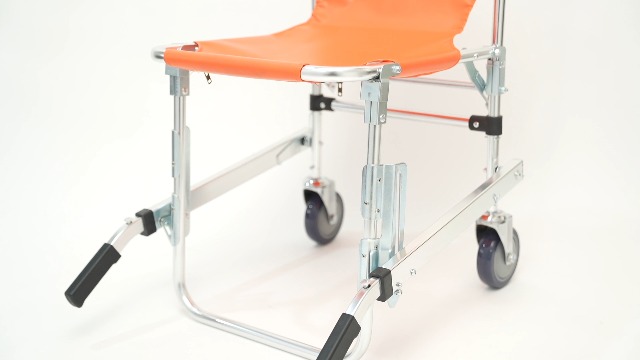
The Foldable Stair Chair, Stair Lifts For Seniors is described as having a high strength aluminum alloy frame with a chromium plating process, a PVC cushion, and a seat that measures 17.32 by 18.5 inches, with a rating to hold up to 350.5 pounds and two adjustable nylon restraining straps with plastic buckles. Its retractable front handles adjust by button, it has two rubber wheels noted for low noise and smooth movement, and it folds to 36.22 by 20.47 by 6.29 inches for storage in a garage or trunk. This type of chair is not a replacement for a fixed stair lift, but one common option is to keep it available for assisted transfers over a small set of steps when a caregiver is present and your care team agrees it is appropriate.
When to Talk to a Professional Instead
If dizziness, increased pain, swelling, or new difficulty bearing weight makes the lift feel unsafe, pause use and contact a physician, physical therapist, or occupational therapist for guidance. They can review seating height, transfer technique, and whether additional support at the landings is needed.
This stair lift focused routine is not ideal for seniors who cannot sit upright steadily, who need to be carried without caregiver help, or whose staircase is curved, too narrow, or has loose steps and handrails. In those layouts, a standard straight stair lift and a portable chair may not be the right choice, and a professional assessment of the home is a safer next step.
Also skip this approach if the lift shows mechanical issues such as unusual noises, jerky movement, or sensors that do not respond, or if the chair does not lock in place. A qualified installer or the manufacturer service team should evaluate the equipment before you continue use.
Frequently Asked Questions
How should I sit on the stair lift after hip replacement?
Sit fully back with both feet flat on the footrest and hands on the armrests, and avoid twisting your body while the lift is moving. Wait until the lift has fully stopped and the seat is locked in position before you swivel or stand, and check with your physical therapist about the best way to move for your specific precautions.
What makes the top and bottom of the stairs safer?
Keep both landings clear, well lit, and free of loose rugs, and keep your walker or cane right at the landing where you will stand. Try to pause briefly after the lift stops to steady yourself before standing, and have a caregiver nearby if you feel fatigued.
Do I still need help if I have a stair lift?
Many people still benefit from having someone nearby during early recovery, especially for the sit to stand parts of the transfer. A helper can steady the walker, manage doors, and ensure the footrest is folded correctly, which may help reduce the risk of a misstep.
Browse more picks in our Stair Lifts & Transfers category, or see our related guide on Stair Lift Height Guide for Elderly in 2026.






Write Your Review
No reviews yet. Be the first to share your experience!