

Quick Answer
If your portable toilet for travel is not working well for a senior recovering from a hip replacement, the most common reason is that it is too low, too lightweight, or does not provide steady arm support for safe sitting and standing. Try checking the seat height against hip precautions, confirming the base is on a flat, non slip surface, and making sure armrests or a stable frame are within easy reach before you decide to replace it.
Why This Happens
Travel toilets are designed to be light and packable, which can make them less stable than a home commode. Always check with a healthcare provider or physical therapist before making mobility changes for a senior in your care, especially during hip replacement recovery.
Many travel models sit lower than the height a clinician recommends after hip surgery. When the seat is too low, the senior may need to bend the hip more than advised, which can feel unstable and make standing up harder. A higher, level seat with firm arm support is often easier to use.
Stability is another common issue. Inflatable or very light frames, small suction cups, or uneven ground in a car, hotel, or campsite can allow the unit to shift. Without a broad, steady base and non slip feet, the senior may not feel secure, and caregivers may find it hard to assist.
Finally, the product may simply be the wrong match for the situation. A portable travel seat that works for a short trip may not provide the everyday support needed at home during recovery. In those cases, a sturdier bedside option with a proper frame and bucket system may be more practical than trying to adapt a travel unit.
Practical Steps to Try
These general household checks may help reduce the risk of slipping or straining and improve comfort. Try the easiest steps first and stop to reassess if anything feels unsafe.
- Check seat height and hip position. Measure from the floor to the top of the seat and compare it to guidance from the senior’s physical therapist. If the seat is well below knee height, look for a raised option that helps keep the hips from bending too deeply and keeps feet flat on the floor.
- Confirm a level, stable setup. Place the unit on a hard, flat, dry surface and check that all legs or supports contact the floor evenly. Make sure locking mechanisms are engaged and that non slip feet are clean and not worn. Avoid thick rugs, soft ground, or tilted surfaces.
- Improve support for sitting and standing. Check that armrests are secure, at a comfortable height, and easy to grip with both hands. If the travel unit has no arms, consider whether a frame with sturdy armrests would be more supportive. A car handle assist or similar transfer aid near the vehicle can also help with the step in and out of the car before using the toilet.
- Plan the transfer path. Position the walker or cane within arm’s reach, clear clutter, and ensure good lighting. For car travel, a swivel cushion for the car may help the senior turn and stand with less twisting, which is often helpful when hip movement is limited.
- Review setup, weight limits, and cleaning. Check the product’s rated weight capacity and assembly instructions, and make sure all push pins or clips are fully seated. If cleanup is difficult, a removable bucket with a lid can make caregiving easier and may help the unit get used more consistently.
If you travel often, also consider how the unit fits in your vehicle and lodging. Some families find it helpful to keep a lightweight travel seat for short outings and a more stable commode at their destination. You can explore more options in the Car & Travel Aids section.
When a Product Can Help
A product change is a reasonable next step when height, stability, or arm support cannot be improved with simple adjustments, or when the travel unit was never intended for extended recovery use. In those cases, a sturdier 3 in 1 style commode that can also work over a toilet may be more practical than continuing to adapt a lightweight travel seat.
This guide contains affiliate links, and we may earn a commission if you buy through them, at no extra cost to you.

Prime Dr. Dunley 3-in-1 Bedside Commode Chair



As an Amazon Associate we earn from qualifying purchases. Product prices and availability are accurate as of the date/time indicated.
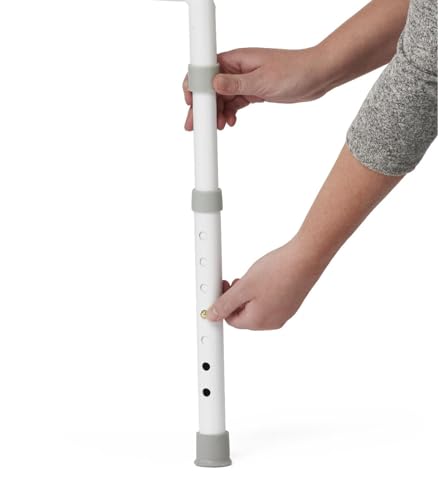
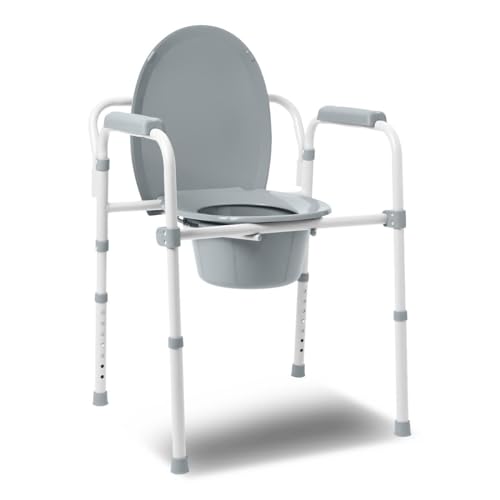
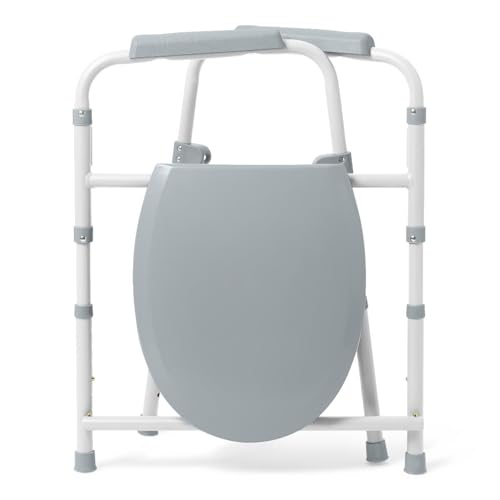
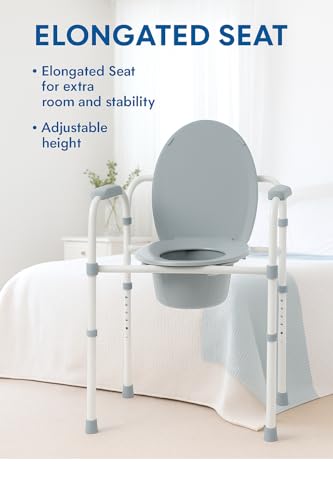
The Dr. Dunley 3-in-1 Bedside Commode Chair is one practical option caregivers consider when a travel toilet is not working well at home. According to its product description, it functions as a bedside commode, toilet safety frame, or elevated toilet seat, with a powder coated steel frame rated to support up to 350 lbs, an elongated seat for comfort, and a removable 7.5 quart bucket with lid and splash guard. Tool free assembly and a clip on seat are listed as features that may help with setup and cleaning, though you should still confirm fit in your bathroom and follow all instructions.
This type of commode is not ideal for very tight bathrooms where the frame cannot be placed level around the toilet, or for travel where you need an ultra compact inflatable seat that fits in a small bag. It is also not a good fit if the senior needs a bariatric capacity above its rated limit or requires a drop arm design for lateral transfers, in which case a different style may be more appropriate.
When to Talk to a Professional Instead
Home adjustments are not the right choice when the senior has new or worsening pain, swelling, a feeling that the hip may give way, or increased unsteadiness that makes transfers unsafe. In those situations, pause use and contact a physician, physical therapist, or occupational therapist for guidance on safe equipment and technique.
A professional should also be consulted if hip precautions seem hard to follow with the current setup, if the senior needs hands on assistance for every transfer, or if the home layout creates steps, narrow doorways, or other barriers that a product alone cannot solve. A therapist can assess seat height, arm support, and placement, and suggest safer alternatives.
For broader mobility planning during recovery, you may find it helpful to review related topics such as how high a stair lift should be for elderly users if stairs are part of the daily routine. Always route questions about medical recovery, balance, or fall risk to a qualified healthcare provider rather than relying on product descriptions alone.
Frequently Asked Questions
Why does our travel toilet feel so low and hard to stand up from after hip replacement?
Many travel toilets sit lower than a standard toilet or bedside commode to save space and weight. A low seat requires more hip bending and leg strength to stand, which can feel unsteady during recovery. Checking the seat height and using a properly rated raised option with firm armrests may help reduce the effort needed.
Can we make a wobbly portable toilet more stable for a senior?
Try placing it on a hard, level surface, confirming all legs and locks are fully engaged, and checking that feet or suction features are clean and intact. If it still shifts, rocks, or feels insecure, it may not be the right design for the senior’s needs and a sturdier frame style should be considered.
Is a bedside commode better than a travel toilet during hip replacement recovery?
For extended home recovery, many caregivers find a bedside commode with a stable steel frame, supportive armrests, and a removable bucket easier to use than a lightweight travel seat. Travel seats can still be useful for short trips, but for daily use, stability, correct height, and ease of cleaning often matter more than packability.
Browse more picks in our Car & Travel Aids category, or see our related guide on Car Mattresses for Seniors with Low Vision in 2026.










Write Your Review
No reviews yet. Be the first to share your experience!