

Quick Answer
If your portable toilet for travel feels unsteady, too low, or painful to use for a senior with arthritis, the most common cause is a mismatch between the toilet height, arm support, and the surface it is on, not just the toilet itself. Try checking that all legs are locked at the same height, placing it on a flat non slip surface, and making sure the armrests are at a height where your loved one can push up without bending wrists sharply, before you decide to replace it.
Why This Happens
Travel portable toilets are built to be light and compact, so they can feel less steady than a home bathroom setup. For a senior with arthritis, stiff or sore fingers, wrists, and knees make it harder to grip small handles, balance while turning, or push up from a low seat, which makes any wobble feel more noticeable.
Height is often the hidden issue. A seat that is even one or two inches too low asks for more knee and hip bending and more pressure through the hands and wrists to stand. A seat that is too high can leave feet dangling and reduce stability. Either one can make a travel model feel like it is not working well, even if it is assembled correctly.
Setup and surface matter too. Legs that are not fully locked, a bucket that is not seated evenly, or placement on carpet, uneven ground, or a slick bathroom floor can create rocking. Small travel frames may also have narrower armrests or thinner padding, which can be uncomfortable for longer sitting and harder to hold for someone with limited hand strength.
Always check with a healthcare provider, physician, occupational therapist, or physical therapist before making mobility or toileting changes for a senior in your care, especially if arthritis affects balance or if there is a history of falls. This is general household guidance and not medical advice, and a professional can help confirm what height and support are appropriate.
Practical Steps to Try
- Check height and lock all adjustments evenly. Set the seat so your loved one can sit with feet flat and knees roughly at hip level, then make sure each leg push pin clicks fully into the same numbered hole. Try sitting and standing once with a caregiver nearby to see if the height feels supportive without forcing the wrists to bend. If you use a car travel setup, also review how the senior gets in and out of the vehicle, as a car handle assist may help reduce strain before they even reach the portable toilet.
- Improve stability where you place it. Use the toilet only on a firm, flat, dry surface and confirm that all feet and non slip tips touch the ground with no rocking. Avoid thick rugs, soft mats, or sloped ground at campsites or in hotel bathrooms, and keep the area clear of cords, bags, and wet towels. If the floor is slick, a non slip bath mat placed fully under the frame may help reduce sliding, but it should not create a new trip edge.
- Make gripping and pushing up easier. Look for wide, padded armrests that allow a full palm press rather than a tight finger grip, which can be kinder on arthritic hands. Keep the armrests dry and clear, and encourage your loved one to push up with both hands at the same time while leaning slightly forward, with a caregiver offering steadying support at the hips or gait belt if a therapist has shown you how. A swivel cushion for the car can also reduce twisting when moving between the car seat and the portable toilet during travel days.
- Adjust the surrounding setup for less strain. Keep toilet paper, wipes, and hand support within easy reach so there is no need to twist or reach far while seated. For travel, bring a small footrest if feet do not reach the floor comfortably, and allow extra time so your loved one does not feel rushed, which can increase the risk of a misstep. Check the bucket, lid, and splash guard are seated correctly so there is no unexpected movement or odor concern that makes the senior hesitant to use it.
- Consider height and space needs for the trip. If the travel toilet will be used over a standard toilet as a raised seat, confirm it fits securely over the bowl without shifting, and that the lid and seat can still be used safely. For guidance on matching seat height to the senior, you may find it helpful to review general height principles similar to how high a stair lift should be for elderly users, which also emphasizes fitting the aid to the person and the space rather than forcing the person to adapt to the aid.
When a Product Can Help
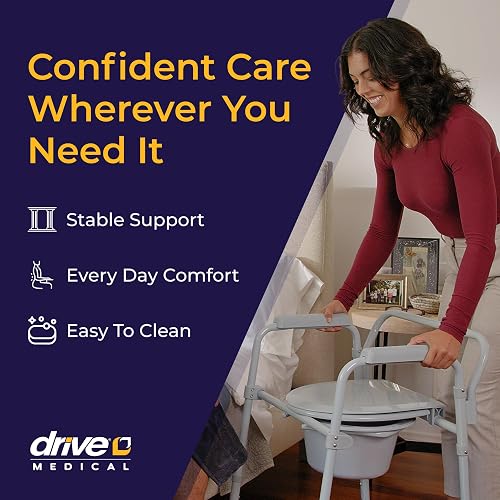
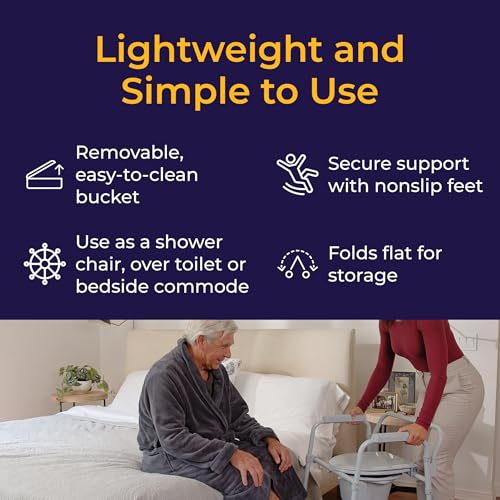
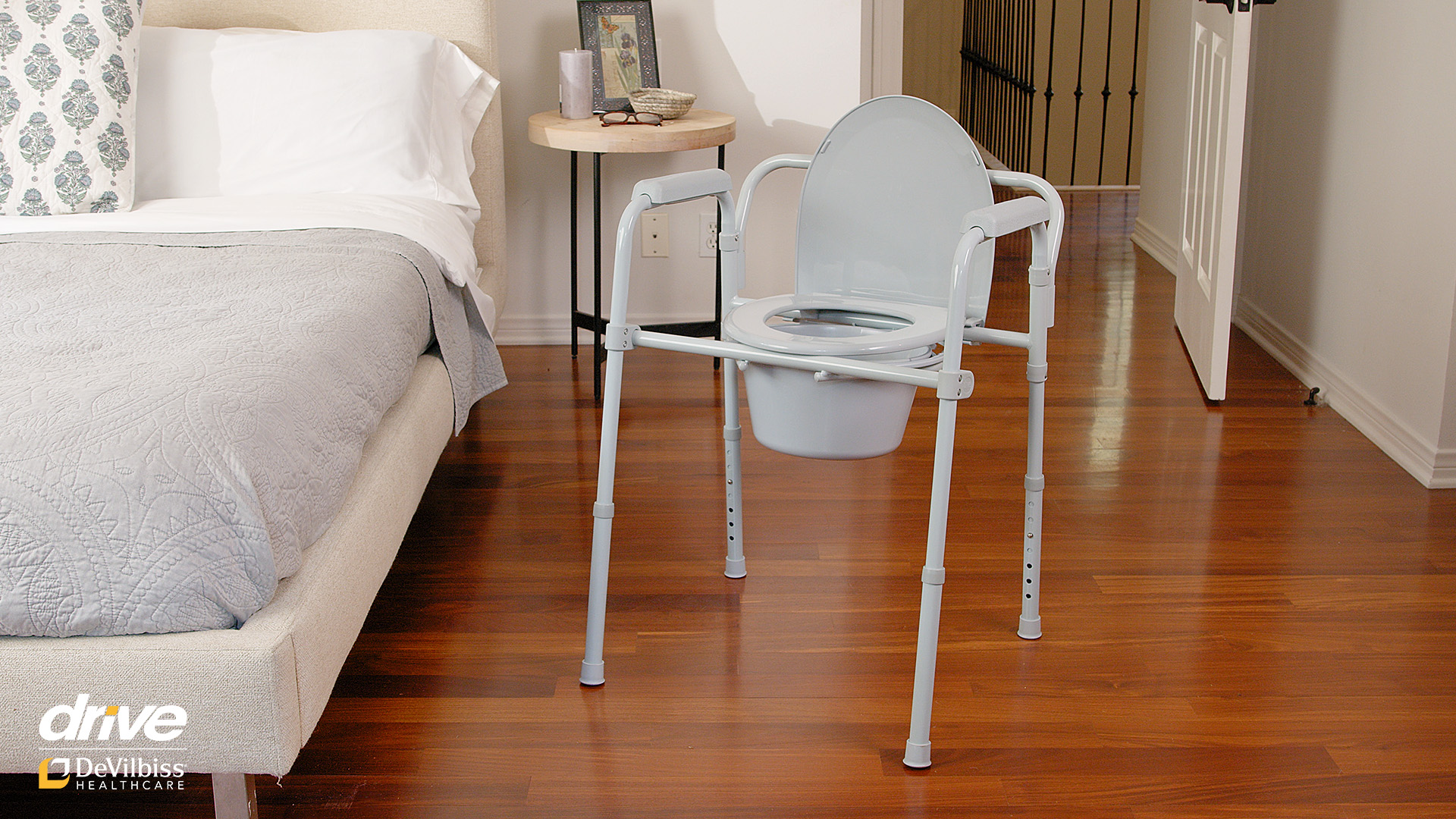
A different product may be worth considering when the travel model remains too low, too narrow, or too flexible even after you have adjusted height and surface. One common option is to try a folding bedside commode with a stronger frame and wider seat that is still portable enough for travel or for use in a bedroom and bathroom at your destination.
This guide contains affiliate links, and we may earn a commission if you buy through them, at no extra cost to you.

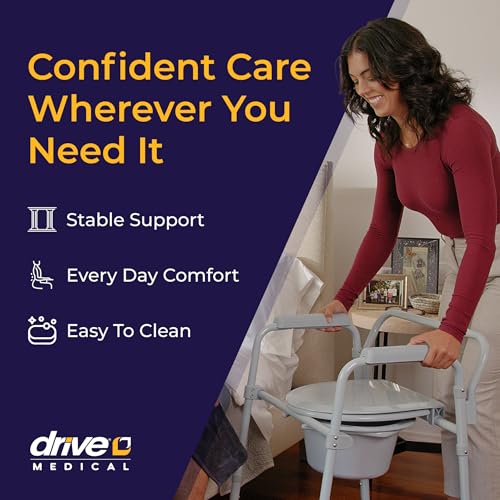
Prime Drive Medical Folding Bedside Commode 3-in-1



As an Amazon Associate we earn from qualifying purchases. Product prices and availability are accurate as of the date/time indicated.
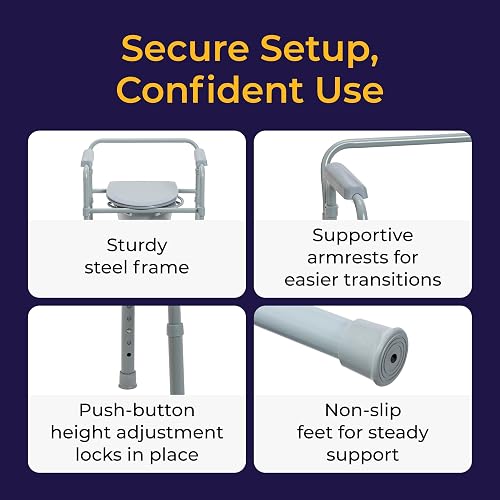
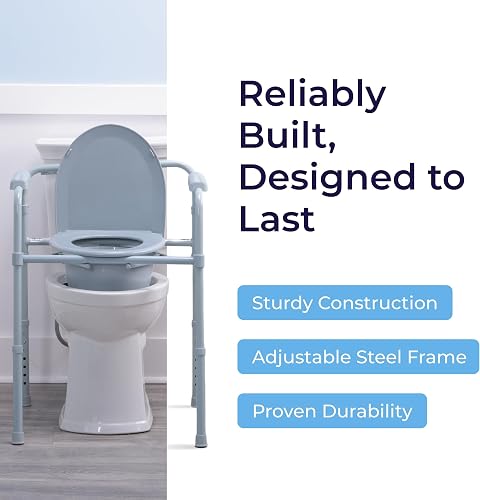
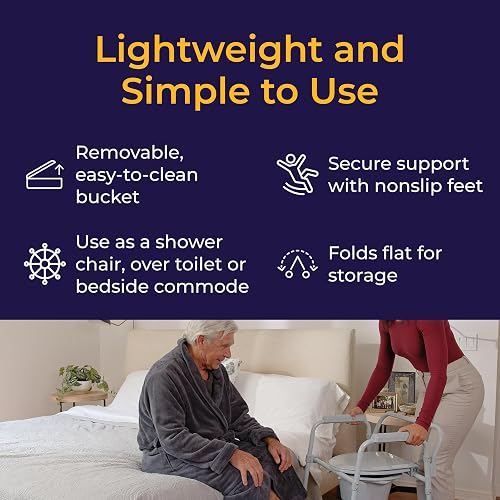
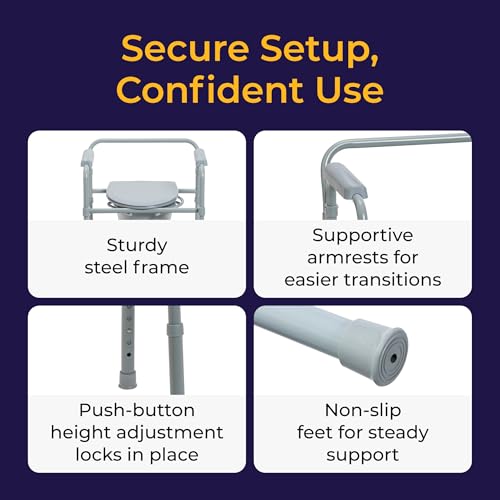
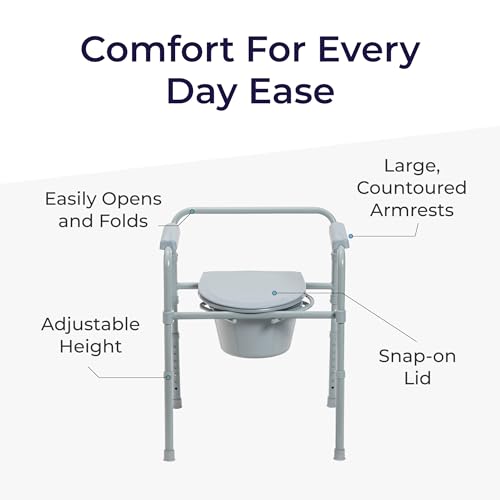
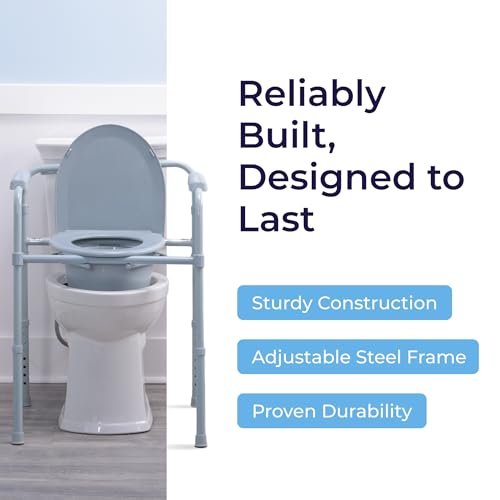
The Drive Medical Folding Bedside Commode is one practical option caregivers often consider in this situation. According to its specifications, it offers a 3 in 1 design for bedside use, as a raised toilet seat, or as a toilet safety frame, with a powder coated steel frame rated to support up to 350 lb, tool free setup with a snap on seat and lid, and push pin height adjustment with supportive armrests. Its fold up legs and 7.5 quart bucket with lid are designed to make transport, storage, and cleanup more manageable when a simple travel toilet is not providing enough stability or comfort, which may help reduce the risk of strain during transfers.
When to Talk to a Professional Instead
Home adjustments are not enough if your loved one has frequent near falls, cannot bear weight through the arms, has significant joint swelling or new pain, or needs to be lifted by another person to stand. In those cases, a portable travel toilet alone is not the right support, and a clinician should evaluate what combination of equipment and assistance is appropriate.
This type of portable travel toilet is not ideal for seniors who need substantial side transfer support from a wheelchair, who have severe balance challenges, or who require a bariatric rated frame beyond what the product specifications support. It is also not a good fit for very small bathrooms or uneven outdoor sites where a stable, flat placement cannot be achieved, or when the senior feels unsafe even with a caregiver nearby.
If you notice increased unsteadiness, skin irritation from prolonged sitting, or hesitation to drink fluids to avoid using the toilet, contact a doctor, physical therapist, or occupational therapist promptly. They can assess strength, joint motion, and home layout and may suggest other aids, placement changes, or personal assistance that better matches your loved one’s needs.
Frequently Asked Questions
Why does our travel portable toilet feel wobbly for a senior with arthritis?
Lightweight travel frames can flex more than home commodes, and uneven leg height or a soft or slick surface can add rocking. Arthritis can also make it harder to grip and steady the body, so even small movement feels less secure. Try re leveling the legs, placing it on a firm flat surface, and confirming all feet make full contact.
Can I make a travel toilet higher and easier to stand from without buying a new one?
Often you can try the built in height adjustment first, raising each leg one notch at a time and keeping all legs at the same setting. Check that push pins lock fully and that feet remain flat on the floor. If that still feels low or hard on the wrists, talk with an occupational therapist about whether a different height range or a sturdier frame would better fit your loved one.
Is a folding bedside commode better than a small travel toilet for longer trips?
For longer stays, many caregivers find a folding commode with a wider seat, stronger frame, and full armrests more comfortable and steady than an ultra compact travel model, while still being portable. Look at overall dimensions, folded size for your vehicle, and rated weight capacity in the product details to see if it fits your travel and home space.
Browse more picks in our Car & Travel Aids category, or see our related guide on Car Mattresses for Seniors with Low Vision in 2026.










Write Your Review
No reviews yet. Be the first to share your experience!