

Quick Answer
If your threshold ramp feels wobbly or slippery for a senior with osteoporosis, the most common fix is to stop all movement, add traction, and add support on both sides. Check that the ramp sits flush against the threshold and does not shift when stepped on, clear any cords or lips underneath, and make sure there is a sturdy handhold within reach. These small stability changes may help reduce the risk of a slip or loss of balance without replacing the whole setup.
Why This Happens
Ramps often feel unsafe because they were placed quickly and never secured. Lightweight ramps can creep forward when a walker, cane, or foot pushes against them, and a small gap at the threshold creates a lip that catches toes or wheels.
Always check with a healthcare provider or physical therapist before making mobility changes for a senior with osteoporosis in your care, since even a minor fall can have serious consequences. They can confirm whether a threshold ramp is appropriate or whether a different approach is safer for your home layout and abilities.
Traction and edge visibility also matter a great deal. A smooth rubber or aluminum surface can be slick when wet, dusty, or worn, and ramps without beveled edges or visual contrast make it hard to judge where the ramp starts and ends, which may increase hesitation and missteps.
Finally, a ramp may not match the person or the doorway. A steep incline, a narrow width for a walker, or no nearby grab bar or railing can make a senior feel unstable even if the ramp itself is solid. For broader entrance ideas, explore the Outdoor & Entrance Safety guide and the general Fall Prevention resources.
Practical Steps to Try
- Secure the ramp so it cannot shift. Place it on a clean, dry, flat surface and check that the entire base contacts the floor. If the design allows, use the manufacturer supplied non slip backing or double sided tape on smooth tile, and confirm the ramp does not slide when you press firmly with your foot from both directions.
- Check the slope and threshold fit. Measure the rise of the threshold and compare it to the ramp height, the ramp should create a gentle transition with no raised lip at the top or bottom. Try a slow pass with the senior’s usual walker or cane to see if the angle feels comfortable and unhurried.
- Improve traction and visibility. Clean the ramp surface to remove dust and moisture, and look for a grooved or textured tread that channels water away. Add high contrast tape at the edges if the ramp blends into the floor, so the start and end points are easy to see in low light.
- Add support on both sides. Make sure there is a secure handrail, wall mounted grab bar, or sturdy furniture alternative within easy reach for the entire crossing. If the senior uses a cane, plan which hand will hold the support and which will manage the device, and practice the sequence together.
- Keep the path clear and evaluate daily use. Remove cords, mats, and clutter from the ramp approach, ensure good lighting day and night, and watch for signs of fatigue or hesitation. If you notice increased unsteadiness, discuss it promptly with a physician or occupational therapist rather than pushing through.
When a Product Can Help
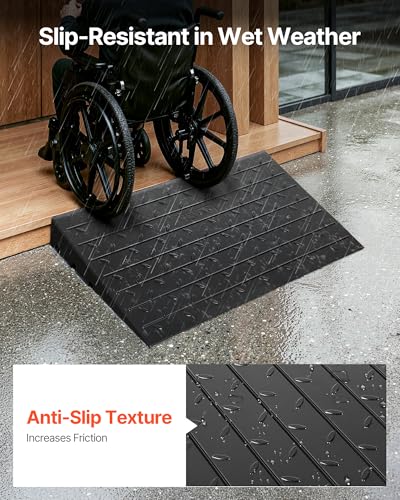
A product change is a reasonable next step when your current ramp is too light, too steep, too narrow, or will not stay put despite careful placement. In those cases, one common option is a heavier solid rubber ramp with a wide platform, beveled edges for a smooth approach from all sides, and a grooved non slip surface for traction in wet conditions.
This guide contains affiliate links, and we may earn a commission if you buy through them, at no extra cost to you.

Prime VEVOR 3" Rise Rubber Threshold Ramp 41.8" Wide


As an Amazon Associate we earn from qualifying purchases. Product prices and availability are accurate as of the date/time indicated.
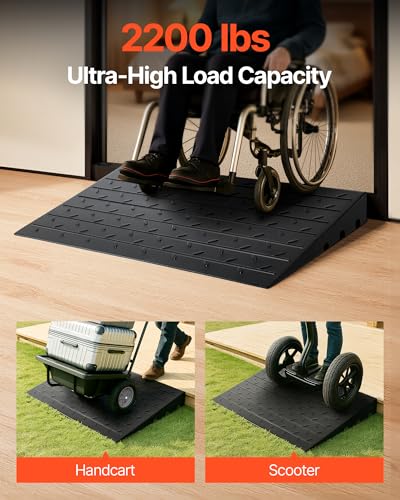
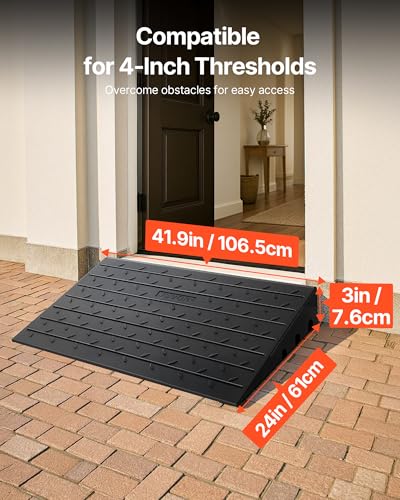
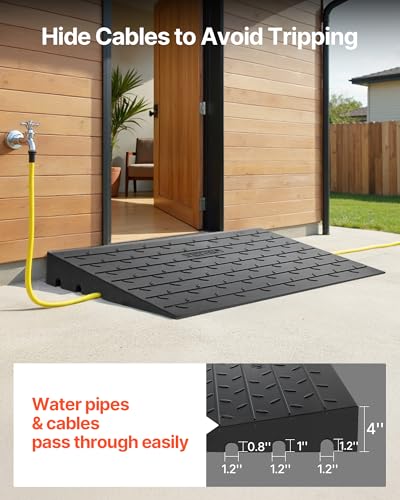
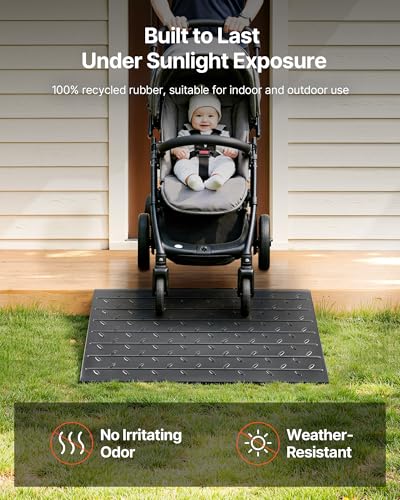
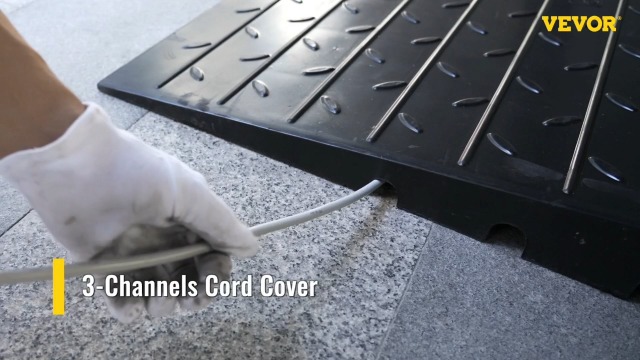
The VEVOR 3″ Rise Rubber Threshold Ramp is one example caregivers consider for this situation. According to its specifications it is rated to support up to 2200 lbs, weighs 53 lbs to help it stay firmly in place, offers a 41.8 inch wide platform with a gentle 7.12 degree incline for steps up to 3 inches, and uses a one piece design that requires no tools for assembly. Its recycled rubber construction with a grooved tread surface is described as rust proof and scratch proof for indoor and outdoor use, which may help reduce the risk of slipping when kept clean and dry. For related bedroom stability ideas, see best bed rails for seniors with osteoporosis.
When to Talk to a Professional Instead
A threshold ramp is not ideal for every home or every senior with osteoporosis. If the threshold is higher than a few inches, if the doorway is too narrow for a walker, if the senior has had a recent fracture, severe balance changes, or needs a wheelchair full time, a simple rubber threshold ramp is not the right choice on its own.
In these situations, try to get guidance from a doctor, physical therapist, or occupational therapist before you make changes. They can assess gait, vision, footwear, and home layout, and may recommend a longer ramp with proper slope, a different entrance, or additional supports that fit your specific space.
You should also seek professional input if the senior feels pain, extreme fatigue, or fear when using the ramp, or if you notice new unsteadiness. General household tips cannot replace an individual clinical evaluation, and a professional can help you prioritize the safest next step.
Frequently Asked Questions
Can double sided tape make any threshold ramp safer?
It may help reduce shifting on smooth, clean tile when the ramp design includes tape, but it is not a fix for a ramp that is too steep, too narrow, or poorly fitted. Check the manufacturer’s instructions for your floor type and confirm the ramp stays flush with no lip after securing it.
What slope feels steadier for a senior who shuffles or uses a walker?
A gentler, lower angle generally feels steadier because it requires less effort and reduces the chance of catching a toe. Look for a ramp that matches your exact threshold height and allows a smooth, beveled approach from all sides, and ask a physical therapist if the slope is appropriate for the person’s device.
Do I need a handrail with a low threshold ramp?
Even a one to three inch rise can feel unstable without something to hold, especially for a senior with osteoporosis who may worry about falling. A wall mounted handrail or securely installed grab bar near the threshold often provides more confidence and balance support than the ramp alone, and an occupational therapist can advise on placement.
Browse more picks in our Outdoor & Entrance Safety category, or see our related guide on Door Lever Handles for Seniors Outdoors in 2026.



Write Your Review
No reviews yet. Be the first to share your experience!