

Quick Answer
If your jar opener feels unsafe after a knee replacement, it is usually because you have to bend, twist, or shift your weight to get the lid to move. The safest approach is to keep the opener fixed at a comfortable height so you can keep both feet planted and turn the jar with your arms, not your knee. A secure under cabinet mount, a stable stance, and good lighting can make the task feel more controlled without adding strain.
Why This Happens
Handheld jar openers often require a strong grip and a twisting motion that can pull you off balance. After a knee replacement, that twist can tempt you to rotate your leg or lean to one side, which may feel unsteady. Always check with a healthcare provider or physical therapist before making kitchen changes for a senior in your care.
Under cabinet openers can also feel unsafe when they are not firmly attached. Adhesive strips alone may loosen over time, especially with heavy or vacuum sealed jars, so the opener can slip as you turn. A loose mount forces you to use more force and to steady yourself with your legs, which is not ideal when your knee is still healing.
Height and position matter too. If the opener is mounted too low, you may have to bend your knees or reach awkwardly, and if it is too high you may have to stand on your toes. Both positions can make it harder to keep your weight even. Poor lighting or a cluttered counter can add extra reaching and increase the chance of a misstep.
Finally, the jar itself can be part of the problem. Large, wide lids and small, slick lids need different grips, and a single style opener may not hold both well. When the lid slips, you may instinctively push harder or twist your body to compensate, which puts more load on your legs than your hands.
Practical Steps to Try
- Check how the opener is attached and make it as stable as possible. If you are using an under cabinet opener, try the included screws in addition to adhesive when the cabinet material allows it, and confirm the screws are snug. Give the opener a gentle tug before each use, and if it wiggles or shifts, do not use it until it is re secured. A stable mount lets you use your hands and arms instead of bracing with your legs.
- Position the opener where you can stand upright with both feet flat and your knees relaxed. You should be able to slide the jar straight in without bending deeply or reaching overhead. If you use a walker or cane, make sure you have enough clear floor space to keep your assistive device nearby. For more ideas on keeping the kitchen easy to navigate, see this guide to best jar opener for seniors with balance issues.
- Try a stable stance with feet hip width apart and your weight evenly distributed. Hold the jar with both hands when you can, and turn the jar itself while the opener holds the lid, rather than twisting your whole body. Move slowly and pause if you feel unsteady, and keep the counter close so you can steady yourself with your hand if needed. Avoid locking your knee or pivoting on the operated leg.
- Make the lid easier to grip so you do not have to push as hard. Wipe lids dry, add a thin non slip liner under the jar if the counter is slick, and ensure the kitchen light clearly shows the opener teeth. Choose a jar opener opening that fits the lid snugly so the teeth can bite without slipping. If you often reach for items on high or low shelves, a tool like the options in best kitchen reacher tools for seniors with arthritis may help you avoid extra bending.
- Set up your workspace so everything is within easy reach before you start. Place the jar, a towel, and any food you need on the counter at waist height, and consider sitting on a sturdy stool with back support for longer prep if your care team says it is okay. Clear clutter so you do not have to step around items while holding a jar. You can also explore supportive tools reviewed in grabber reacher tool for seniors with low vision to keep frequently used items accessible without repeated reaching.
When a Product Can Help
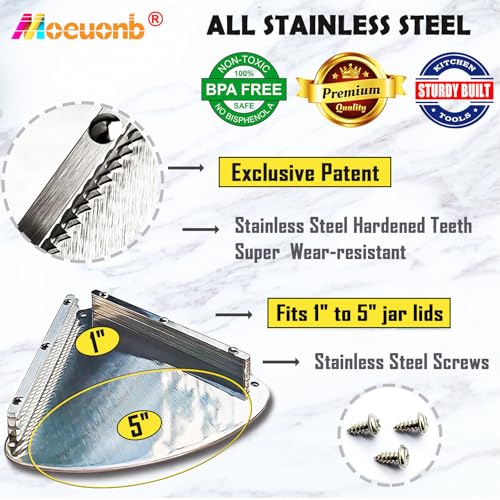
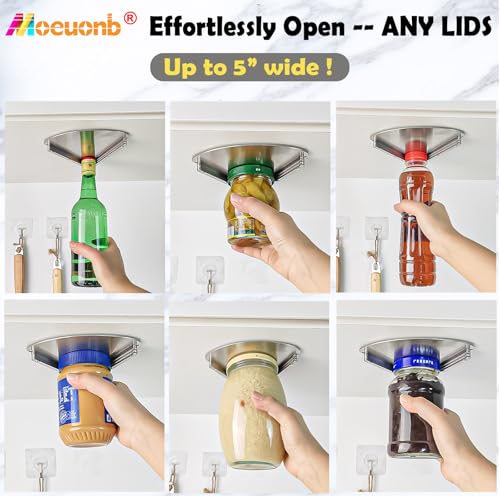
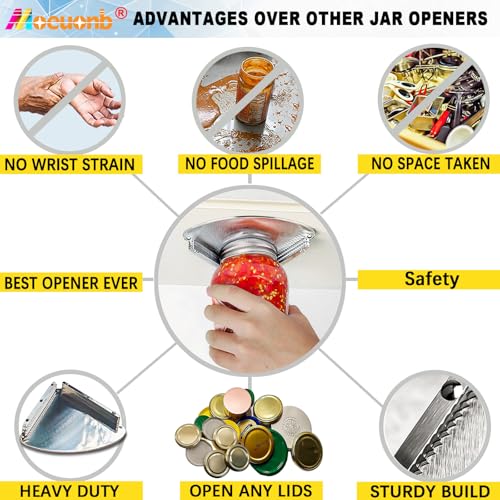
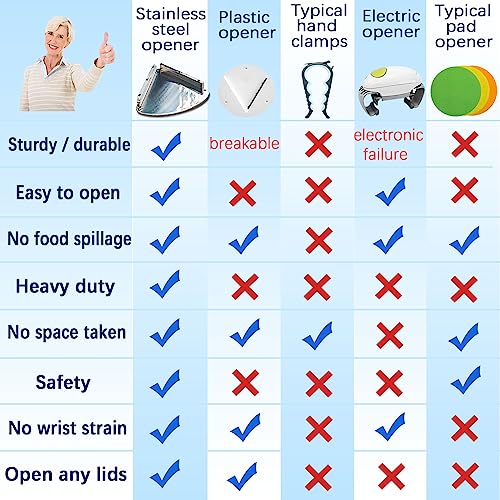
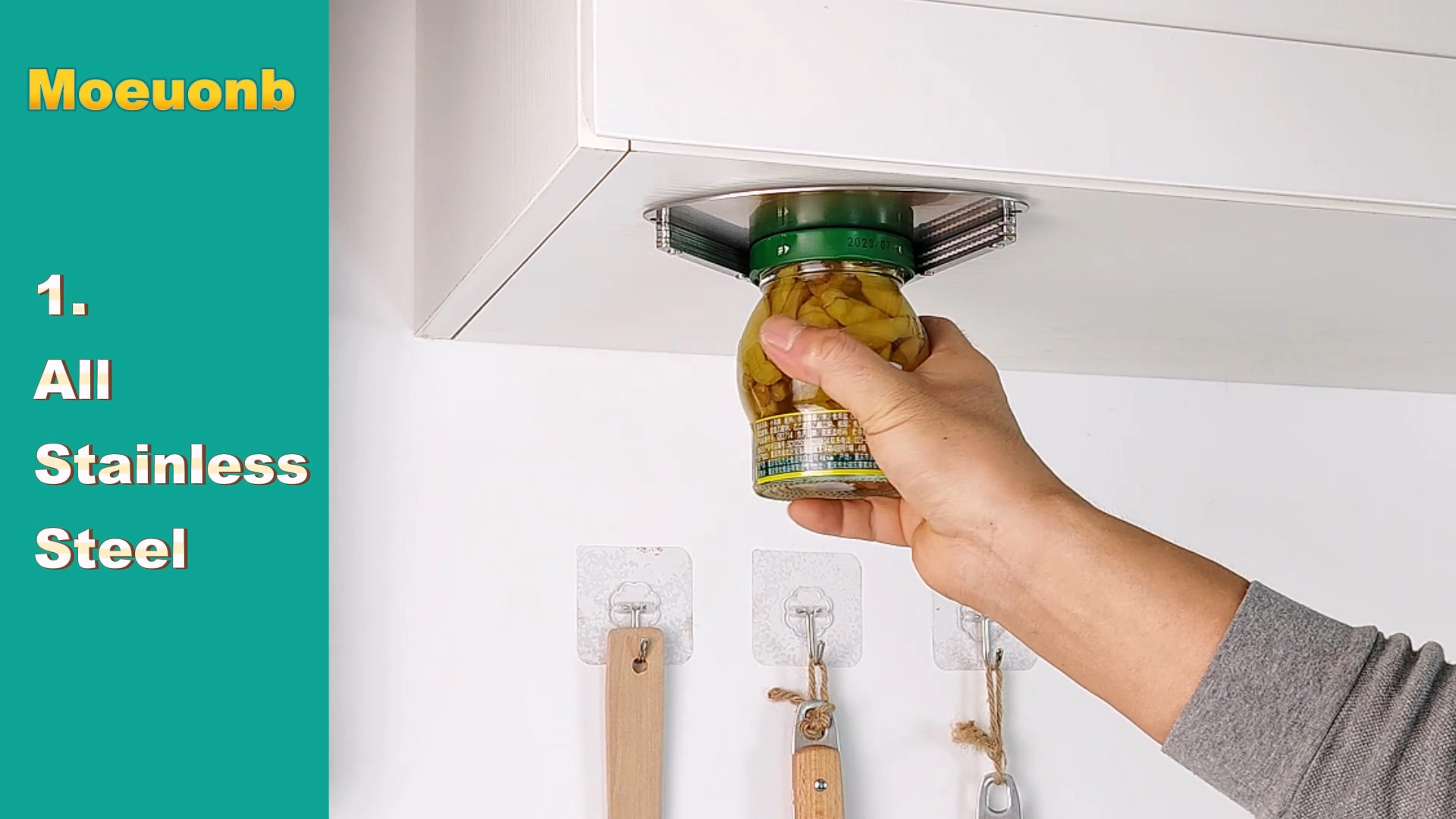
If you have addressed mounting, height, and stance and still find jars hard to open without shifting your weight, a fixed opener may help reduce the effort. An under cabinet design can hold the lid steady while you turn the jar with both hands, which may help you keep a balanced posture in 2026. One option to consider is the Moeuonb Under Cabinet Jar Opener for Seniors Lid, which is described as an all stainless steel opener with hardened teeth and includes both peel and stick adhesives and screws for mounting, and is designed for weak hands. It mounts out of sight under the cabinet so it does not take up counter space.
This guide contains affiliate links, and we may earn a commission if you buy through them, at no extra cost to you.

Prime Moeuonb Stainless Steel Under Cabinet Jar Opener



As an Amazon Associate we earn from qualifying purchases. Product prices and availability are accurate as of the date/time indicated.
When to Talk to a Professional Instead
A jar opener is not the right choice if you feel unsteady standing at the counter, notice increased knee swelling, or feel pain when you twist or bear weight. In those cases, try to pause kitchen tasks that require force and ask your care team for guidance on safe activity limits. Your physician or physical therapist can suggest movement strategies that fit your recovery stage.
This type of under cabinet opener is not ideal for seniors who cannot stand safely at the counter even with support, have cabinets that cannot be securely screwed into, or have very limited hand function that makes holding the jar itself difficult. It is also not a good fit for rental kitchens where drilling is not allowed and adhesive alone does not hold firmly. In those situations, an occupational therapist may suggest a different adaptive tool or a seated prep setup.
If you notice frequent balance issues, falls, or difficulty completing daily tasks, reach out to a healthcare provider or occupational therapist promptly. They can evaluate your home layout, recommend assistive devices, and show you safer ways to manage kitchen tasks while you heal. Do not try to push through instability on your own.
Frequently Asked Questions
Can I use a jar opener while seated after a knee replacement?
You may be able to if your care team says sitting is safe and the opener is at a comfortable height. A seated position can keep weight off your knee, but you still need a stable mount and a table or counter that lets you turn the jar without leaning. Ask your physical therapist what posture is best for your stage of healing.
Is adhesive alone enough to keep an under cabinet jar opener safe?
Adhesive alone may not hold firmly for heavy or tightly sealed jars, and a loose opener can slip while you turn. Many models, including stainless steel options, include both adhesive and screws so you can choose the most secure method for your cabinet. Check the mount regularly and avoid using the opener if it moves at all.
How can I avoid twisting my knee when opening a jar?
Keep both feet flat and turn the jar with your hands and arms while the opener holds the lid. Keep your knees softly bent and avoid pivoting on the operated leg, and move the jar rather than your body. If you feel you must twist to get leverage, pause and reposition the jar or ask for help.
Browse more picks in our Kitchen Adaptive Tools category, or see our related guide on Kitchen Reacher Tools for Arthritic Hands in 2026.






Write Your Review
No reviews yet. Be the first to share your experience!