

Quick Answer
To make a cane safer for a senior with osteoporosis, start with fit and contact. Check that the handle sits at wrist height when standing tall in regular shoes, replace a worn or smooth tip, and consider a wider quad base for more ground contact. These small adjustments may help reduce the risk of slips and improve confidence with each step.
Why This Happens
A cane can feel unsteady for several everyday reasons, and the cause is often a simple mismatch rather than a major problem. Always check with a healthcare provider or physical therapist before making mobility changes for a senior with osteoporosis in your care.
With osteoporosis, many families are extra cautious about even minor slips because bones may be more vulnerable to injury from a fall. That added concern is why steady footing and a well fitted aid matter so much for daily confidence at home and outdoors.
Height is one of the most common issues. If the cane is too tall or too short, you may lean to one side or put extra strain on the wrist and shoulder. That leaning can make balance feel less secure, especially on uneven surfaces or when changing direction.
The tip matters more than most people expect. A smooth, worn, or hard tip can slide on tile, hardwood, or damp pavement, and a slightly loose tip can wobble and reduce steady contact with the floor. Even a small amount of dirt or moisture under the tip can affect traction.
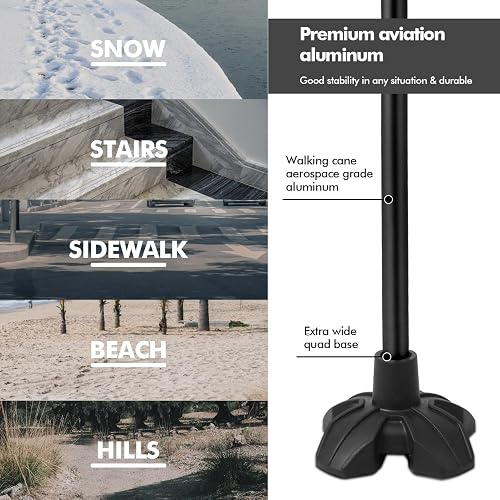
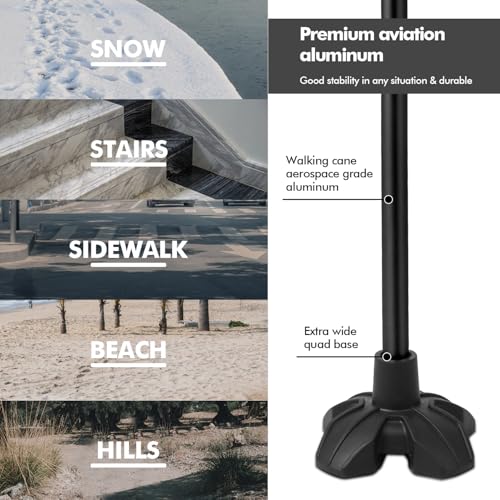
The handle and base style also affect comfort and control. A narrow single tip offers less surface contact than a quad base, and a hard or poorly shaped handle can make you grip tighter or shift weight unevenly. Over time these small mismatches can add up to less confidence and more fatigue.
Practical Steps to Try
Try these steps in order, starting with the simplest checks. Work on a flat, clear surface with another person nearby, and stop to get guidance if anything causes discomfort or feels less stable.
- Check cane height and posture. Stand in regular shoes with arms relaxed at your sides. The top of the handle should line up with the crease of your wrist. If you need to bend your elbow more than slightly or hunch your shoulder, adjust the height one notch at a time and try a few steps on a flat, clear surface.
- Inspect and refresh the tip. Look for cracks, smooth spots, or a loose fit, and wipe away dirt and debris. Replace the tip if the rubber looks worn or shiny. A fresh, non slip tip that stays flat on the floor may help improve traction indoors and outdoors.
- Tighten and check all joints. If the cane folds or adjusts with buttons or collars, make sure each joint clicks or locks firmly and does not rattle. A cane that flexes or twists at the middle can feel less predictable when you put weight on it.
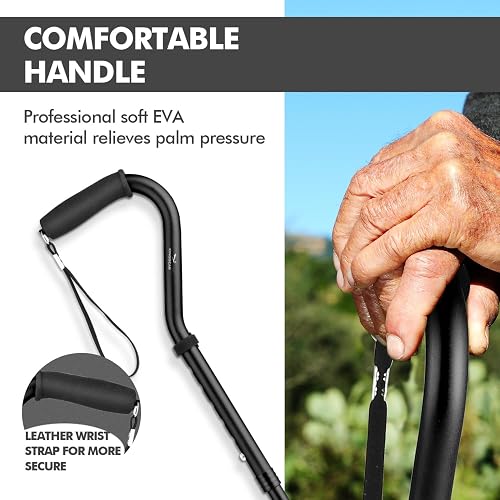
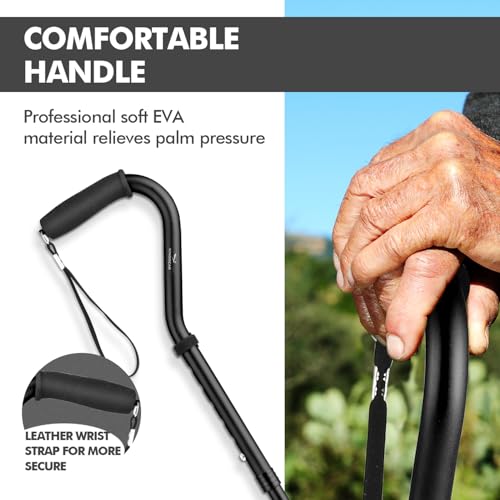
- Improve grip and hand position. Keep your hand centered on the handle with a relaxed grip, and use the wrist strap if one is included so the cane does not drop if your grip loosens. If the handle feels hard or slippery, consider a cane with a padded offset handle that spreads pressure more evenly across the palm.
- Make the environment more cane friendly. Clear clutter from walkways, secure loose rugs with non slip backing, and add good lighting for nighttime trips. For more bedroom safety ideas, you may find this guide on motion sensor night lights for seniors with osteoporosis helpful, and this overview of bed rails for seniors with osteoporosis offers additional stability near the bed.
After each change, try a short, supervised walk on a familiar flat surface to see how it feels. If the cane still wobbles, leans, or feels uncomfortable, consider whether a different base style or a professional fitting might be a better next step.
When a Product Can Help
If adjustments, a new tip, and home changes are not enough, a cane designed for extra stability may be worth considering. A wider base and an ergonomic handle can offer more ground contact and a more comfortable grip, which some seniors find reassuring for daily use.
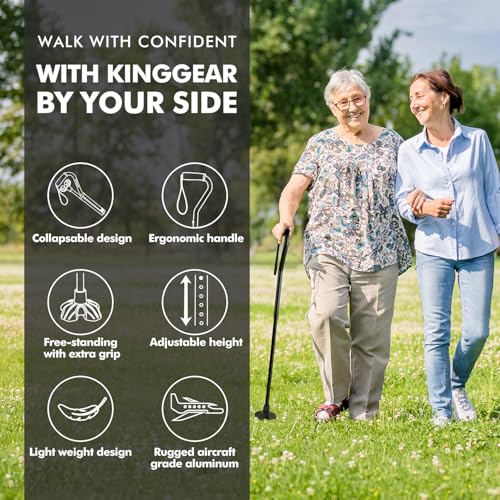
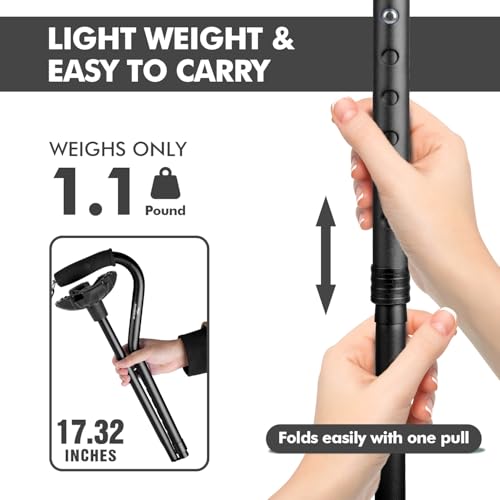
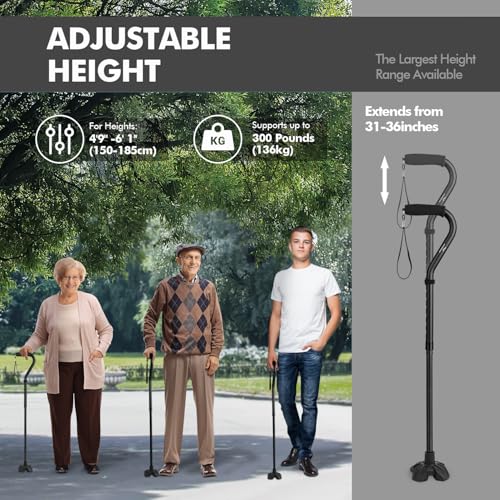
One common option is a cane with a self standing quad base and adjustable height. For example, the KINGGEAR Self Standing Walking Cane Quad Base is described as a lightweight aluminum cane with a foldable design, adjustable height from 31 to 36 inches, an EVA offset handle, and a self standing quad base that can stand on its own when not in use. Features like these may help reduce the risk of tipping and make the cane easier to manage day to day.
This guide contains affiliate links, and we may earn a commission if you buy through them, at no extra cost to you.
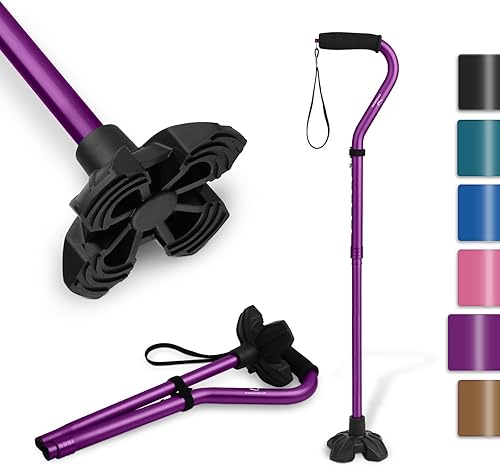
Prime KINGGEAR Self Standing Walking Cane for Seniors



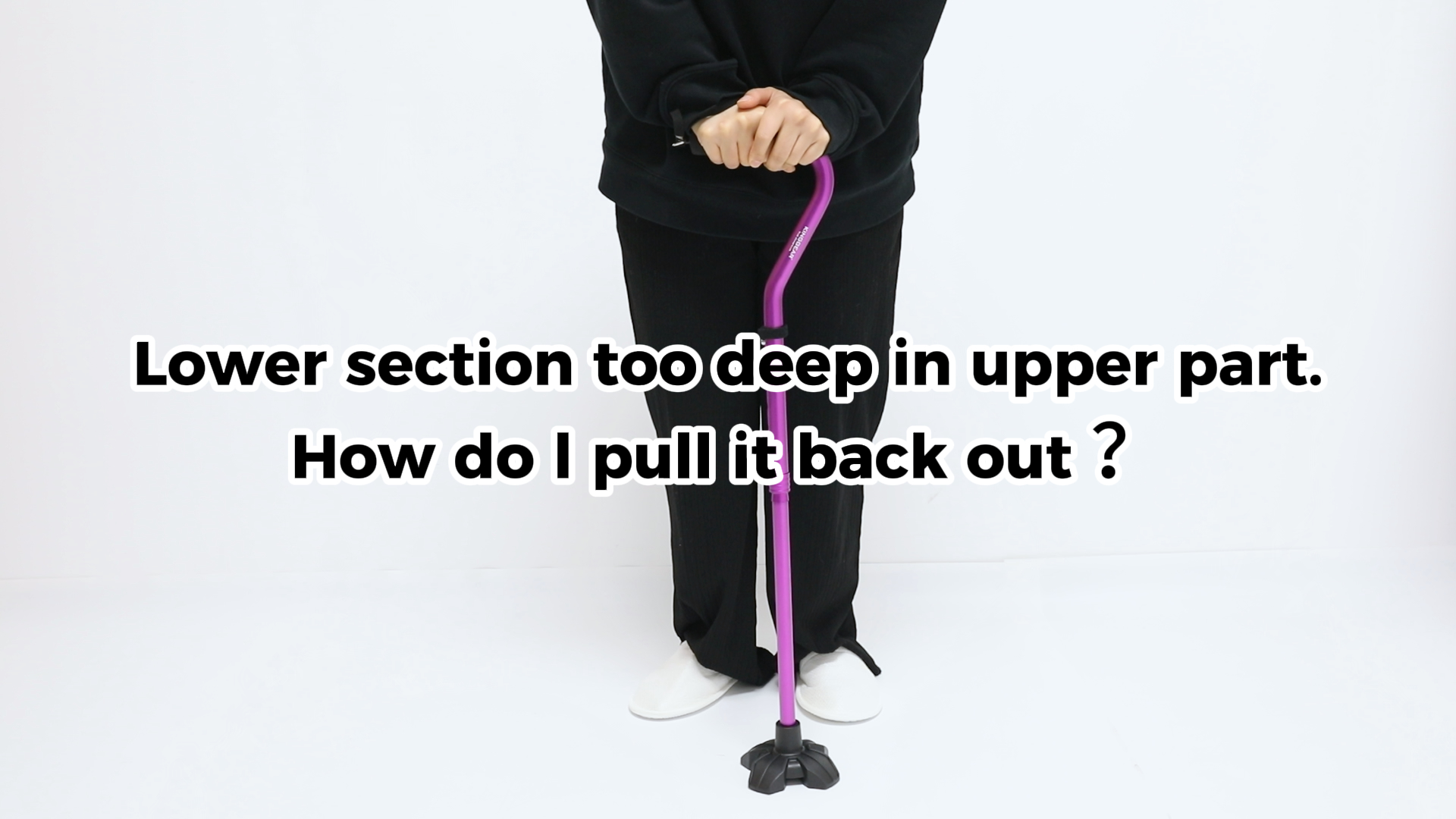
As an Amazon Associate we earn from qualifying purchases. Product prices and availability are accurate as of the date/time indicated.
This type of design is not about adding complexity, it is about steady contact and ease of use. A foldable frame can also be convenient for travel or storage, and a handle that fits the palm well may help you maintain a relaxed, centered grip. If you are unsure which height range or base style is most appropriate, a physical therapist can help confirm the fit and show you how to use it correctly. You can also review general fit guidance in this ADA cane requirements guide for seniors aging in place for additional context on sizing and use.
When to Talk to a Professional Instead
A cane is not ideal for every situation, and it is not a good fit when a senior needs to put a lot of weight through the device or feels unsteady even with a properly fitted cane. If you notice frequent near falls, the need to lean heavily, or pain in the hand, wrist, or shoulder, pause home adjustments and seek professional input.
Talk with a physician, physical therapist, or occupational therapist if the senior has had a recent fall, a change in balance, new medication that affects steadiness, or a clinician has advised limited weight bearing. They can assess whether a cane is still the right aid or whether a walker or other support may help provide more stability.
A professional can also check walking pattern, review home hazards, and suggest safe ways to practice. Bring the current cane to the appointment so they can check height, handle position, and tip condition in person and recommend next steps that match the senior’s needs.
Frequently Asked Questions
Should a senior with osteoporosis use a quad base cane?
It depends on comfort, strength, and where the cane will be used. A quad base offers more ground contact and may help the cane stand upright when not held, but it can feel heavier or catch on tight spaces. A healthcare provider or physical therapist can help decide if the added stability is helpful for your situation.
How often should I replace the cane tip?
Check the tip monthly and replace it when you see wear, cracks, or a smooth surface. Dirt, water, and daily use can reduce traction over time. Keeping a spare tip at home makes it easy to swap when needed.
What is the safest way to practice with a new cane setup?
Try short walks on a flat, dry, clutter free surface with another person nearby. Wear supportive, closed toe shoes and keep the cane on the side a clinician has recommended. If anything feels off, stop and ask a healthcare provider for guidance before continuing.
Browse more picks in our Canes & Walking Sticks category, or see our related guide on Canes for Seniors Aging in Place We Recommend in 2026.





Write Your Review
No reviews yet. Be the first to share your experience!