

Quick Answer
To make a cane for seniors safer during hip replacement recovery, start with fit and traction before you buy anything new. A cane that is too tall or too short, a worn rubber tip, or a loose grip can make you feel unsteady, and hip precautions limit how you can bend and turn. Try setting the height so your elbow bends slightly when standing tall, checking the tip for wear, and confirming with your care team that you are using the cane on the recommended side.
Why This Happens
A common reason a cane feels unsafe is height mismatch. If the handle is too high you may hike your shoulder, and if it is too low you may lean forward, both of which can affect balance and make the cane feel less supportive during everyday movement.
Another frequent cause is a worn or unsuitable base. A smooth, hardened, or cracked rubber tip may reduce traction, especially on tile or wood floors, and a single-point tip may feel less steady than a quad base for some users. Always check with a healthcare provider or physical therapist before making mobility changes for a senior in your care.
Home setup and fatigue also play a role. Throw rugs, cluttered pathways, poor lighting, and wet bathroom floors can make any cane feel less secure. You may also notice more wobble when you are tired, carrying items, or rushing to answer a door or phone.
Hip replacement recovery adds specific considerations. Your clinician may have given you guidance on how far you can bend, twist, or bear weight, and those limits can change how you sit, stand, and step with a cane. For general fit ideas, you can review ADA cane fit guidance and then confirm what is right for your situation with your care team, and explore more options in Canes & Walking Sticks.
Practical Steps to Try
- Check cane height while wearing your usual shoes. Stand tall with arms relaxed at your sides, then adjust the cane so the top of the handle lines up near the crease of your wrist. When you grip the handle, your elbow should bend about 15 to 20 degrees, which may help you stay more upright without leaning.
- Inspect the tip and base. Look for a worn, smooth, or uneven rubber tip and replace it if it looks shiny or cracked. If you often feel unsteady when pausing or standing, ask your physical therapist whether a quad base with four small feet and non-slip rubber pads may help reduce the risk of slipping on your floors.
- Check the handle, grip, and wrist strap. Make sure the handle feels comfortable and does not twist, and that any wrist strap is secure but not tight. A foam or softly padded offset handle may help reduce hand strain, and a secure grip may help you keep control when you reposition the cane.
- Review how and where you use the cane. Use it as your care team directed, often on the side opposite the recovering hip, and keep it close to your body when you step. Move slowly on stairs and curbs, keep the cane on the step with you, and avoid carrying bags that pull you off balance.
- Make the path safer around the home. Clear cords and clutter from walkways, secure or remove loose rugs, and keep frequently used items within reach so you do not need to twist or overreach. Add good lighting in hallways and consider night lights for trips to the bathroom, and keep floors dry.
When a Product Can Help
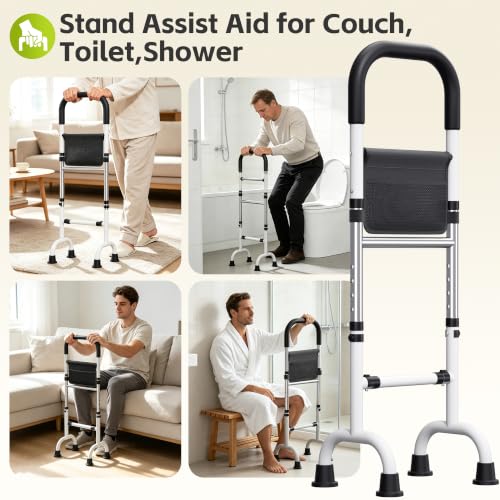
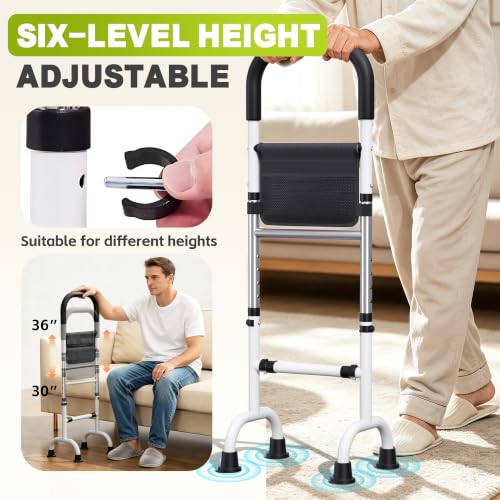
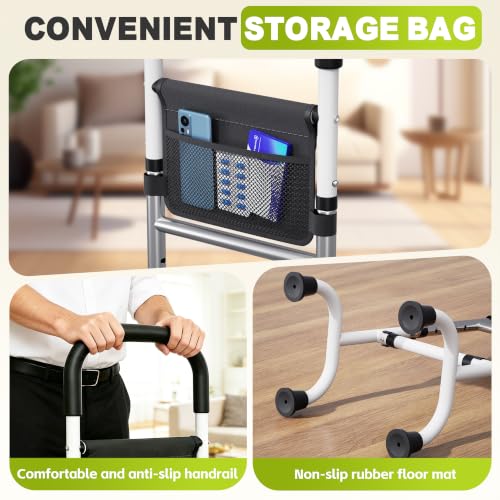
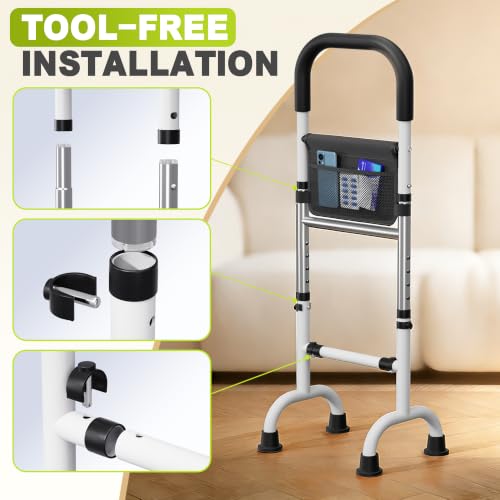
A standard single-point cane is often enough for walking, but getting up from a low recliner, sofa, or toilet can still feel unsteady after hip surgery when you cannot lean forward far. In that case, a stationary support with a quad base and height adjustment may help reduce the risk of wobble during sit-to-stand transitions, rather than trying to pull up on a walker or furniture. One practical option caregivers consider for this specific task is the Portable Stand Assist Aid for Recliner & Toilet, which offers a height adjustable frame from 30 to 36 inches, a four-point base with non-slip rubber feet, and foam padded handles for sit-to-stand support.
This guide contains affiliate links, and we may earn a commission if you buy through them, at no extra cost to you.

Prime Hopelight Portable Stand Assist Quad Cane


As an Amazon Associate we earn from qualifying purchases. Product prices and availability are accurate as of the date/time indicated.
When to Talk to a Professional Instead
This type of stand assist aid is not ideal for seniors who need full weight bearing support to walk long distances, who have significant weakness in both hands, or who live in a very small space where a quad base cannot sit flat and clear of rugs and cords. It also is not the right choice if you need a device that is rated for a much higher load than what the product specifications list, or if you are unsure whether a cane is still the right aid for your current stage of recovery.
Contact a physician, physical therapist, or occupational therapist if you notice increased pain, swelling, new unsteadiness, a recent fall or near fall, or if the cane no longer feels matched to your needs. They can reassess fit, recommend a different aid such as a walker, and review safe movement strategies for your home. You can also find broader home safety ideas in Fall Prevention while you wait for professional guidance.
Frequently Asked Questions
Should I switch to a quad cane after hip replacement?
Some people feel steadier with a quad base because it stands on its own and offers a wider footprint. Others prefer a single-point cane for lighter weight and easier maneuvering. Try discussing your balance, home surfaces, and clinician guidance with your physical therapist to decide what may help reduce risk for you.
How can I tell if my current cane height is correct?
With your regular shoes on, stand tall and let your arms hang naturally. The handle should sit near your wrist crease, and your elbow should bend slightly when you grip it. If you are hunching or reaching up, try adjusting by one inch at a time and rechecking your posture.
What if the cane is still not enough to get up from a chair or toilet?
A cane is made for walking support, not for pulling yourself up from very low seating, which can be difficult with hip precautions. You may need a different strategy, such as a higher seat, armrests, or a stationary stand aid, and your occupational therapist can suggest options that fit your bathroom and living room layout.
Browse more picks in our Canes & Walking Sticks category, or see our related guide on Canes for Seniors Aging in Place We Recommend in 2026.








Write Your Review
No reviews yet. Be the first to share your experience!