

Quick Answer: How to Make a Button Hook Safer
To make a button hook safer for a senior with Parkinson’s, focus on stability and grip before you change the tool itself. Sit at a table, brace your elbows, use a wide non-slip handle, and keep the fabric taut so the wire loop does not slip or tug. If tremor or stiffness makes control hard, try a larger handle or a one-handed design and check clothing choices for easier buttons.
Why This Happens
Button hooks require a steady pinch, pull, and release, which can be difficult when Parkinson’s causes tremor, rigidity, or slower hand movements. A narrow or smooth handle may twist in the hand, and a thin wire loop can slip off a button if alignment is even slightly off.
Always check with a healthcare provider or occupational therapist before making mobility or dressing changes for a senior in your care.
Clothing itself can add to the problem. Small, tight buttonholes, thick layers, or slippery fabrics make it harder to guide the loop through and keep tension steady. When fabric bunches or moves, you may need more force, which can increase slip risk.
Fatigue and posture also matter. Trying to button while standing or holding clothing in mid-air reduces stability. Many caregivers find that Dressing & Grooming Aids work better when the senior is seated with forearms supported, as described in the button hooks for stroke recovery.
Another common cause is trying to use the same tool for every garment. A loop that works for a coat may be too large for a shirt cuff, so having a clear sense of which clothes work best can make daily use more predictable.
Practical Steps to Try
Try these steps in order, starting with the easiest changes that may help reduce slip and strain without buying anything new.
- Set up a stable seated position. Sit in a sturdy chair at a table, lay the garment on the table or brace your hands against your lap, and keep elbows close to your body. This reduces the need to hold weight in the air and gives tremor less room to move the tool.
- Improve grip without squeezing harder. Wrap the handle with non-slip tape or foam tubing if the handle feels thin, and consider thin grip gloves if hands are dry. Check that the handle texture is ribbed or cushioned so it stays put with a lighter hold.
- Use a slow, two-stage technique. First, push the wire loop fully through the buttonhole before you try to catch the button. Then hook the button near its base, pull back gently, and keep the fabric taut with your other hand or by pinning it against the table. Pause between buttons to rest your hands.
- Choose clothing that matches the tool. Look for medium-size buttons with slightly larger buttonholes, and avoid very small or very tight dress shirt buttons at first. Practicing on a shirt laid flat can help you see alignment before trying it while wearing it.
- Make the environment safer and simpler. Keep the floor clear, use good lighting, and lay out clothes in dressing order. If reaching or bending is also difficult, explore related daily living supports like reacher tools for seniors with arthritis for other tasks, so dressing does not have to be rushed.
Try practicing for just a few minutes at a time and stop if hands feel tired. Short, calm practice sessions often work better than pushing through many buttons at once.
When a Product Can Help
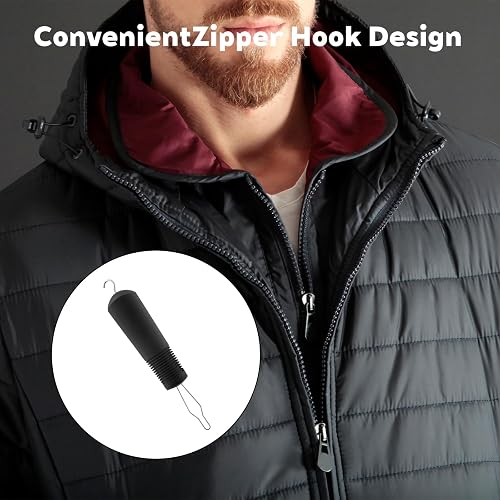
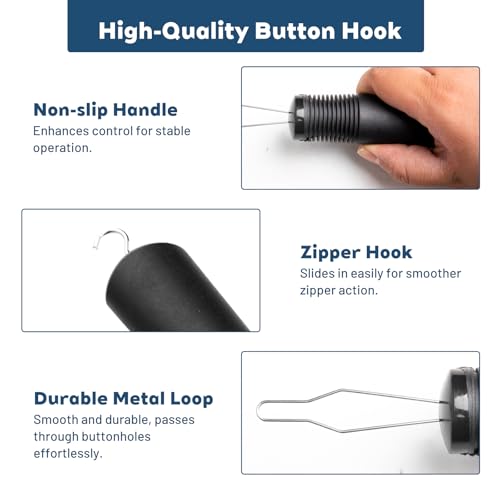
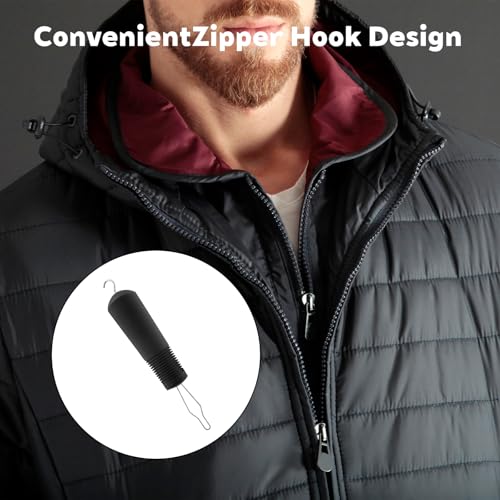
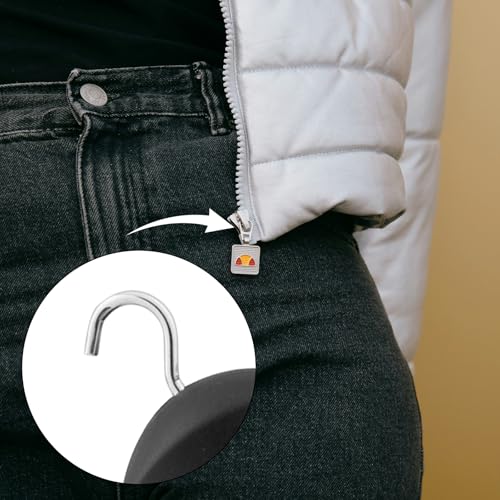
A product change is worth considering when grip remains insecure even after positioning and technique adjustments, or when you need true one-handed use. Look for a design described as having a wide, comfortable grip, a durable yet slim wire loop that may help reduce snagging, and a built-in zipper pull for versatility.
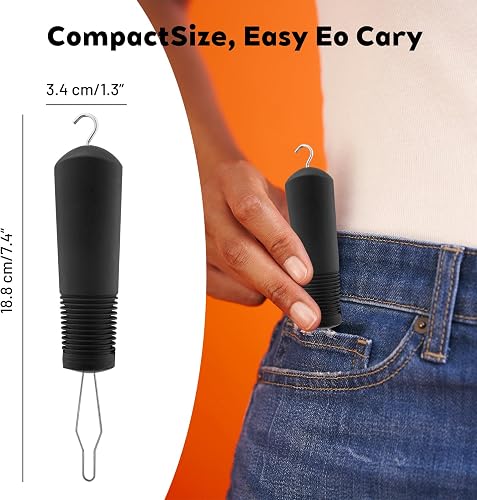
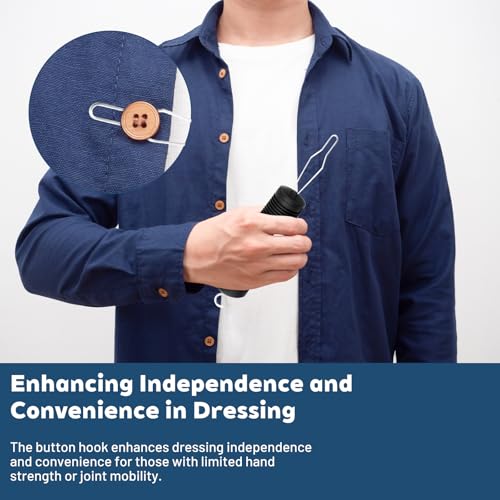
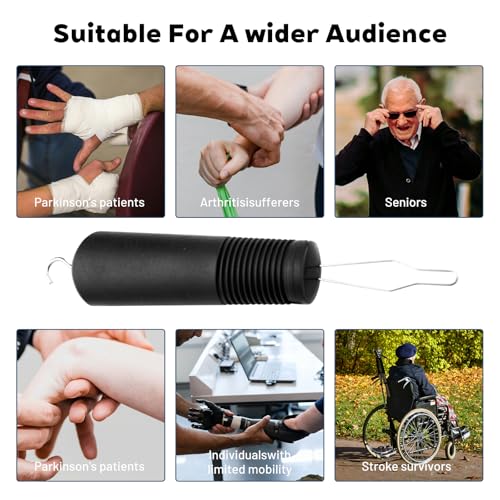
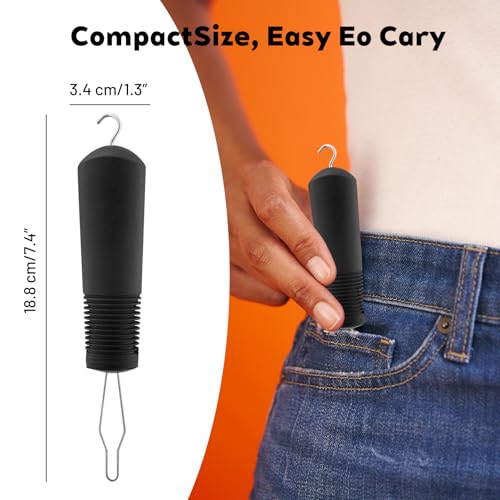
One practical option is the Button Hook for Seniors, which is described as supporting one-handed buttoning and zipping, as versatile for dresses, shirts and pants, and as compact for daily use and travel. Its wide handle is described as helping with control for limited dexterity.
This guide contains affiliate links, and we may earn a commission if you buy through them, at no extra cost to you.

Prime Button Hook & Zipper Pull Helper



As an Amazon Associate we earn from qualifying purchases. Product prices and availability are accurate as of the date/time indicated.
If you try a new tool, check the handle size against the senior’s hand, confirm the wire loop fits their typical buttons, and keep the original tool as a backup while you evaluate comfort.
When to Talk to a Professional Instead
This type of home adjustment is not ideal for seniors who have frequent freezing episodes, significant changes in balance, new pain or swelling in the hands, or a recent fall while dressing. In those cases, a home fix alone is not the right choice.
Talk with a physician, occupational therapist, or physical therapist if dressing tasks regularly cause fatigue, shortness of breath, skin irritation from tugging, or frustration that leads to rushing. A professional can assess seating, hand function, and clothing strategies and suggest personalized adaptations.
Seek prompt clinical guidance if buttons, zippers, or other dressing aids create pressure on skin, if tremor suddenly worsens, or if the senior is skipping medications or appointments because dressing feels too difficult.
This approach is also not recommended for seniors who need substantial help to stand or who live alone without a check-in system, since dressing challenges may signal a broader safety need that deserves professional review.
Frequently Asked Questions
These common questions come up when families try to make button hooks steadier for Parkinson’s related hand changes.
Should we switch to larger buttons or adaptive clothing instead of using a button hook?
One common option is to try larger buttons or shirts with fewer buttons for daily wear while keeping the button hook for favorite outfits. Check what feels less tiring and discuss clothing adaptations with an occupational therapist if you want more personalized ideas.
How can a caregiver help without taking over?
Try handing the hook to the senior after you position the fabric, then guide verbally rather than pulling. Supporting the hem of the shirt so it stays taut often helps more than holding the person’s hand.
What if the wire loop keeps bending or catching on fabric?
Check that you are pulling straight back through the buttonhole and not at an angle, and inspect the loop for bends. If the loop is misshapen or too thick for the buttonholes, consider a different loop size or a tool described as having a slim, smooth wire that may help reduce snagging.
Browse more picks in our Dressing & Grooming Aids category, or see our related guide on Button Hooks We Recommend for Stroke Recovery in 2026.






Write Your Review
No reviews yet. Be the first to share your experience!