

Quick Answer
If your button hook feels unsafe, the most common fix is to improve grip and control and to keep the wire loop smooth and fully seated in the buttonhole before you pull. Use a seated position with good lighting, hold the wide handle with your whole hand rather than fingertips, and pull slowly straight back without twisting, which may help reduce slips and fabric snags.
Why This Happens
Button hooks are small tools with a thin wire loop, so they can feel wobbly if your hand is tired, the handle is hard to hold, or the wire is bent. A loop that is even slightly kinked can catch on thread or slip off a button, which makes the tool feel less secure and harder to guide.
Many seniors also use the tool while standing or reaching across the body, which reduces stability. When you are off balance, you may pull at an angle, and that angled pull can cause the button to pop out of the loop or the fabric to stretch. Sitting in a sturdy chair with elbows close to your sides often improves control.
Finally, the handle style matters for comfort and control. A narrow or smooth handle can require more finger strength to keep steady, while a wide, ribbed, non-slip handle may help you keep a secure hold with less effort. If you are exploring options, you can learn more about handle designs in this guide to button hooks for stroke recovery and browse related supports in Dressing & Grooming Aids.
Practical Steps to Try
- Set up a stable, seated workspace. Sit in a chair with back support and feet flat, and bring the garment close to you. Button the lowest button first while the shirt is on your lap if needed, then put it on, or ask a caregiver to help position the shirt so you can pull straight back instead of across your body.
- Check the wire loop before each use. Look for bends, gaps where the wire meets the handle, or rough spots. If the loop is bent, gently reshape it only if the product allows it, or set it aside. A smooth, tapered loop that narrows at the tip may help hold the button in place and slide through the buttonhole without catching fabric.
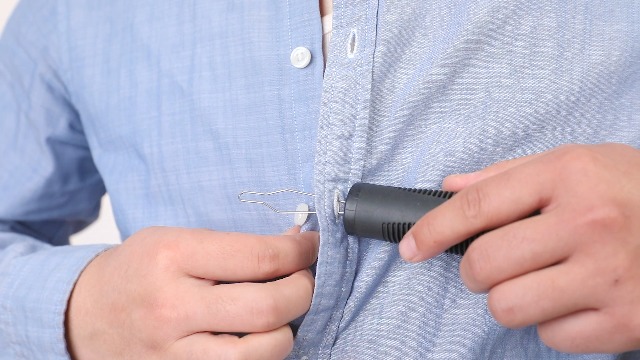
- Use a whole-hand grip and slow pull. Wrap your fingers around the wide handle and rest the handle against your palm for stability. Push the loop fully through the buttonhole, seat the button deep in the narrow tip of the loop, then draw the button back through in one slow, straight motion. Avoid quick jerks or twisting, which can make the button slip.
- Protect skin and clothing. Keep the wire away from skin, and keep fabric taut but not stretched while you pull. If buttons are very small or thick, try the tool on an easier button first to get a feel for the motion. If you notice frequent snags, consider shirts with slightly larger buttonholes or fewer buttons while you build confidence.
- Store and carry it safely. When not in use, keep the wire loop covered or tucked away so it does not bend in a drawer or bag. Wipe the handle clean to keep the non-slip surface effective, and keep the tool in the same spot so it is easy to find. For ideas on other daily living tools that pair well with dressing aids, see best kitchen reacher tools for seniors with arthritis.
When a Product Can Help
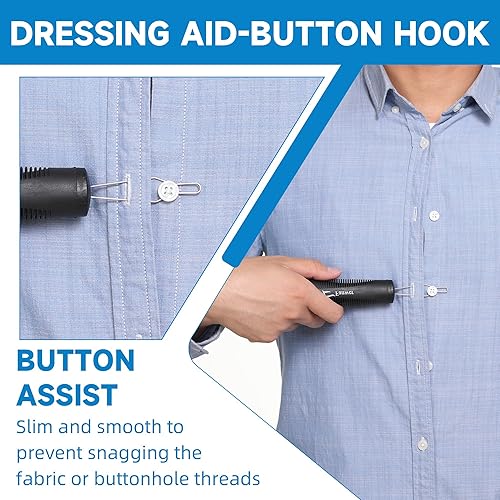
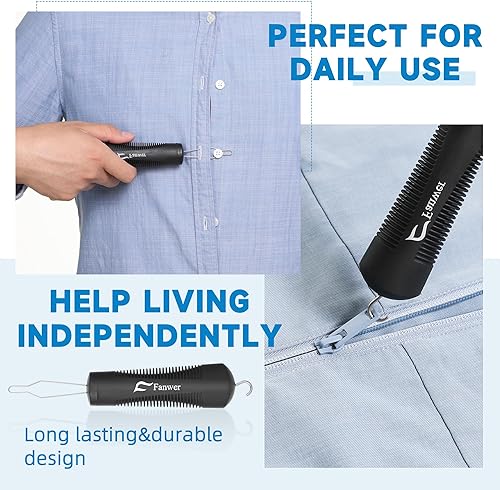
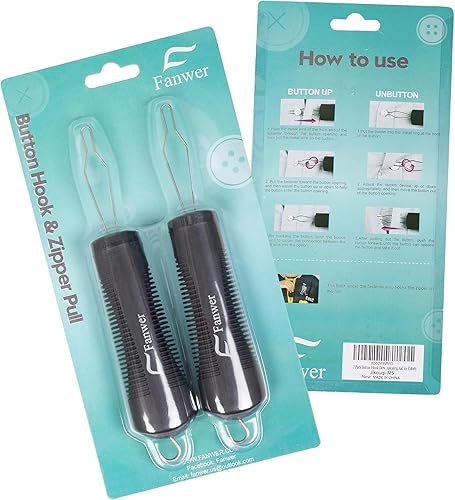
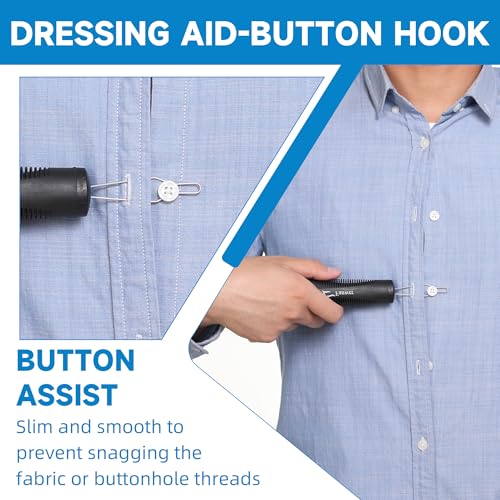
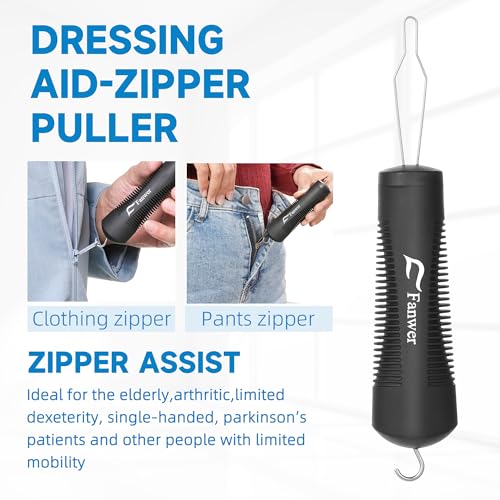
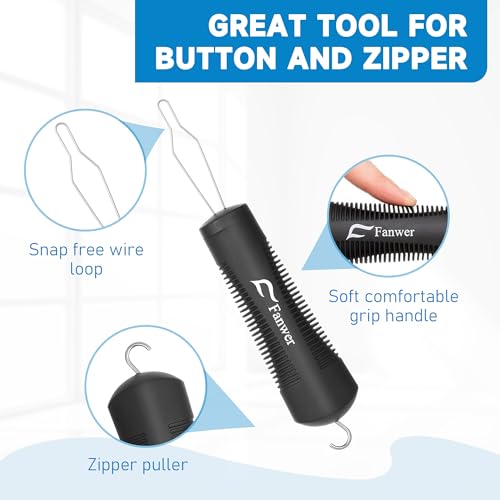
If your current hook has a narrow handle, a bent wire, or no zipper helper and you still need support, a newer design with a wide, ribbed, non-slip handle and a slim but strong steel wire loop may help reduce hand fatigue and improve control. One common option is a two-pack with an integrated zipper pull, so you have a backup and can keep one where you dress each day.
This guide contains affiliate links, and we may earn a commission if you buy through them, at no extra cost to you.

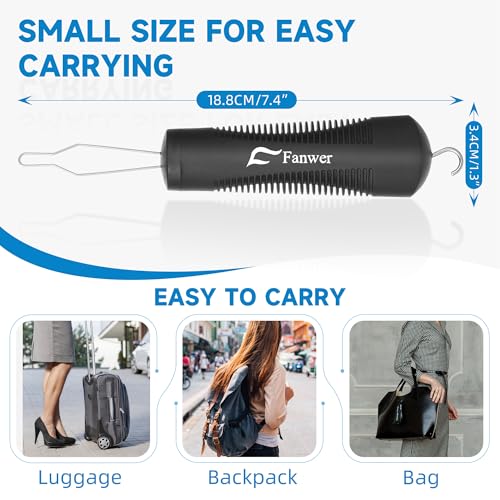
Prime Fanwer Button Hook and Zipper Pull 2-Pack





As an Amazon Associate we earn from qualifying purchases. Product prices and availability are accurate as of the date/time indicated.
Look for features described as a comfortable grip, a massage ribbed design for a secure hold, and a durable wire that slides through small buttonholes without damaging fabric. Those details, paired with the safer handling steps above, may help make daily dressing feel steadier and more independent.
When to Talk to a Professional Instead
A button hook is not ideal for seniors who have significant hand pain, severe finger stiffness, recent hand or shoulder surgery, or frequent loss of balance while dressing, and it is not the right choice if the tool causes skin pinching, increased frustration, or repeated slips despite trying the steps above.
In those cases, try pausing use and asking a healthcare provider, physician, occupational therapist, or physical therapist for guidance on safer dressing strategies. They can suggest alternative clothing options, different adaptive equipment, or a referral for an in-home safety evaluation, and you can explore more daily living ideas in Kitchen & Daily Living.
Frequently Asked Questions
How do I keep the button from slipping out of the loop?
Push the loop all the way through the buttonhole first, then seat the button deep in the tapered tip of the wire. Pull straight back slowly while keeping fabric gently taut, which may help the button stay locked in the loop.
What if the wire snags my shirt?
Check the loop for bends or rough edges and make sure you are pulling straight, not at an angle. If snagging continues, try a shirt with slightly larger buttonholes and make sure the loop is fully through the hole before you pull.
Is a button hook safe to use with one hand?
Many designs are made for one-handed use with a wide handle for control, and sitting with the garment supported on your lap may help. If one-handed use feels unsteady or causes strain, ask an occupational therapist or healthcare provider about other dressing aids or clothing adaptations.
Browse more picks in our Dressing & Grooming Aids category, or see our related guide on Button Hooks We Recommend for Stroke Recovery in 2026.




Write Your Review
No reviews yet. Be the first to share your experience!