

Quick Answer
If your elderly parent struggles with a medication organizer, what to try before replacing it for elderly use is to simplify how it is set up and used. Check the lid style, labeling, filling routine, and where it lives in the kitchen, then make small changes to reduce confusion and missed doses before you shop for a different model.
Why This Happens
Most struggles are not about willingness, they are about fit. A box with tiny print, stiff lids, or compartments that are too small can be hard to manage with arthritis, low vision, or a shaky grip. When the design does not match hand strength or eyesight, even a well filled organizer feels frustrating.
Routine and placement matter as much as the box itself. If the organizer is stored in a cabinet, filled at different times each week, or used without a clear morning and evening cue, it is easy to forget or double up. A consistent spot on the counter near a daily habit, like breakfast or brushing teeth, helps make it part of the day.
Mix ups also happen when pills look alike or schedules are complex. Taking several medicines at different times, splitting pills, or adding vitamins can overfill compartments and make labels hard to read. For ideas on making everyday kitchen tasks easier on the hands, you may find this guide on jar openers for seniors with balance issues helpful for similar grip and control challenges.
Finally, what worked a year ago may not work now. Changes in vision, dexterity, or memory can make a once fine organizer feel harder to use. That does not mean you need to replace it right away, but it is a sign to observe where the snag happens and adjust the setup.
Practical Steps to Try
Try these steps in order, starting with the simplest changes. Stop and keep what helps, and note what still feels difficult to share with a caregiver or healthcare provider later.
- Watch how they use it and note the exact snag. Is it opening lids, reading labels, remembering which day is which, or keeping pills from spilling? Knowing the specific pain point keeps you from changing the wrong thing.
- Make the organizer easier to see and open. Add large, high contrast day labels if the print is small, use a non slip mat underneath to steady the box, and keep it at waist height in good light. If lids are stiff, try a different opening technique, like pressing with the palm instead of fingertips, and check if a weekly fill on the same day and time helps build memory.
- Simplify the filling routine. Fill the whole week at once in a quiet moment, use a small tray to sort pills, and double check each compartment against a written list from the pharmacy. Keep the list taped inside a cabinet nearby and refill on the same day each week so it becomes a habit. Explore more Kitchen Adaptive Tools that can make countertop tasks steadier and more comfortable.
- Tie it to an existing daily cue and a visual reminder. Place the organizer next to the coffee maker, toothbrush, or place mat, and use a simple check off chart on the fridge. A phone alarm or a kitchen timer set for the same times each day can also prompt a look at the box without adding complexity.
- Reduce spill and mix up risks. Do not overfill compartments, keep the organizer closed and flat when moving it, and store it away from heat and moisture. If reaching or bending to get the box is part of the struggle, a tool like those in this reacher tools for seniors with arthritis guide shows how small changes in reach and grip can reduce strain during daily kitchen routines.
When a Product Can Help
A new organizer is worth considering when lids stay hard to open after trying different techniques, compartments are too small for the current pill load, or the day labels remain hard to read even with added large print. In those cases, a design with easier open lids, larger removable daily containers, and clear day and time markings may help reduce daily friction and support a steadier routine.
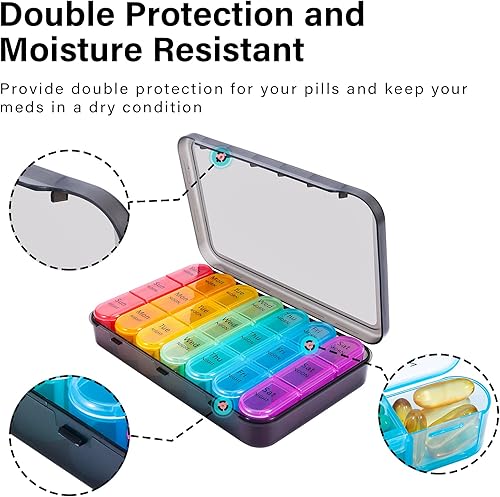
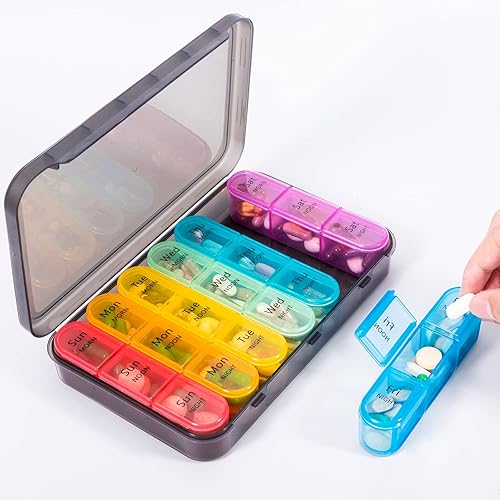
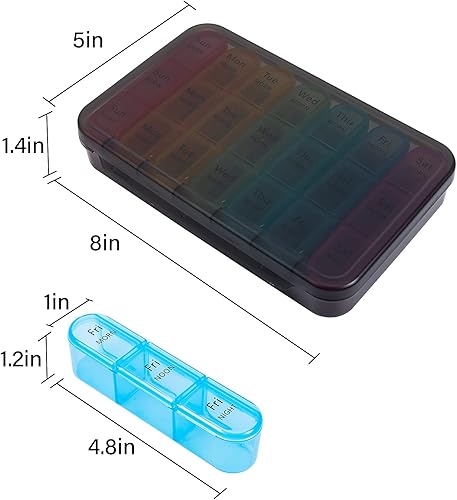
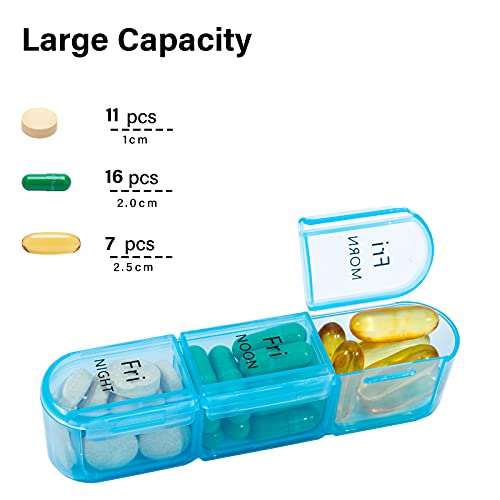
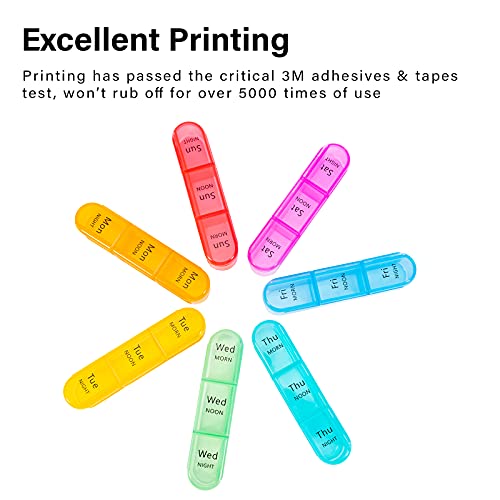
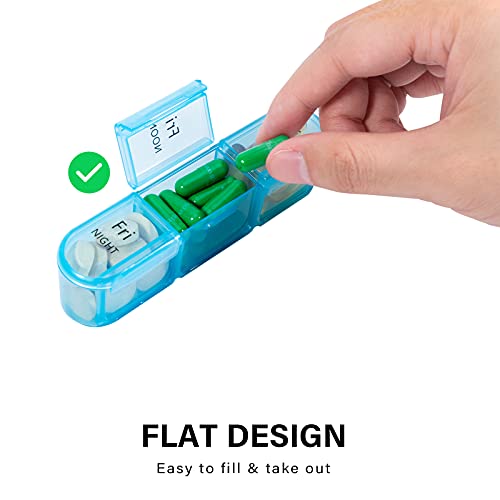
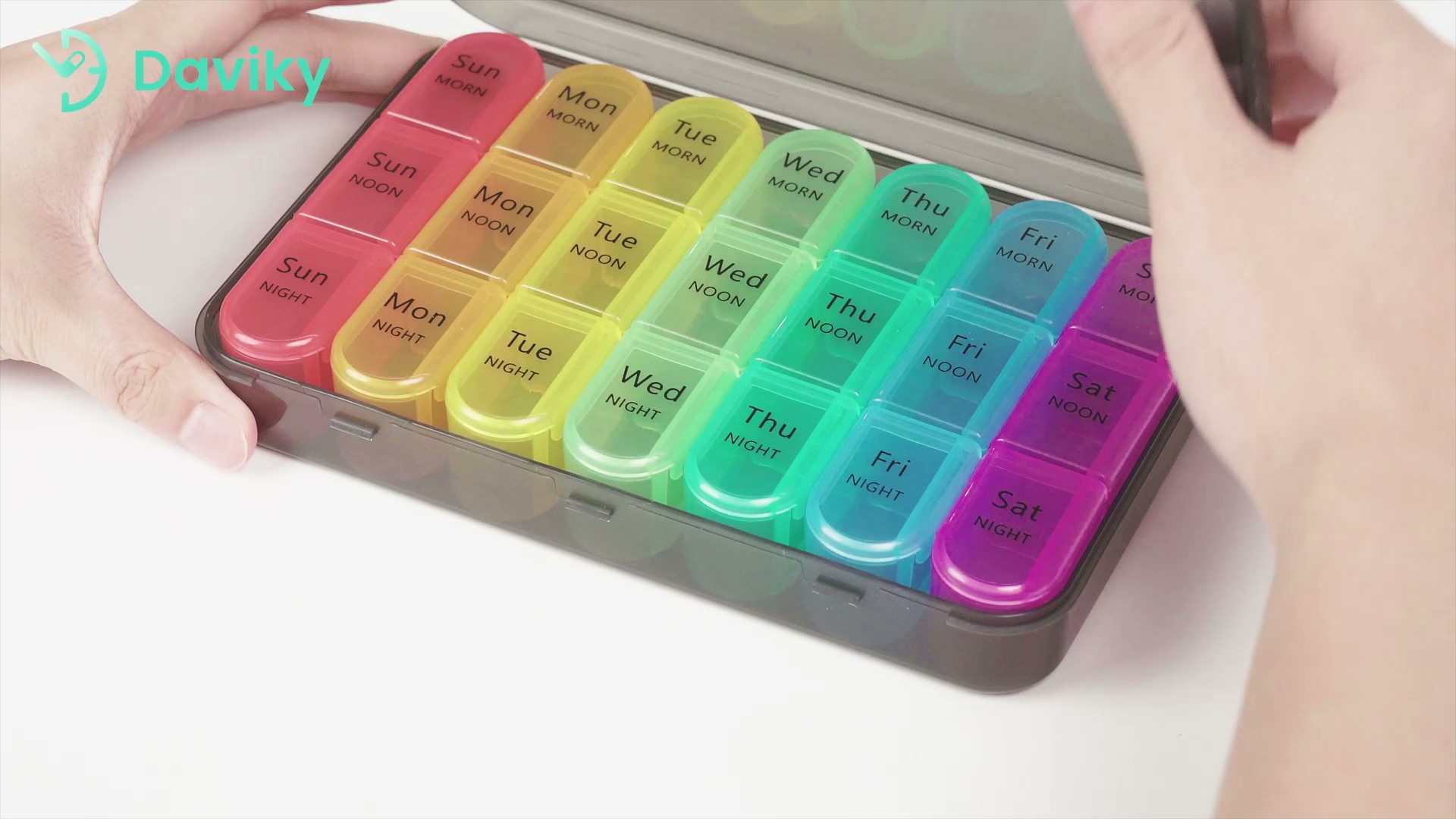
If that matches what you are seeing, one practical option to review is the Daviky Pill Organizer 3 Times a Day, which is described as having an easy open design, large removable daily containers, and a weekly travel case to hold vitamins and medication. Compare its compartment size and lid style to the specific snag you noted before deciding.
This guide contains affiliate links, and we may earn a commission if you buy through them, at no extra cost to you.

Prime Daviky 7-Day Pill Organizer 3 Times a Day










As an Amazon Associate we earn from qualifying purchases. Product prices and availability are accurate as of the date/time indicated.
When to Talk to a Professional Instead
Some struggles signal that a home fix alone is not enough. If your parent often misses doses, takes extra doses, feels confused about timing, or has had a recent change in medicines, memory, vision, or hand function, check with a doctor, physician, or pharmacist before making more changes on your own. Bring the organizer, the pill bottles, and your notes about where the confusion happens.
This type of organizer is not ideal for seniors who need locked or timed dispensing, have frequent dose changes that require daily re sorting, or live with significant cognitive changes where an open box could lead to mix ups. It is also not a good fit if the home setup makes it hard to keep medicines safe, dry, and out of reach of children or pets. In those situations, a healthcare provider or occupational therapist can suggest safer systems and storage options.
A professional can also help you decide whether a different system, like a locked automatic dispenser, a pharmacy pre filled pack, or caregiver supported filling, would better match your parent’s needs. That guidance is especially important after a hospital stay, a new diagnosis, or when several medicines must be taken at precise times.
Frequently Asked Questions
How can I tell if the problem is the organizer or the routine?
Watch for a pattern over one week. If the same lid, label, or time of day causes trouble, the design or setup is likely the issue. If misses happen at random times or after a schedule change, the routine and reminder cues may need attention first.
What if my parent keeps forgetting whether they already took a dose?
Try a simple visual check, like flipping the daily container over after use or marking a paper chart right after taking medicines. Keep the organizer in one consistent spot and avoid moving it between rooms, which can break the cue.
Should I fill the organizer with them or for them?
Many families find it helps to fill it together at first, so you can both confirm the list and spot any hard to open lids or crowded compartments. If filling together still leads to errors or stress, ask a pharmacist or healthcare provider about other filling options and whether a different organizer style would be easier to manage.
Browse more picks in our Kitchen Adaptive Tools category, or see our related guide on Kitchen Reacher Tools for Arthritic Hands in 2026.










Write Your Review
No reviews yet. Be the first to share your experience!