

Quick Answer
The most common reason a jar opener feels unsafe from a wheelchair is working at the wrong height on a slippery or unstable surface while needing two hands and extra force. Lower the work surface to elbow height, lock your chair, create a non-slip base, and use a low-effort, one-handed grip method so you can stay centered without leaning or overreaching.
Why This Happens
Many jar openers are designed for a standing posture at standard counter height, which can force a seated user to reach up, lean forward, or bend the wrist at an awkward angle. That reaching reduces control and makes the lid harder to turn.
Always check with a healthcare provider or occupational therapist before making mobility or kitchen safety changes for a senior in your care. They can assess reach, posture, and support needs specific to wheelchair use.
Mounted or countertop openers can also shift if not anchored well. If the base slides or the jar moves, you need more force, which increases the chance of the jar tipping or your hand slipping.
Many openers require two hands, strong twisting, or holding the jar steady while turning. For a senior using a wheelchair, holding a jar with one hand while twisting with the other may be difficult when lap space or arm support is limited.
Vision, grip strength, and limited trunk support can add to the challenge. A small lid, a wet jar, or a glossy countertop makes it harder to see alignment and keep a steady grip without extra strain.
Kitchen layout matters too. If the opener is at the back of the counter, under a high cabinet, or near a sharp edge, you may need to stretch or reposition the chair in a tight space. That extra movement can make the task feel less secure.
Lighting and fatigue also play a role. Dim light can make it hard to line up the opener, and opening several jars in a row can tire hands and shoulders quickly when seated without good arm support. For more ideas on seated stability, see best jar opener for seniors with balance issues.
Small details like a wet lid, an oily jar, or a cold, vacuum-sealed seal can suddenly increase the force needed. When that happens from a seated position, the natural response is to lean in, which reduces balance.
Practical Steps to Try
Try these steps in order, starting with the simplest adjustments that keep you seated securely and reduce reaching.
- Set the right working height and position. Pull up so your chest is near the counter edge, lock wheel brakes, and keep feet supported. Place the jar and opener on a stable, low section of counter or a sturdy table where your elbows can stay close to your body. Avoid working on a high, deep counter where you must lean.
- Create a non-slip, stable base. Use a damp towel or non-slip mat under the jar, clear clutter, and make sure the surface is dry. If using a mounted opener, confirm it is firmly attached according to its instructions and does not wobble when you apply gentle pressure. A stable base may help reduce the risk of slipping.
- Reduce the effort needed to break the seal. Try tapping the lid edge gently with a spoon handle, running warm water over the metal lid for a few seconds, or using a rubber grip to increase friction. These options let you use less twisting force and stay centered.
- Use one-handed or low-twist methods when possible. A rubber grip pad lets you hold the jar against your body or on a lap tray while turning with the stronger hand. An under-cabinet opener lets you slide the jar in and twist with one hand, which can be more manageable from a seated position.
- Organize for safe reach and clean-up. Keep the opener within easy forward reach, not overhead or behind you. Keep a towel nearby for wet lids, and store heavy jars at counter level so you do not need to lift from a high shelf while seated. If you feel unstable at any point, pause and reposition the chair.
Check each change by doing a slow, dry run without forcing the lid. If you can keep shoulders relaxed, wrists neutral, and the chair stable, the setup is likely more comfortable.
If you share the kitchen with family, label the safe spot with a small mat or tray so everyone returns the opener to the same accessible place. Consistency helps reduce awkward reaching later.
Consider your overall reach plan as well. If you often need to retrieve items from high or deep spots, a reacher can reduce leaning, as discussed in best kitchen reacher tools for seniors with arthritis. Keep the focus on staying centered in the chair.
After each use, wipe lids and mats dry and store the opener where you can see and grasp it without twisting your trunk. A quick reset keeps the next use safer and less rushed.
If a caregiver assists, ask them to place the jar on the non-slip spot and hand you the grip aid at elbow height, rather than holding the jar in the air. This keeps your hands in a stronger, more neutral position.
When a Product Can Help
If repositioning and non-slip mats are not enough, a simple grip aid can make the task more manageable without changing your kitchen layout.
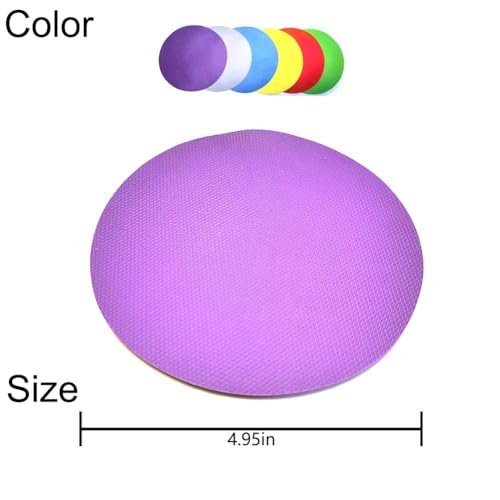
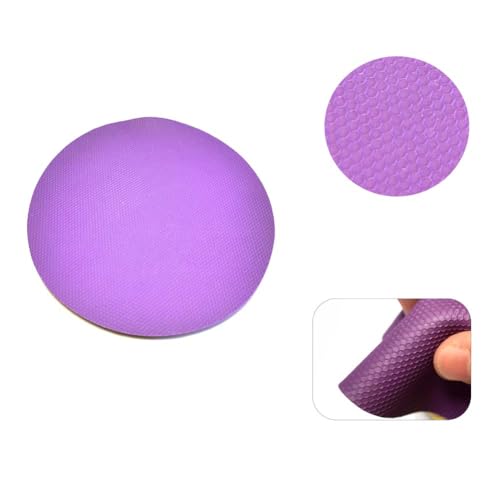
Look for features that support wheelchair use: a large, high-friction surface that works with light pressure, flexibility to handle different lid sizes, and a lightweight design that stores within easy reach. Rubber grip pads are often useful because they add traction for both the lid and the base, and they can also serve as a jar holder on a lap tray or table.
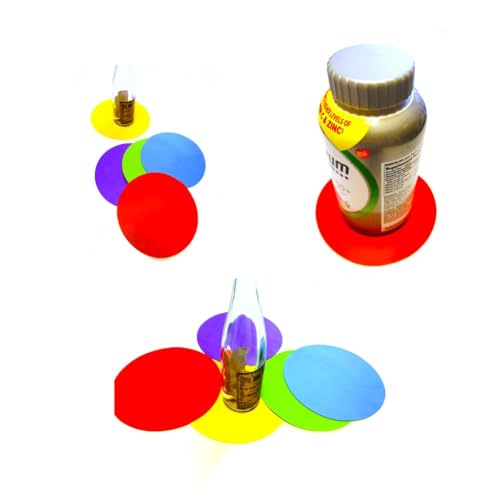
For example, a set of rubber pads gives you extra grip without requiring mounting or strong twisting, and you can keep one near the counter and one on a tray. This type of aid may help reduce the risk of slipping while keeping your posture more neutral.
This guide contains affiliate links, and we may earn a commission if you buy through them, at no extra cost to you.
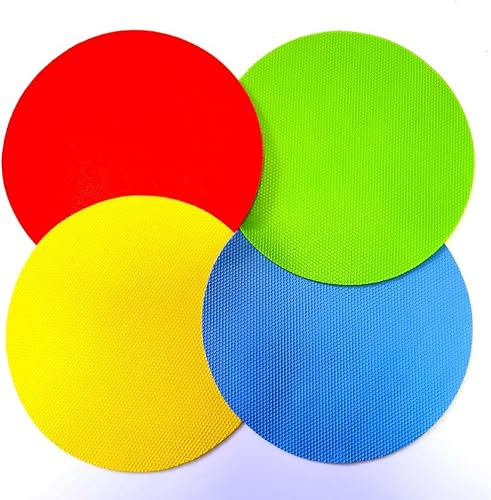
Prime Deofun Rubber Jar Opener Set

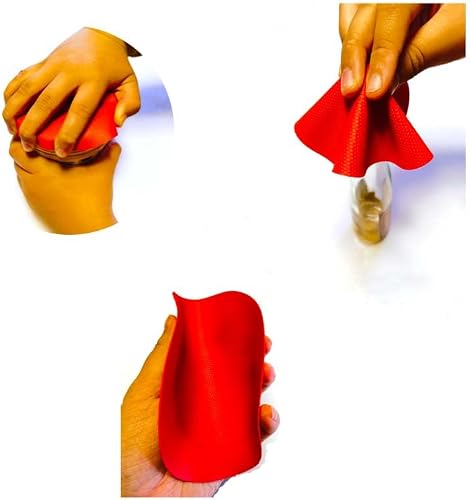


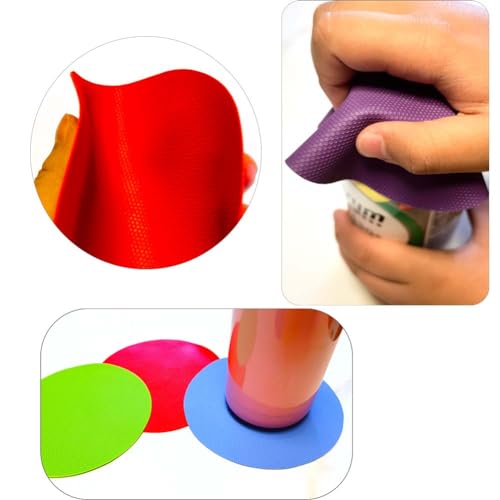
As an Amazon Associate we earn from qualifying purchases. Product prices and availability are accurate as of the date/time indicated.
Keep expectations realistic, no tool removes all effort or risk, but a low-effort grip option combined with a stable surface and good chair position often makes daily opening more comfortable. Store pads where you can reach them without leaning, and replace them if the texture becomes smooth or worn.
For broader kitchen and daily living ideas that support one-handed use, you may also find button hooks for stroke recovery helpful for thinking about tools that reduce hand strain.
When to Talk to a Professional Instead
Some situations call for a clinician’s input rather than another kitchen tweak.
This type of grip aid is not ideal for seniors who have significant shoulder pain, recent surgery, very limited hand strength, or who feel unsteady even when seated and braced. If opening jars causes pain, numbness, or a feeling of tipping, pause and seek guidance.
A physician, occupational therapist, or physical therapist can assess seated posture, reach range, and whether a different adaptive tool, lap support, or kitchen rearrangement would be safer. They can also suggest techniques that match the senior’s specific mobility and strength.
Also talk to a professional if the kitchen layout forces side reaching, if the wheelchair does not fit comfortably under the counter, or if there have been spills or near falls. A home safety evaluation may help reduce the risk of strain or loss of balance more effectively than a product alone.
If the senior is experiencing new weakness, increased fatigue, or changes in hand function, route those questions to a healthcare provider rather than trying to push through with more force. General household guidance cannot replace an individual assessment.
Frequently Asked Questions
What is the safest height for using a jar opener from a wheelchair?
Aim for a surface where your elbows stay close to your sides and your wrists stay neutral, usually counter height or a sturdy table that lets you work without lifting shoulders or leaning forward. Keep the jar near the front edge of the counter so you do not need to reach deep. If you must lean to reach, the surface is likely too high or too far.
Can I use an under-cabinet jar opener if I cannot stand?
You can, but placement is key. It should be mounted where you can slide the jar in from a seated position without reaching overhead or twisting your trunk. If the cabinet is high, deep, or forces you to stretch, a portable rubber grip on a low, stable surface is often a more accessible option.
How do I keep the jar from sliding while seated?
Place a non-slip mat or damp towel under the jar and make sure both the jar and your hands are dry. Hold the jar close to your body or against a lap tray for extra stability, and use a rubber grip pad on the lid to increase friction. If the jar still slides, try a smaller, lighter jar or ask for help repositioning the work surface to a more stable spot.
Browse more picks in our Kitchen Adaptive Tools category, or see our related guide on Kitchen Reacher Tools for Arthritic Hands in 2026.








Write Your Review
No reviews yet. Be the first to share your experience!