

Quick Answer
To make a stair lift safer for a senior with a knee replacement, focus on secure transfers, correct seat height and footrest position, and slow, supported movement. Make sure the seat locks in place before sitting or standing, keep feet flat on the footrest, use armrests and any nearby handrail for support, and confirm the lift stops fully at the top and bottom landing before you move.
Why This Happens
After a knee replacement, bending the knee deeply, twisting, or putting weight on an unsteady leg can feel uncomfortable and less stable. A stair lift seat that is too low, too high, or that swivels unexpectedly can make standing up or sitting down harder, especially if the footrest is not positioned for a natural knee angle. Always check with a healthcare provider, physician, or physical therapist before making mobility changes for a senior in your care.
Many stair lift concerns come from fit and setup rather than the lift itself. If the seat does not swivel and lock facing the landing, the person may need to twist their new knee to get on or off. If the footrest is too high or too low, the knee stays bent at an awkward angle during the ride, which can affect comfort and balance on arrival.
Home conditions also play a role. Loose stair treads, dim lighting, clutter on the stairs, or a missing second handrail can make the approach to the lift less secure. A lift that stops a few inches short of the landing or a seatbelt that is hard to reach can add extra reaching and shifting that feels unsteady. For guidance on ideal positioning, see How High Should Stair Lift Be for Elderly.
Finally, habits matter. Rushing, carrying items while riding, or trying to stand before the lift has fully stopped and locked can increase the chance of a misstep. After surgery, family caregivers often notice the senior favors one leg or needs more time to get aligned, which is a sign to slow the routine and add more support at the top and bottom.
Practical Steps to Try
- Check the swivel, lock, and seatbelt before each ride. At the landing, swivel the seat so it faces the hallway, listen or feel for the lock to engage, and set the brakes if your model has them. Fasten the seatbelt snugly and keep hands on the armrests until the lift is fully stopped. This helps reduce the need to twist the knee during transfers.
- Adjust seat height and footrest for a comfortable knee position. The senior should be able to sit with feet flat on the footrest and knees bent at a relaxed angle, not forced deeply or dangling. If the lift allows adjustment, set it so the senior can stand by pushing up with arms and the stronger leg, without leaning far forward. If you are unsure what height is appropriate, ask a physical therapist for guidance and review How High Should Stair Lift Be for Elderly for general setup tips.
- Add hand support at both landings. Confirm the wall-mounted handrail is secure along the full staircase, and consider a second rail on the opposite side if space allows. Keep the landing area clear, add non-slip treads if the floor is smooth, and make sure light switches are easy to reach. Good lighting and a clear path may help reduce the risk of a slip when stepping on or off the lift.
- Practice a slow, consistent transfer routine. Try this sequence: lift arrives and locks, swivel seat to landing, feet flat, hands on armrests, stand with weight through the arms and the stronger leg, pause for balance, then step away. Reverse the steps when sitting down, and avoid carrying bags or laundry while riding. One common option is to have a caregiver stand by at the landing for the first few days to offer steadying support.
- Inspect the lift and stairs weekly. Look for loose screws on armrests and footrest, check that the track is free of objects, and confirm the remote call stations at the top and bottom work. Keep the track and footrest clean and dry, and follow the manufacturer instructions for charging or battery care so the lift does not stop mid-ride. If anything feels loose, makes a new noise, or does not lock, pause use and contact the installer or manufacturer.
When a Product Can Help
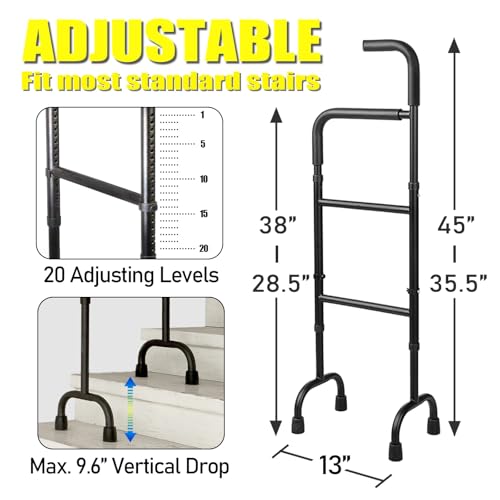
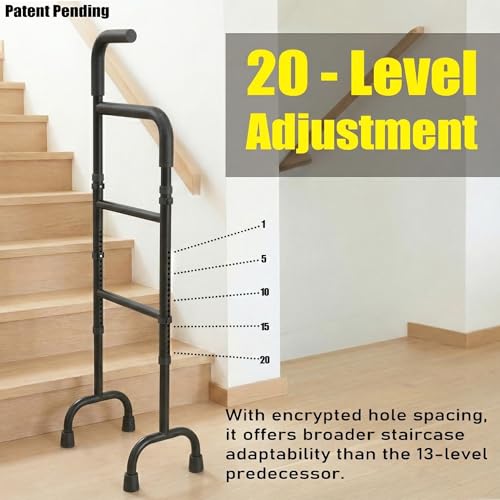
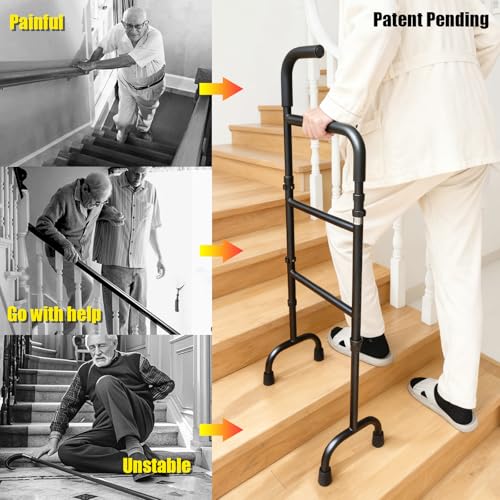
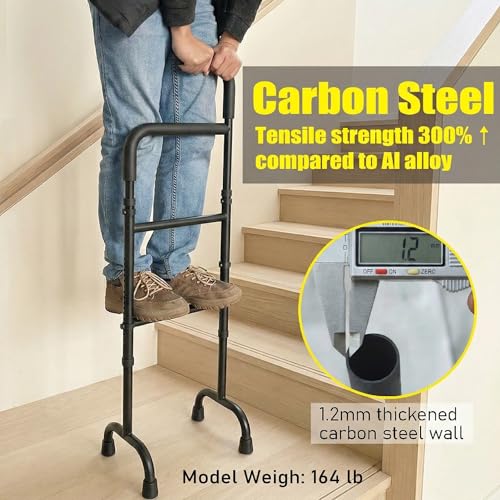
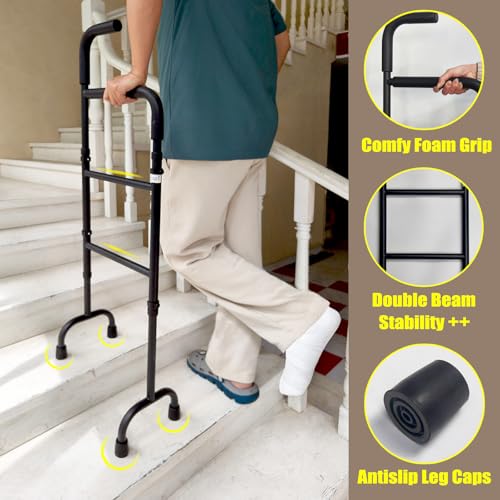
A product can be a reasonable next step when the stairs themselves are the challenge and the senior can still walk short distances with a handrail but needs a steady, half-step support between stair levels. In that situation, a stair-specific assist cane that provides an intermediate step and a stable handle may help reduce the need for deep knee bending, especially when used together with a fixed wall handrail. One option caregivers consider in this scenario is the 20-Level Adjustable Stair Climbing Assist Cane, which is described as offering adjustable height levels and non-slip feet to support more controlled stair movement alongside an existing handrail. For broader context on choosing between different types of support, you may find hearing amplifier vs stair lift for elderly helpful for understanding how stair lifts fit into a larger home safety plan.
This guide contains affiliate links, and we may earn a commission if you buy through them, at no extra cost to you.

Prime HeywoodCabin Stair Climbing Assist Cane



As an Amazon Associate we earn from qualifying purchases. Product prices and availability are accurate as of the date/time indicated.
When to Talk to a Professional Instead
This type of stair aid is not ideal for a senior who cannot bear weight on the recovering leg, who feels dizzy or very unsteady when standing, or whose staircase is narrow, spiral, or lacks a securely mounted wall handrail. It is also not the right choice if the stair lift itself is wobbly, does not lock, or stops inconsistently, since those are installation or service issues rather than something an add-on cane can address.
Talk with a physician, physical therapist, or occupational therapist if the senior has had a recent fall, reports increased swelling or discomfort in the knee, needs hands-on help for every transfer, or if you are considering a new stair lift or major modification. A professional can assess safe transfer techniques, recommend the correct seat height and support setup, and confirm whether the current lift or the home layout is suitable. You can also explore more options in the Stair Lifts & Transfers and Mobility Aids sections for related guidance.
Frequently Asked Questions
Should a senior with a new knee replacement sit or stand differently on a stair lift?
Try to keep the ride slow and seated with feet flat, knees at a comfortable angle, and the seatbelt fastened. When getting on or off, swivel the seat to face the landing, lock it, and use the armrests to push up, keeping weight through the arms and the stronger leg while a caregiver spots nearby if needed.
What makes a stair lift feel less stable after knee surgery?
Common factors include a seat that is too low or high for the senior’s height, a footrest that leaves the knee overly bent, a swivel that does not lock, or a landing area that is cluttered or poorly lit. Checking the lock, height, lighting, and handrail support often helps identify the source without changing the lift itself.
Do we need a second handrail if we already have a stair lift?
A secure wall handrail at the top and bottom landings is still helpful, even with a lift, because it gives extra support during the sit-to-stand transfer. If the staircase allows, a second rail on the opposite wall may help reduce the risk of imbalance when stepping on or off, but an installer or occupational therapist can confirm what is feasible for your stairs.
Browse more picks in our Stair Lifts & Transfers category, or see our related guide on Stair Lift Height Guide for Elderly in 2026.








Write Your Review
No reviews yet. Be the first to share your experience!