

Quick Answer
If your threshold ramp feels unsafe for a senior wheelchair user, the most common fix is to improve stability and traction rather than push harder. Check that the ramp does not move when touched, that the surface grips the wheels, that the slope matches the rise, and that both edges sit flush with the floor. A ramp that still shifts, flexes, or creates a lip after those checks may be the wrong size or type for that doorway.
Why This Happens
Threshold ramps often feel unstable because they are not secured to the surface beneath them. Rubber ramps can creep on smooth tile or vinyl, and lightweight aluminum ramps can lift at the top edge if the floor is uneven. Even a small amount of movement can make a caregiver feel unsure when pushing or guiding a wheelchair.
Slope is another frequent issue. A ramp that is too short for its rise feels steep, requires more effort, and can cause the front casters to catch. Always check with a healthcare provider, physician, or physical therapist before making mobility changes for a senior in your care, especially if balance or strength has recently changed.
Traction and edge transitions also matter. Dust, moisture, or worn texture reduces grip for wheels and feet, and a raised lip where the ramp meets the threshold can jolt the chair. Outdoor entrances add weather, leaves, and water drainage problems that make surfaces slicker.
Finally, the ramp may simply be mismatched to the doorway. Door widths, threshold shapes, and landing space vary, and a ramp that is too narrow, too long, or not rated for the combined weight of the user and chair may flex or sit at an angle. For more background on entrance options, you can review this guide to wheelchair ramps for seniors with hearing loss and general mobility considerations.
Practical Steps to Try
Try these checks in order, from easiest to more involved. Stop and get help if the ramp moves under load or if the senior feels unstable at any point.
- Confirm the ramp fits the rise and the doorway. Measure the vertical height from the lower floor to the top of the threshold, then compare it to the ramp length. A longer ramp creates a gentler slope. Also measure the doorway width and landing area so the ramp does not block the door swing or leave wheels hanging over the edge. If you are comparing entrance setups, this overview of outdoor wheelchair ramp options for elderly users can help you visualize fit.
- Make the base stable and flush. Place the ramp on a clean, dry, flat surface and press firmly on all corners to check for rocking. For rubber ramps, confirm the bottom channels or grip pattern sit flat and the entire base contacts the floor. For aluminum ramps, check that adjustable feet or flaps sit evenly and that no gap remains at the top lip where wheels could catch.
- Improve traction on top and underneath. Sweep and wipe the ramp surface to remove dust and moisture, and clear debris from the grooves that channel water. Check that the walking surface has a textured, non slip pattern and that the bottom will not slide on your flooring. Add a high friction mat underneath only if the manufacturer allows it, and never stack mats to raise height.
- Secure the transition points. Look closely where the ramp meets the threshold and the lower floor. There should be no raised edge higher than a small lip, and the ramp should not shift when you push on it from the side. If the ramp uses adhesive or fasteners, follow the product instructions for surface preparation. Keep the area well lit so the edge is easy to see, a tip also highlighted in motion sensor night light guides for fall prevention for low light areas.
- Do a slow, assisted roll check without the senior in the chair first. With a caregiver at the handles, roll the empty wheelchair up and down the ramp to feel for wobble, flex, or scraping. Listen for rubbing at the top edge and watch the casters as they cross the transition. If the chair hesitates, tilts, or the ramp moves, adjust placement or consider a different ramp size before regular use.
When a Product Can Help
A product change is a reasonable next step when the current ramp is the wrong height, too narrow, too steep, or cannot stay stable on your flooring despite cleaning and repositioning. In those cases, a ramp with a broader base, a longer length for a gentler slope, and a high traction rubber surface may help reduce the risk of slipping or tipping compared to a smaller or worn ramp.
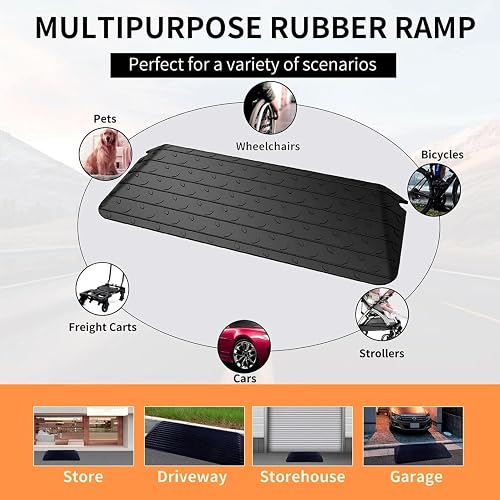
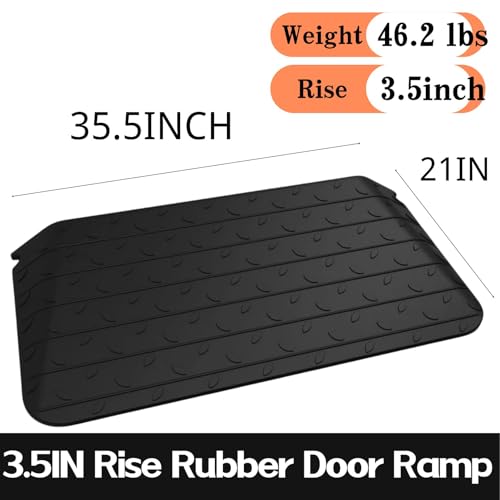
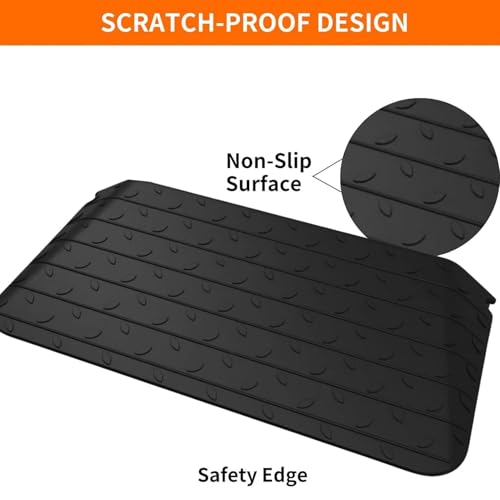
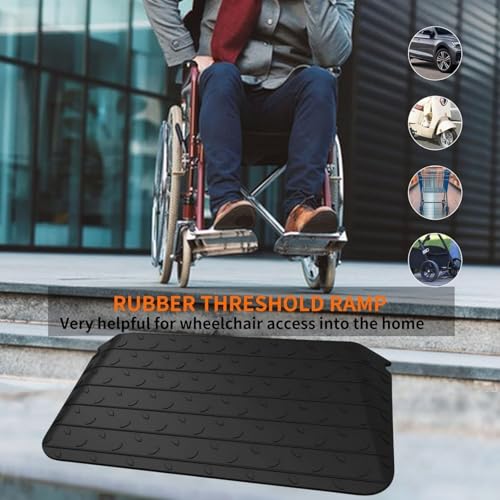
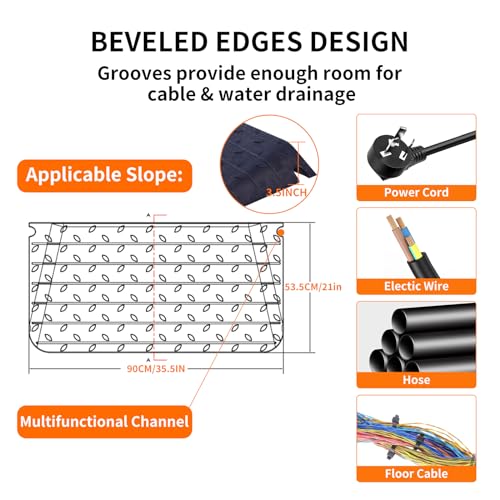
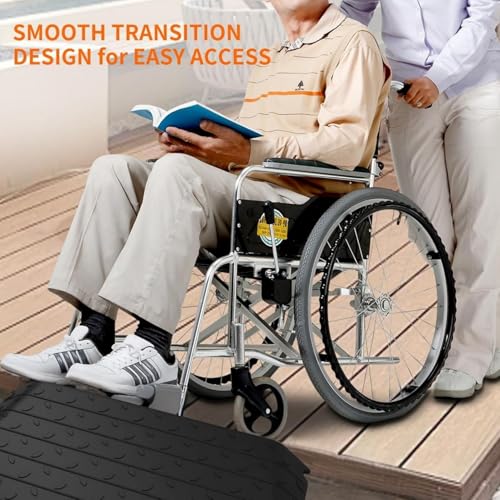
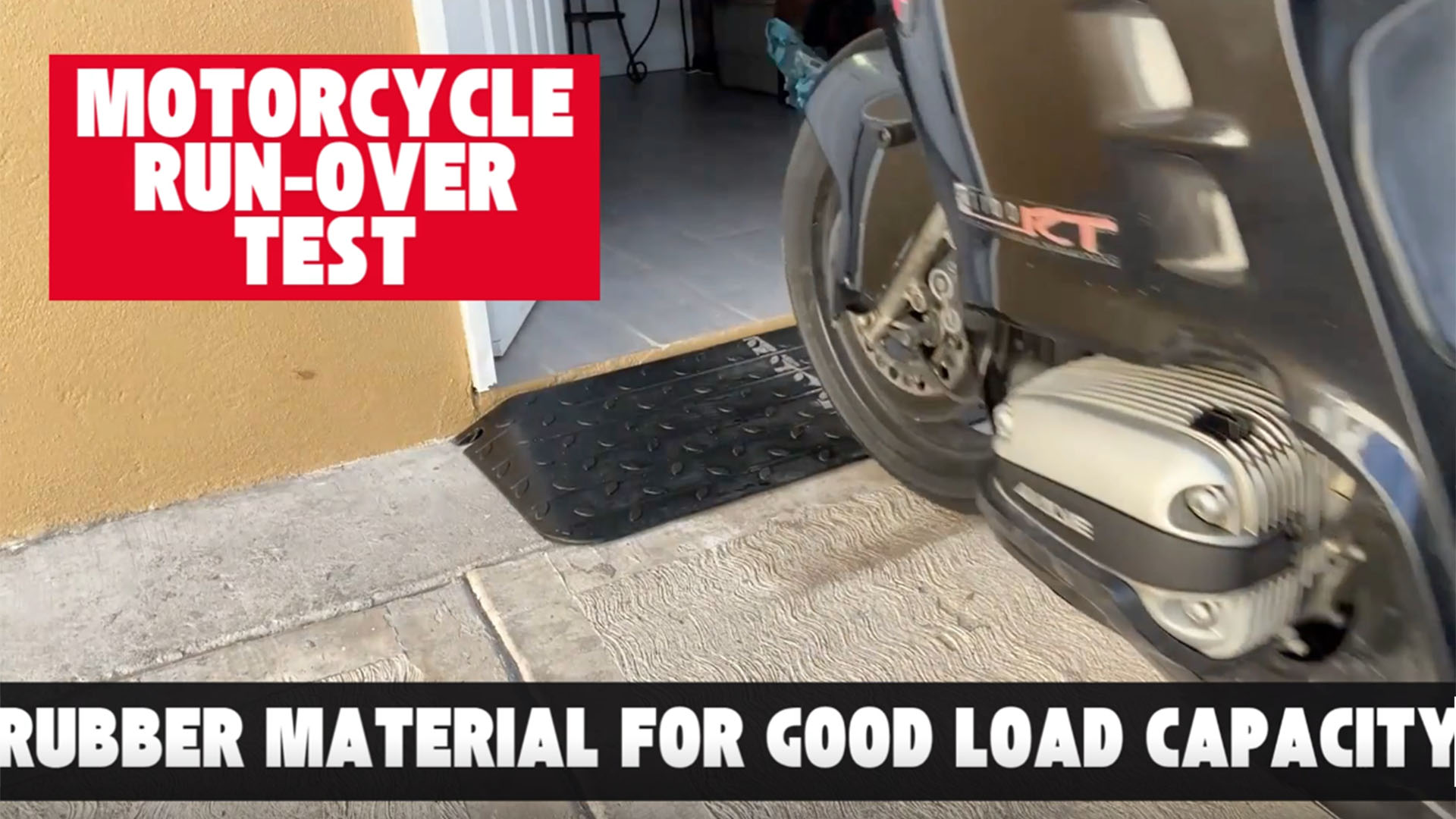
One common option is a solid rubber threshold ramp that stays in place with its own weight and surface texture. For example, the BESEA 3.5″ Rise Threshold Ramp Anti-Slip is described as a 35.5 inch long rubber ramp with a non slip surface, a stable base, and a channel bottom for drainage and cable coverage, and it is rated to hold up to 5500 lbs for wheelchairs, scooters, and walkers. That type of construction may help create a smoother transition through doorways and curbs when the rise matches the ramp height.
This guide contains affiliate links, and we may earn a commission if you buy through them, at no extra cost to you.

Prime BESEA 3.5 Inch Rubber Threshold Ramp




As an Amazon Associate we earn from qualifying purchases. Product prices and availability are accurate as of the date/time indicated.
If you try this style, confirm the 3.5 inch rise matches your measured threshold height, that the 21 inch width fits your doorway with room for hands and wheels, and that you have enough floor space for the 35.5 inch length. Keep the ramp clean and dry, and recheck stability seasonally as temperature and humidity change.
When to Talk to a Professional Instead
A home fix is not the right choice when the doorway itself creates a hazard that a threshold ramp cannot solve. This includes large level changes over about 6 inches, crumbling concrete, a doorway too narrow for safe wheelchair passage, or a landing with no level space to turn at the top or bottom. A clinician or home safety professional can assess whether a longer modular ramp, a platform, or a different entrance is more appropriate.
This type of ramp also is not ideal for seniors who need significant hands on support to stay upright in the chair, who have had a recent fall, surgery, or hospital stay, or whose wheelchair has changed. In those situations, talk to a doctor, physical therapist, or occupational therapist before relying on any ramp. They can review strength, seating, wheel locks, and caregiver technique that affect safety beyond the ramp itself.
You should also seek professional guidance if the ramp must be used on a steep driveway, across a large gap, or where water pools and freezes. A professional can evaluate slope, drainage, handrail needs, and whether a permanent installation with proper footings is needed. Never modify a ramp by cutting, stacking, or adding makeshift supports to make it fit.
Frequently Asked Questions
How do I know if my threshold ramp is too steep for a wheelchair?
Measure the rise and the ramp length. If the senior or caregiver must push very hard, the front wheels lift, or the chair feels like it could roll back, the slope is likely too steep for comfortable use. A longer ramp for the same rise creates a gentler slope, and a physical therapist can advise on what is manageable for your situation.
Why does my rubber threshold ramp keep sliding?
Sliding often comes from dust, moisture, or a smooth floor that reduces friction underneath. Clean both the floor and the ramp bottom, dry them fully, and confirm the ramp sits flat with full contact. If it still moves, the ramp may be too light for the surface or the wrong size for the threshold, and a heavier, wider base or different placement may help.
Can I use a threshold ramp on an uneven outdoor entrance?
You can try, but outdoor surfaces are more variable. Check for level, fill small gaps only as the manufacturer allows, and keep the textured surface clear of leaves and water. If the entrance is cracked, sloped sideways, or has no level landing at the door, a threshold ramp alone is often not a good fit and a professional assessment is a safer next step.
Browse more picks in our Outdoor & Entrance Safety category, or see our related guide on Door Lever Handles for Seniors Outdoors in 2026.








Write Your Review
No reviews yet. Be the first to share your experience!