

Quick Answer
If your smart doorbell with large display keeps coming loose, the most common cause is the mounting method, not the doorbell itself. Adhesive pads often fail on textured, dusty, cold, or slightly damp surfaces, and small screws can pull out of vinyl siding, hollow door frames, or crumbling mortar. Before you replace the unit, try cleaning the surface thoroughly and switching to a solid backing plate with proper wall anchors, this alone often stabilizes the display for aging in place use.
Why This Happens
Large display doorbells are heavier and catch more leverage than a small button. Every time you press the screen, pull the door, or close a storm door nearby, that weight tugs on the mount. If the mount is only held by double-sided tape or one short screw, it will gradually work loose.
Adhesive failure is very common in entryways. Paint texture, brick dust, vinyl texture, cold winter air, and summer heat all reduce stickiness. Even if the tape felt strong on day one, temperature swings and moisture can make it peel away weeks later, especially on exterior walls that are not perfectly flat and clean.
The wall material also matters. Vinyl siding flexes, hollow metal door frames do not hold small screws well, and older wood trim may be soft or split. Without an anchor that spreads the load, the screw holes enlarge and the display starts to tilt or wobble. For more ideas on entry devices that are easier to see and use, you may find our guide to large display doorbells for stroke recovery helpful for context on placement and visibility.
Daily use adds vibration and cord strain. A display that sits on a counter or is wall mounted with a charging cable can be tugged when you unplug it, clean around it, or bump it while carrying items. If the cable pulls or the display is lifted often, the wall bracket loosens faster. Choosing locations with less traffic and a stable, flat surface helps reduce this movement.
Practical Steps to Try
- Clean and assess the mounting surface. Remove the doorbell and bracket, then wash the area with mild soap and water, dry it completely, and wipe with isopropyl alcohol if the surface allows. Check if the surface is flat, solid, and smooth. If it is textured, uneven, or flexible like vinyl, adhesive alone is not ideal and you will need mechanical fasteners.
- Add a flat backing plate or mounting block. One common option is to mount a small, flat board, PVC block, or siding mounting block first, then attach the doorbell bracket to that block. This gives you a stable, flat area that distributes weight and avoids screwing directly into uneven siding or mortar. Try to choose a block that sits flush and does not create a trip or pinch point near the door swing.
- Switch to the right anchors and screws for your wall. For solid wood trim, use longer wood screws that reach solid wood. For drywall or hollow frames, try wall anchors rated for the material. For brick or concrete, use masonry anchors and a drill bit sized for the anchor. Check that screws are snug but not overtightened, and that the bracket does not flex when you press the display.
- Reduce weight, vibration, and cable pull on the indoor display. If the large display is wall mounted indoors, make sure the bracket is level and the screws hit a stud or use drywall anchors. If it sits on a table, place it on a non-slip mat away from the edge where it could be knocked. Keep the charging cable with a little slack and route it so it does not tug on the unit when you walk by. You can also review related entry options like smart locks for seniors with low vision to coordinate placement so the doorbell, lock, and lighting are all easy to reach without stretching.
- Check placement for weather and door movement. Try to avoid spots that get direct rain, strong sun, or constant vibration from a slamming storm door. If possible, mount on the protected side of the trim or under an overhang, and use a small drip cover if your model allows it. Make sure the door and screen door can open fully without hitting the display or bracket.
When a Product Can Help
A different product can help when the current bracket is too small, the adhesive has failed repeatedly, or the display is simply too heavy for your wall type. In those cases, a simpler wireless system with a lightweight button outside and a separate indoor display or chime that does not need wall anchors outside may be easier to keep stable. Look for options that offer screw and adhesive choices, a flat mounting plate, and an indoor unit that can sit securely on a table instead of hanging on the wall.
This guide contains affiliate links, and we may earn a commission if you buy through them, at no extra cost to you.

Prime SECRUI M520+F55 Wireless Doorbell Kit


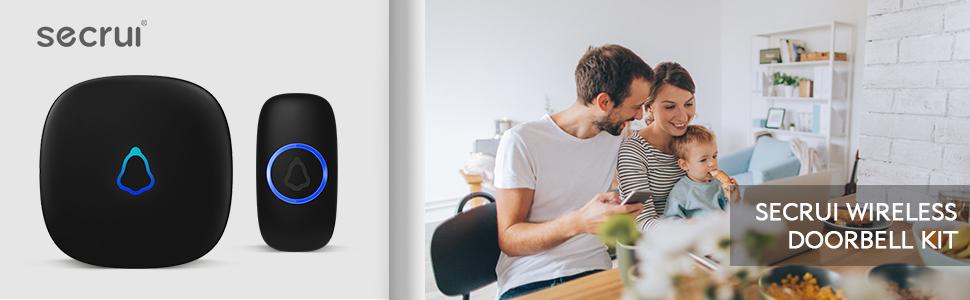




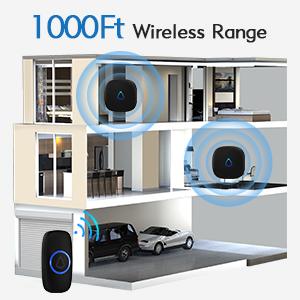


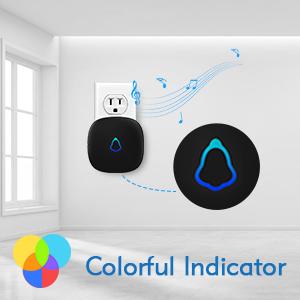
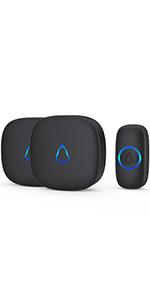


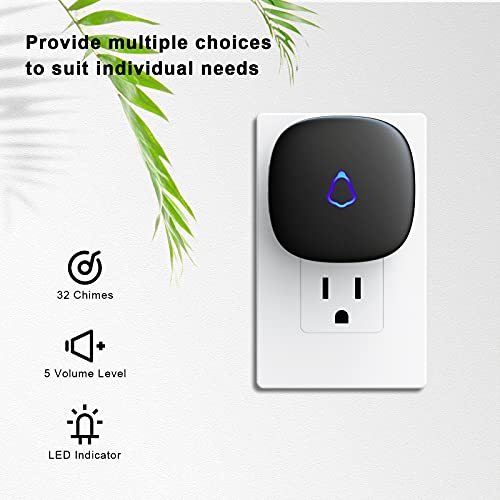

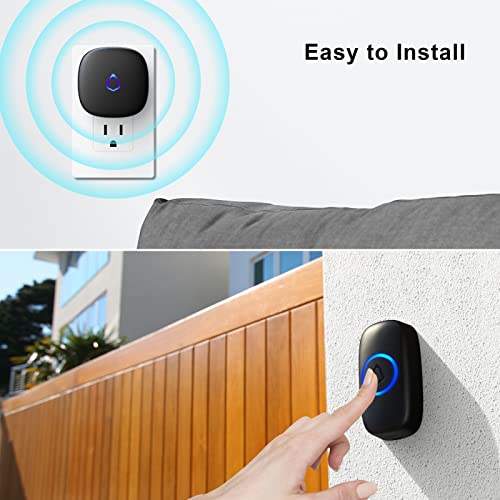
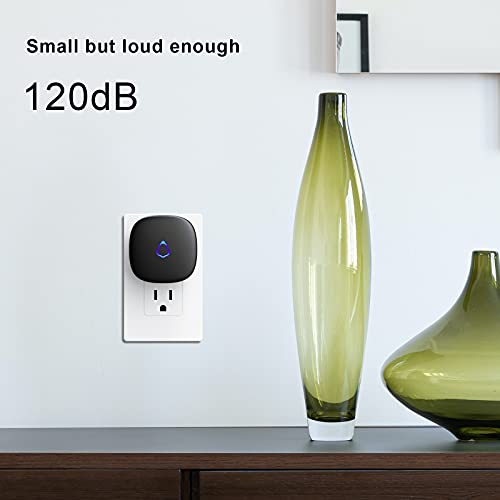

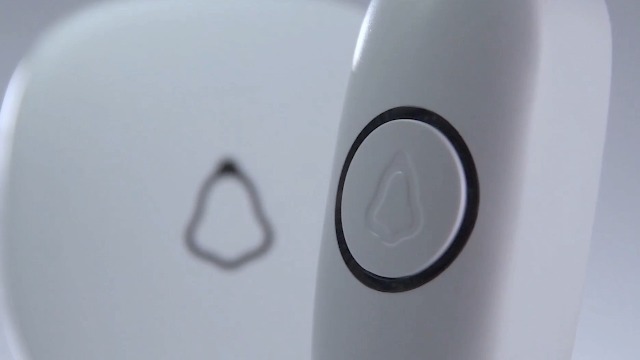
As an Amazon Associate we earn from qualifying purchases. Product prices and availability are accurate as of the date/time indicated.
If you prefer to keep a large display, try a model where the heavy screen stays indoors on a stand while only a small, light button mounts outside. This reduces stress on exterior surfaces and keeps the part you interact with most at a comfortable height indoors. For overall entry ease, you might also compare smart locks designed for seniors with knee replacement so you can open the door with less bending or reaching after you see who is there.
When to Talk to a Professional Instead
If the door frame is cracked, the wall is crumbling, wiring is exposed, or the doorbell feels electrically loose or hot, skip the DIY fix and contact a qualified handyman or electrician. This is also not ideal for situations where a senior is feeling unsteady while reaching, leaning, or stepping to answer the door, or where the entry has poor lighting, loose steps, or a heavy door that is hard to manage.
Aging in place often benefits from a broader look at the entryway. A professional can check mounting safety, door swing, threshold height, and lighting in one visit, and suggest a setup that may help reduce the risk of strain or falls. This is not a good fit for a quick adhesive patch if the underlying surface cannot safely support any mounted device.
If you notice repeated loosening despite solid anchors, ask a professional to evaluate whether a different wall location, a reinforced mounting block, or a tabletop indoor display would be more stable for your home layout. They can also confirm that any drilling will not affect wiring, siding warranties, or weather sealing.
Frequently Asked Questions
Why does my large display doorbell fall off even with strong tape?
Most tapes need a perfectly clean, flat, warm, and dry surface to hold. Entry walls are often textured, dusty, or cold, and the weight of a large display adds leverage that slowly peels the tape away. Mechanical fasteners with a flat backing plate usually hold more reliably on exterior surfaces.
Can I mount the display indoors instead of by the front door?
Yes, many systems keep only a small button outside and place the larger display or chime inside on a table or wall where it is easier to secure. Try placing the indoor unit at eye level in a spot where you can see it without reaching or stepping up, and keep the cable routed with slack so it does not pull.
What if I rent or cannot drill into the wall?
Try a no-drill siding clip or a freestanding indoor display that does not require exterior screws, and check your lease for allowed methods. One common option is to use a removable mounting block designed for siding that clips on without holes, then attach the doorbell bracket to that block. If nothing feels secure, ask your landlord or a handyman about approved alternatives.
Browse more picks in our Smart Locks & Entry category, or see our related guide on Package Delivery Boxes for Hearing Loss in 2026.






Write Your Review
No reviews yet. Be the first to share your experience!