

Quick Answer
If your elderly parent struggles with a one-handed cutting board, check stability and food grip first before replacing it. Most problems come from the board sliding on the counter, spikes not lining up with the food, or using a knife that needs too much pressure. Try securing the base, adjusting how food sits on the spikes, and switching to a lighter rocking cut before you decide to buy something new.
Why This Happens
One-handed boards rely on friction and careful placement to hold food steady for single-handed cutting. Always check with a healthcare provider or occupational therapist before making changes that affect safety or daily function for a senior in your care. If the board is not matched to your parent’s counter surface or hand strength, it may feel unstable even when it is set up as directed.
A common reason for struggling is movement at the base. Smooth counters, a damp underside, or worn non-slip material may let the board shift while cutting. Even a small slide can make your parent feel unsure and cause them to press harder, which reduces control and comfort.
Another cause is how food meets the spikes or clamps. Large or uneven items may not sit flat, and small items like garlic or berries may not catch at all. If spikes are too short, too widely spaced, or placed under a hard core or peel, food can spin or lift instead of staying put for a safe cut.
Technique and tool match also matter. A straight, heavy chef’s knife needs downward pressure that can be tiring with one hand. Boards with a raised edge or corner may help with scooping, but very hard vegetables or crusty bread may need more support than the board was designed to provide. You can explore more options in Kitchen Adaptive Tools to see how different designs address grip and stability.
Practical Steps to Try
Try these adjustments in order, starting with the simplest and safest. Pause after each change to see if control and comfort improve before moving to the next step.
- Secure the base first. Place the board on a clean, dry, flat counter away from the edge. If it has suction feet or a non-slip mat, press down firmly and confirm a solid hold. You can also try a thin non-slip shelf liner underneath for extra grip, and make sure the counter is not oily or wet.
- Check spike placement and food position. Center the food over the spikes and press gently so it sits flat without wobbling. For round items like potatoes or apples, try cutting a small flat spot first, then place the flat side down on the spikes. Use the raised fence or corner to brace softer items so they do not slide.
- Adjust the cutting approach. Encourage a light rocking motion rather than pressing straight down, and use a sharp, lightweight knife that does not require force. Cut smaller pieces, work slowly, and keep the stronger hand or arm close to the board for better control. If the board has a peeler or grater attachment, make sure it is locked into its support before use.
- Simplify the foods you prepare together. Try softer vegetables, pre-trimmed items, or partially prepared ingredients while your parent builds confidence. For bread, use the bread stops or corner brace if available and slice with a serrated knife using gentle back and forth motion. This may help reduce strain while you evaluate whether the board design fits the task.
- Review the setup and environment. Make sure the counter height lets your parent work with elbows slightly bent without leaning. Improve lighting, keep the work area uncluttered, and place a plate or container at the beveled edge to catch food. For related one-handed strategies, see best jar opener for seniors with balance issues and button hooks for stroke recovery.
If one change helps a little but not enough, try combining two small fixes, such as a better base grip plus a flatter food position. Keep sessions short and stop if fatigue or frustration builds, then try again later with a simpler food item.
When a Product Can Help
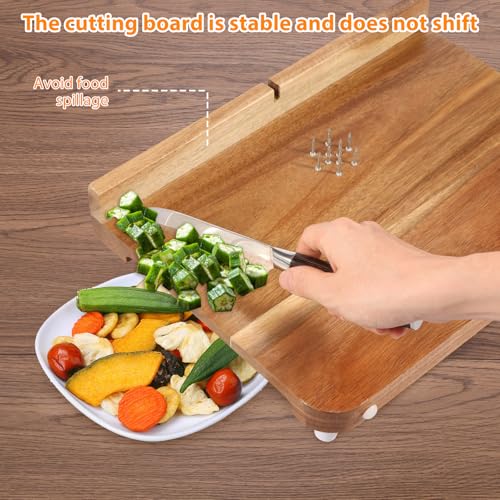
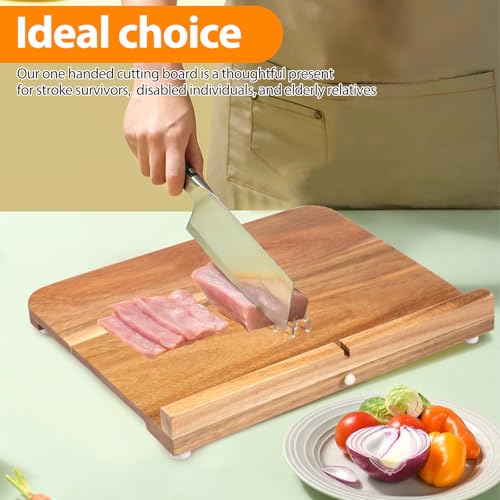
If the board still slides, does not hold food securely, or needs more strength than your parent has, a different design may help more than further adjustments. Look for features described by the maker such as a solid wood surface, a non-slip bottom, and stainless steel spikes that hold food in place for one-handed use. A board with a raised rear fence and beveled edges may also help reduce spills and make it easier to slide food onto a plate with one hand.
This guide contains affiliate links, and we may earn a commission if you buy through them, at no extra cost to you.

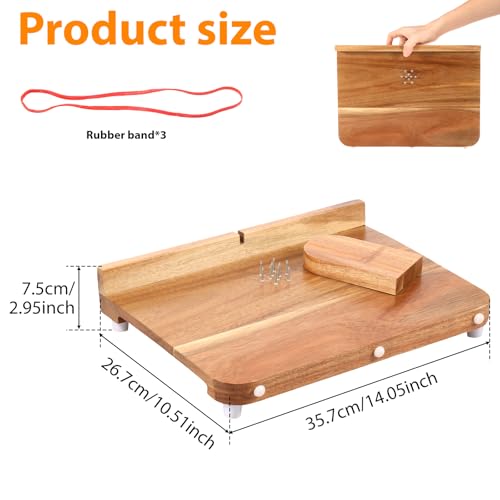
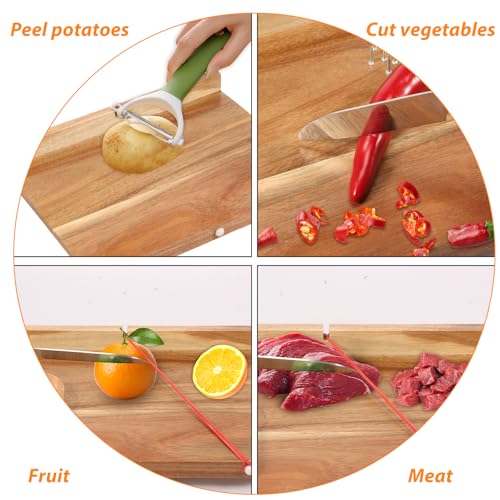
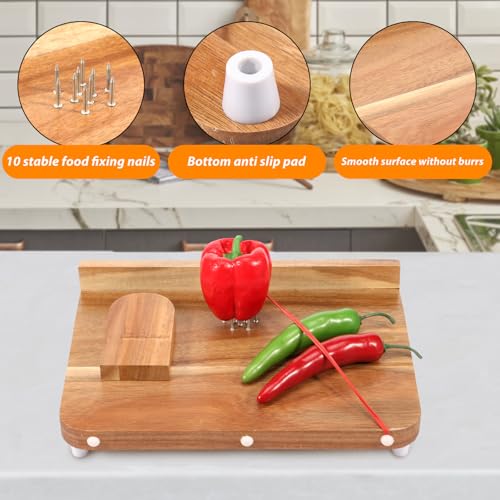
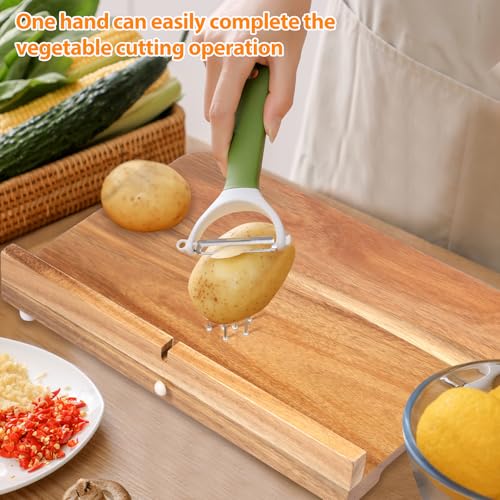
Prime KOUISYY Adaptive One-Handed Cutting Board with 10


As an Amazon Associate we earn from qualifying purchases. Product prices and availability are accurate as of the date/time indicated.
One option families consider is the Adaptive One Handed Cutting Board with Anti-Slip, which is described as having 10 food-fixing pegs and a non-slip mat to keep the board steady during cutting. Its size and finger recesses are noted to help with handling and storage. If you explore a replacement, compare its listed features to what was not working before, such as base grip, spike number, or edge support.
When to Talk to a Professional Instead
Some situations call for professional guidance rather than a home fix. If your parent has new weakness, increased pain, frequent slips at the counter, or trouble standing safely while preparing food, pause kitchen tasks and seek advice.
This type of board is not ideal for seniors who have significant balance challenges at the counter, limited sitting support, or a recent change in hand function that has not been evaluated. It is also not a good fit for very small or very heavy prep that requires forceful cutting, since that can increase strain and may help raise the risk of a cut.
An occupational therapist or healthcare provider may suggest a different adaptive approach, a seated work setup, or added supports for safer meal preparation. They can also review whether the current board matches your parent’s abilities and home layout without diagnosing a condition or prescribing therapy.
If you are unsure which feature matters most, bring the board and a list of foods your parent likes to prepare to the appointment. That context may help the provider suggest general strategies that fit daily routines and the kitchen layout.
Frequently Asked Questions
Why does food spin on the spikes instead of staying put?
Food often spins when it is not centered or not sitting flat on the spikes. Try creating a flat side on round foods and pressing gently so several spikes engage. If the item is very small, soft, or has a hard core, it may not catch well and a different holder design may be needed.
Can I add a non-slip mat if the board still moves?
You can try a thin non-slip liner under a board that is rated for that use, as long as the board still sits flat and does not rock. Make sure the counter and the mat are clean and dry, and check that the board does not lift at the edges. If movement continues, the base design may not suit your counter surface.
When should we stop adjusting and consider a different board?
Consider a different option if the board still slides after securing the base, food will not stay on the spikes, or your parent feels fatigued quickly. Also reconsider if you need features your current board lacks, such as more spikes, a higher fence, or easier handling. A provider may help you compare features to daily needs.
Browse more picks in our Kitchen Adaptive Tools category, or see our related guide on Kitchen Reacher Tools for Arthritic Hands in 2026.




Write Your Review
No reviews yet. Be the first to share your experience!