

Quick Answer
If your wheelchair ramp keeps coming loose, the most common cause is a portable ramp that relies on friction alone sitting on a dusty, damp, or uneven surface without a secure anchor. Check that the top transition plate sits flat on the landing, clean and dry both contact points, and confirm the ramp length matches your step height. In many homes, a thorough cleaning, correct positioning, and using the hardware or non slip features the ramp already includes will steady it more than simply pushing it back into place.
Why This Happens
Most portable folding ramps are designed to be moved and stored, so they rest on a small lip and rubber pads rather than permanent bolts. That design works well on a clean, level landing, but repeated rolling, caregiver foot traffic, rain, and fine grit can slowly walk the ramp out of position.
Surface conditions matter a great deal for stability. Smooth tile, painted concrete, or a threshold with dust or moisture gives the ramp less grip, while an uneven porch or a cracked landing lets the ramp rock. Always check with a healthcare provider or physical therapist before making mobility changes for a senior in your care, especially if the ramp has already slipped during use.
Size mismatch is another frequent reason. When a ramp is too short for the vertical rise, the slope becomes steep and more force pushes against the top edge, which can lift or slide the plate. Measuring the rise from the ground to the landing and comparing it to the guide that comes with the ramp helps you see if the ramp is suited to that entry.
Wear and weather also loosen ramps over time. Screws back out, adhesive strips lose tack, rubber pads thin, and outdoor entries collect leaves and grit that break contact. Reviewing your whole entrance setup can help, and resources like wheelchair ramps for seniors with hearing loss and moen outdoor wheelchair ramp review for elderly show how different ramp styles address stability at home entries.
Practical Steps to Try
- Pause use and inspect all contact points. Look at the top lip, the bottom feet, and the floor or threshold for dirt, moisture, leaves, or damage. Check for a bent transition plate, missing rubber pad, or loose hinge. If you see a crack, bend, or missing part, do not use the ramp until it is repaired or replaced.
- Clean and dry both surfaces completely. Wipe the ramp feet and the landing with a damp cloth to remove dust and grit, then dry fully. On indoor floors, even fine dust can reduce grip. Reposition the ramp so the top plate has full, flat contact with the landing and the bottom sits without rocking or a visible gap.
- Use the stability features exactly as designed. If your ramp includes screws for a wood platform, adhesive strips, leveling feet, or a non slip mat, install them following the included guide. Keep side baffles upright and reflective markers visible. Avoid adding homemade fasteners, extra glue, or drilling new holes, which can damage the floor and may not improve hold.
- Confirm the ramp matches the rise. Measure the vertical height from the ground to the top landing with a tape measure. Compare that number to the recommended use range in the product guide. If the rise is at the top end of the range, the slope will feel steep and the ramp may always feel tippy, which suggests a longer ramp or a different style may be more appropriate.
- Support the entry and supervise transfers. Keep the path clear, well lit, and free of rugs or cords near the ramp. If a handrail or wall is available, make sure it is secure and within reach. Have a caregiver stand by during wheelchair transfers until the ramp feels steady, and explore related guidance such as top portable wheelchair ramp for car for seniors with arthritis in car if you also manage vehicle loading where movement is an issue.
When a Product Can Help
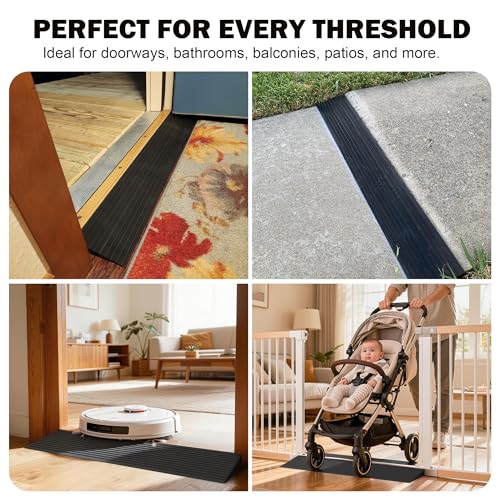
If cleaning and repositioning do not keep the ramp in place, or if your main problem is a low doorway lip that a large folding ramp does not cover well, a dedicated threshold ramp may help reduce shifting. A low profile option that sits flat with adhesive strips and a textured surface can stay put better on a smooth, dry floor than a light folding plate.
This guide contains affiliate links, and we may earn a commission if you buy through them, at no extra cost to you.

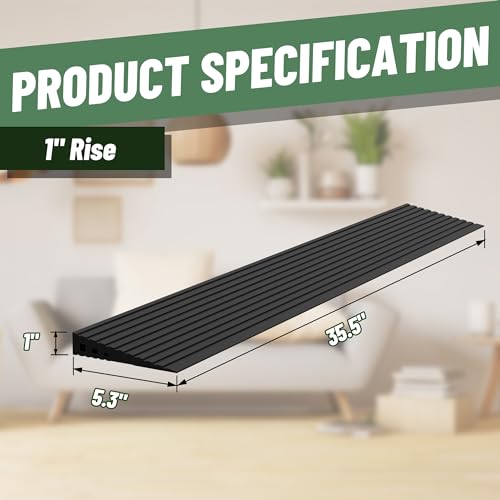
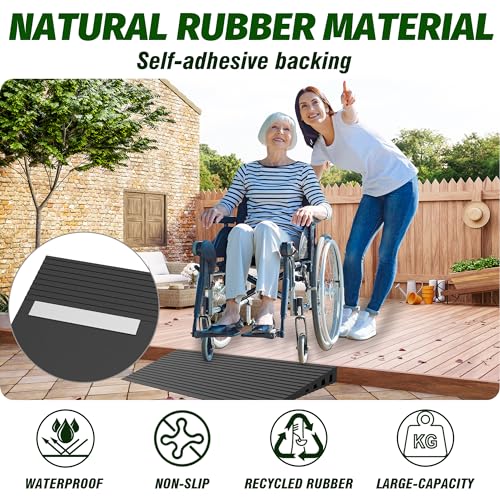
Prime Nuvium 1-Inch Rubber Threshold Ramp, 35.5 Wide


As an Amazon Associate we earn from qualifying purchases. Product prices and availability are accurate as of the date/time indicated.
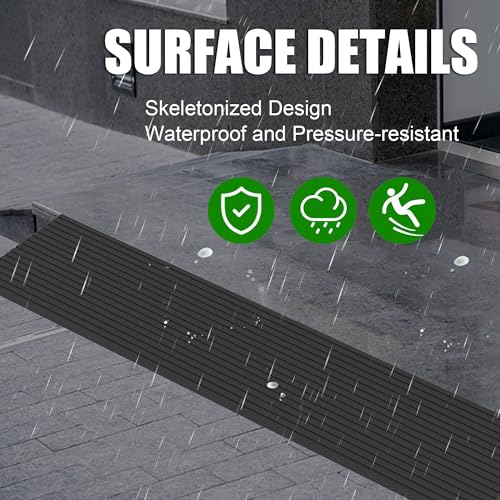
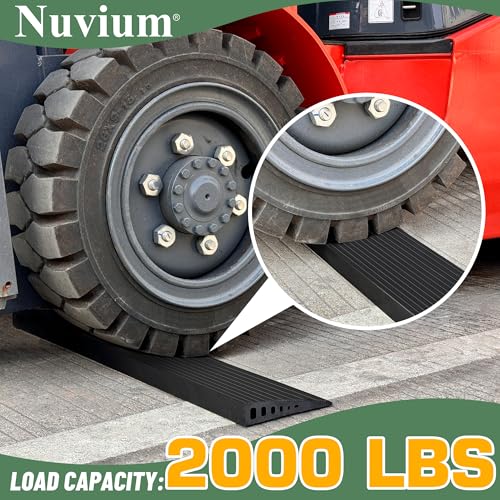
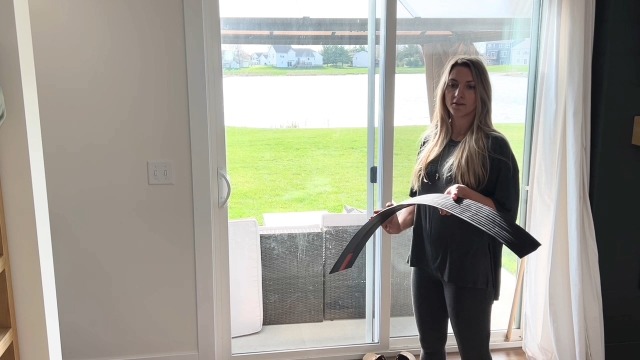
The 1″ Rise Rubber Threshold Ramp for Doorways is described as 35.5 inches wide with deep grooved traction and included double sided adhesive strips to help reduce shifting on clean, dry, smooth surfaces. It is made from dense flexible rubber, can be trimmed to fit narrower openings or placed side by side for wider entries, and is rated to support up to 2000 lb according to its specifications. For a single small step or door sill, this type of design may help provide a steadier transition that is less likely to walk forward with daily use.
When to Talk to a Professional Instead
A ramp that keeps coming loose can be a sign that a quick home fix is not enough, especially when a senior relies on a wheelchair for most daily movement around an entrance.
A portable or threshold ramp is not ideal for entries with a high rise, crumbling concrete, soft or rotting wood, or a landing that is too small to turn safely. It is also not a good fit when the doorway is narrow, the slope would be steep even with a longer portable ramp, or water pools at the base and keeps the surface wet.
Talk with a contractor, occupational therapist, or physician if the ramp still moves after you have cleaned and anchored it as directed, if the senior feels unsteady or needs significant pushing effort, or if there has been a near fall. A professional can measure slope, landing size, handrail needs, and whether a securely installed modular or permanent ramp would better support aging in place.
Professional guidance is also wise if you have multiple steps, no level area at the top for safe pausing, or an entry that changes with weather. An expert can evaluate the whole path, not just the ramp, and suggest changes that may help reduce the risk of falls without promising to eliminate risk entirely.
Frequently Asked Questions
Why does my portable wheelchair ramp slide forward when I roll over it?
This often happens when the top transition plate is not fully flat on the landing or the bottom feet are on dust, moisture, or an uneven spot. Try cleaning and drying both contact points, checking for rocking, and using any non slip mat or adhesive feature the ramp includes to improve contact.
Can I screw down a portable folding ramp to stop it from coming loose?
Only use screws if the manufacturer provides holes and hardware for that purpose, such as complimentary screws for a wood platform. Some ramps rely instead on rubber pads, leveling feet, or adhesive strips. Adding your own fasteners can damage the ramp or floor and may not make it more stable.
How do I know if I need a longer ramp instead of trying to secure this one?
Measure the vertical rise and compare it to the product guide for that ramp. If your rise is near the maximum recommended height for that length, the slope will be steep and the ramp may lift or feel tippy even when positioned well. In that case, a longer ramp or a different style for that height may provide a gentler and steadier transition.
Browse more picks in our Outdoor & Entrance Safety category, or see our related guide on Door Lever Handles for Seniors Outdoors in 2026.








Write Your Review
No reviews yet. Be the first to share your experience!