

Quick Answer
If your transfer belt is not working well for a senior with arthritis, the most common fix is to check fit, placement, and how you grip it. A belt that is too loose, too narrow, or fastened over bulky clothing can slip or dig in, and a small buckle can be hard on hands with arthritis.
Try a snug but comfortable fit around the waist over a thin layer of clothing, with the buckle centered and the belt flat. If that does not help, a wider belt or one with padded handles may give you a more secure hold without extra squeezing.
Why This Happens
A transfer belt often feels ineffective when it does not match the person’s body shape or daily routine. A belt that is too long can shift during a move, while one that is too tight can press on sensitive joints and make the senior resist help.
Arthritis can make gripping and holding more difficult for both of you. Narrow webbing gives you less to hold, and a small metal buckle can be fiddly if your fingers are stiff or sore. The senior may also feel discomfort if the belt sits on ribs, hip bones, or a tender abdomen.
Material and placement matter as well. A belt that slides over slick fabrics, bunches up, or is worn over a thick sweater or jacket will not stay in place. Always check with a healthcare provider or occupational therapist before making mobility changes for a senior in your care, especially if transfers feel unstable.
Finally, technique plays a role. Pulling up on the belt instead of guiding gently, or gripping only from the back, can feel jerky and insecure. For related support options, you may want to review safe transfer picks for elderly and how they are designed for different needs.
Practical Steps to Try
- Check size, fit, and placement. The belt should be snug enough that you can slide a flat hand underneath but not so loose that it rides up. Place it around the natural waist over a fitted shirt, not over a bulky coat, and keep it level and flat with no twists. Make sure the buckle is secure and centered in front for easy adjustment.
- Make the buckle easier to manage. If the buckle is hard to fasten with stiff fingers, try fastening it before the senior stands and adjusting the tail end slowly. Look for a buckle with clear teeth or a quick release style that you can operate without pinching. Keep the excess strap tucked so it does not catch.
- Improve your grip without pulling hard. Use an underhand grip with palms up and fingers wrapped fully around the belt, close to the senior’s body. Guide rather than lift, and keep your feet stable and your back straight. Short, steady moves between surfaces are often more comfortable than one long pull.
- Reduce slipping and pressure points. If the belt slides, try a wider, non stretch cotton webbing that stays put, and avoid placing it directly over bare skin or bony areas. A light, breathable undershirt can help the belt stay in place and feel softer. If the senior reports discomfort, stop and reposition.
- Consider a handled design for arthritic hands. A belt with multiple padded handles lets you hold from the side or back without tightly clenching narrow webbing. This can be easier on your hands and may help you keep the senior steady during sit to stand or short walks. You can also explore other Stair Lifts & Transfers ideas if walking and transfers are becoming more frequent.
If stairs are part of the challenge, it may help to read about gentle stair lift options for arthritis and how high a stair lift should be for elderly users, so you can compare transfer aids with longer term solutions.
When a Product Can Help
A different belt design is a reasonable next step when you have checked fit and technique and still find the belt hard to hold, uncomfortable for the senior, or prone to slipping. For arthritis related hand stiffness, many caregivers prefer a wider belt with a simple, secure buckle and good surface to grip.
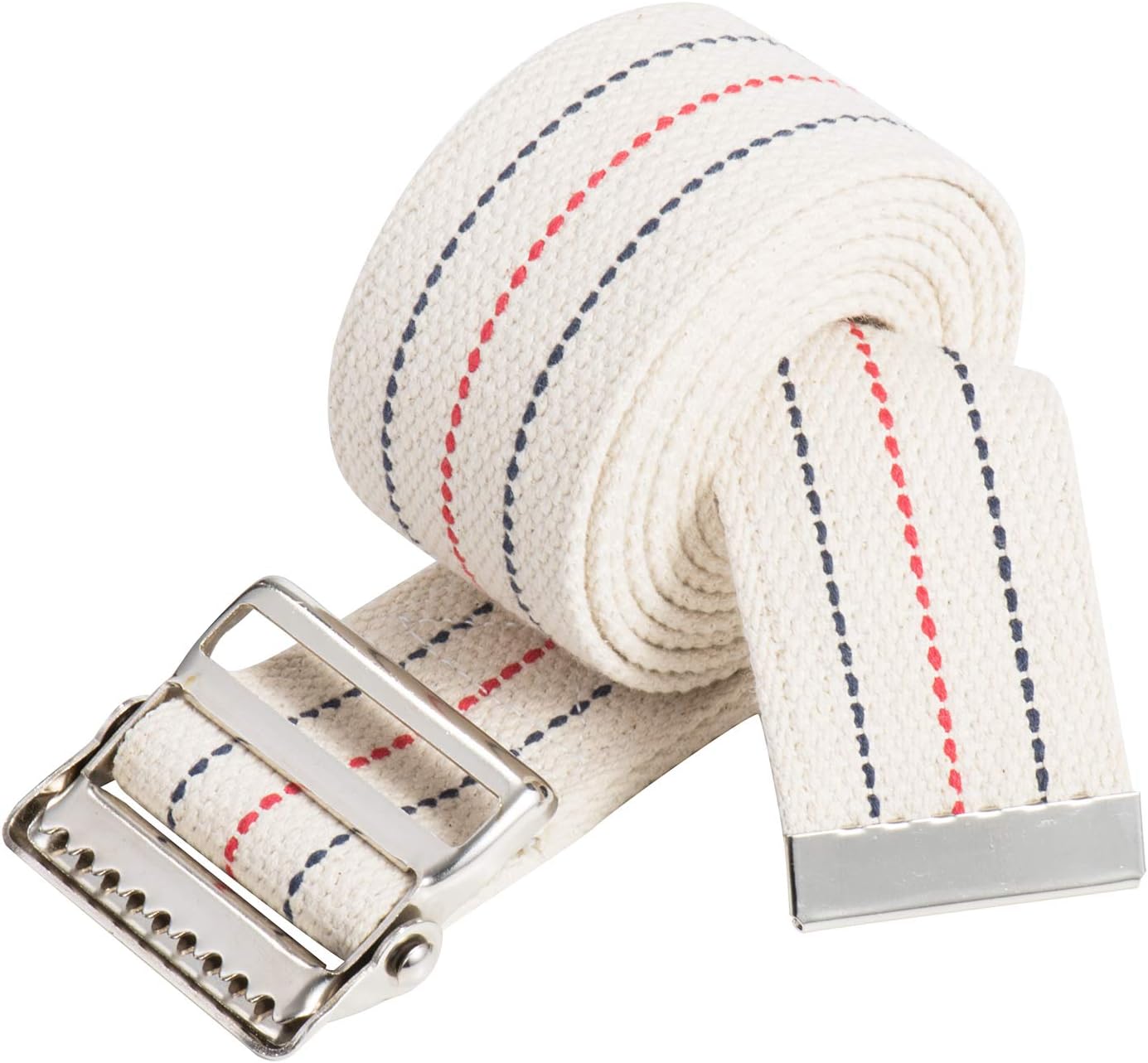
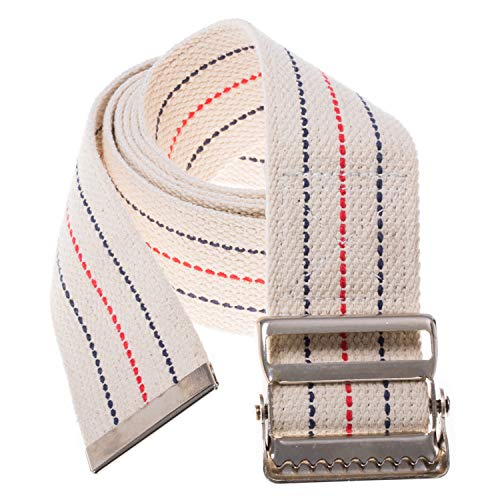
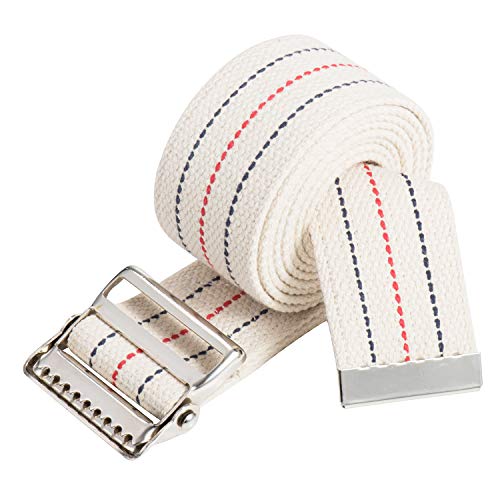
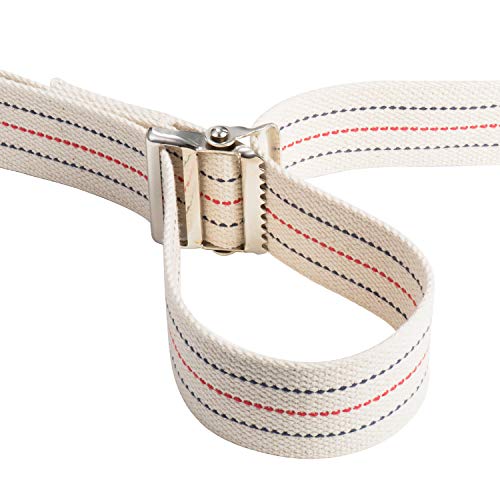
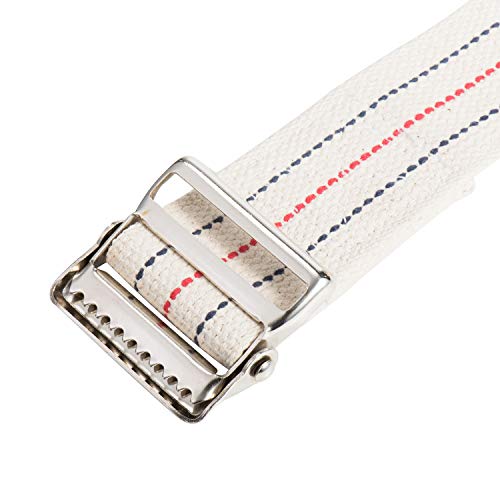
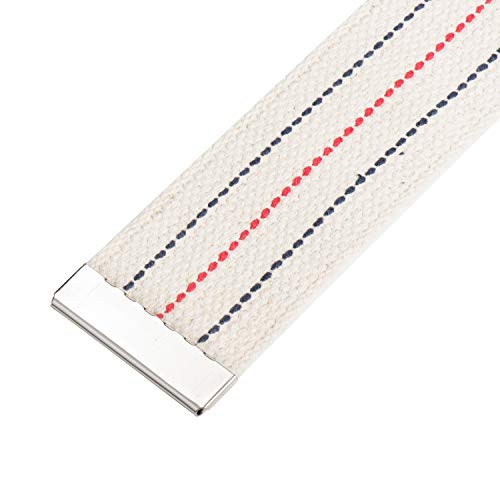
One common option is a cotton webbing belt that is wide enough to distribute pressure and has an easy to fasten metal buckle. The COW&COW Transfer and Gait Belt with Metal Buckle, for example, is described as 2 inches wide, adjustable up to 60 inches, made from cotton webbing, and rated to hold up to 350 pounds, with a nickel chrome plated steel buckle that may be easier to secure than small plastic styles.
This guide contains affiliate links, and we may earn a commission if you buy through them, at no extra cost to you.

Prime COW&COW Gait Belt with Metal Buckle 60 Inch




As an Amazon Associate we earn from qualifying purchases. Product prices and availability are accurate as of the date/time indicated.
This type of belt is machine washable and hang to drip dry, which helps keep it clean for daily use. If you try it, keep the fit snug and flat, and use a gentle guiding motion rather than lifting, which may help reduce strain for both of you.
When to Talk to a Professional Instead
A transfer belt is not ideal for every situation, and it is not a good fit when the senior cannot bear weight, feels faint or very unsteady, or has had a recent surgery or fracture that makes waist pressure unsafe. In those cases, a belt alone will not provide enough support.
Talk with a doctor, physician, physical therapist, or occupational therapist if falls are frequent, if you notice increased pain, skin irritation, or bruising where the belt sits, or if you are regularly lifting more than you can safely manage. They can suggest safer transfer methods or equipment matched to the home layout.
This is also the right step if the home has tight bathrooms, narrow doorways, or many steps where a belt requires awkward twisting. A professional can assess whether a different aid, home modification, or personal assistance is more appropriate than continuing with a belt.
Frequently Asked Questions
Why does the transfer belt slip or ride up?
Slipping often comes from a loose fit, slick clothing, or a belt that is too narrow for the task. Try a snug, level fit over a fitted layer and keep the belt flat with no twists.
Is a wider belt or a belt with handles better for arthritis?
Many caregivers find a wider belt more comfortable because it spreads pressure, and padded handles can be easier to hold without a tight squeeze. Choose a buckle you can operate comfortably and keep your grip close to the body for steady guidance.
Can I use a transfer belt to lift a senior completely?
No, a transfer belt is designed to help guide and steady a person who can participate in the move, not to lift full body weight. If you need to lift, or if the senior cannot help at all, ask a healthcare provider about safer equipment options.
Browse more picks in our Stair Lifts & Transfers category, or see our related guide on Stair Lift Height Guide for Elderly in 2026.








Write Your Review
No reviews yet. Be the first to share your experience!