

Quick Answer
If your quad cane keeps coming loose, check the height adjustment lock first, then the screws where the shaft meets the quad base. Most wobble comes from a collar that is not fully tightened, a push button that is not seated in the right hole, or base screws that have worked loose with daily use. Try re-seating the height, hand tightening the collar, and checking all base fasteners before you decide to replace the cane.
Why This Happens
A quad cane has more connection points than a single-tip cane, so there are more places where movement can develop. The telescoping shaft, the locking collar, and the four-pronged base all need to stay snug for the cane to feel steady. Daily lifting, tapping, and putting weight on the cane can slowly loosen those points.
The most common cause is the height adjustment. If the push button is between holes or the outer collar is only finger loose, the inner shaft can twist and rattle. You may notice the handle slowly sinking or the cane feeling shorter after a walk. Always check with a healthcare provider or physical therapist before making mobility changes for a senior in your care, especially if looseness has led to a near fall.
The quad base itself is another frequent source. The plate that connects the shaft to the four legs is often held with screws or bolts. Those fasteners can loosen over time, which creates a wobble at the bottom even when the shaft feels tight. Rubber tips that are worn, cracked, or missing can also make the base feel unstable on smooth floors.
Mismatch can also make a cane feel loose when it is actually the wrong fit for the user or home. A cane that is set too tall or too short changes how weight is applied and puts extra stress on the joints. Very smooth tile, loose rugs, or uneven thresholds can make any quad base feel less secure, even if the hardware is tight. For general home safety context, you may find it helpful to review ADA cane requirements for seniors aging in place to understand height and clearance basics.
Practical Steps to Try
Try these steps in order, starting with the simplest checks. Stop and seek help if you see cracked metal, stripped screws, or a base that will not tighten.
- Reset the height and lock it fully. Extend the shaft until the spring button clicks clearly into the numbered hole that matches the user’s wrist height when standing upright. Then twist the locking collar clockwise until it is snug by hand. Try gently twisting and pushing the handle to confirm there is no slip.
- Check the base connection. With the cane on a flat surface, hold the shaft and try to rock the quad base side to side. If you feel play, look for screws or bolts where the shaft meets the base plate. Use the correct screwdriver or wrench to tighten them evenly, a quarter turn at a time, and recheck for wobble.
- Inspect all four rubber tips. Turn the cane over and look for wear, splitting, or tips that spin freely. Replace any worn tips with the size made for that base, and make sure each tip is pushed fully onto the prong. Four matching tips that grip the floor may help reduce the risk of slipping compared to mixed or worn tips.
- Clean and dry the adjustment area. Dust, moisture, or grit inside the telescoping tube can prevent the button from seating. Wipe the shaft, dry it completely, and reset the height again. Avoid using oil or lubricants that could make the lock slip.
- Check how the cane is being used and stored. Encourage the user to place the cane straight down rather than leaning it at an angle, and to avoid hanging a heavy bag from the handle which can stress the shaft. Store it indoors where it can stand upright on its base, and check the tightness weekly as part of a routine. For broader fall prevention ideas beyond the cane itself, see related guidance like best bed rails for seniors with osteoporosis and best motion sensor night light for osteoporosis which cover bedroom stability and lighting.
If you have tried these steps and the cane still feels loose, note where the movement is. Is it at the handle, in the middle of the shaft, or at the base plate? That detail will help a medical supply professional or healthcare provider guide you to the right next step without guessing.
When a Product Can Help
A home fix is not always enough. If the collar will not stay tight, the push button is worn, the base plate is bent, or tips wear out quickly, a replacement with a sturdier base and clearer height lock may be a more reliable option than repeated tightening.
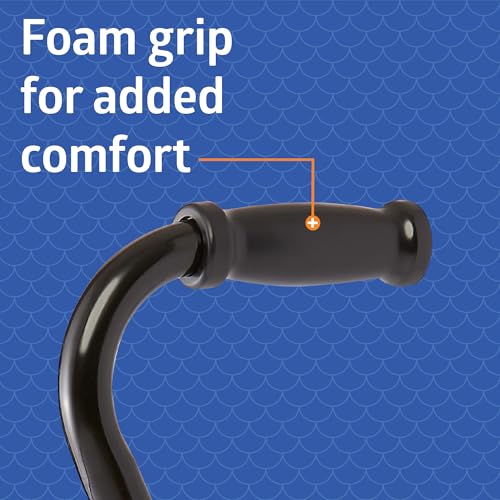
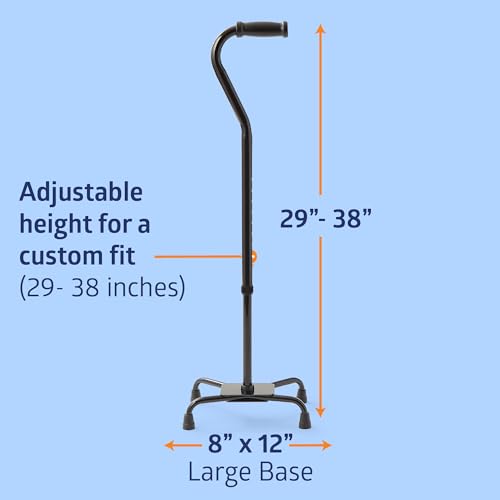
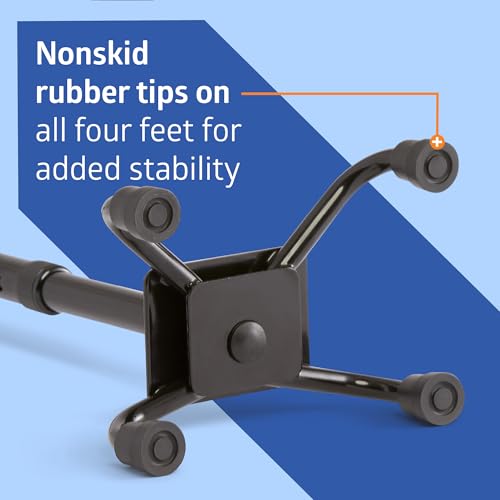
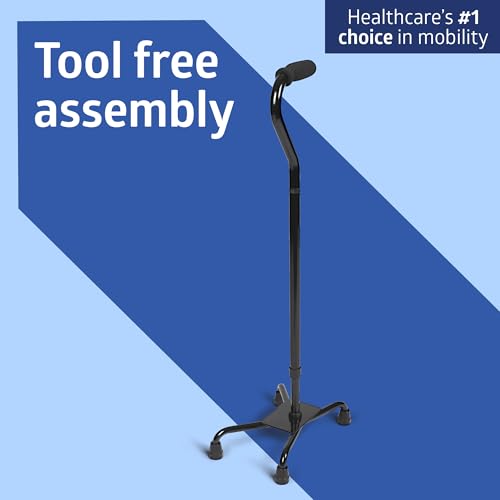
One common option is a lightweight aluminum quad cane with a large, self-standing base and a foam handle for grip. For example, the Medline Aluminum Quad Cane with Large Base is described as having a large base with four feet for greater weight bearing stability, a foam handle, rubber pads for grip on slippery surfaces, and a height adjustment from 29 to 38 inches with a rating to support 300 lbs. Those features may help reduce wobble for seniors who need a cane that stands on its own between uses.
This guide contains affiliate links, and we may earn a commission if you buy through them, at no extra cost to you.

Prime Medline Aluminum Quad Cane with Large Base



As an Amazon Associate we earn from qualifying purchases. Product prices and availability are accurate as of the date/time indicated.
When comparing any replacement, look for a base size that matches the user’s pace and space. A large base can feel more stable when standing, while a small base may be easier in tight hallways. Check the listed height range, weight rating, and handle comfort rather than assuming one size fits all.
When to Talk to a Professional Instead
A quad cane that keeps coming loose is not ideal for a senior who has had a recent fall, feels increasingly unsteady, or needs to put a lot of weight on the cane to walk. In those cases, tightening screws is not the right solution on its own, and a clinician should assess what level of support is appropriate.
This type of cane is also not a good fit if the user needs support on both sides, has significant balance changes, or lives in a home with many stairs and narrow doorways where a quad base catches or tips. A physical therapist or occupational therapist can evaluate gait, home layout, and whether a different aid or home modification would be safer.
If you notice new pain, swelling, numbness, or the cane bending or cracking, stop using it and consult a physician or healthcare provider promptly. Bring the cane to the appointment so the provider can see where it loosens and whether the height is set correctly for the user’s posture.
For caregivers, it helps to keep a short note of when the looseness happens, such as after adjusting height, on certain floors, or when carrying items. That information makes a professional consultation more productive and avoids repeated trial and error at home. You can also explore broader Fall Prevention resources to plan next steps with a provider.
Frequently Asked Questions
Why does my quad cane keep loosening at the same spot?
Repeated loosening in one spot often means that joint is worn or not fully seated. Try resetting the height so the button clicks cleanly, hand tightening the collar, and evenly tightening base screws. If the same joint loosens again quickly, the hardware may be stripped and replacement may be more reliable than another tightening.
Should I use tools or glue to keep it tight?
Use only the screwdriver or wrench that matches the fastener and tighten by hand, do not over torque. Avoid glue, tape, or makeshift shims, which can hide damage and make the cane less reliable. If screws will not stay snug, have the cane evaluated by a medical supply professional.
How do I know if the cane is the wrong size or type?
A cane that is too tall or short can feel loose because weight is applied at an angle. When standing with arms relaxed, the handle should generally align near wrist level, but a healthcare provider or physical therapist should confirm the best height for the individual. If the quad base feels too wide for doorways or too narrow for standing balance, ask a provider about a different base size or aid.
Browse more picks in our Canes & Walking Sticks category, or see our related guide on Canes for Seniors Aging in Place We Recommend in 2026.





Write Your Review
No reviews yet. Be the first to share your experience!