

Quick Answer
If your portable toilet for travel is not working well for a senior, the most common reason is that lightweight travel models trade stability and comfort for compact size. Try checking the setup surface, adjusting the height so knees are not higher than hips, and adding steady support for sitting and standing before you decide to replace it.
Why This Happens
Travel portable toilets are built to fold small and weigh less, so they often feel less steady than a home commode. Thin legs, narrow seats, and lower weight limits can make them feel wobbly or cramped, especially on uneven ground or soft surfaces.
Height mismatch is another frequent issue. If the seat is too low, it takes more effort to sit and stand, which can feel unstable for an older adult. If it is too high, feet may not rest flat, which also affects balance and comfort.
Setup location matters more than many caregivers expect. A travel toilet placed on grass, gravel, carpet padding, or a sloped hotel bathroom floor may rock or slide, even if the frame itself is sound. Missing or worn non slip feet and loosely locked folding joints add to the problem.
Finally, the product may not match the senior’s current needs. A basic travel toilet without armrests or back support is not ideal when someone needs extra help with balance or endurance. Always check with a healthcare provider, physician, or occupational therapist before making safety changes for a senior in your care, especially after a recent change in mobility.
Practical Steps to Try
Try these steps in order, starting with the simplest and safest checks. Stop and reassess if anything feels unsteady.
- Check the surface and lock the frame. Place the toilet on a flat, hard, dry floor. Make sure all folding legs are fully opened and locked per the instructions, and that non slip feet are clean and contacting the floor evenly. If you are traveling, avoid rugs, bath mats, or soft ground under the legs.
- Adjust the height for a comfortable sit to stand. If your model has push pin or button height adjustment, raise or lower it so the senior can sit with feet flat and knees roughly level with or slightly lower than hips. A seat that is too low often makes standing harder, while a seat that is too high can leave feet dangling.
- Add steady support nearby. Position the toilet so a fixed vanity, wall, or heavy furniture is not needed for balance. Instead, use properly installed grab bars or a stable support frame if available, and keep the path to the toilet clear and well lit. For ideas on vehicle transfers that may help reduce strain during travel, see this guide on car handle assists for elderly travelers.
- Improve comfort and cleanliness for repeated use. Use the splash guard and bucket lid as directed, and consider disposable liners with absorbent pads if cleanup is difficult on the road. A padded seat and backrest can help with comfort during longer sits, but make sure they do not raise the seat height too much or create a loose fit.
- Evaluate whether a travel model is the right tool for this trip. Lightweight travel toilets are convenient for short stops, but they are not designed to replace a sturdier home commode for daily use. If the senior needs more stability, a heavier duty frame with armrests and a wider seat may be more suitable at your destination, while the travel unit is reserved for true on the go needs. You can also review options for easier car entry and exit, like a swivel cushion for car transfers, to reduce overall fatigue around toileting stops.
After each adjustment, do a gentle stability check without the senior sitting down. Press down evenly on both armrests and check for rocking, sliding, or flexing. If it still wobbles, try a different floor location before considering a different product.
When a Product Can Help
A different product may help when the travel toilet cannot be made steady, the seat height cannot be adjusted enough, or the senior needs more support than a compact frame provides. This is common when the trip involves longer stays, a hotel bathroom with limited space, or a need for armrests and a more spacious seat.
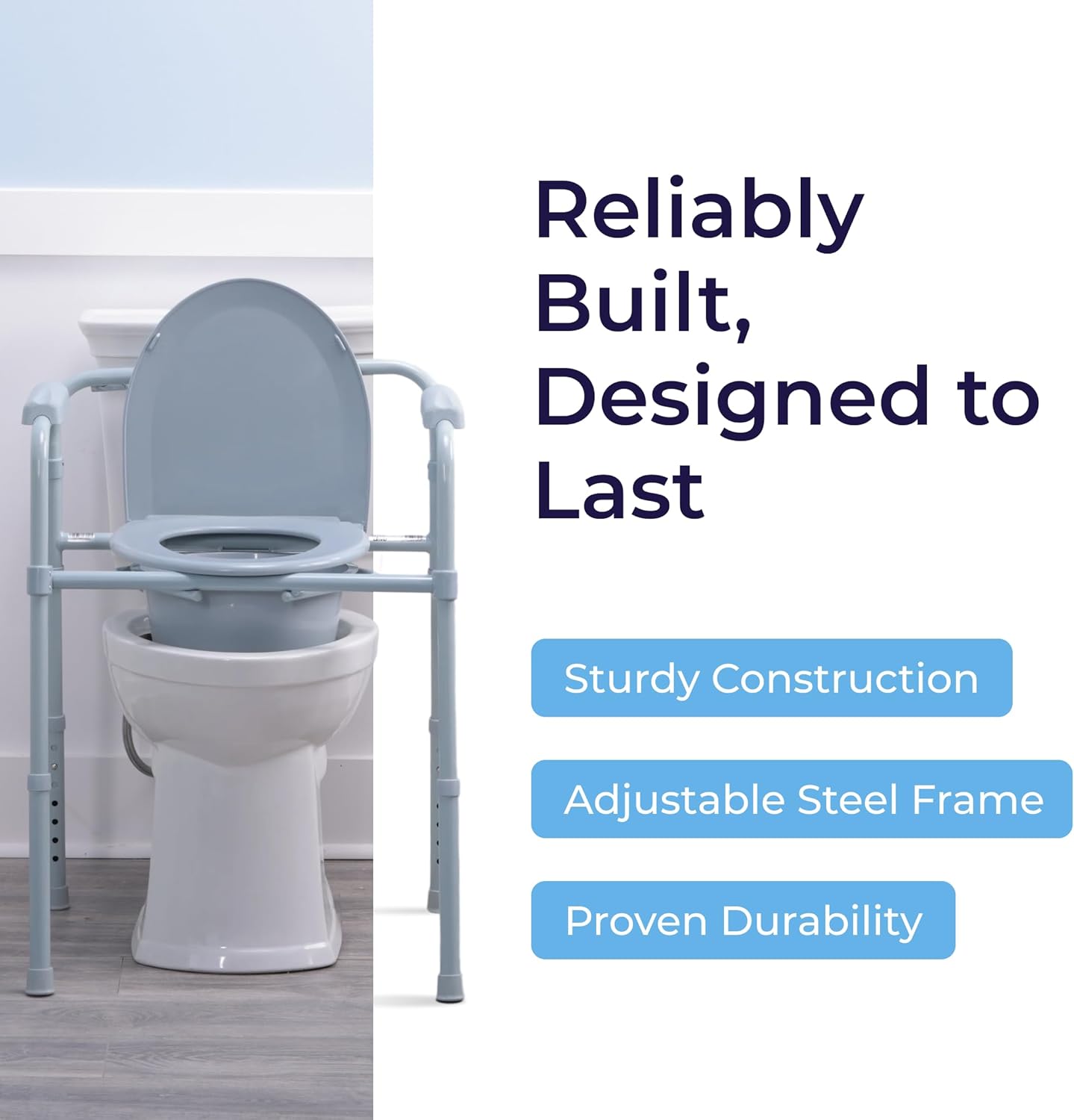
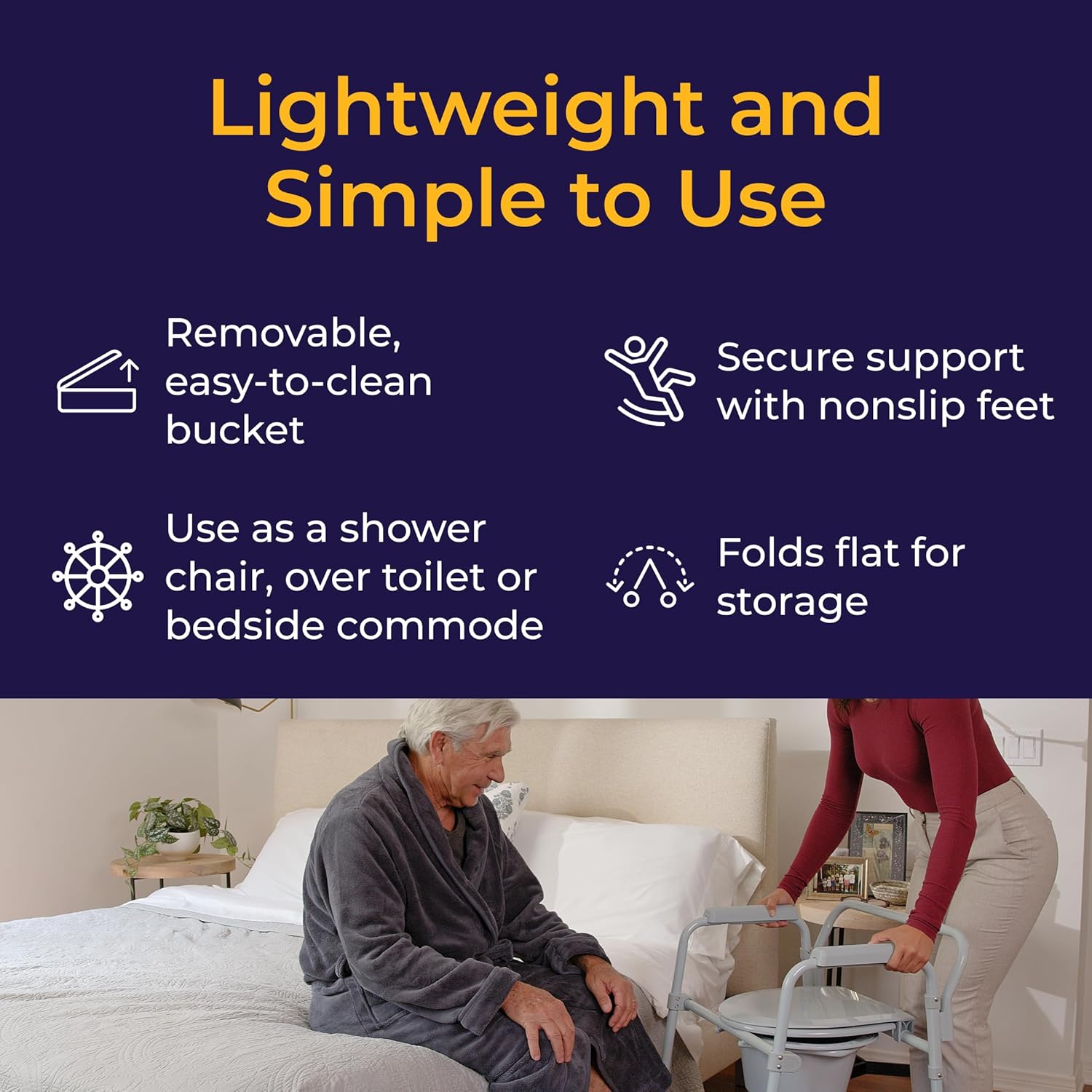
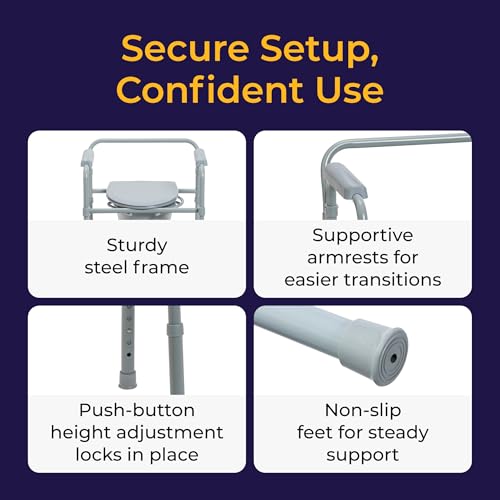
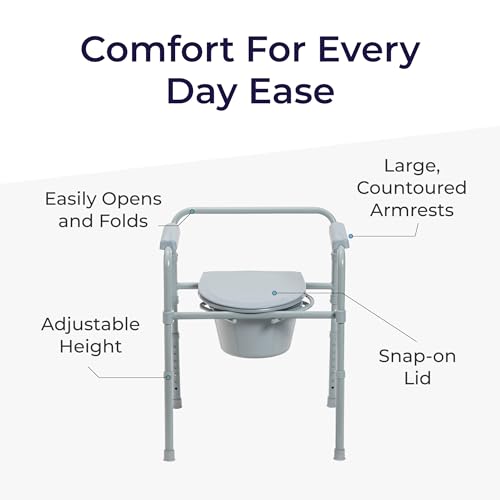
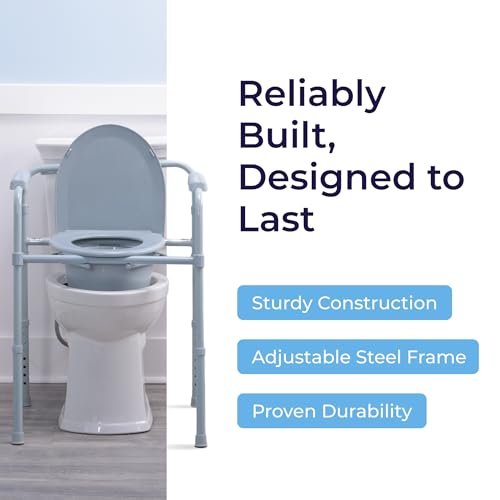
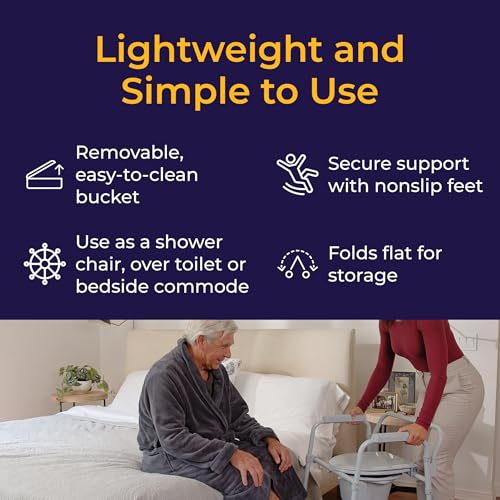
In those cases, one common option is to keep a compact travel unit for the car and use a sturdier, height adjustable bedside commode at your lodging. Look for features that support steadier use, such as a powder coated steel frame, adjustable height settings, supportive armrests, stable feet, and a 3 in 1 design that can also work as a raised toilet seat or safety frame when appropriate.
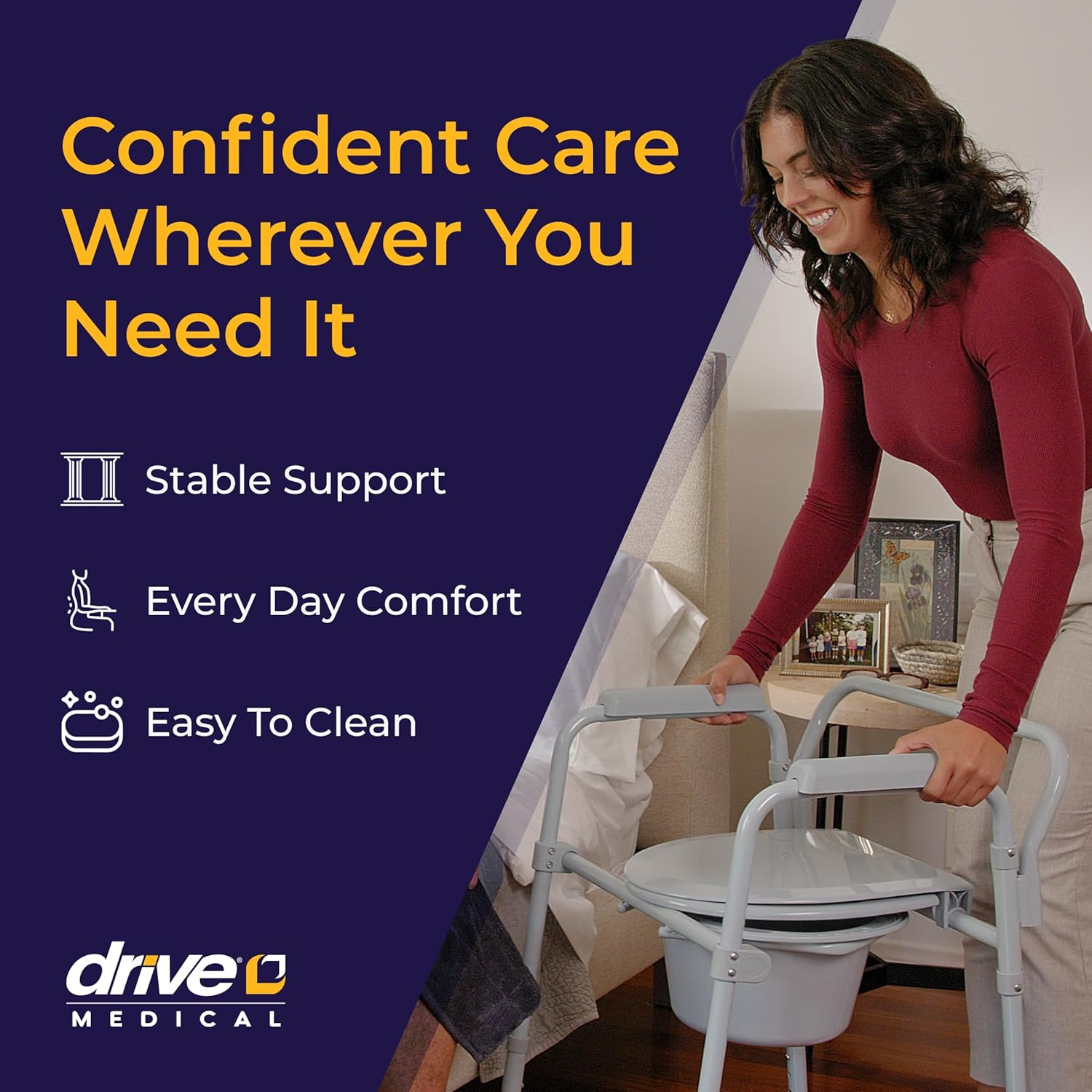
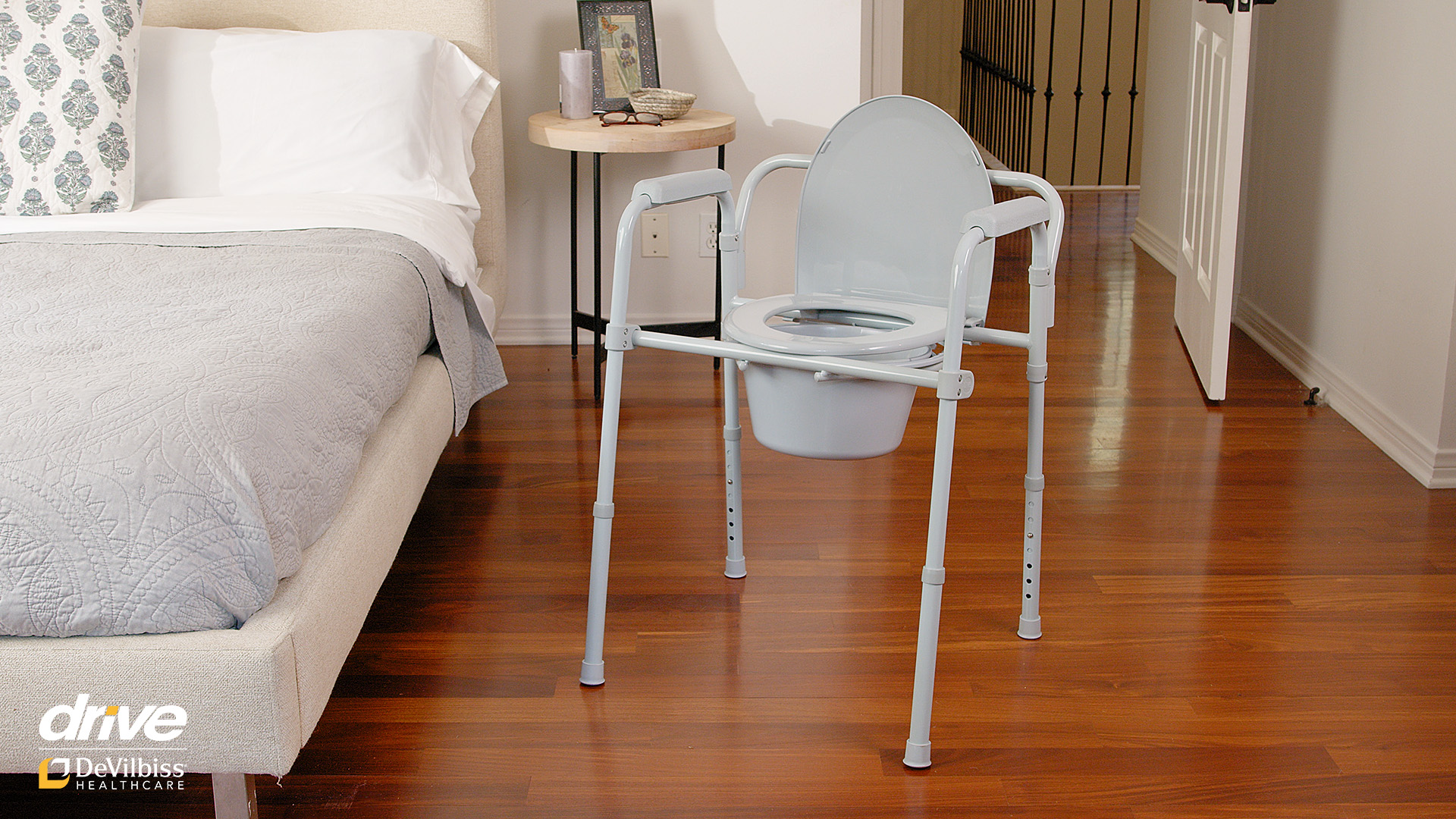
For example, the Drive Medical Folding Bedside Commode offers a foldable steel frame with adjustable height, a wide seat, and a 7.5 quart bucket, and it is rated to support up to 350 lb. These types of features may help reduce the risk of wobbling and make sitting and standing feel more supported compared with an ultra light travel model.
This guide contains affiliate links, and we may earn a commission if you buy through them, at no extra cost to you.

Prime Drive Medical Folding Bedside Commode 3-in-1




As an Amazon Associate we earn from qualifying purchases. Product prices and availability are accurate as of the date/time indicated.
If you are deciding between keeping the travel toilet and bringing a more stable option, think about where it will be used most. A foldable but sturdier commode can still be transported in a car and may be a better fit for multi day stays. For general mobility planning around the home base, you may also find it helpful to review how high a stair lift should be for elderly users when evaluating overall travel and home access needs.
When to Talk to a Professional Instead
A home fix or a new product is not ideal for every situation, and this is not a good fit when the senior has had a recent fall, shows a sudden change in balance, or needs hands on help to sit or stand. In those cases, skip trying to modify the travel toilet on your own and speak with a doctor, physician, physical therapist, or occupational therapist first.
This approach is also not recommended for seniors who need bariatric support beyond the product’s rated capacity, who use a wheelchair and need lateral transfers, or who have had a recent hip or knee procedure with movement precautions. A clinician can help confirm what type of support, height, and placement is appropriate and whether a different aid is needed.
If you notice persistent wobbling even on a flat hard floor, cracks in the frame, loose armrests, or missing locking pins, stop using the unit. A professional can help you decide whether repair, replacement, or a different style of aid is the safest next step, rather than continuing to adjust a compromised product.
Frequently Asked Questions
Why does our travel portable toilet feel wobbly for my parent but not for me?
Weight distribution and how someone sits and stands make a difference. Seniors who need to push heavily on armrests or who shift weight to one side may notice flex or rocking sooner. Check the floor surface, lock all joints fully, and confirm the height allows feet to stay flat.
Can we make a travel toilet taller or more stable with cushions or blocks?
Avoid stacking cushions, towels, or makeshift blocks under legs or on the seat, as they can create an uneven or loose surface. Use only the manufacturer’s height adjustment and place the unit on a flat hard floor. If height still feels wrong, consider a model with a broader adjustment range.
Should we bring a travel toilet or use a bedside commode at our destination?
For short roadside stops, a compact travel toilet can be convenient. For longer stays in a rental or hotel, a sturdier folding bedside commode with armrests and adjustable height often feels more supportive and may help reduce the risk of instability. Many families bring both and choose based on the setting.
Browse more picks in our Car & Travel Aids category, or see our related guide on Car Mattresses for Seniors with Low Vision in 2026.









Write Your Review
No reviews yet. Be the first to share your experience!