

Quick Answer
If a medical alert watch feels unsafe for a senior with dementia, the problem is often not the device itself but how it fits, how it is introduced, and whether it depends on memory to work. You can make it safer by choosing a simple, comfortable watch that stays on easily, building a consistent daily wearing routine, and adding a backup alert that does not require the senior to remember to press a button.
Why This Happens
A watch that relies on a button press assumes the wearer will remember what it is for and when to use it. With dementia, that link can fade, and a senior may not recognize the watch, may forget to press it, or may press it by accident without understanding why.
Removal is also common. A watch that feels tight, itchy, heavy, or unfamiliar is more likely to be taken off and left on a table. Always check with a healthcare provider or occupational therapist before making safety changes for a senior with dementia in your care.
Complex features can add confusion. Extra screens, small text, multiple buttons, frequent charging, and loud or unexpected alerts may be overwhelming. A busy interface can make the watch feel like a puzzle rather than a help.
Finally, a watch alone may not cover key risks like wandering or getting up at night. Families often expect one device to handle everything, but watches are best as part of a broader plan that includes routines, environment changes, and caregiver alerts. For broader monitoring ideas, you may find best security camera for elderly with balance issues helpful as you compare options.
Practical Steps to Try
Try these steps in order, starting with the simplest changes. Each one may help reduce confusion and support more consistent wear without adding pressure for the senior.
- Focus on comfort and secure fit. Choose a lightweight watch with a soft, skin-friendly strap that is snug but not tight, and check for red marks or irritation. If the senior often removes the watch, ask their care team about a strap that is harder to remove on their own, and keep nails trimmed and skin moisturized to reduce discomfort.
- Build a simple, consistent wearing routine. Link putting on the watch to an existing habit, like after morning dressing or after brushing teeth, and keep the watch in the same visible spot every day. Use a short, calm phrase each time, such as “This is your help watch,” and avoid lengthy explanations that may increase confusion.
- Simplify the experience. Turn off or hide nonessential features, set the display to a large, easy-to-read watch face if available, and keep charging simple with one labeled charger in one place. Set a daily caregiver reminder to check battery level and to place the watch back on after charging, so the senior does not need to manage power.
- Add a backup that does not need a button press. A watch requires action from the wearer, so consider an automatic alert for high-risk moments like bed exits or doorway wandering. You can learn more about entry alerts in best smart lock for seniors with knee replacement and think about how a door or motion alert could complement the watch.
- Make help easy to understand and practice gently. Show the single button to press and practice one time together using simple words and a calm tone, then stop. Place a small photo cue near the bed or bathroom showing the watch and the action, and avoid repeated drilling which can create frustration.
As you try these steps, observe what helps and what creates more resistance. Small adjustments to fit, timing, and environment often make a bigger difference than adding more technology.
When a Product Can Help
A watch is most helpful when the senior can keep it on and understands, even at a basic level, to press for help. When memory, wandering, or nighttime bed exits are the main concerns, a watch alone is often not enough and a caregiver alert that works automatically may be a practical next step.
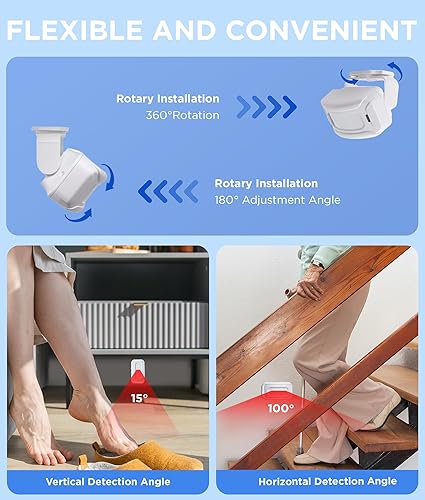
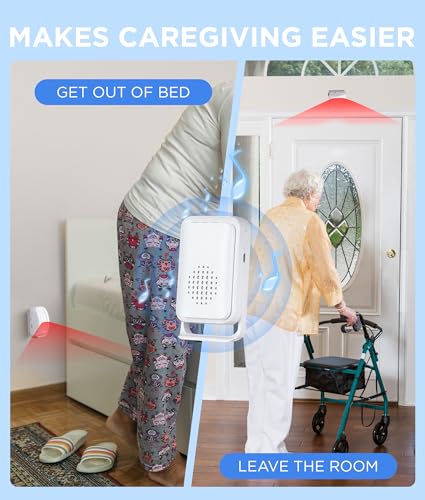
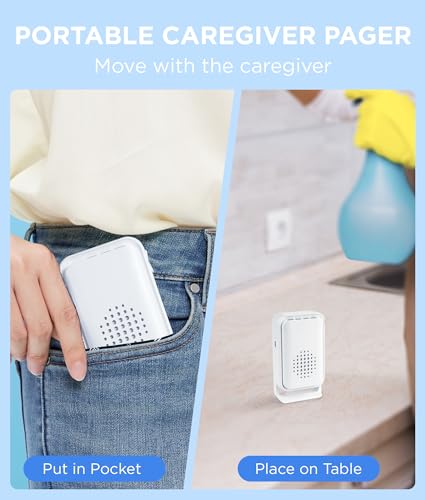
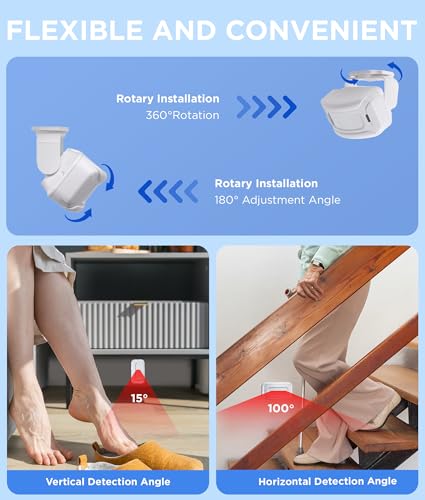
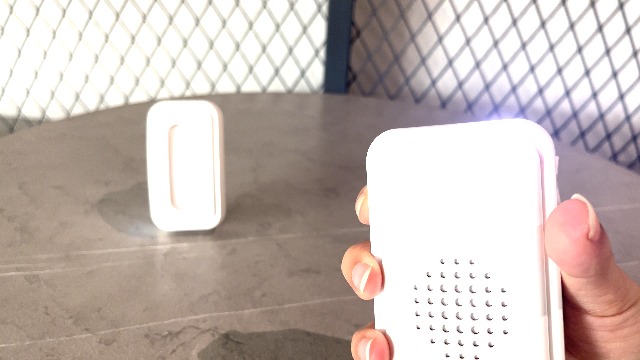
One common option is to add a motion or bed-exit sensor with a portable receiver, so you receive an alert even if no button is pressed. The Newly Upgraded 2026 Bed Alarm for Elderly Dementia is described as offering real-time movement monitoring for bed exits and room departures, with a portable receiver you can carry around the home.
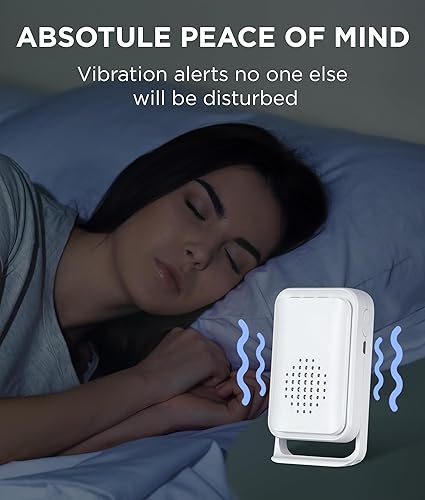
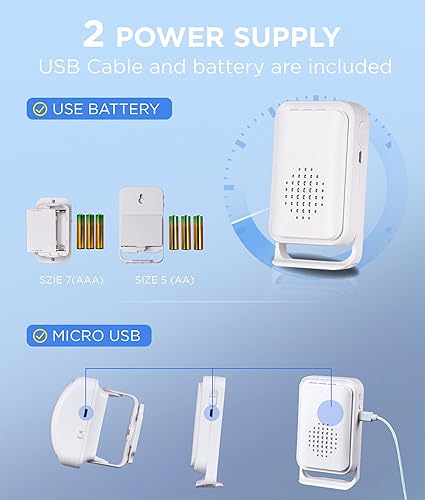
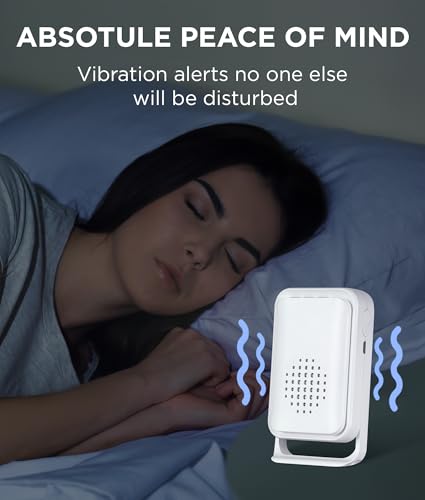
According to its listing, it includes flexible power options via batteries or Micro USB, an extended wireless range of up to 500 feet in open areas, and customizable alerts with multiple tones and adjustable volume including a silent vibration mode for nighttime. It is also described as pre-paired for quick setup, which may help caregivers who want an immediate additional layer alongside a watch.
This guide contains affiliate links, and we may earn a commission if you buy through them, at no extra cost to you.
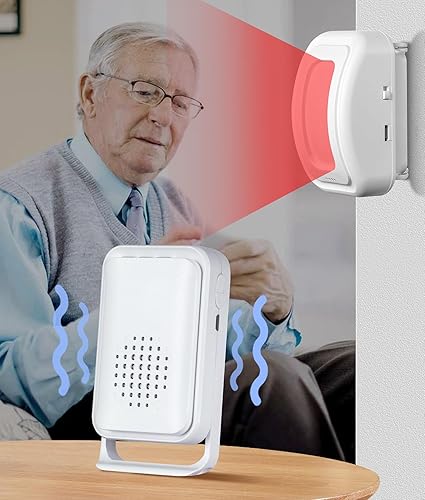
Prime Wireless Bed Alarm for Elderly Adults






As an Amazon Associate we earn from qualifying purchases. Product prices and availability are accurate as of the date/time indicated.
Used together, a simple watch for intentional calls and an automatic sensor for unsupervised movement may help reduce the risk of a missed call for help. For ideas on combining devices with home automation, see ADA smart thermostats for seniors aging in place.
When to Talk to a Professional Instead
A watch or sensor is not ideal for seniors who remove all wearables due to sensory sensitivity, skin breakdown, or significant agitation, or for those who wander frequently outside the home. In those cases, a home device alone is not the right choice and a broader safety plan is needed.
Talk with a physician, occupational therapist, or physical therapist if you notice frequent falls, nighttime confusion, attempts to leave the home, or distress when wearing a device. They can review the living space, daily routines, and whether a different type of monitoring, personal care support, or environmental change is more appropriate than trying another gadget.
Bring the watch and any other alerts you use to the appointment, and note when the senior removes the watch or seems confused by it. That information helps the care team suggest adjustments that fit the person’s abilities and keep the home environment as supportive as possible.
Frequently Asked Questions
Why does my loved one keep taking the medical alert watch off?
Removal often comes from discomfort, unfamiliarity, or forgetting its purpose. Try a softer strap, a lighter model, and a consistent routine for putting it on, and ask their healthcare provider about options if removal continues or causes skin irritation.
Should I use a watch that locks so it cannot be removed?
A strap that is harder to remove may help some seniors keep the watch on, but it can also cause frustration or distress for others. Check with a healthcare provider or occupational therapist before using a locking strap to be sure it is appropriate and comfortable for your loved one.
What if my loved one forgets to press the button in an emergency?
This is a common concern with dementia, since watches depend on memory and action. Keep the watch as one layer, and consider adding an automatic alert like a bed or doorway sensor and regular caregiver check-ins, so help does not rely on a single button press alone.
Browse more picks in our Smart Alerts & Monitoring category, or see our related guide on Large Display Doorbells for Stroke Recovery in 2026.








Write Your Review
No reviews yet. Be the first to share your experience!