

Quick Answer
The most common reason a button hook feels unsafe for a senior using a wheelchair is a thin wire loop that slips off the button combined with a hard to hold handle that makes you lean or reach. Try checking the wire for bends, adding a more secure grip, bracing your arm on an armrest or table, and using the hook only with buttons you can see and reach without leaning forward.
Why This Happens
Button hooks use a slim steel wire loop to pull a button through a hole, and that loop can bend, snag fabric, or slip if it is not centered on the button. In a wheelchair, you often work closer to your lap with less room to pull, so a small slip can mean a poke or a dropped tool. Always check with a healthcare provider or occupational therapist before making mobility or dressing changes for a senior in your care.
A narrow or smooth handle is another frequent issue. If you need to squeeze hard to keep control, your hand may fatigue quickly and the tool can twist. For wheelchair users who dress while seated, that extra effort often leads to hunching forward, which may affect balance and make the task feel less stable.
Clothing fit and button style also matter. Small, tight buttonholes, thick layers, or buttons that sit flat against the fabric require more force and sharper angles. When you are seated, shirts and pants can bunch differently, so a technique that works standing may need adjustment. You can find more background on adaptive options in our Dressing & Grooming Aids guide.
Finally, storage and handling add risk. A loose hook left on a lap tray or seat cushion can be hard to see and easy to sit on or roll over. Keeping it in a consistent, visible place helps you avoid fumbling or accidental contact with the wire tip.
Practical Steps to Try
- Inspect the wire loop and tip before each use. Look for bends, kinks, or a sharp end that could scratch skin or snag clothing. If the loop is bent, try gently reshaping it according to the maker’s instructions or replace the tool, and consider covering the tip with a small cork or cap when stored. Keep the loop smooth so it glides through the buttonhole without catching.
- Improve your grip without squeezing harder. Try wrapping the handle with a soft, non slip foam tubing or using a handle with a ribbed, wide shape that lets you hold it with your whole hand rather than pinching with fingers. Rest your forearm or elbow on the wheelchair armrest or a table to steady the motion, and pull straight back toward you instead of at an angle.
- Set up a stable seated position first. Lock the wheelchair brakes, sit well back with feet supported, and bring the garment close to you before you start. For shirts, try buttoning the lower buttons first while the fabric is flat on your lap, then put the shirt on. For pants, consider fastening buttons before pulling them up if that keeps you from leaning far forward.
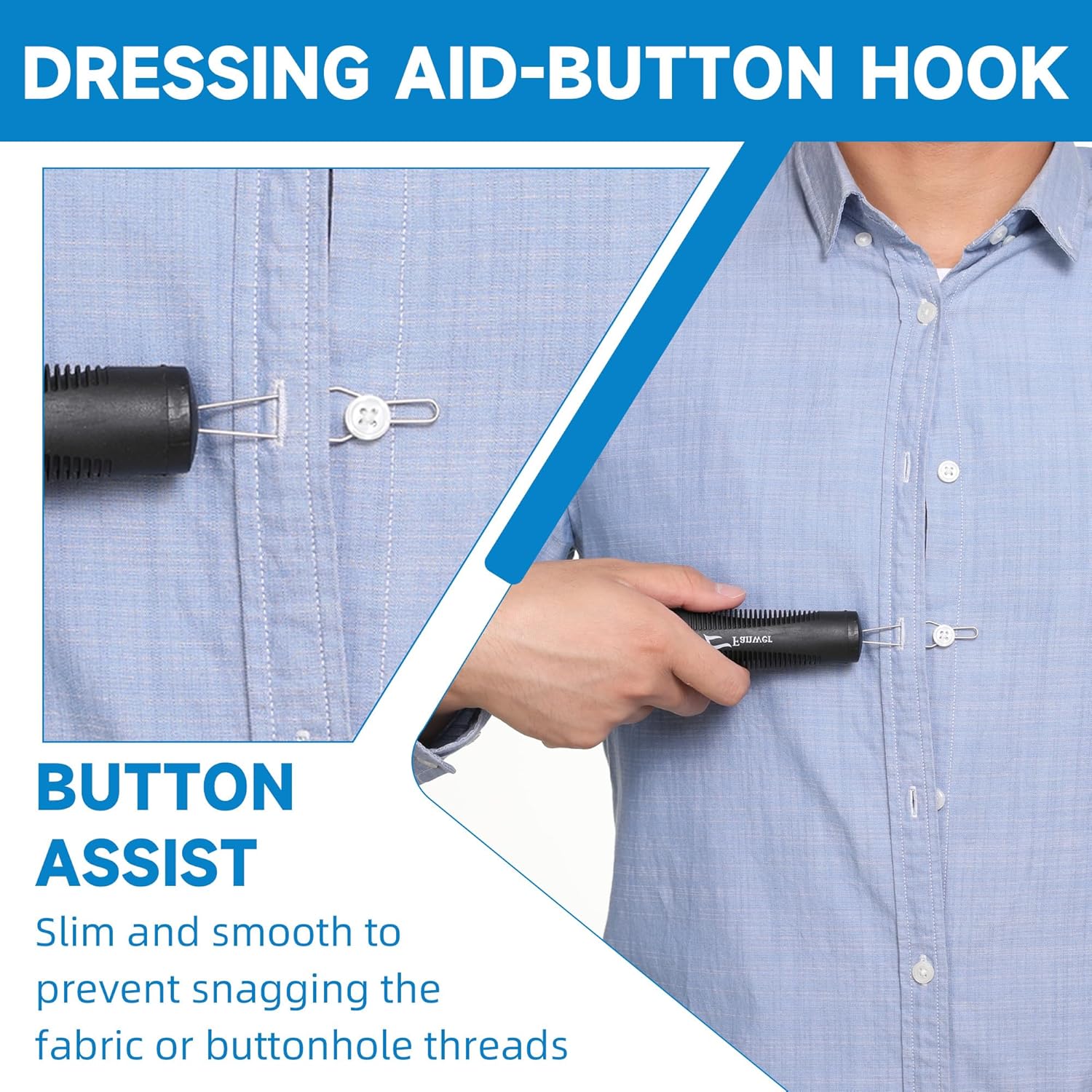
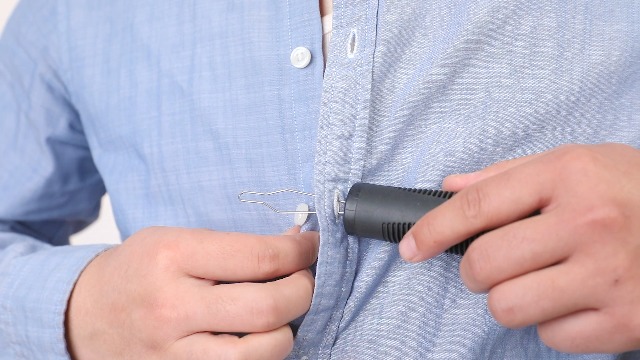
- Match the technique to the clothing. Choose shirts with slightly larger buttons and buttonholes that are easier to see while seated, and avoid very stiff or layered cuffs that need extra force. Slide the wire loop fully through the hole, center it around the button, and guide the button back through with a slow, even pull. If you use the zipper pull end, hook it fully onto the zipper tab before pulling.
- Store and handle the tool safely between uses. Keep the button hook in a cup, pouch, or tray with the wire facing down and the handle up where you can see it. Avoid leaving it loose on the seat or under clothing, and keep it out of reach of pets or small children. If you need one handed dressing ideas, our button hooks for stroke recovery article shares additional seated techniques that may help.
When a Product Can Help
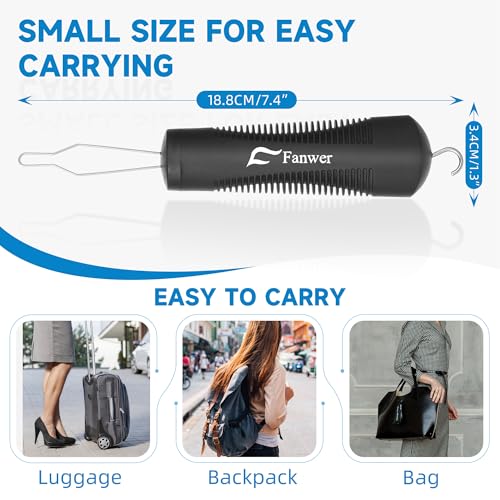
If your current hook has a thin, smooth handle that is hard to hold, a wire that bends easily, or no zipper helper, a different design may make seated dressing more manageable. One common option is a model with a wide, ribbed handle for a more secure hold and a slim but sturdy wire loop that is designed to pass through small buttonholes without snagging. Features like these may help reduce the need for tight pinching and repeated attempts while seated.
This guide contains affiliate links, and we may earn a commission if you buy through them, at no extra cost to you.

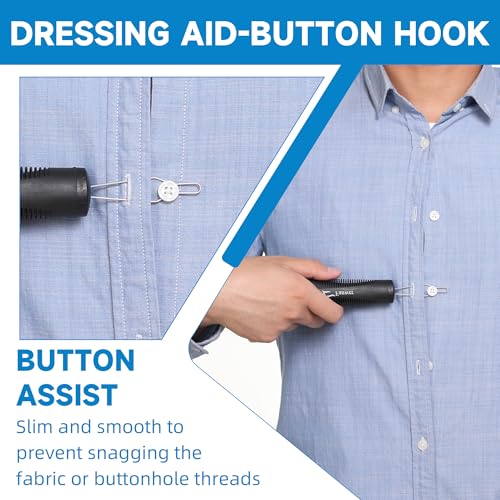
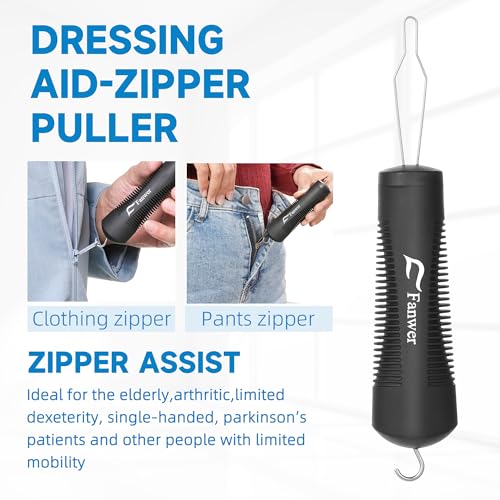
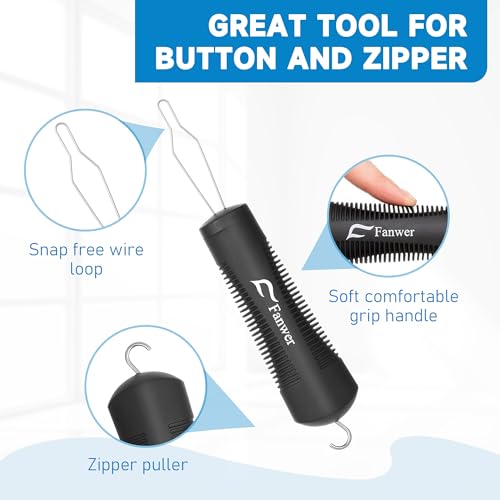
Prime Fanwer Button Hook and Zipper Pull 2-Pack



As an Amazon Associate we earn from qualifying purchases. Product prices and availability are accurate as of the date/time indicated.
The Fanwer Button Hook with Zipper Pull is one example that lists a non slip, ribbed handle intended to support a comfortable grip and a steel wire loop that tapers to help guide buttons through. It also includes a zipper pull on the opposite end, which can be useful when you want to avoid switching tools while seated. As with any aid, try it slowly at a table first to see if the handle shape and loop size fit the buttons you wear most often.
When to Talk to a Professional Instead
A button hook is not ideal for every situation, and it is not a good fit if dressing requires significant leaning, twisting, or standing from the wheelchair to reach buttons. If you notice frequent loss of balance, shoulder or hand discomfort with pulling, skin irritation from pressure while dressing, or buttons that consistently need strong force, pause and seek guidance.
In those cases, talk with a physician, occupational therapist, or physical therapist about safer dressing strategies. They can suggest seated dressing techniques, adaptive clothing with different closures, or other daily living aids that match strength and range of motion. For broader home setup ideas, you can also explore our Kitchen & Daily Living resources to plan next steps with a professional.
Frequently Asked Questions
How can I keep the wire from scratching or poking while using it in a wheelchair?
Keep the loop centered on the button and pull straight back with your arm braced, so the tip does not swing toward skin. Inspect the tip for burrs, store it with a cap or in a pouch, and avoid rushing the motion when the fabric is bunched on your lap.
What if I only have use of one hand while seated?
Try anchoring the garment on your lap or against your body so it does not slide, and use a handle that allows a full hand grasp rather than a pinch. Work on one button at a time with the fabric flat, and consider clothing with larger, smoother buttons that need less precise alignment.
Are zipper pulls on button hooks safe to use from a wheelchair?
They can be helpful if the hook seats fully on the zipper tab and you pull in line with the zipper, not at a sharp angle. Make sure the chair is braked and you are not leaning far to reach a back or side zipper, and ask a caregiver for help with hard to reach zippers.
Browse more picks in our Dressing & Grooming Aids category, or see our related guide on Button Hooks We Recommend for Stroke Recovery in 2026.

Write Your Review
No reviews yet. Be the first to share your experience!