

Quick Answer
If your hearing amplifier feels unstable for an elderly user, check the ear tip fit first. A dome that is too small, too large, worn, or not seated at the right angle is the most common reason for slipping, looseness, or a feeling that it might fall out. Try a different dome size, a gentle reposition with a slight twist, and a quick cleaning of the tip and sound outlet before you consider replacing the device. These simple checks often restore a secure feel without buying something new.
Why This Happens
A hearing amplifier is designed to sit snugly in or just behind the ear canal, so even a small mismatch in tip size can make it feel wobbly or insecure. Ears change shape slightly with age, and cartilage becomes less firm, so a dome that worked months ago may no longer seal well. When the seal is poor, you may notice movement when talking or chewing, whistling sounds, or volume that seems inconsistent even though the device is on.
Insertion angle and depth also affect stability. If the device is pushed straight in instead of slightly forward and then gently twisted to seat, it may sit shallow and feel like it could fall out. Moisture, skin oils, or a light coating of earwax on the tip can reduce grip, and a tip that is cracked, yellowed, or stretched out will not hold its shape. Regular gentle cleaning helps the dome keep its tackiness and shape.
Controls, tubing length, and overall design can add to the problem. A behind-the-ear model with tubing that is too long may pull or swing, while an in-ear model that is very light may still shift without a proper seal. Movement from glasses, oxygen tubing, or mask straps can nudge the device out of place. You may find helpful background in the vive hearing amplifier review for elderly which discusses different fit styles and what tends to feel more secure for older adults.
Finally, expectations matter. Most amplifiers use standard domes in several sizes rather than a custom mold, so they rely on you finding the best match from the kit. If none of the included domes match the ear shape closely, the device may never feel fully stable, even if sound is acceptable. In that case, trying all sizes and noting which feels closest is a useful step before deciding on next options. For broader context on monitoring devices at home, see Health Monitoring Devices.
Practical Steps to Try
- Try a different dome size and inspect its condition. Remove the current dome, look for tears, stretching, or discoloration, and try the next size up or down. The dome should feel snug without pressure or pain, and it should stay in place when you gently tug the device or move the jaw. Many kits include five or six sizes, so try each one for a few minutes and note which feels most secure.
- Clean the tip, sound outlet, and charging contacts. Wipe the dome with a dry, lint-free cloth and use the small brush or cleaning tool that came in the box to clear any buildup from the sound opening. Make sure the device and tip are completely dry before reinserting, as moisture can make the surface slippery. Avoid using water, alcohol, or sharp objects that could damage the dome.
- Adjust how you insert the device. With clean, dry hands, gently pull the top of the ear back and slightly up with one hand, then guide the amplifier in with a slow, slight twisting motion until it feels seated and comfortable. It should not stick far out of the canal or press painfully deep. If it whistles right after insertion, remove it, check the dome, and try again with a slightly different angle.
- Check power and volume settings. A low battery can cause weak, intermittent, or fading sound that feels like the fit is wrong, and a volume set too high can cause feedback that makes you think the device is loose. Charge the device fully, start on the lowest volume or mode, and increase one step at a time while the user speaks at a normal level. This helps you separate sound issues from fit issues.
- Observe when movement happens during daily activity. Note if it shifts when talking, eating, smiling, or when wearing glasses or using the phone. If eyeglasses or other items push on the device, try adjusting their position or choosing a dome shape that sits a bit deeper. Keep simple notes about what you tried and when slipping occurs to share with family or a care team.
When a Product Can Help
If you have tried different domes, careful cleaning, and several insertion angles and the amplifier still feels loose, shifts often, or is hard for the older adult to handle, a design with a more secure ergonomic fit and simpler controls may be a practical next step. This is especially true if the current device is difficult to operate with limited dexterity or does not hold a charge reliably through the day. For ideas on easier handling, see best hearing amplifier for elderly with arthritis.
This guide contains affiliate links, and we may earn a commission if you buy through them, at no extra cost to you.

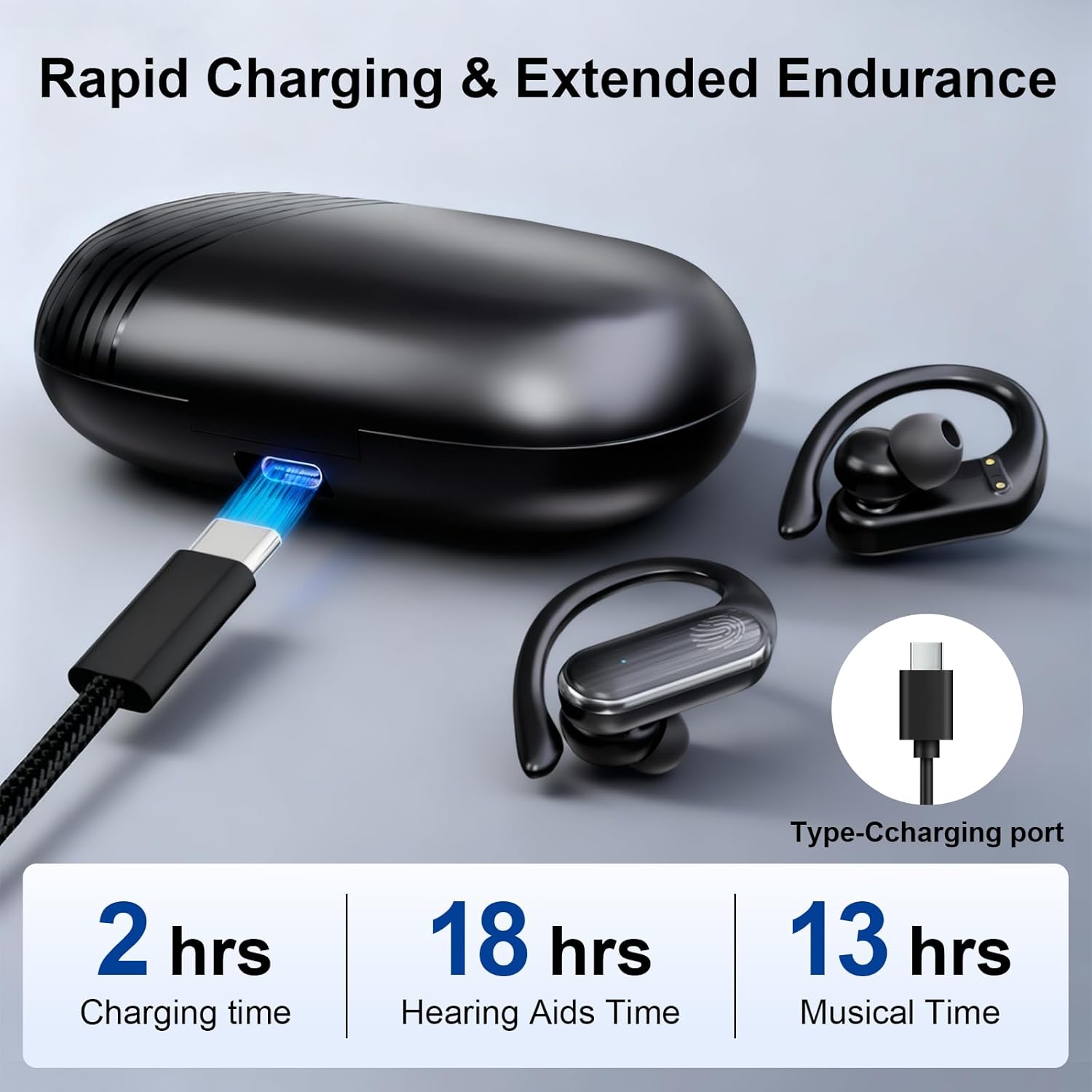
Prime Sigwanive 109CX Rechargeable Hearing Aids



As an Amazon Associate we earn from qualifying purchases. Product prices and availability are accurate as of the date/time indicated.
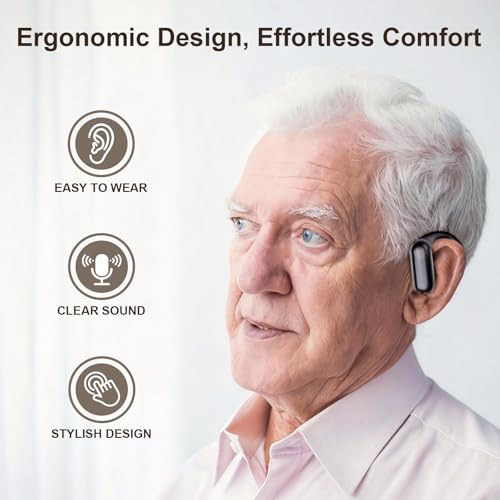
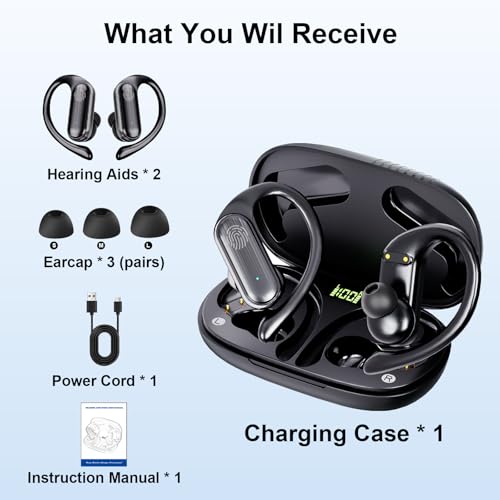
One option caregivers often consider is the Hearing Aids for Adults and Elderly, which is described as having a slim, ergonomic build that fits securely and stays in place comfortably for long wear, plus simple easy-to-press buttons for volume and mode switching. Its rechargeable design is listed as offering up to 30 hours of working time per charge with a compact charging case that provides additional charges, which may help reduce interruptions that can feel like instability. As with any amplifier, review the included dome sizes and the instruction guide to find the most secure and comfortable fit.
When to Talk to a Professional Instead
A home adjustment is not ideal for every situation. If the ear feels sore, blocked, unusually waxy, or has any drainage, or if the user notices sudden hearing change, new ringing, dizziness, or discomfort that was not present before, pause and contact a healthcare provider or physician before continuing to adjust the device. Do not try to remove deep wax at home or push the device deeper to compensate for poor sound.
This type of amplifier is not a good fit when hearing loss is significant, rapidly changing, or affects safety for daily activities such as hearing alarms, doorbells, or conversations about medications. A clinician can evaluate whether a different level of support or a referral for a formal hearing evaluation is appropriate, and an occupational therapist or physical therapist can advise on handling techniques if dexterity, vision, or coordination makes insertion and removal difficult.
Skip this kind of do-it-yourself adjustment if the device causes pain, pressure marks, skin irritation, or if the older adult lives alone and cannot reliably insert, remove, or charge it without help. In those cases, a professional can help confirm fit, review daily routines, and suggest safer next steps that support independence without adding risk.
Frequently Asked Questions
Why does the hearing amplifier keep slipping out even after I push it in?
The most common reason is dome size or a shallow insertion angle that prevents a gentle seal. Try the next size dome, make sure the tip is clean and dry, and reinsert with a slight twist after pulling the top of the ear slightly back. If it still slips during talking or chewing, the style may not match the ear shape and another fit option may be worth discussing.
Should I choose the tightest dome to stop movement?
A tighter dome is not always better, as a dome that is too large can cause pressure, discomfort, and still shift with jaw movement. Aim for a snug seal without pain, and check that the dome is not stretched or torn. Comfort and stability should occur together, and you should be able to wear the device for a short period without soreness.
When should I stop adjusting at home and seek professional guidance?
Stop and contact a healthcare provider if you notice pain, skin irritation, a feeling of blockage, sudden hearing changes, or if feedback and weak sound continue after cleaning and trying different domes and positions. Bring the device, the domes you tried, and notes about when slipping occurs so the clinician can see what you have already checked and advise on next steps.
Browse more picks in our Health Monitoring Devices category, or see our related guide on Medline Bed Wedge Pillows for Elderly Support in 2026.





Write Your Review
No reviews yet. Be the first to share your experience!