

Quick Answer
If a jar opener feels unsafe for a senior with osteoporosis, the safest first step is to reduce twisting force and improve stability, not to grip harder. Try a non-slip base, keep the wrist straight and use leverage to break the vacuum seal so you need less torque. These small changes may help reduce strain on fragile bones and joints while you decide if a different tool is needed.
Why This Happens
Opening a jar requires grip plus twisting, which can put sudden stress on hands, wrists and forearms. For someone with osteoporosis, that force and any slip or jerk may increase discomfort or risk, which is why technique matters more than strength. Always check with a healthcare provider, physician or occupational therapist before making changes to kitchen tasks for a senior in your care.
Many openers do not match the person’s strength or the lid size. A tool that is too small, too slick or requires a tight squeeze can cause the hand to work harder and the jar to slip. Under cabinet mounted openers can also feel unstable if the adhesive or screws are loose, which leads to extra pulling and awkward posture.
Wet or oily lids, smooth countertops and jars that are not secured are common contributors. When the jar moves, you naturally grip and twist harder to compensate, which increases strain on the wrist. A related guide on jar openers for seniors with balance issues explains why a stable base is so important for safety.
Repetitive or forceful twisting with a bent wrist is another frequent issue. Tools with short handles offer less leverage, so more effort is needed to break the seal. Keeping the joint in a neutral position and letting the tool do the work may help reduce stress on delicate bones and support more comfortable use.
Practical Steps to Try
Try these steps in order, starting with the simplest, and stop if you feel pain, tingling or the jar starts to slip. The goal is less force, not more.
- Secure the jar at a comfortable height. Place it on a non-slip mat or damp towel on a stable counter at waist height, close to your body. Hold the jar gently with your non-dominant hand or ask a caregiver to steady it, so you do not need to squeeze hard while turning.
- Break the vacuum seal first. Use the hook or edge of a manual opener to lift the lid edge slightly until you hear a small pop. Once air enters, the lid often turns with much less torque, which may help reduce sudden jerks.
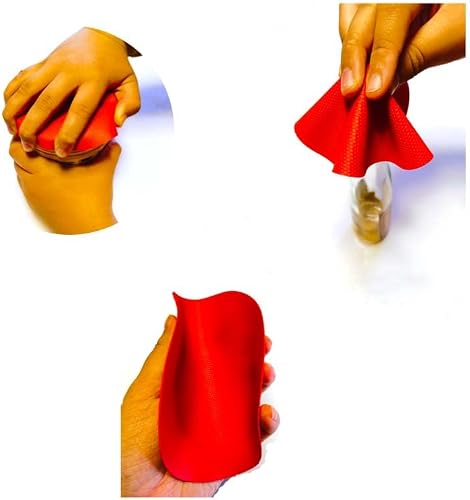
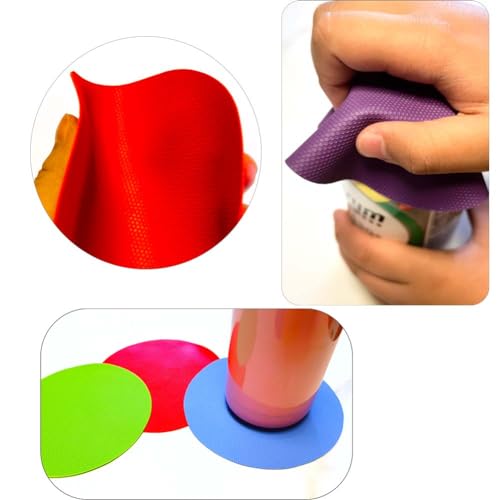
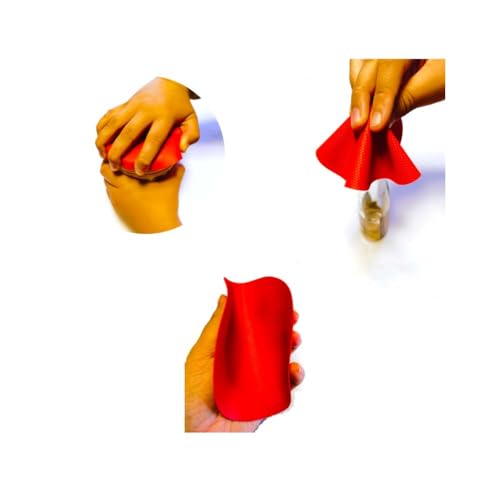
- Improve grip without extra squeeze. Dry the lid and hands, then wrap a thin rubber pad around the lid for traction. This adds friction so you can turn with an open palm rather than a tight finger grip, which is easier on finger joints.
- Keep the wrist neutral and use leverage. Choose an opener with a longer handle and turn with your whole forearm, not just the wrist. Avoid bending the wrist sharply or yanking, and use slow, steady pressure instead of a quick twist.
- Check the setup and environment. If you use an under cabinet opener, confirm it is firmly attached with screws and not just adhesive, and that you can stand directly under it without reaching or leaning. Good lighting and a dry, uncluttered counter also support steadier control. For more adaptive ideas, browse the Kitchen Adaptive Tools category.
When a Product Can Help
If technique changes are not enough, a low-effort grip aid may help reduce the force needed. A simple rubber gripper pad is one common option when you want more traction without a hard squeeze or complex mounting, and it can be used on many lid sizes with less strain.
This guide contains affiliate links, and we may earn a commission if you buy through them, at no extra cost to you.
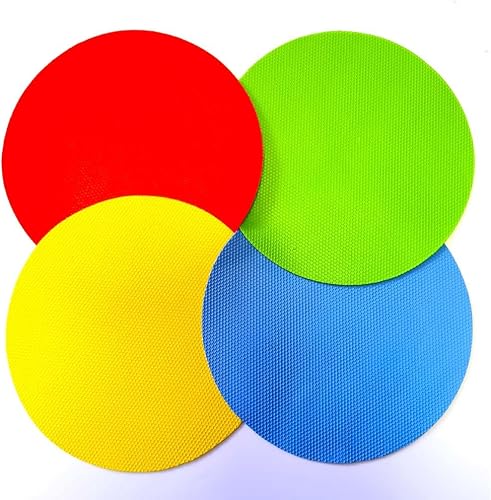
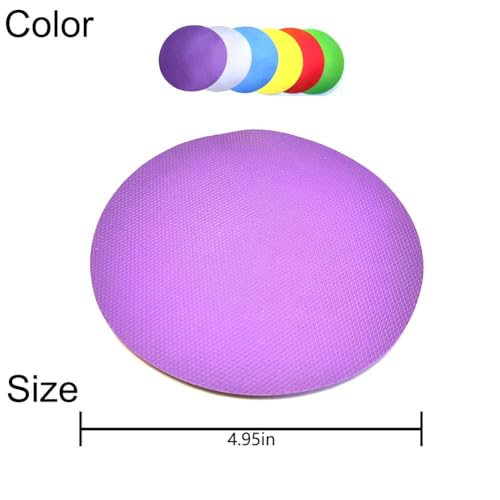
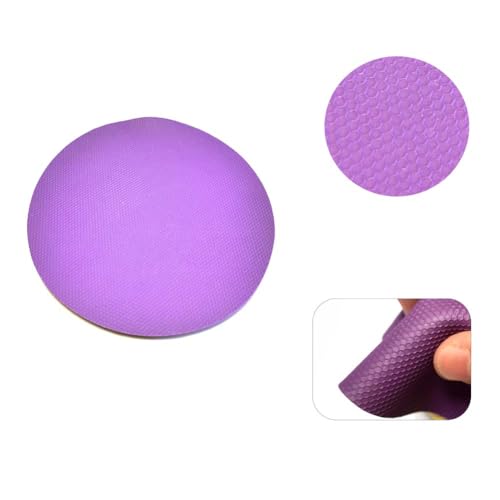
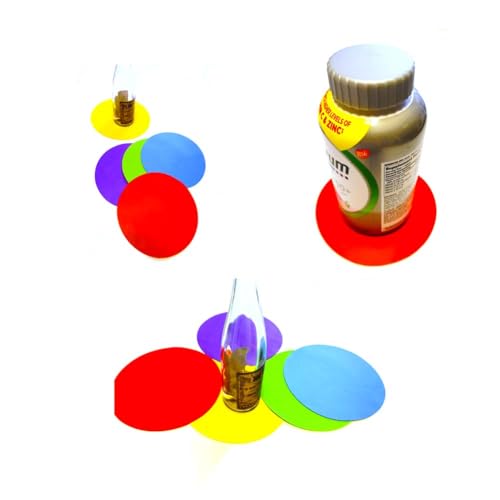
Prime Deofun Rubber Jar Opener Set



As an Amazon Associate we earn from qualifying purchases. Product prices and availability are accurate as of the date/time indicated.
This type of pad is described as made of flexible rubber with a textured, non-slip surface that helps hold the lid securely. It is lightweight, can double as a coaster or heat mat, and comes in a set so you can keep one near the stove and one in a drawer. As with any tool, it may help reduce effort but does not remove all risk, so use slow, controlled movements and stop if discomfort occurs.
When to Talk to a Professional Instead
A home fix is not ideal for every situation, and this approach is not recommended for seniors with a recent fracture, severe bone loss, frequent falls, or ongoing hand and wrist pain that makes daily tasks difficult. In those cases, a product alone is not the right choice and personalized guidance is needed.
Talk with a doctor, physician, physical therapist or occupational therapist if opening jars regularly causes pain, swelling, or fear of falling while reaching or twisting. They can assess grip strength, posture and kitchen layout, and suggest joint protection strategies or adaptive tools matched to the person’s abilities.
You should also seek professional input if the senior has had a hip or wrist fracture, uses a wheelchair, or needs to lean heavily on the counter for balance. A clinician can review safe movement patterns and whether a different tool or task modification would better support independence. You can also explore related daily living resources in Kitchen & Daily Living for broader context.
Frequently Asked Questions
Can a jar opener increase fracture risk for someone with osteoporosis?
Any tool that requires hard gripping or sudden twisting can add stress to fragile bones, especially if the jar slips. Using a stable surface, breaking the seal first and keeping the wrist straight may help reduce the force needed and the chance of a jerk.
What type of opener is generally easier on joints?
Many caregivers find that long-handled leverage openers and simple non-slip rubber pads require less hand strength than small twist caps. Look for a comfortable, non-slip handle and a size that fits the lid without forcing your fingers into a tight pinch.
Is an under cabinet jar opener safer for osteoporosis?
It can be helpful for some because it holds the lid while you turn the jar with less grip, but only if it is securely mounted with screws and at a height that does not require reaching overhead or leaning. If the mount feels loose or the posture feels awkward, try a handheld non-slip option instead and ask an occupational therapist for advice.
Browse more picks in our Kitchen Adaptive Tools category, or see our related guide on Kitchen Reacher Tools for Arthritic Hands in 2026.



Write Your Review
No reviews yet. Be the first to share your experience!