

Quick Answer
To make a jar opener safer for a senior with Parkinson’s, reduce the grip and twisting force needed, keep the jar itself from moving, and keep hands away from the lid edge. Try a non-slip base under the jar, a rubber grip on the lid, good lighting, and a braced seated or standing position, and check that any mounted opener is firmly secured at a comfortable height.
Why This Happens
Tremor, stiffness, and changes in grip strength can make it hard to hold a jar steady while also twisting a lid. A handheld opener that needs a firm squeeze or a quick twist may feel less secure when hands are shaky or fatigued. Always check with a healthcare provider or occupational therapist before making safety changes for a senior with Parkinson’s in your care.
Many openers are not matched to the person or the kitchen setup. Under-cabinet openers can feel unsafe if they are attached with adhesive alone, if screws are loose, or if the height forces the senior to reach or lean. Handheld multi-tools can be awkward if the handle is short, smooth, or requires precise placement on the lid.
The jar itself is often the moving part. A light or smooth jar on a slick counter can slide or tip, which increases the effort and the chance of a spill or strain. Without a stable base, even a good grip pad on the lid may not be enough.
Fatigue and timing matter too. Trying to open several jars in a row, working when hands are cold or tired, or working in a cluttered space with poor light can make any opener feel harder to control. For more context on stability challenges, you may find this guide helpful: best jar opener for seniors with balance issues.
Practical Steps to Try
Try these general household steps in order, easiest first, and pause if tremor, discomfort, or fatigue increases:
- Stabilize the jar before you work on the lid. Place the jar on a non-slip mat or damp towel on a clear, dry counter. If it helps, brace the jar against your body or the counter edge while seated, or have a caregiver hold the base steady so the senior can focus on the lid only.
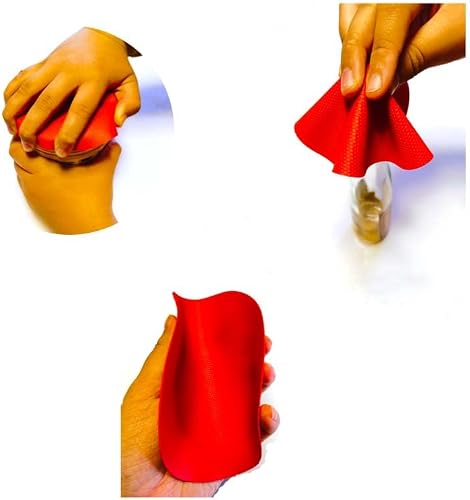
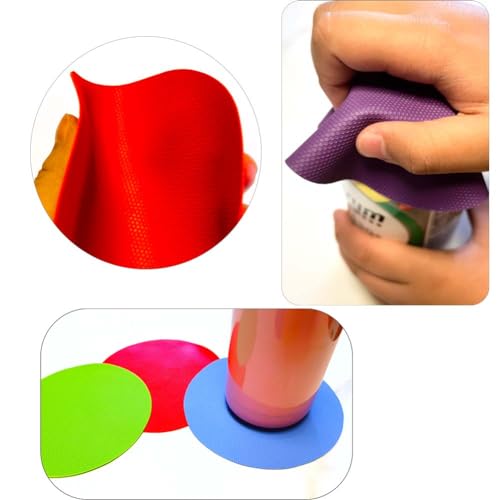
- Improve grip without adding force. Dry the jar and lid, then place a textured rubber gripper on top of the lid and another under the jar if needed. This may help reduce the amount of squeeze needed and can give more control when hands are shaky. Keep grippers clean and replace them if they become smooth or cracked.
- Reduce the seal strength first. Try tapping the lid edge gently, running warm water over the lid only for a few seconds, or using the hook end of a multi-opener to break the vacuum seal before twisting. One common option is to let the warm water do the work for a moment, then try again with the rubber grip.
- Check mounting and position for under-cabinet openers. If you use an under-cabinet style, confirm it is installed according to the product instructions with the provided hardware, that it does not wobble, and that the senior can slide the jar in without lifting or reaching overhead. The ideal height lets the senior keep wrists neutral and elbows close to the body.
- Set up a safer routine. Work in good light, keep the counter clear, and open jars when the senior feels most steady. Use a slow, steady turn rather than a quick jerk, take breaks between jars, and store openers where they are easy to reach without stretching. For related kitchen adaptations, see best kitchen reacher tools for seniors with arthritis and Kitchen Adaptive Tools.
When a Product Can Help
A product can help when stabilizing the jar and improving technique are not enough on their own, or when a senior needs to open jars independently without asking for help each time. In those cases, a simple, low-effort aid that adds grip without requiring a tight squeeze or complex motion is often a reasonable next step to try alongside the safer setup above.
This guide contains affiliate links, and we may earn a commission if you buy through them, at no extra cost to you.
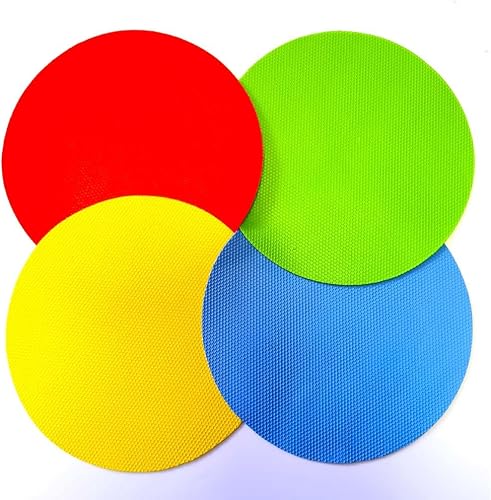
Prime Deofun Rubber Jar Opener Set



As an Amazon Associate we earn from qualifying purchases. Product prices and availability are accurate as of the date/time indicated.
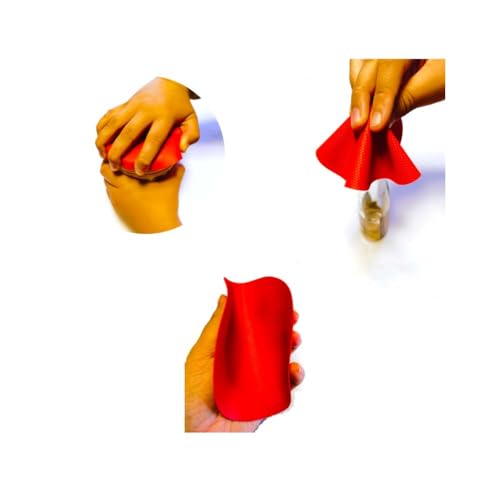
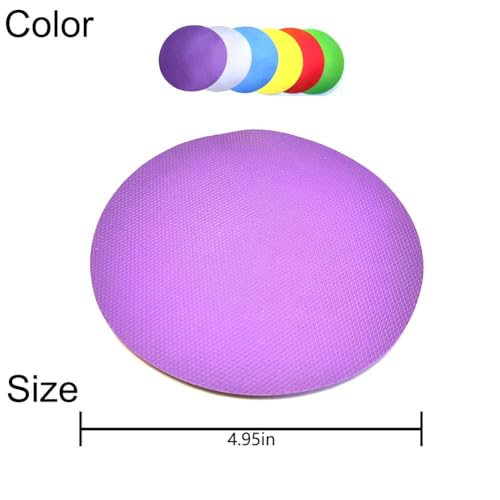
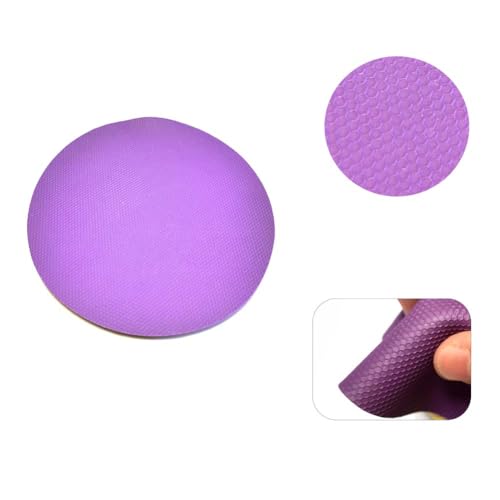
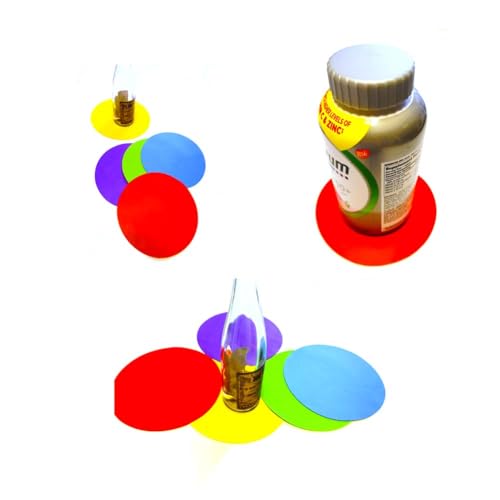
The 4pcs Rubber Jar Opener Bottle Gripper for Weak is one practical option to consider. According to its description, it is made of rubber with a textured, non-slip surface and is designed to help with various jar lids by adding grip when you place it on top and twist. Because it is lightweight, flexible, and does not require mounting, it may help reduce the effort needed while keeping the task simple and familiar.
When to Talk to a Professional Instead
A home fix is not ideal for every situation, and this type of rubber gripper is not a good fit if the senior has frequent choking risks, significant pain, worsening tremor, or new difficulty with daily tasks. If opening jars has become consistently hard, or if there are falls, spills, or hand injuries, it is wise to pause and seek guidance.
Consider speaking with a physician, occupational therapist, or physical therapist if you notice increased stiffness, fatigue, or loss of independence in the kitchen. They can assess hand strength, suggest adaptive techniques, and recommend tools that match the senior’s specific needs without giving medical or rehabilitation instructions at home.
This is also not the right choice as a sole solution if the kitchen layout requires overhead reaching, if the counter is unstable, or if the senior needs to stand unsupported for long periods. A professional can help review seating, counter height, and overall kitchen safety, which may help reduce the risk of strain more than any single opener.
Frequently Asked Questions
Can I make a handheld jar opener safer without mounting anything?
Yes. Try pairing it with a non-slip mat under the jar and a rubber gripper on the lid, and brace the jar so it does not spin. Keeping the counter clear and working at a comfortable height may also help improve control.
What if the senior cannot hold the jar steady due to tremor?
Focus on stabilizing the base first. Place the jar on a non-slip surface, hold the base with the steadier hand or have a caregiver steady it, and use a grip aid that needs less squeeze. If tremor makes the task feel unsafe, check with an occupational therapist for personalized strategies.
Are under-cabinet openers safer for Parkinson’s than rubber grippers?
It depends on the person and the installation. A securely mounted under-cabinet opener can allow one-handed use, but it must be installed as directed and positioned for comfortable reach. A simple rubber gripper may be easier to try first because it needs no installation and can be used anywhere.
Browse more picks in our Kitchen Adaptive Tools category, or see our related guide on Kitchen Reacher Tools for Arthritic Hands in 2026.



Write Your Review
No reviews yet. Be the first to share your experience!