

Quick Answer
If your outdoor grab bar is not working well for a senior who uses a wheelchair, it is often not matched to how they transfer and where they need support. A bar that is loose, too far from the doorway, or mounted at the wrong height can feel unsafe and go unused. Check the mounting and the position first, then consider a more suitable support location before you replace the whole setup in 2026.
Why This Happens
Many outdoor grab bars are designed for standing balance, not for the push and pull motion of a wheelchair transfer. A long horizontal rail along a porch wall may be perfect for someone walking with a cane, but a seated user often needs a vertical or small angled grip right at the door frame where they can pull themselves forward or steady themselves while crossing a threshold.
Mounting is another common reason a bar feels unhelpful. Outdoor walls may be vinyl siding, stucco, or thin trim that cannot hold weight on its own. If the bar is anchored only into siding or drywall instead of solid framing or masonry, it may flex, wiggle, or feel insecure even if it looks secure. You can learn more about safer entry options in our Outdoor & Entrance Safety guide.
Height and placement also matter more for wheelchair users. A bar mounted for standing height can be too high to reach comfortably from a seated position, forcing your loved one to reach up or lean sideways. That awkward reach can make the bar feel useless and may increase the risk of strain.
Another reason a bar goes unused is that it was chosen for a different user or for indoor use. A decorative or suction style bar that works in a bathroom may not hold up outdoors in rain, cold, or sun. Outdoor hardware needs corrosion resistance and a textured grip that stays secure with wet hands.
Always check with a healthcare provider or occupational therapist before making mobility changes for a senior in your care. They can help you assess reach, strength, and the safest transfer method for your home layout, especially when a wheelchair is part of daily movement.
Practical Steps to Try
Try these checks in order, starting with the simplest and safest. Stop and get help if anything feels loose or unstable.
- Check that the bar is solid without loading it fully. Gently try to wiggle it with your hand and look for loose screws, cracked caulk, or movement in the wall itself. If it moves at all, do not use it for support and have it reinstalled into solid framing or masonry by someone with experience.
- Watch a typical transfer from the wheelchair to the doorway. Notice where your loved one naturally reaches for support, whether they need to pull forward, push up, or steady themselves over a lip or step. The most helpful spot is usually within easy arm’s reach without twisting, often right beside the door jamb.
- Make the ground area safer and more predictable. Clear clutter, trim mats that slide, and check that the threshold or step is level and not slippery when wet. A stable, flat surface in front of the door often makes any grab bar more useful than adding another bar alone.
- Assess height from a seated position. Have your loved one sit in the wheelchair where they would normally use the bar and see if they can grip it with a relaxed elbow and neutral wrist. If they have to reach overhead or lean far to the side, the bar is not in the right place for seated use.
- Look at the whole entry, not just the bar. For many wheelchair users, a threshold ramp, a second small grip on the opposite side, or better lighting helps more than a single bar. You can explore related ideas like portable wheelchair ramp options and outdoor ramp reviews for elderly to see what fits your entry.
After each change, check whether your loved one actually uses the support without being reminded. If they still avoid it, reach around it, or say it feels awkward, that is useful feedback that the position or type still is not matched to their needs.
When a Product Can Help
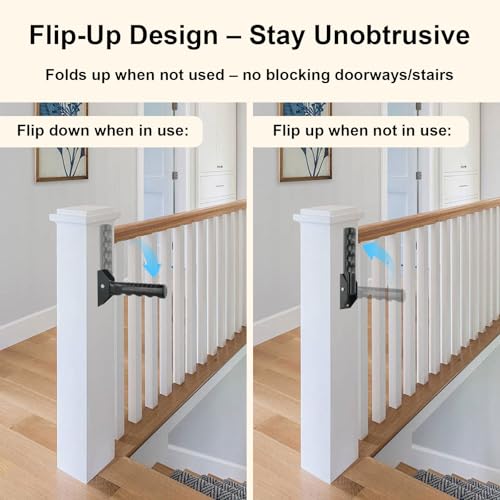
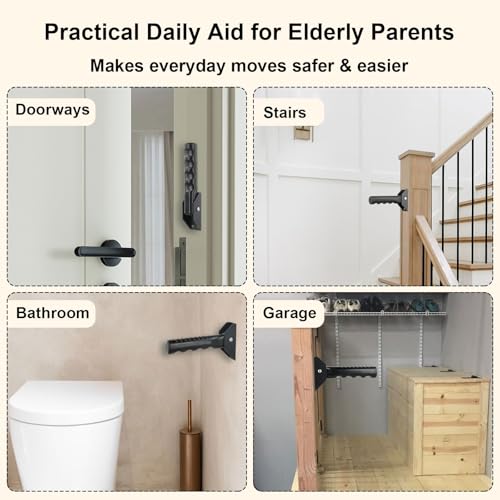
If the current bar is loose, blocks the doorway, or is mounted where a seated person cannot reach it comfortably, a different style of support may be more practical than trying to move the old one. A compact, flip up handle that sits close to the door frame can give a reachable grip for a small step or threshold without taking up the whole entry when it is folded away.
This guide contains affiliate links, and we may earn a commission if you buy through them, at no extra cost to you.

Prime VigorKeeper Flip Up Doorway Grab Bar


As an Amazon Associate we earn from qualifying purchases. Product prices and availability are accurate as of the date/time indicated.
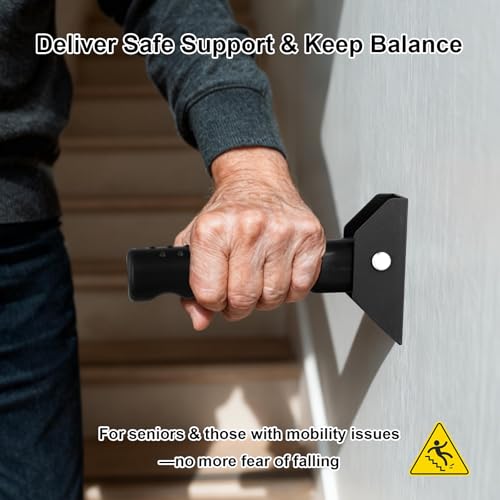
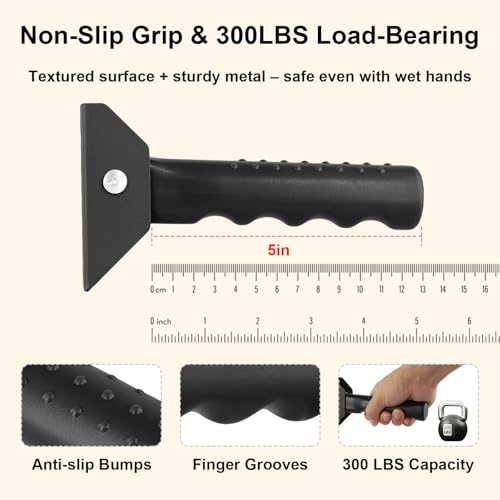
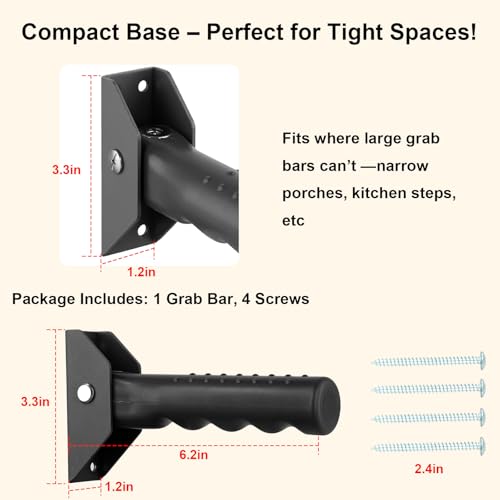
One practical option is the Doorway Assist Handle Flip Up Grab Bar for Seniors, which is described as a small, heavy duty metal handle with a non slip textured grip and a flip fold design that folds flat when not in use. It is rated to support up to 300 lbs and is designed for tight spaces like narrow porches or doorways where a larger rail would block the path. This type of handle may help reduce the risk of losing balance at entry steps when it is installed correctly into solid structure, but it does not replace a ramp or other mobility support if a step is too high for a wheelchair.
Installation location matters as much as the handle itself. The base of this type of handle is compact, which can help in tight doorways, but it still needs solid backing and correct height for seated reach. Follow the included hardware guidance and confirm the wall can support the rated load before daily use.
When to Talk to a Professional Instead
A small doorway handle is not ideal for a senior who needs to lift their full body weight, who has had a recent fall at the entry, or whose wheelchair cannot clear the threshold even with a grip. It is also not a good fit if the exterior wall cannot provide solid anchoring, if the step is high or uneven, or if your loved one needs two handed support to stay steady.
In these cases, try to pause home fixes and get professional input first. A physician, physical therapist, or occupational therapist can evaluate strength, transfer technique, and whether a ramp, wider doorway, or different mobility aid is needed. A contractor or accessibility specialist can also confirm what your walls and steps can safely support before you drill new hardware.
If you are weighing broader changes, our Fall Prevention resources can help you plan questions to ask a provider, but they are not a substitute for personalized medical guidance. Do not try to diagnose the cause of unsteadiness on your own, and route any concerns about balance, strength, or pain to a qualified clinician.
Frequently Asked Questions
Why does our outdoor grab bar feel wobbly even though it was screwed in tightly?
Many outdoor walls look solid but are actually siding or trim over hollow space, so screws may not be in structural framing. A bar that is not anchored into a stud, solid wood blocking, or masonry may flex when pulled. Have someone with experience check the anchoring and reinstall it into structure if needed.
Is a vertical or horizontal grab bar better for a senior who uses a wheelchair at the doorway?
It depends on the transfer motion, but many seated users find a short vertical or slightly angled grip near the door jamb easier to pull on without reaching far to the side. A long horizontal bar is often better for walking balance along a wall. A therapist can help you decide which orientation matches your loved one’s reach and strength.
Should we just add another bar if the first one is not helping?
Adding more hardware is not always the answer if the first bar is loose or in the wrong spot. Try to fix placement, stability, and the ground surface first, and consider whether a threshold ramp or level landing would help more. If you do add support, make sure each bar is independently secured to solid structure and does not crowd the doorway.
Browse more picks in our Outdoor & Entrance Safety category, or see our related guide on Door Lever Handles for Seniors Outdoors in 2026.





Write Your Review
No reviews yet. Be the first to share your experience!