

Quick Answer
If your motion sensor night light is not working well for a senior, check the outlet location, the light sensor, and the mode switch first. Most issues come from the light being in a too-bright spot, being blocked by furniture, or being set to the wrong mode, not from a broken bulb.
Why This Happens
Motion sensor night lights use two sensors, one for motion and one for ambient light. If the room is not dark enough, the dusk to dawn sensor will keep the light off even when someone walks by. A hallway light, TV glow, or daylight from a window can be enough to block it.
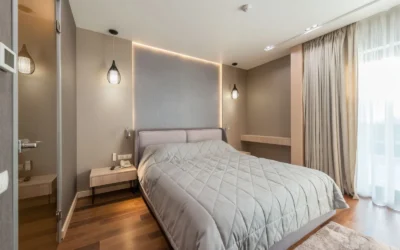
Placement is another common reason. A light plugged in behind a bed, dresser, or near the floor may not see movement, while one pointed at a busy doorway may turn on too often. Always check with a healthcare provider or occupational therapist before making safety changes for a senior in your care, especially if nighttime falls have already happened.
Settings and power also matter. Many plug in models have an Auto, On, and Off switch that can get bumped, and rechargeable models may be low on battery and become dim or unresponsive. Dust on the sensor lens or a night light that is too dim for an older adult with low vision can also make it seem like it is not working.
Finally, one small light is rarely enough on its own for a full bedroom to bathroom path. A single plug in light may help near the bed but leave the hallway or bathroom dark, which is why caregivers often need to think about coverage for the whole route, not just one outlet. You can see how coverage is planned in guides like best motion sensor night light for osteoporosis and Bedroom Fall Prevention.
Practical Steps to Try
- Check the mode and outlet. Make sure the switch is set to Auto, not Off or On. Try a different outlet that is not controlled by a wall switch and is not behind furniture. If it is a plug in model, confirm the outlet has power by plugging in something else.
- Reduce competing light. If the night light is near a lamp, TV, or bright window, move it to a darker corner or turn off the competing light at night to see if the dusk to dawn sensor then allows it to activate. The sensor needs low light to work.
- Adjust height and angle. For a senior getting out of bed, the light should be on the path to the bathroom, not hidden behind the headboard. Place it low along the wall near the floor where feet and walkers move, and make sure the sensor lens faces the walkway with a clear view for about 10 to 25 feet if the product lists that range.
- Clean and adjust brightness and timing. Wipe the sensor lens gently with a dry cloth, then try a higher brightness level or a longer auto off time if your model offers it. For rechargeable lights, fully charge the unit first, then observe if it now turns on reliably in the dark.
- Add light where the path is still dark. One light rarely covers bedroom, hallway, and bathroom. Try adding a second light at the hallway midpoint and one near the bathroom door so the senior is not walking into darkness between sensors. For broader bedroom safety ideas, see best bed rails for seniors with osteoporosis.
When a Product Can Help
A replacement can help when you have tried new outlets and settings and the light is still too dim, too slow, or has too short a timeout for a senior who moves slowly with a walker or cane. In that case one common option is a plug in light with a wider detection range and a longer auto off time so it stays on while someone is moving down a hall. Features to look for include dusk to dawn sensing so it only runs at night, a soft but clear brightness level, and a design that leaves the second outlet free.
This guide contains affiliate links, and we may earn a commission if you buy through them, at no extra cost to you.

Prime GE LED Motion Sensor Night Light 2-Pack


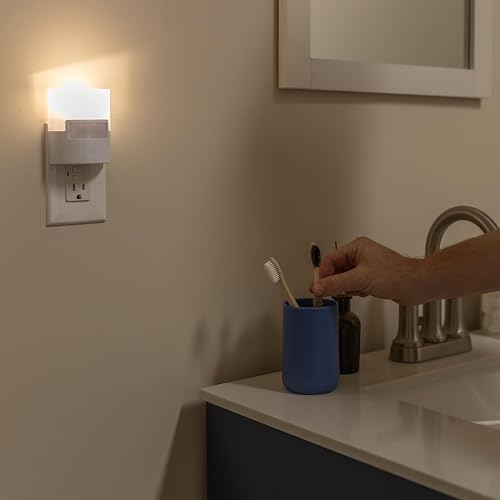


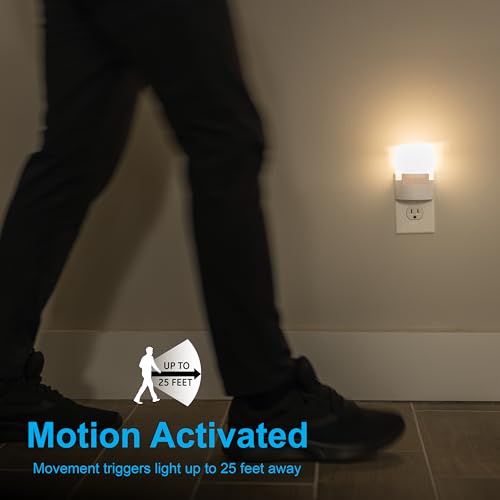
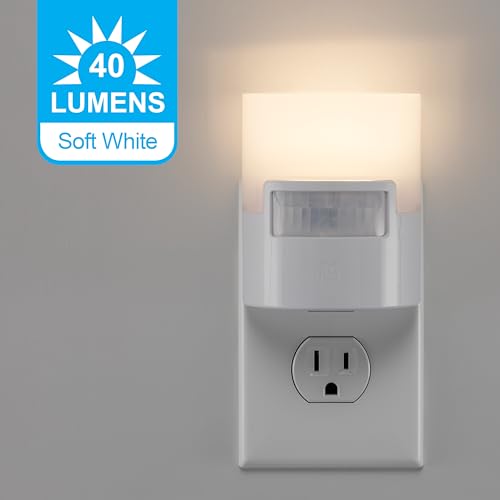
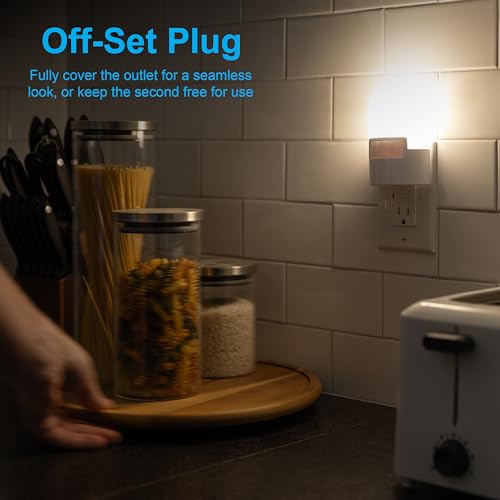

As an Amazon Associate we earn from qualifying purchases. Product prices and availability are accurate as of the date/time indicated.
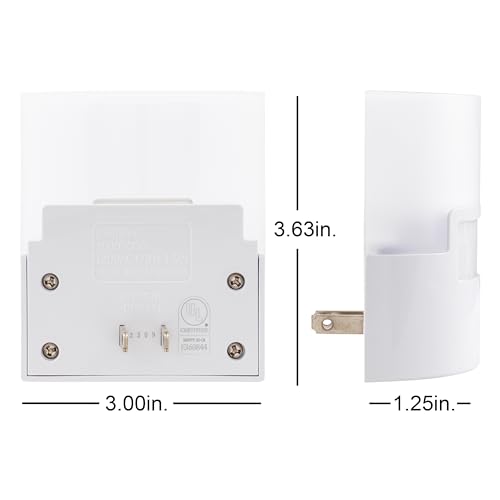
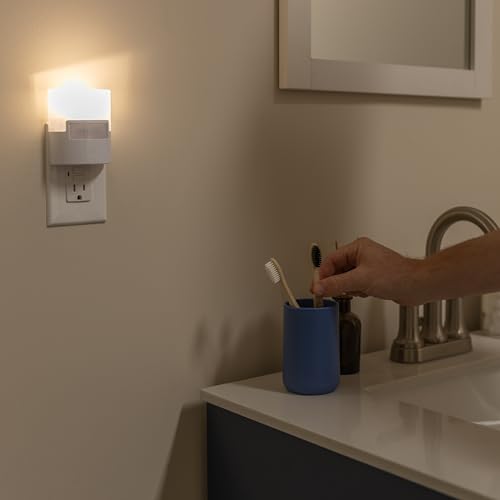
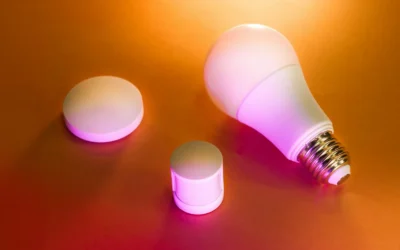
The GE LED Motion Sensor Night Light, Plug into wall is one example that lists motion activation up to 25 feet with a 90 second auto off, 40 lumen soft white light, and dusk to dawn sensing. Its plug in design is described as compact to keep the second outlet free, and the LEDs are listed as cool to the touch with long life performance and UL listing. For a senior who needs hands free light for nighttime trips to the bathroom, those listed features may help reduce the risk of walking in the dark without adding harsh overhead lighting.
When to Talk to a Professional Instead
A new night light is not ideal for every situation and is not a good fit if the senior is having frequent near falls, new vision changes, increased confusion at night, or needs to hold furniture to stay steady. In those cases, lighting alone will not address the underlying risk, and a home fix may delay needed support.
Talk with a physician, physical therapist, or occupational therapist if nighttime trips are becoming unsafe, if the senior has had a recent hospitalization, medication change, or diagnosis that affects balance, or if you are considering bed rails or other bedroom modifications. A professional can assess the full bedroom setup, footwear, walker fit, and lighting layout together. You can also review related fall prevention options in Fall Prevention to prepare questions for that visit.
Frequently Asked Questions
Why does my motion sensor night light not turn on at night? Check that it is set to Auto and that the sensor is not seeing bright ambient light. Try a darker outlet, clean the lens, and make sure furniture is not blocking the motion view. If it is rechargeable, try a full charge first.
Why does it turn on during the day or stay on too long? Some models have an On mode that keeps the light on continuously, so switch it back to Auto. If it stays on at night after motion stops, check if the auto off time is set to 60 or 120 seconds and adjust to a shorter interval if you prefer.
What helps for elderly who need more than one small night light? Try creating a continuous low light path instead of a single bright spot. Place one light near the bed, one in the hallway, and one in the bathroom so each sensor hands off to the next. Keep cords and rugs out of the path and keep the brightness soft enough to see without glare.
Browse more picks in our Bedroom Fall Prevention category, or see our related guide on Osteoporosis Bed Rails We Recommend for 2026.




Write Your Review
No reviews yet. Be the first to share your experience!