

Quick Answer
To make a shower bench safer for a senior with a knee replacement, start by raising the seat height so the knees stay higher than the hips, leveling all four legs on a flat non slip surface, and adding stable support nearby. A bench that is too low, tilted, or sliding is much harder to get on and off from, so check height, feet, and placement first before you consider replacing it.
Why This Happens
After a knee replacement, a standard height bench often feels too low. Bending the new knee deeply to sit down and pushing up to stand can feel strenuous and unsteady, especially if the seat is soft or slopes. Always check with a healthcare provider, physician, or physical therapist before making mobility changes for a senior in your care.
Many benches also wobble because the legs are not set evenly, the rubber feet are worn, or the bench is not sized for your tub or shower. A bench that rocks even a little can feel insecure when you shift weight to sit or stand. You can learn more about choosing the right size and style in this guide on how to choose a shower bench for seniors if you have a bad back, which covers height and fit basics that also apply after knee surgery.
Slippery surfaces add to the problem. Water, soap residue, and a smooth plastic seat can make you slide forward, while a shower floor without texture gives the bench feet less grip. If the bench has no backrest or armrests, there is less to hold while you reposition, which can increase the sense of instability.
Finally, placement matters. A bench pushed against a curved tub wall, sitting on a bath mat, or straddling a shower threshold may not sit flat. Even a well built bench may help less if it is not matched to the space, which is why a quick home check often improves comfort more than a new purchase alone.
Practical Steps to Try
- Adjust height and level the bench. Use the push button legs to set all four legs to the same height so the seat is level and the knees are slightly higher than the hips when seated. Sit on the edge of the bench with feet flat and see if you can stand without leaning far forward, then try a slightly higher setting if needed. If your current bench does not offer enough height range, you may want to review options in our best bath stool for seniors after knee replacement guide.
- Secure the feet and the floor. Remove any bath mat from under the bench, clean soap scum from the tub or shower floor, and check that each rubber foot or suction cup is clean and making full contact. Press down on each corner to confirm there is no rocking, and replace worn feet if they look cracked or smooth.
- Add stable support within reach. Keep a properly installed grab bar or wall rail where you can hold while you sit and stand, and place a handheld showerhead so you do not need to twist or reach. Avoid using towel bars, glass doors, or the bench armrest alone to pull up, since they are not designed to support full body weight.
- Improve the seating surface. Look for a seat with drainage holes so water does not pool, and consider a removable cushion with a non slip backing that stays in place on a clean, dry chair surface. A textured, quick drying cover may help reduce sliding and make it easier to stay centered while seated.
- Set up a clear, simple transfer path. Place the bench so you can sit first outside the tub and then slide over, keeping needed items within arm’s reach and the floor outside the shower dry with a non slip bath mat. Keep the area free of clutter, cords, and loose rugs, and try the motion slowly with a caregiver nearby if possible.
When a Product Can Help
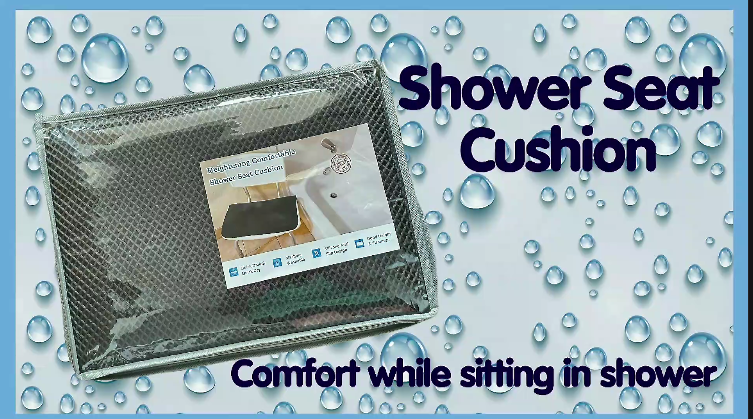
If the bench is still too low or the seat feels hard and slippery even after leveling and cleaning, a dedicated cushion designed for shower chairs can be a practical next step. One common option is a height adding cushion with a silicone non slip base and breathable mesh that stays put on a clean chair and adds a bit of elevation for easier sitting and standing.
This guide contains affiliate links, and we may earn a commission if you buy through them, at no extra cost to you.

Prime REEZEIVI Shower Seat Cushion with Silicone


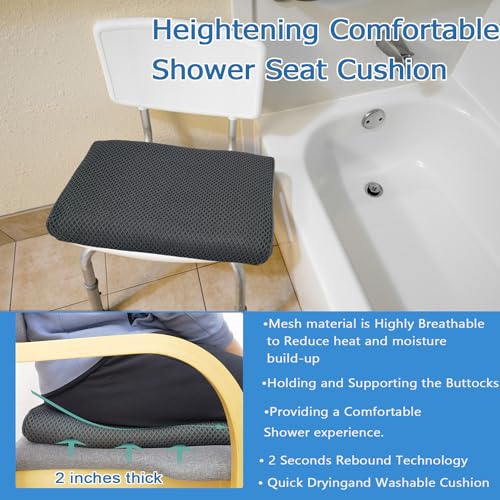

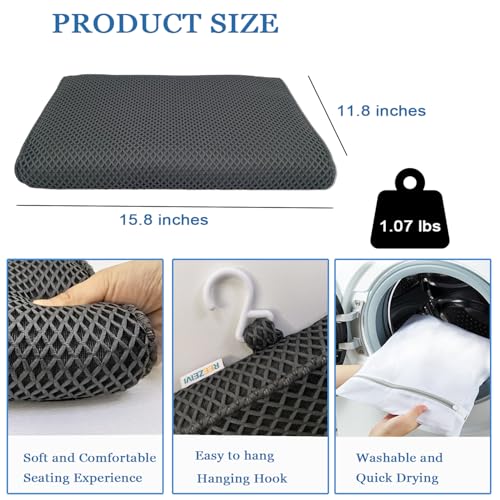
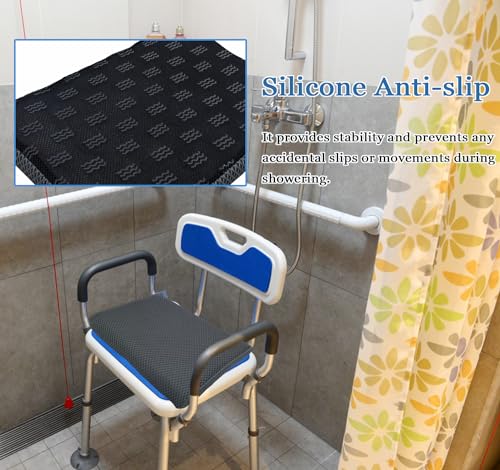
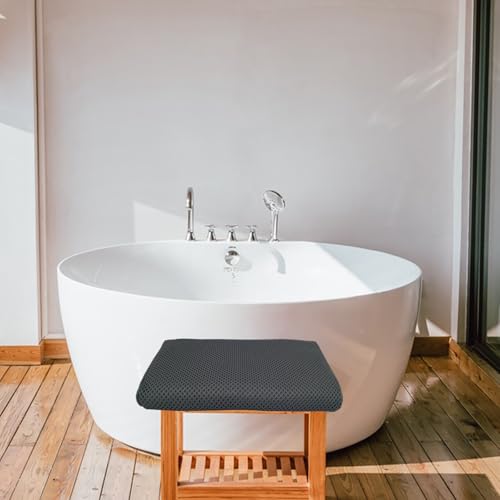
As an Amazon Associate we earn from qualifying purchases. Product prices and availability are accurate as of the date/time indicated.
This type of accessory may help reduce the need to bend the knee deeply and may help reduce sliding, but it does not replace a stable bench, proper installation, or guidance from your care team. Check that any cushion fits your specific bench model and that the bench remains level and secure after adding it.
When to Talk to a Professional Instead
This kind of home adjustment is not ideal for every situation, and some concerns need professional input rather than a do it yourself fix. If the senior feels dizzy, has had a recent fall, cannot bear weight as expected, or the bench still wobbles after adjustments, pause and seek advice.
A physical therapist or occupational therapist can evaluate safe seat height, transfer technique, and whether a different bench style, such as a transfer bench that extends outside the tub, is a better fit for your bathroom layout. Your physician or healthcare provider can also confirm what movements are appropriate during recovery and whether additional bathroom changes are needed.
For broader bathroom planning after knee surgery, you may also find it helpful to compare related supports like a bedside commode for knee replacement for nighttime needs, since getting on and off low surfaces is a common challenge in more than one room. If you are unsure, a professional home safety evaluation is a safer next step than continuing to use a bench that feels insecure.
Frequently Asked Questions
What is the safest height for a shower bench after knee replacement?
Many caregivers find that a height where the hips are level with or slightly above the knees is easier for sitting and standing. Try small adjustments and ask a physical therapist to confirm a comfortable height that avoids deep bending.
How do I keep a shower bench from sliding?
Clean the floor and the bench feet, remove mats from under the bench, and make sure all legs are level and locked. Check that suction or rubber feet are intact and that the bench is rated for your space, and replace worn parts as needed.
Should I use a cushion on a shower bench?
A cushion with a non slip backing may help add a little height and reduce sliding on a smooth plastic seat, especially if the original seat feels hard. Make sure it is designed for shower use, fits securely on a clean chair, and does not make the bench unstable or too soft to push up from.
Browse more picks in our Shower & Tub Safety category, or see our related guide on Shower Benches We Recommend for Caregivers With Back Pain in 2026.









Write Your Review
No reviews yet. Be the first to share your experience!