

Quick Answer
If your motion sensor night light is not working well for a senior with a knee replacement, try repositioning it first. Most issues come from the sensor facing the wrong direction, the light being too dim or too bright for the room, or low battery power, not a faulty product. Move the light lower along the path to the bathroom, check that nothing blocks the sensor, and confirm it is set to auto mode in a dark enough area.
Why This Happens
After a knee replacement, getting up at night often means moving more slowly and using a walker or cane, which can change how a sensor sees you. Always check with a healthcare provider, physician, or physical therapist before making safety changes for a senior in your care, especially during early recovery when stability and lighting needs may change quickly.
Many night lights rely on a small motion and light sensor that needs darkness to activate. If the light is near a bright hallway bulb, a window, or a TV glow, it may stay off because it thinks the room is already bright enough. Sensor angle also matters, as a light placed too high, behind furniture, or facing away from the walking path may not detect slow or low movement.
Brightness settings can also make a light feel unhelpful. A setting that is too low may not show the floor edge, rug edge, or walker feet, while a setting that is too harsh can cause glare and make it harder to see. For seniors who need to move carefully after surgery, even, warm light along the floor path is often more useful than a single bright spot.
Power and mounting problems are common too. Battery operated lights may dim or respond slowly when the charge is low, and plug in lights may be blocked by furniture or covered outlets. Adhesive mounted lights that have slipped or tilted may point the sensor at the ceiling instead of the path, so they miss movement. For more ideas on bedroom setup, see best motion sensor night light for osteoporosis.
Practical Steps to Try
- Check placement and sensor aim. Place the light low, about knee to waist height, along the actual route from bed to bathroom. Make sure the sensor lens is clean, uncovered, and facing the path where feet and a walker will pass, not facing the bed or a wall. Try moving it 3 to 6 feet closer to where movement starts, such as the side of the bed or the bedroom doorway.
- Confirm the mode and darkness level. Many lights have Off, On, and Auto. Set it to Auto so it only turns on when it is dark and motion is detected. If it has a light sensitivity setting, try it in a darker corner away from other lamps or night lights. Close curtains or dim nearby lights to see if the sensor then responds.
- Adjust brightness for the space. If the light is dimmable, try a medium warm setting that lights the floor without shining directly into the eyes. You want to see the path, the doorway threshold, and any cords or rugs without needing to turn on an overhead light. Check how the light looks from a standing and seated position at the bedside.
- Check power and mounting. For rechargeable lights, fully charge the unit and confirm the indicator shows a full charge. For plug in lights, try a different outlet that is not controlled by a wall switch and is not blocked by furniture. If the light uses adhesive, press and hold it firmly on a clean, dry surface or set it on a flat table or shelf so it stays aimed correctly.
- Add coverage along the whole path. One light is rarely enough for a bedroom, hallway, and bathroom. Try adding a second low light at the hallway midpoint and one near the bathroom door so there are no dark gaps. Keep cords, rugs, and clutter off the path and use a steady bedside support if your care team has recommended one. You can find related bedroom safety options in Bedroom Fall Prevention.
When a Product Can Help
A different light may help when your current one cannot be repositioned, does not have adjustable brightness, or needs frequent charging that is hard to manage. A portable, rechargeable option with multiple brightness levels and a clear auto mode can be a practical next step when placement and power fixes have not solved the problem.
This guide contains affiliate links, and we may earn a commission if you buy through them, at no extra cost to you.

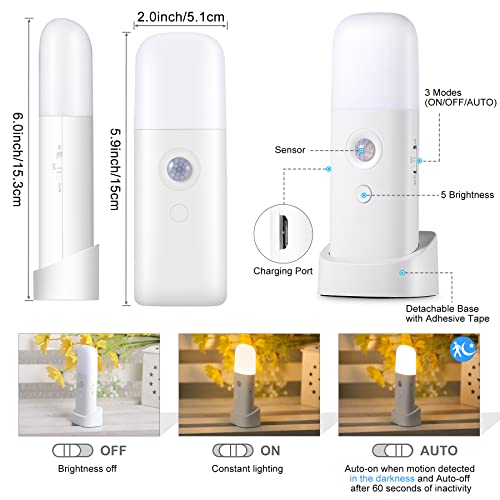
Prime CREWEEL Motion Sensor Night Light



As an Amazon Associate we earn from qualifying purchases. Product prices and availability are accurate as of the date/time indicated.
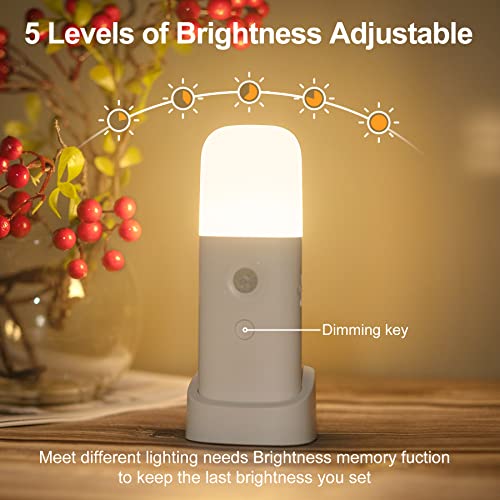
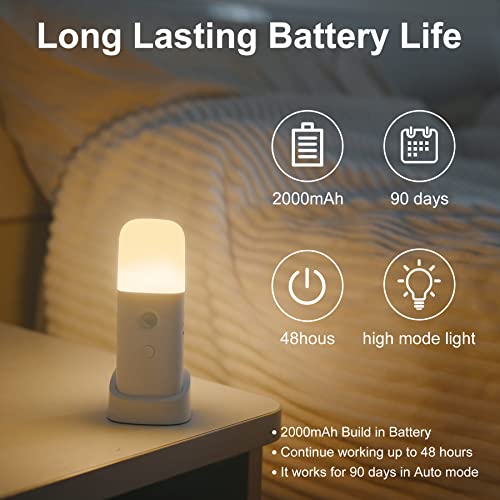
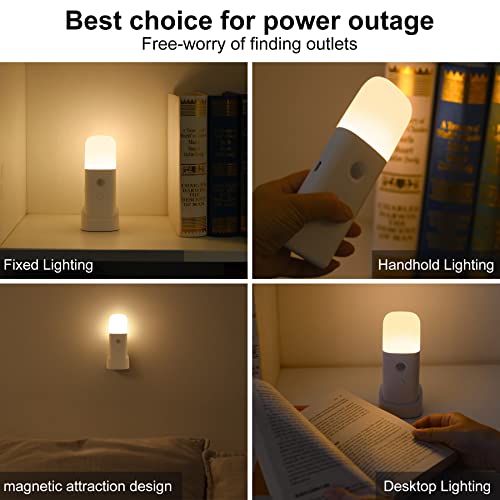
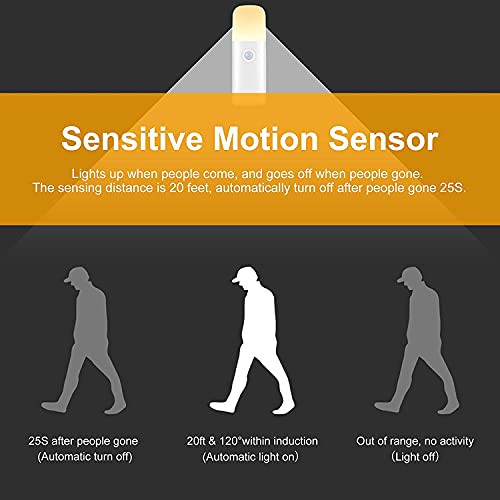
One common option is the CREWEEL Motion Sensor Night Light, which is described as having five brightness levels, a rechargeable 2000mAh battery, and a motion sensor that activates in the dark when movement is detected within about 16 feet and turns off after about 25 seconds without motion. Its portable design with a base and adhesive pads is listed as allowing placement on a flat surface or on the wall without tools, which may help you place light exactly where the path needs it.
This type of dimmable, portable light may help reduce the risk of stumbles by keeping the floor path visible without turning on harsh overhead lights. Use it to light the first step out of bed and the hallway turn, and keep the brightest setting for areas where shadows hide edges. As always, pair lighting with other supports your healthcare provider suggests, such as clear pathways and safe footwear.
When to Talk to a Professional Instead
A new light is not ideal for every situation and is not a good fit when the main concern is increasing unsteadiness, frequent near falls, or pain that makes nighttime movement feel unsafe. Lighting can support visibility, but it does not address balance, strength, or pain management after a knee replacement.
Contact a doctor, physician, physical therapist, or occupational therapist if the senior is falling, catching their foot, feeling dizzy when standing, or avoiding getting up at night because of fear of falling. A professional can review the home layout, recommend safer bed height, walker use, or additional supports, and suggest whether a different bedroom arrangement is needed.
You should also seek professional guidance if the bedroom has stairs, uneven flooring, or loose rugs that light alone cannot make safe. For broader home safety planning, explore Fall Prevention and discuss any changes with the care team before installing new equipment.
Frequently Asked Questions
Why does the motion sensor miss slow movement after knee replacement?
Sensors detect changes in heat and movement within a cone shaped area, so very slow or small movements at the edge of that cone may not trigger the light. Try placing the light lower and closer to the start of the path and make sure the sensor faces the walking direction, not across the room.
Should I choose a plug in or rechargeable battery light for recovery?
Plug in lights work well when you have an open outlet along the path and want to avoid charging, while rechargeable portable lights help where outlets are missing or blocked. Consider who will handle charging and whether the light can stay where it is needed without cords crossing the walkway.
How bright should a bedroom night light be for an older adult?
Aim for a soft, warm glow that clearly shows the floor, door frame, and any obstacles without causing glare. If the light is dimmable, start at a middle level and adjust up or down until the path is visible from bed height and standing height without needing to squint.
Browse more picks in our Bedroom Fall Prevention category, or see our related guide on Osteoporosis Bed Rails We Recommend for 2026.







Write Your Review
No reviews yet. Be the first to share your experience!