

Quick Answer
If a cane feels unsteady for a senior, the most common fix is to check three things in this order: height, tip, and base stability. Adjust the cane so the handle is at wrist height when standing upright, replace a worn or smooth tip with a fresh non slip tip, and consider a quad or self standing base if the single tip feels tippy on everyday surfaces.
Why This Happens
A cane that once felt fine can become less secure for many everyday reasons, not just age related changes. A tip that has worn smooth, a cane that is set too high or too low, and a narrow base on uneven floors can all reduce stability. Always check with a healthcare provider, physician, or physical therapist before making mobility changes for a senior in your care.
Height is a frequent issue. If the handle is too high, the shoulder lifts and control suffers. If it is too low, the user leans forward and the cane may not support balance well. For general guidance on proper cane fit, see ADA cane requirements for seniors aging in place.
The tip and base also matter. Rubber tips harden, crack, or wear smooth over time, especially with daily use on sidewalks or tile. A single point tip can also feel less steady for someone who needs more contact with the ground, while a quad base adds contact points but needs a little more space to place correctly.
How and where the cane is used affects safety too. Carrying bags on the cane, using it on wet or cluttered floors, or storing it where it falls over and must be retrieved from the floor can create extra reaching and bending. Simple home adjustments often help the cane work better without changing the whole setup.
Practical Steps to Try
- Check and adjust height. Have the senior stand in regular shoes with arms relaxed at the sides. The top of the cane handle should align near the crease of the wrist. Try one notch at a time and confirm the elbow bends slightly, about 15 to 20 degrees, when holding the handle. Lock any height adjustment securely according to the cane instructions.
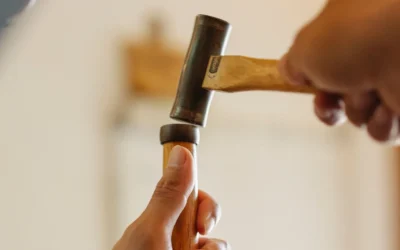
- Inspect and refresh the tip. Look for smooth spots, cracks, uneven wear, or a loose fit. Try cleaning dirt from the tread, then replace the tip if it is worn or does not sit firmly. A fresh, non slip rubber tip that fits the shaft diameter snugly may help reduce the risk of slipping on dry, flat surfaces.
- Consider a more stable base if needed. If a single tip still feels tippy despite good height and a new tip, one common option is a quad or self standing tip or base that adds ground contact. Check that the base sits flat without rocking and that it does not catch on door thresholds or crowded areas. For broader home safety ideas, explore the Fall Prevention category.
- Improve grip and handling habits. Try keeping the cane on the stronger side as advised by a clinician, keeping the rubber handle clean and dry, and avoiding hanging heavy bags from the cane. Encourage placing the cane upright within reach when sitting, so there is less bending to retrieve it. A cane holder or clip near a favorite chair can help.
- Tidy the walking path and lighting. Try removing loose rugs, cords, and clutter from main walkways, and add steady lighting for evening trips to the bathroom or kitchen. Pairing a safer cane setup with a clear path and supportive footwear with non slip soles may help reduce the risk of stumbles. You can find related bedroom ideas in best bed rails for seniors with osteoporosis.
When a Product Can Help
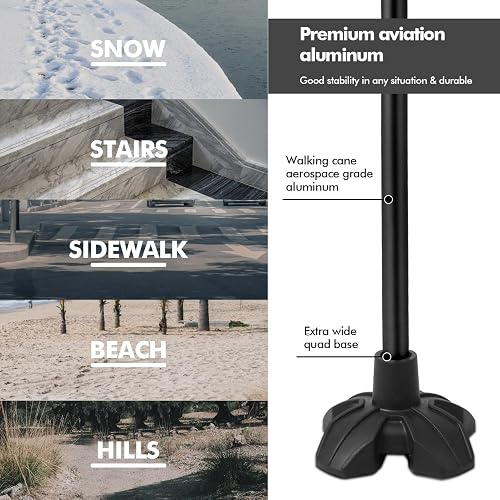
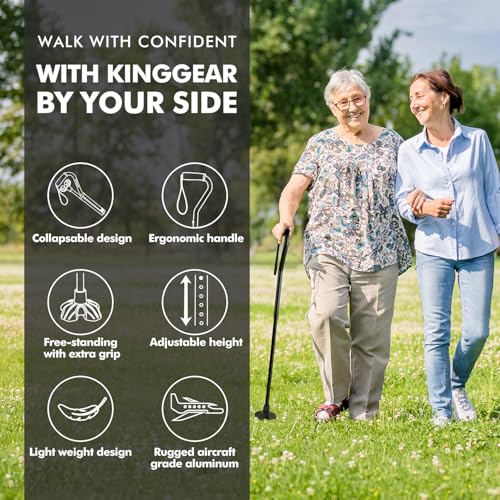
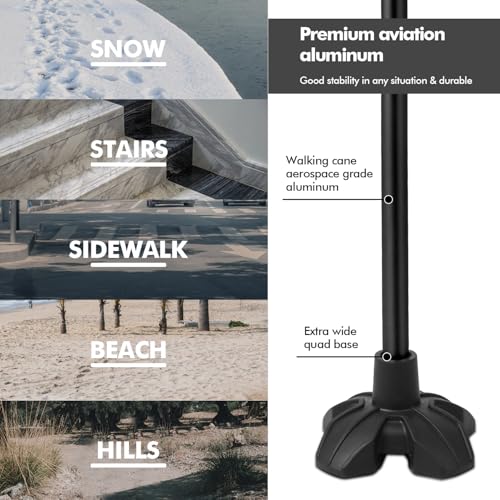
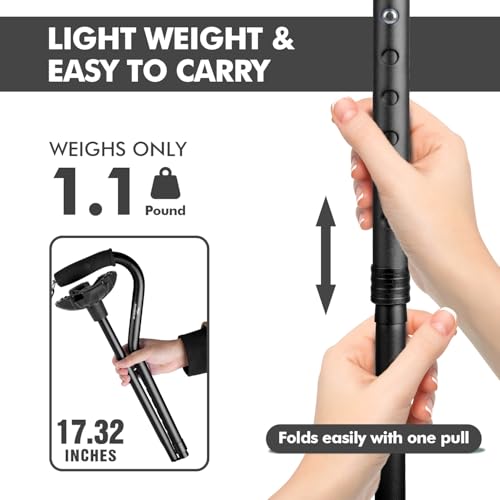
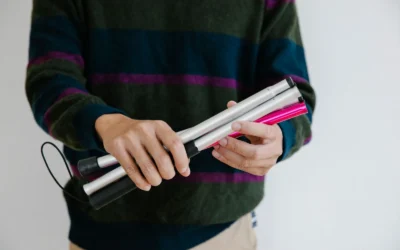
If height is correct and a new tip is not enough, a cane designed with a built in stable base may be a practical next step. One common option is a lightweight, foldable cane with an offset handle and a self standing quad base that can stand upright on flat floors and offer more ground contact than a single point tip. Features like adjustable height and a foldable design can also make storage and travel easier for caregivers and seniors.
This guide contains affiliate links, and we may earn a commission if you buy through them, at no extra cost to you.
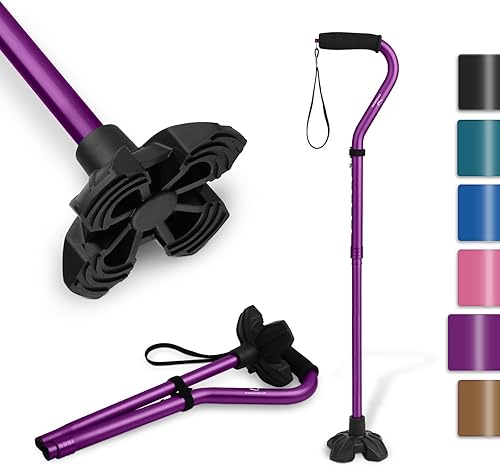
Prime KINGGEAR Self Standing Walking Cane for Seniors



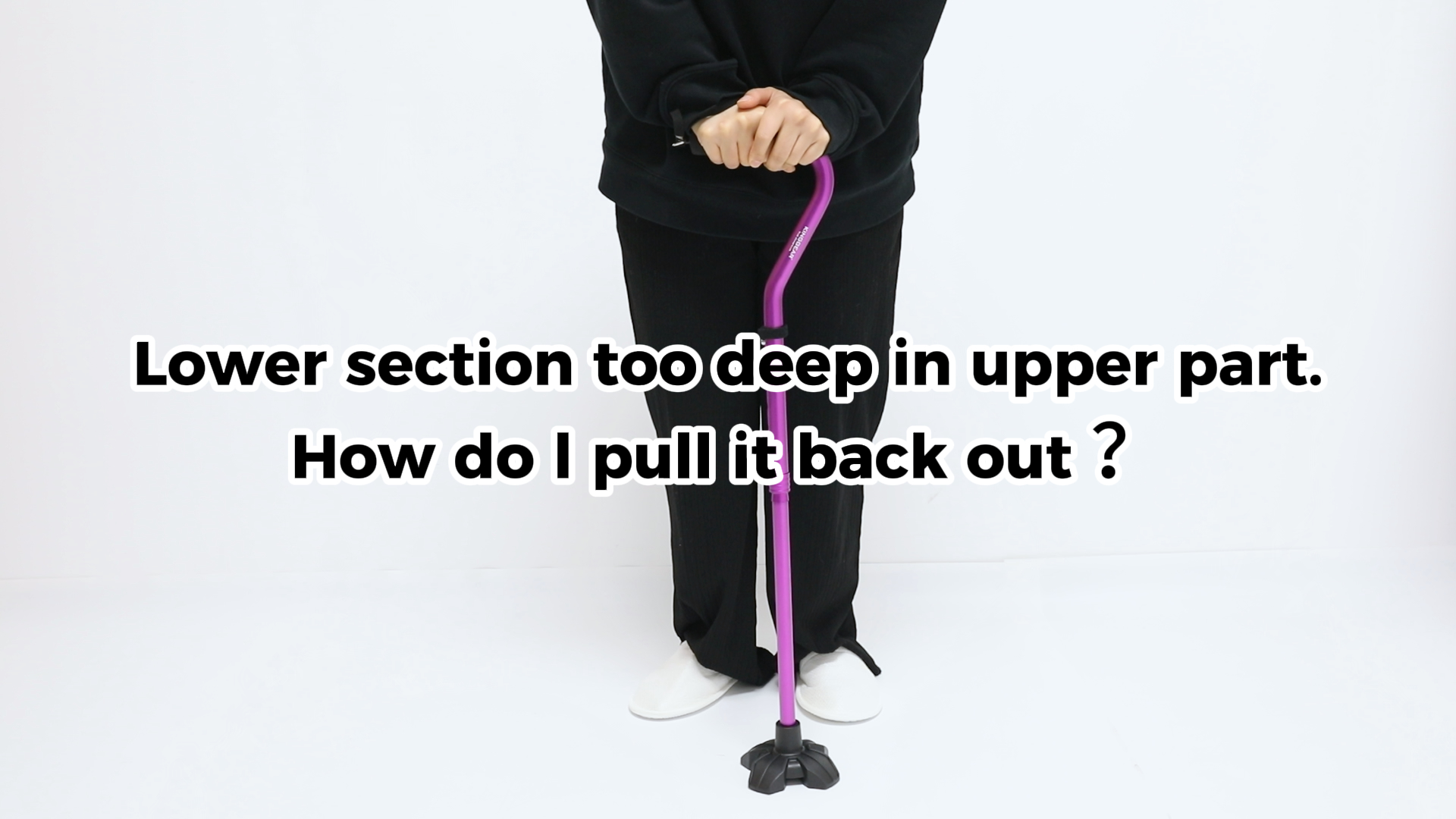
As an Amazon Associate we earn from qualifying purchases. Product prices and availability are accurate as of the date/time indicated.
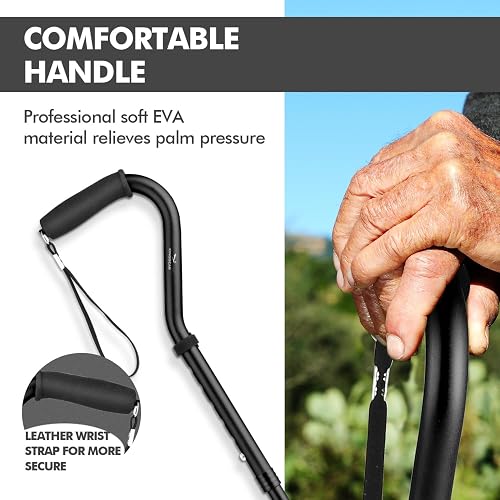
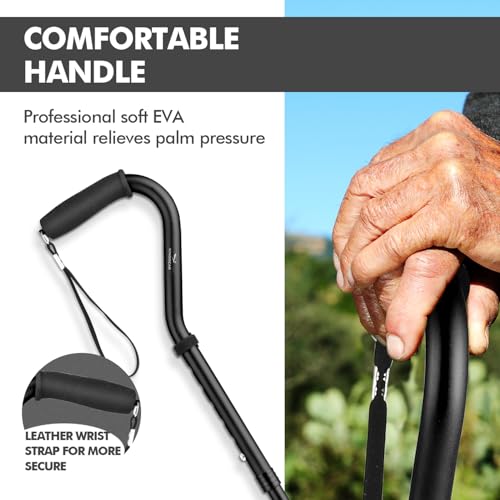
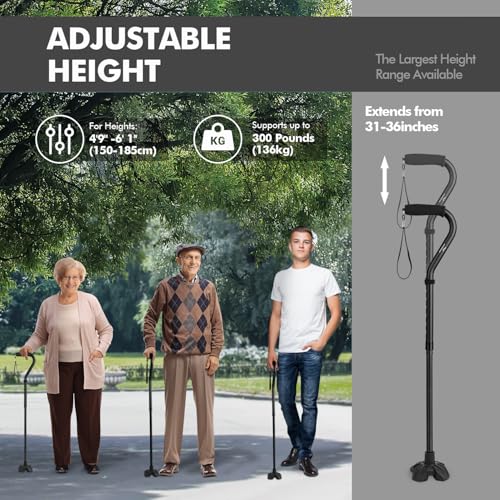
The KINGGEAR Self Standing Walking Cane Quad Base is one example that includes a lightweight aluminum frame, foldable design, 31 to 36 inch adjustable height range, EVA offset handle, and self standing quad base as listed in its specifications. These features may help reduce the need to bend to pick up a fallen cane and may help provide steadier placement on level surfaces, without promising to remove all fall risk.
When to Talk to a Professional Instead
A home adjustment is not always the right answer. If the senior has had a recent fall, shows sudden changes in balance, needs to lean heavily on the cane, or reports numbness, dizziness, or new weakness, contact a doctor, physician, or physical therapist promptly for guidance.
This type of cane setup is also not ideal for seniors who need substantial weight bearing support, have a very small living space where a quad base could catch on furniture, or have been advised to use a walker or other device instead. A physical therapist or occupational therapist can confirm whether a cane is still the right choice and can verify fit and technique in person.
Frequently Asked Questions
How do I know if the cane is the right height?
Try the wrist crease check with shoes on and arms relaxed. When holding the handle, the elbow should bend slightly and the shoulder should stay relaxed, not hunched. If you are unsure, a physical therapist can confirm the best height for that person.
How often should I replace the cane tip?
Check the tip monthly for smooth tread, cracks, or looseness. Try replacing it as soon as wear appears or if it slips on dry floors, and always match the tip size to the cane shaft. Keeping a spare tip on hand can make replacement quicker.
Is a quad base always safer than a single tip?
Not for everyone. A quad base may help provide more stability on flat, open surfaces and can stand on its own, but it can feel bulkier in tight spaces or on stairs. Try considering the home layout and get input from a healthcare provider about which base style fits the senior’s needs and environment.
Browse more picks in our Canes & Walking Sticks category, or see our related guide on Canes for Seniors Aging in Place We Recommend in 2026.





Write Your Review
No reviews yet. Be the first to share your experience!