

Quick Answer
If your reacher tool for kitchen keeps coming loose, the most common cause is a loose rotating jaw or a worn friction joint where the head connects to the shaft, not the whole tool failing. Try tightening the jaw rotation lock if it has one, cleaning food residue and grease from the rubber tips, and checking the folding joint or cable tension before you consider a replacement.
Why This Happens
Most kitchen reachers rely on a rotating head, a trigger cable, and rubber grip pads. In a kitchen, flour dust, cooking oil, and moisture can build up on those pads and inside the jaw hinge, which reduces friction and makes the grip feel loose or wobbly.
Repeated twisting to reach into cabinets, around a refrigerator, or over a stove can gradually loosen the joint where the head swivels. If the tool has a folding mechanism for storage, that joint can also develop play over time, especially if it is stored while still extended or bumped in a drawer.
Using the reacher for items that are heavier or bulkier than it was designed to handle can stretch the internal cable or deform the soft rubber tips. When the tips no longer meet evenly, thin items like spice packets or utensils may slip even though the handle still clicks.
Finally, some looseness comes from a mismatch between the tool and the task. A long, lightweight reacher is great for light pantry items, but it may feel unstable for heavier pots or for pulling items sideways from deep shelves. For more context on choosing the right style, you can review options in kitchen reacher tools for seniors with arthritis and the broader Kitchen Adaptive Tools collection.
Practical Steps to Try
Try these steps in order, starting with the simplest checks. Stop and reassess if anything feels cracked, bent, or unsafe to use.
- Check and reset the rotating head. If your model has a 360 degree or 90 degree rotating jaw, rotate it back to the neutral, straight-ahead position until it clicks or feels firmly seated. Then try a gentle squeeze without a load to see if the wobble lessens. Avoid forcing it past its stop, which can wear the lock faster.
- Clean the jaw and rubber tips. Wipe the rubber pads and the inside of the claw with warm soapy water, then dry thoroughly. Oily residue from the kitchen is a common reason for slipping, and a clean, dry rubber surface often restores grip without any adjustment.
- Inspect the folding joint and shaft. If the tool folds for storage, make sure it is fully unfolded and locked. Look for visible play where the two halves meet, and check that the shaft is straight. A partially locked fold will feel loose even when the jaw itself is fine.
- Check trigger and cable action. Squeeze the trigger slowly and watch the jaw close. It should move smoothly and meet evenly at the tips. If the jaw closes unevenly or does not fully close, the internal cable may have slack or the spring may be sticking. Light cleaning around the trigger housing can help, but do not disassemble the cable system at home.
- Match the task to the tool and adjust your technique. Try approaching shelves straight on rather than at a sharp angle, and center the item in the middle of the 4 inch wide claw instead of gripping with just the tips. For heavy or awkward items, consider sliding them closer with the reacher and then lifting by hand, or explore jar openers that reduce strain and other kitchen aids to reduce the need to lift at arm’s length.
If these steps do not improve stability after a few days of normal use, the rubber tips may be worn smooth or the joint may be permanently loose. At that point, replacing the tool is often more reliable than trying to repair it, especially for daily kitchen use in 2026.
When a Product Can Help
A replacement can help when cleaning and resetting do not restore a firm grip, or when the current reacher is too short, too heavy, or too flexible for the kitchen layout. Look for a model with a secure rotating jaw that locks in place, deeper non slip rubber on the claw, and a lightweight but rigid shaft that reduces wobble when reaching overhead.
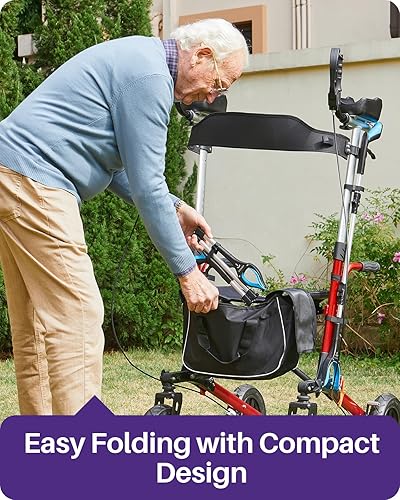
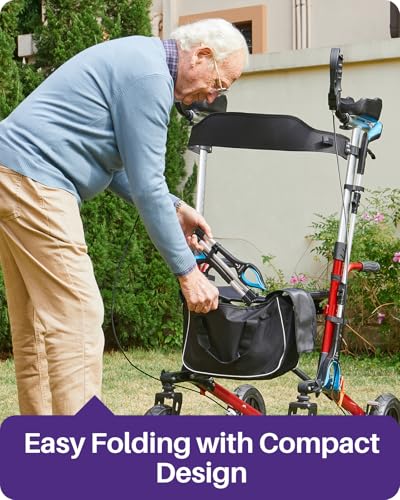
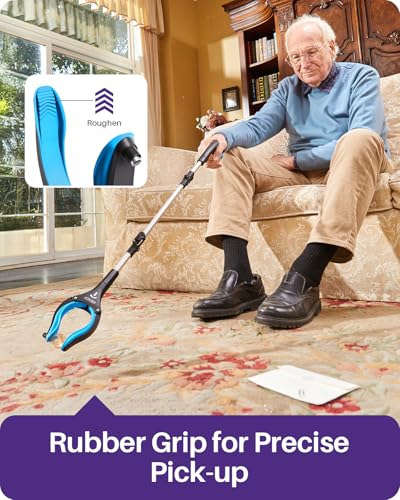
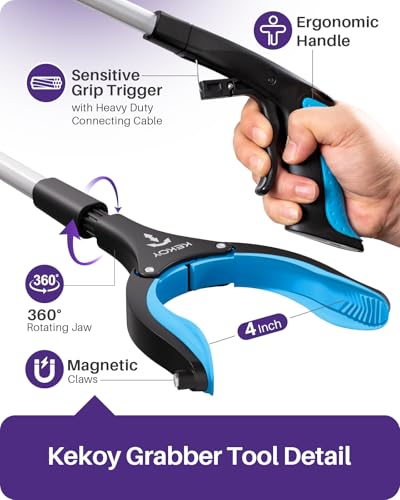
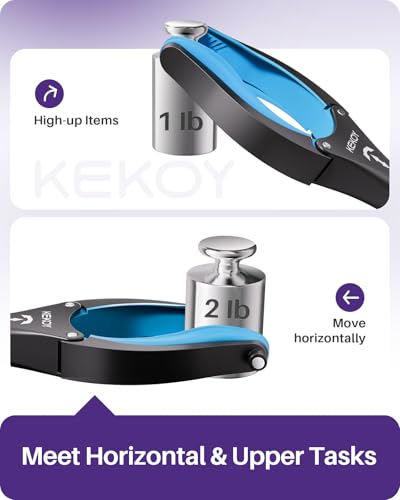
One practical option many caregivers consider is a foldable model with a 360 degree swiveled head, anti slip rubber grip, and magnetic tip for small metal items. For example, the features listed for the Kekoy 36inch Grabber Reacher Tool for Seniors include a 4 inch wide claw, steel cable internals, and a lightweight aluminum alloy shaft that folds to less than 12 inches for storage in a cabinet or walker bag, which may help reduce strain during repeated kitchen tasks.
This guide contains affiliate links, and we may earn a commission if you buy through them, at no extra cost to you.

Prime Kekoy 36 Inch Foldable Grabber Reacher Tool




As an Amazon Associate we earn from qualifying purchases. Product prices and availability are accurate as of the date/time indicated.
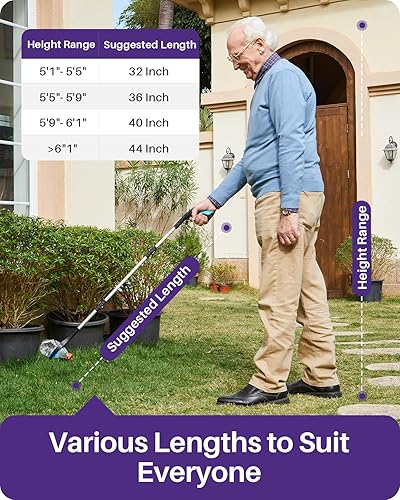
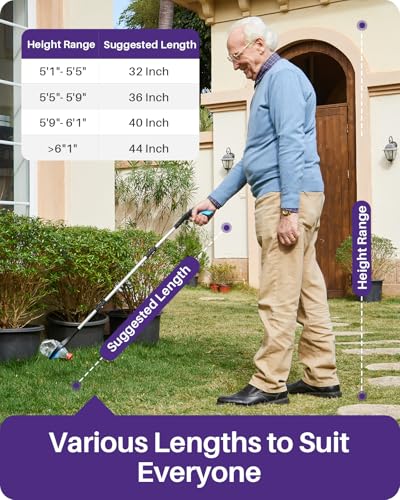
If you try a new reacher, check that the length matches the user’s height and typical reach, and that the trigger is comfortable for arthritic hands. A secure fit and comfortable handle often matter more than extra length alone for steady, everyday use.
When to Talk to a Professional Instead
A reacher is not ideal for situations where balance is very limited, where lifting overhead causes shoulder strain, or where the kitchen requires frequent heavy lifting. If reaching, bending, or carrying items in the kitchen feels unsteady, that is a good time to pause and get personalized guidance.
Consider talking with a physician, occupational therapist, or physical therapist before making bigger changes to how kitchen tasks are done. They can suggest safer task modifications, home layout adjustments, or other supports that fit the person’s strength and mobility, and help decide if a different type of adaptive equipment is more appropriate than a standard reacher.
This type of tool is also not a good fit for retrieving very hot, sharp, or breakable items, or for pulling down heavy containers from high shelves. In those cases, reorganizing frequently used items to waist height or asking for help may help reduce the risk of spills or strain more than any reacher can.
Frequently Asked Questions
Why does the jaw on my reacher feel loose even after I tighten it?
The jaw relies on both the swivel lock and the rubber pad friction. If the pads are worn smooth or coated with kitchen grease, the jaw can still feel loose because items slip. Try cleaning and drying the pads first, then reset the rotation to its locked position and check the folding joint for play.
Can I fix a loose cable or trigger at home?
You can try cleaning around the trigger and making sure the tool is fully unfolded and locked, but internal cable tension is not usually adjustable at home. If the trigger feels slack, sticks, or the jaw no longer closes evenly, replacement is often the more dependable option than attempting a repair.
How do I keep a new reacher from coming loose again in the kitchen?
Store it fully folded or fully locked, keep the rubber tips clean and dry, and avoid twisting the head while it is gripping an item. Use the center of the claw for the best grip, and reserve the reacher for lighter items while moving heavier staples to lower, easier to reach shelves.
Browse more picks in our Kitchen Adaptive Tools category, or see our related guide on Kitchen Reacher Tools for Arthritic Hands in 2026.






Write Your Review
No reviews yet. Be the first to share your experience!