

Quick Answer
If your transfer belt feels like it is slipping, digging in, or not giving you a secure grip, the most common fix is fit and placement, not strength. A belt that is too loose, too high, too low, or worn over bulky clothing will not help you guide movement safely. Check the fit around the waist, the buckle security, and your hand position first, then consider whether the belt style matches your senior’s needs.
Why This Happens
A loose or shifting belt is often a sizing issue. Many caregivers leave extra slack for comfort, but a belt should sit snugly over clothing at the natural waist, not the hips or ribs, so you can keep a steady hold without pulling on skin or clothes.
Material and buckle type also affect how well a belt works. A smooth cotton belt with a simple metal buckle can slide on slick fabrics, while a belt without handles may force you to grip the webbing itself, which strains your hands and gives less control.
If transfers feel unstable or your loved one has had recent changes in balance, strength, or cognition, always check with a healthcare provider or physical therapist before making mobility changes for a senior in your care. They can confirm whether a belt is appropriate or if a different aid is safer.
Caregiver fatigue and rushed timing can also make a belt feel less effective. When you are tired or hurrying, your grip naturally loosens and your posture shifts, which reduces control. Slowing down, taking a breath, and repositioning your hands often restores a steadier hold.
Home layout matters too. Transfers across different surface heights, soft beds that sink, or chairs without armrests require more stability than a belt alone can offer. In those settings, even a well fitted belt may not be enough on its own.
Finally, a standard narrow belt is not ideal for every situation. Seniors who need more upright support, have a larger waist, or fatigue quickly may need wider backing, padded handles, or a different transfer aid altogether, and a basic belt alone may not be enough.
Practical Steps to Try
Try these steps in order, they address the most common reasons a belt feels ineffective without adding risk.
- Check fit and clothing. Fasten the belt snugly over a single layer of clothing at the natural waist, you should be able to slide a flat hand, not a fist, underneath. Remove bulky sweaters or jackets first and recheck after your senior sits or stands, as the belt can shift.
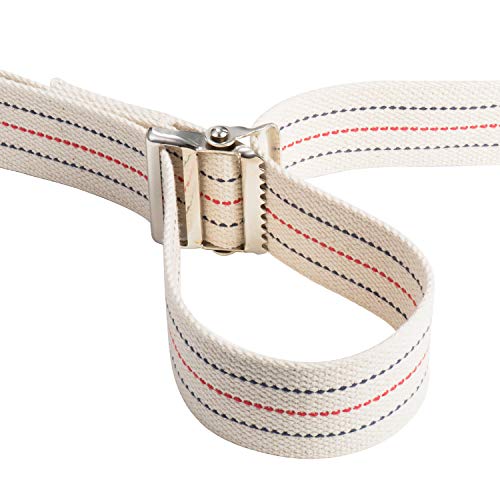
- Confirm buckle security and position. For a metal buckle, thread it as directed and tug to confirm it stays closed, for a quick release buckle, listen for the click and check the locking teeth. Keep the buckle slightly off center so it does not press into the stomach during movement.
- Improve your grip and body mechanics. Hold the belt from underneath with palms up, keep your wrists straight, and stay close to your senior with your feet shoulder width apart. Avoid pulling straight up, instead guide gently in the direction of the move, bed to chair or standing, and move slowly.
- Prepare the space before you move. Lock wheelchair wheels, clear clutter, ensure adequate lighting, and have the destination chair at the same height if possible. A belt cannot compensate for a slippery floor or an unstable chair, so make the path safe first. You can find more ideas for safer transfers in our Stair Lifts & Transfers guide.
- Evaluate whether the belt style matches the task. If you are constantly readjusting, losing grip, or feeling strain in your hands, a belt with padded handles or a wider back may give you more control, or you may need a different aid for heavier assistance. Learn how handle placement affects control in our NOVA gait belt review for elderly article.
When a Product Can Help
If you have adjusted fit, buckle, grip, and environment and the belt still slips or feels insecure, a different belt design may help you assist more steadily. This is especially true when you need multiple grip points or a more comfortable hold for both you and your senior.
This guide contains affiliate links, and we may earn a commission if you buy through them, at no extra cost to you.

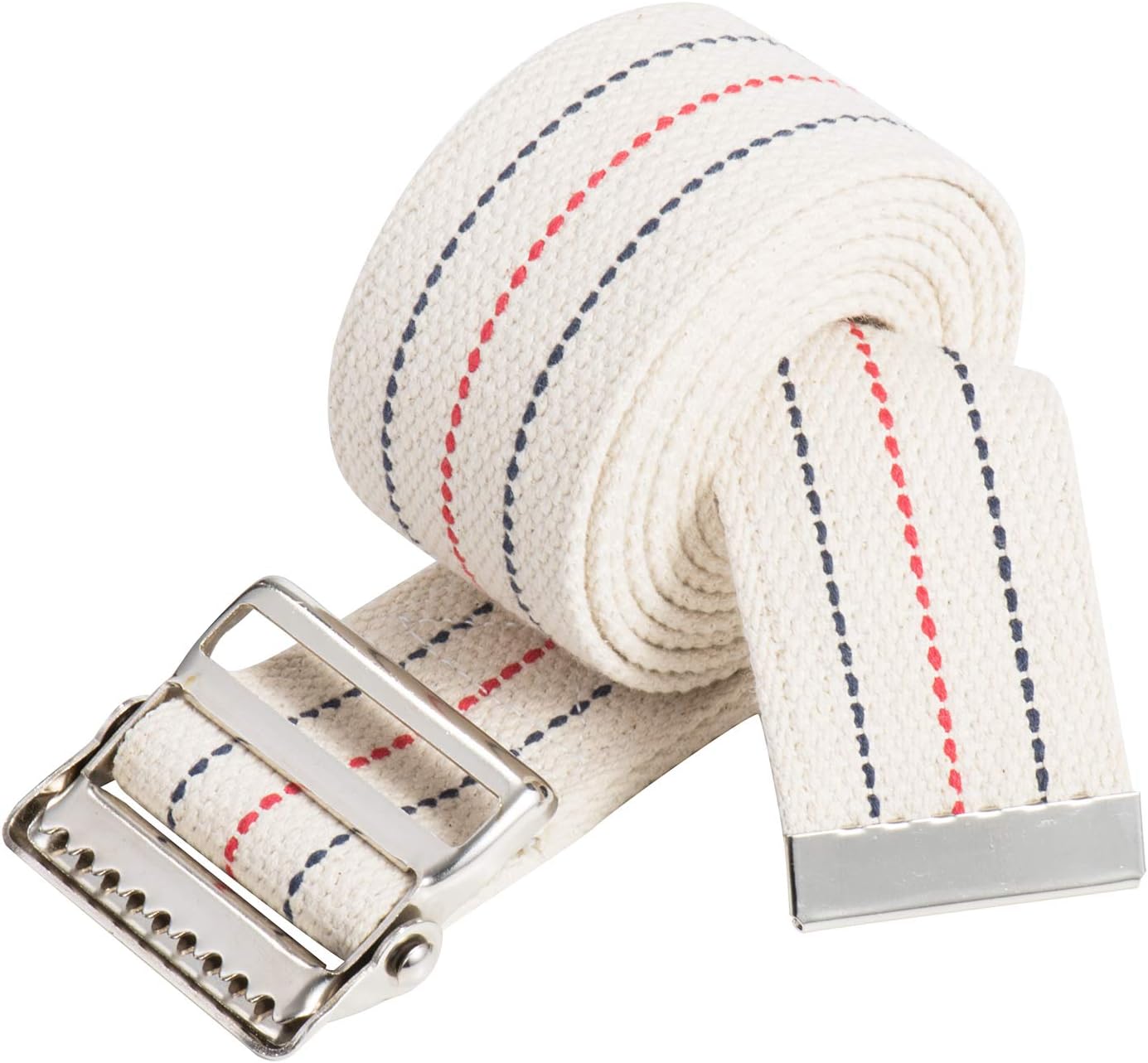
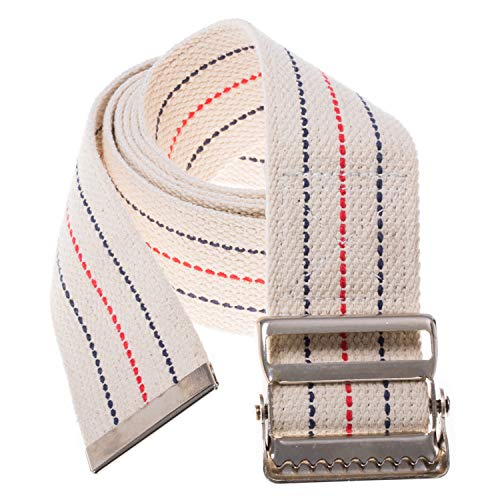
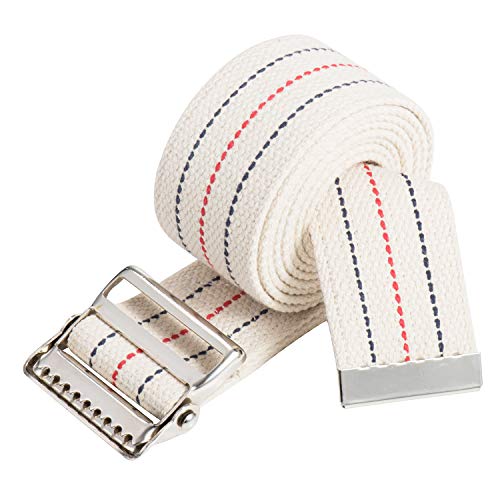
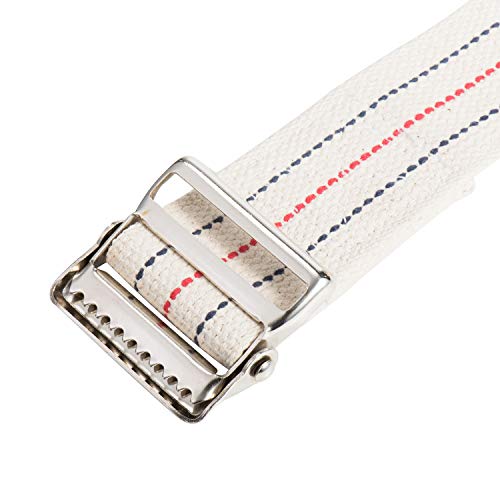
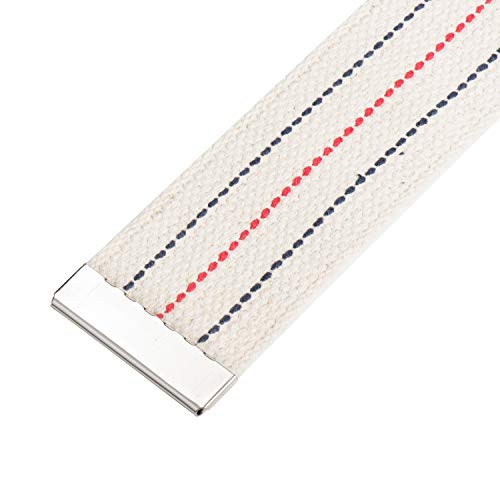
Prime COW&COW Gait Belt with Metal Buckle 60 Inch




As an Amazon Associate we earn from qualifying purchases. Product prices and availability are accurate as of the date/time indicated.
One practical option is the COW&COW Transfer and Gait Belt with Metal Buckle. Its 2 inch wide cotton webbing is rated to hold up to 350 pounds and comes in lengths up to 60 inches and beyond, so you can select a size that fits snugly without excess tail. The nickel chrome plated steel buckle provides a secure closure that caregivers commonly report stays put during short transfers, and the belt is machine washable for regular cleaning.
This style is often chosen for short, assisted moves such as bed to wheelchair or walking with standby help, where a simple, low profile belt is enough. It may help reduce the risk of slipping when you need a steady handhold, but it does not replace careful technique or remove all fall risk.
Check your current belt for wear before deciding. Frayed webbing, a bent buckle, or stretched fabric may reduce effectiveness and replacing it may help you maintain a more secure hold. A fresh belt with intact stitching and a firm buckle often feels more secure right away. For ideas on matching equipment height to your senior’s needs, see How High Should Stair Lift Be for Elderly to understand how height affects transfer ease.
When to Talk to a Professional Instead
A transfer belt is not ideal for every senior or every home, and it is not a good fit when more support is needed than a belt can provide. If you are doing most of the lifting, the belt is likely being asked to do too much.
Skip this type of belt and talk to a doctor, physical therapist, or occupational therapist instead if your loved one cannot bear weight, has had recent surgery, has significant pain with movement, shows new confusion or dizziness, or if you find yourself lifting more than guiding. In those cases a belt may increase strain for both of you and a different aid or technique may be safer.
A clinician can assess strength, balance, and home layout, and may suggest alternatives such as a sit to stand aid, a transfer board, or additional help, rather than relying on a belt alone. Never try to force a transfer that feels unsafe, pause and seek professional guidance.
If your home has narrow doorways, tight bathrooms, or many level changes, a belt alone isn’t ideal for repeated transfers. A professional can review whether a walker, wheelchair, or stair lift option fits your space better and help you plan safer daily routines.
Frequently Asked Questions
Why does my transfer belt keep riding up or slipping down?
This usually means the belt is not at the natural waist or is too loose over soft or bulky clothing. Try refastening it snugly over a single layer, check that the buckle is secure, and recheck the position after your senior changes from sitting to standing.
Can I use a transfer belt over thick clothing or if my senior has sensitive skin?
Thick sweaters and slick fabrics make it harder to keep a belt in place and may cause rubbing. Use a single, smooth layer, ensure the belt is snug but not tight, and check skin before and after use. If redness or discomfort occurs, consult a healthcare provider about padding or other options.
When should I replace a transfer belt?
Consider replacing it if you see fraying, stretched webbing, cracked stitching, or a buckle that no longer closes firmly. Even without visible damage, a belt that no longer stays snug or feels less secure during transfers should be replaced to help maintain a steadier hold.
Browse more picks in our Stair Lifts & Transfers category, or see our related guide on Stair Lift Height Guide for Elderly in 2026.







Write Your Review
No reviews yet. Be the first to share your experience!