

Quick Answer
If your raised toilet seat keeps coming loose, the most common cause is a clamp or locking mechanism that is not fully tightened, not centered on the bowl, or not matched to your toilet shape. Try removing it completely, cleaning the toilet rim, recentering the seat, and retightening evenly on both sides according to the instructions, then check for wobble before anyone sits down.
Why This Happens
Most raised seats that clamp onto the toilet rely on a front lip, side brackets, or a worm screw and locking plate to grip the bowl. If those parts are even slightly off center, or if one side is tighter than the other, the seat can shift when weight moves forward or to the side.
A mismatch with the toilet is another frequent reason. Elongated and round bowls have different curves, and some comfort height toilets already sit higher than standard. A seat designed for one shape may never sit flat on another, which creates rocking that gets worse over time. Always check with a healthcare provider, physician, or occupational therapist before making bathroom safety changes for a senior in your care, especially after surgery or a change in mobility.
Bathroom surfaces also play a role. Moisture, cleaning residue, or a slightly uneven floor can reduce grip. Rubber pads or feet that are worn, dirty, or not making full contact may slide, and plastic parts can loosen as the bathroom warms and cools.
Finally, how the seat is used matters. Leaning heavily on one armrest to stand, twisting while seated, or pushing the seat sideways when transferring from a walker can loosen even a correctly installed seat. For more background on choosing the right style for your home, you can browse the Toilet Safety & Commodes category.
Practical Steps to Try
- Remove, clean, and recenter the seat. Take the seat off, wipe the top rim and underside of the toilet bowl with a dry cloth, and let it dry fully. Place the seat back on so the front lip is centered and the side clamps sit evenly on the porcelain, not on the toilet seat hinges. This gives the locking parts a clean, flat surface to grip.
- Tighten evenly and check the lock. Follow the instructions for your model and tighten both sides a little at a time, alternating left and right. If your model uses a worm screw and locking plate, confirm the plate is flat against the bowl and the screw is snug. After tightening, try to slide the seat forward, backward, and side to side with your hands. If it moves at all, loosen and recenter again.
- Confirm the toilet shape and lid position. Check whether your toilet is elongated or round and whether the existing toilet seat and lid are interfering with the riser. Some clamp on risers are designed to fit under the existing seat, while others require the seat and lid to be removed. Using the wrong setup for your toilet can create a gap that never feels tight.
- Inspect feet, pads, and handles. Look for cracked rubber, missing pads, or loose armrests. Clean any debris from rubber feet and make sure they sit flat on the floor or bowl as designed. If armrests wobble, check their attachment points. Handles should feel firm with no flex before you rely on them for support.
- Consider whether a different style may help reduce movement. A clamp on riser that sits on the porcelain bowl will always have some potential to shift if it is not a good match. A freestanding frame that stands on the floor around the toilet, with its own legs and crossbar, often feels more stable because it does not depend only on clamping to the bowl. You can learn more about related support options in Grab Bars & Rails and explore alternatives like a raised toilet seat for low vision seniors to see how different designs address stability.
When a Product Can Help
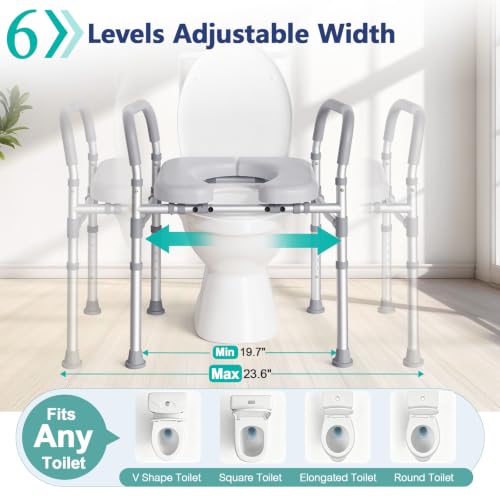
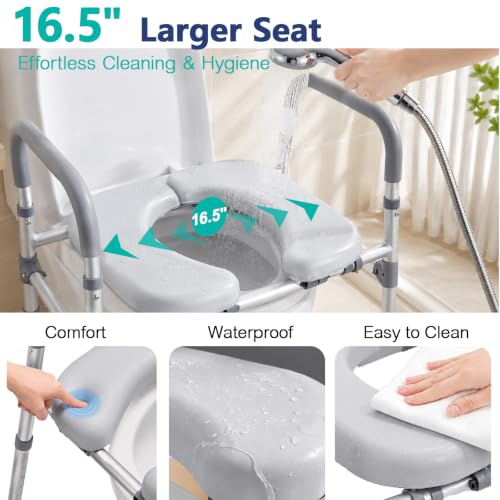
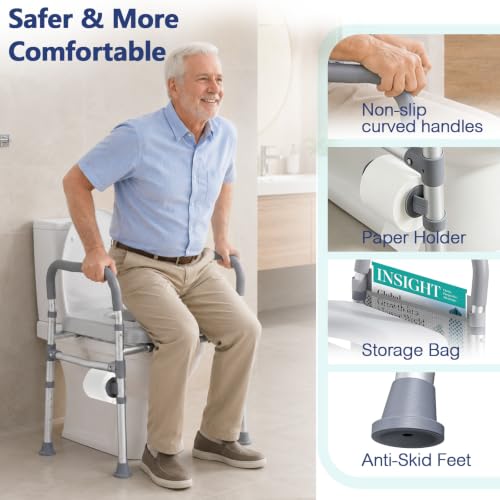
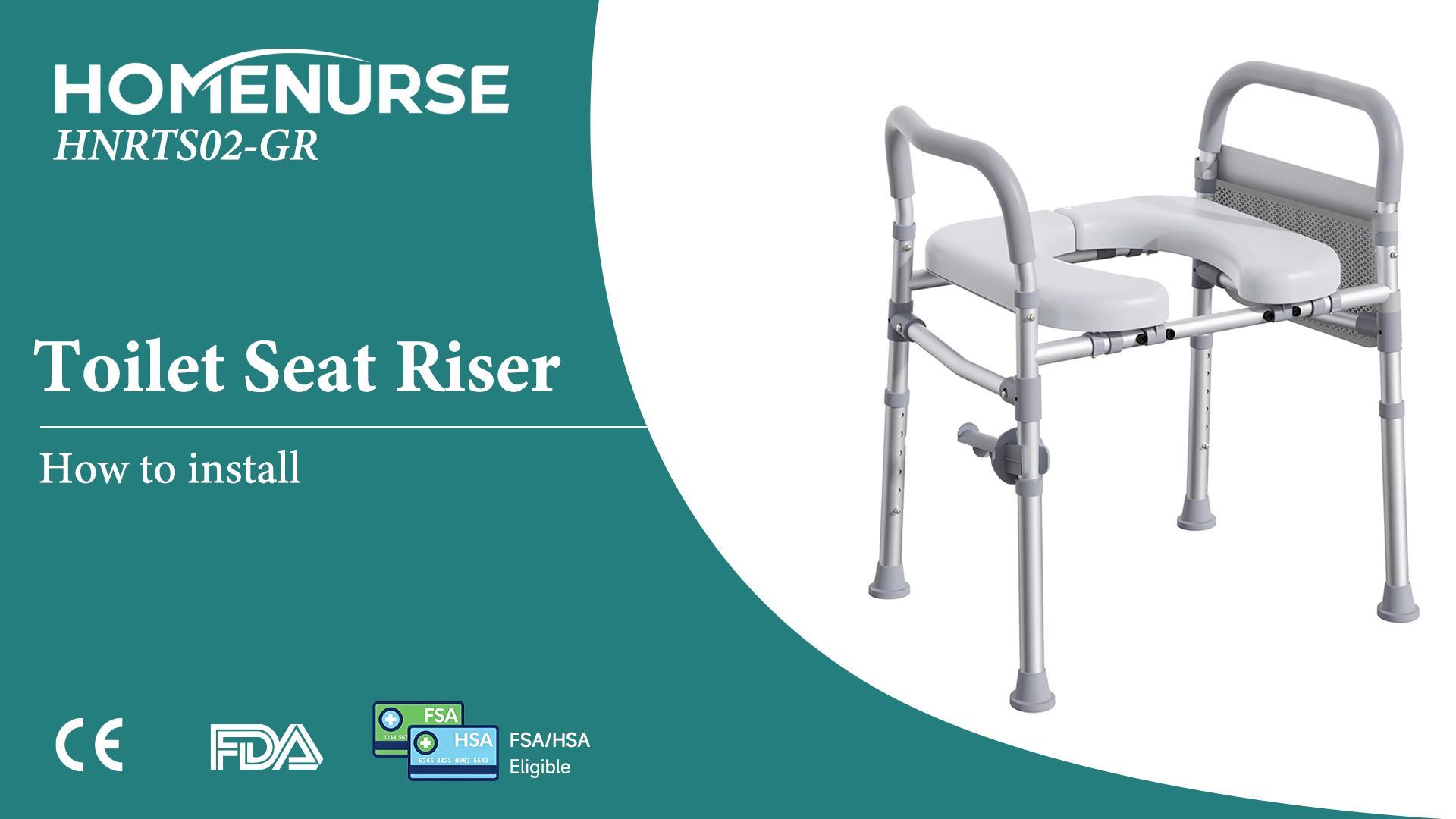
If you have tried recentering and retightening and the seat still shifts, a frame style riser that stands on the floor around the toilet rather than clamping only to the bowl may help reduce wobble. Look for features described by the maker such as a reinforced crossbar to limit side to side movement, adjustable height and width to match your toilet, non slip handles, and rubber feet that keep the frame in place. One option caregivers consider when a clamp on model will not stay put is the HOMENURSE Toilet Seat Risers for Seniors, which is described as having a reinforced crossbar, adjustable height and width, and rubber feet for stability and is rated to 400 lbs.
This guide contains affiliate links, and we may earn a commission if you buy through them, at no extra cost to you.
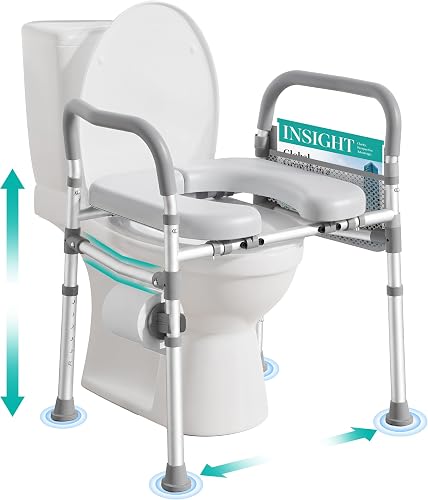
Prime HOMENURSE Raised Toilet Seat with Handles


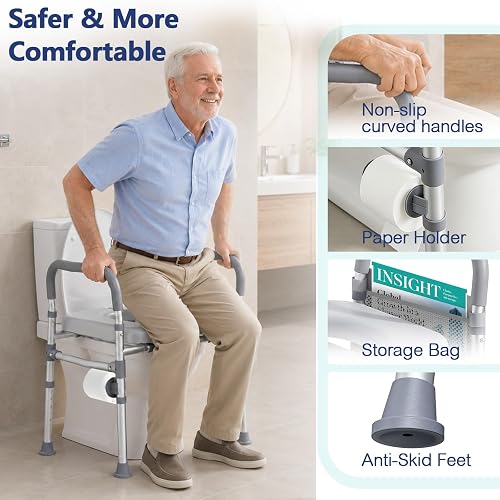
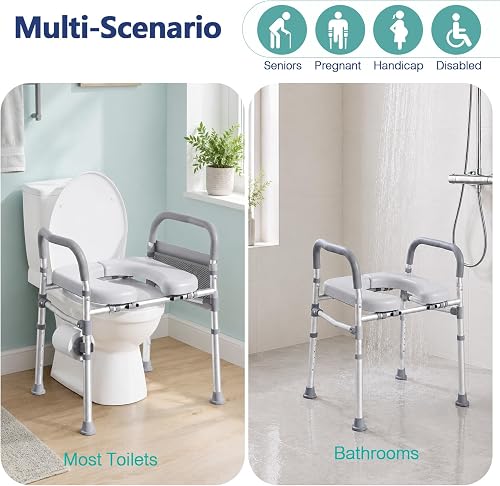



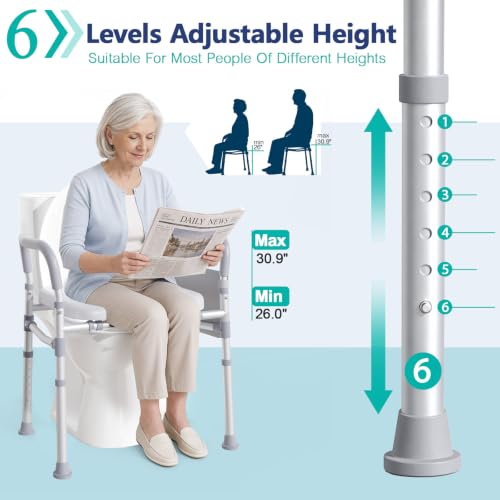
As an Amazon Associate we earn from qualifying purchases. Product prices and availability are accurate as of the date/time indicated.
When to Talk to a Professional Instead
A loose seat is not ideal for anyone who has had a recent hip or knee replacement, has significant balance changes, or needs to put most of their weight on the armrests to stand. It is also not a good fit if the toilet itself is loose from the floor, the floor is uneven or soft, or the person has had repeated near falls in the bathroom.
In those cases, try to pause use of the wobbly seat and contact a healthcare provider, physician, physical therapist, or occupational therapist for guidance. They can help assess whether you need a different type of support, such as a properly fitted commode, wall mounted grab bars installed into studs or blocking, or other home modifications.
If you notice cracks in the toilet porcelain, water leaking at the base, or the toilet rocking, that is a plumbing or flooring issue, not just a seat issue. Have a qualified professional evaluate the toilet installation before adding any riser or frame.
Frequently Asked Questions
Why does my raised toilet seat loosen after a few days even when I tighten it?
This often happens when the seat was not centered or was tightened more on one side, so daily movement slowly works it loose. Try a full removal, cleaning, recentering, and even tightening, and check the locking plate or clamp for wear.
Should the existing toilet seat stay on or come off?
It depends on the design. Some risers are made to sit under your current toilet seat, while others are made to replace it and clamp directly to the bowl. Check your model instructions, as using the wrong method can leave a gap and cause rocking.
Is a freestanding frame better than a clamp on riser if the seat keeps shifting?
For many caregivers, a freestanding frame that stands on the floor around the toilet may help reduce the risk of shifting because it does not rely only on gripping the porcelain. Look for a frame with adjustable dimensions, a crossbar for rigidity, and non slip feet, and confirm it fits your bathroom layout and toilet height.
Browse more picks in our Toilet Safety & Commodes category, or see our related guide on Toilet Safety Rails vs Cameras for Seniors in 2026.








Write Your Review
No reviews yet. Be the first to share your experience!