

Helping a parent or spouse stand from a chair, pivot to a walker, or move from bed to wheelchair can feel uncertain for both of you. You want a steady grip that supports balance without grabbing arms or clothing, which may help reduce the risk of stumbles during everyday transfers at home.
This review looks closely at the COW&COW Transfer and Gait Belt with Metal Buckle through its published specifications and what caregivers commonly report, so you can judge fit for your household. If you searched for Drive Medical gait belt review for elderly, this analysis covers a widely used alternative with similar purpose and design. Always check with a healthcare provider or physical therapist before making mobility changes for a senior in your care.
This guide contains affiliate links, and we may earn a commission if you buy through them, at no extra cost to you.

Prime COW&COW Gait Belt with Metal Buckle 60 Inch



As an Amazon Associate we earn from qualifying purchases. Product prices and availability are accurate as of the date/time indicated.
What Stands Out
Strong Cotton Webbing Rated to 350 Pounds
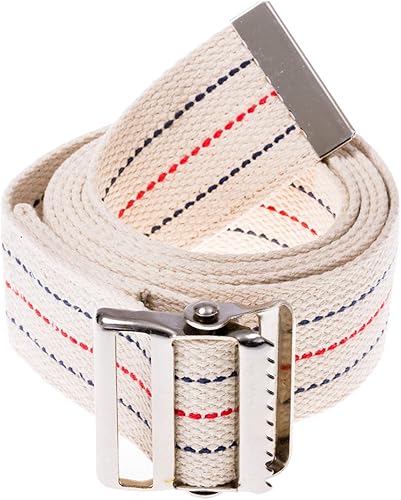
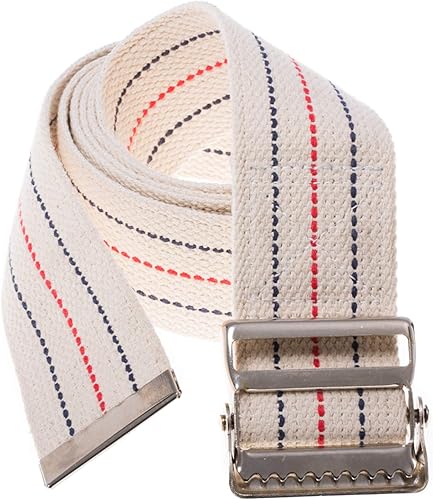
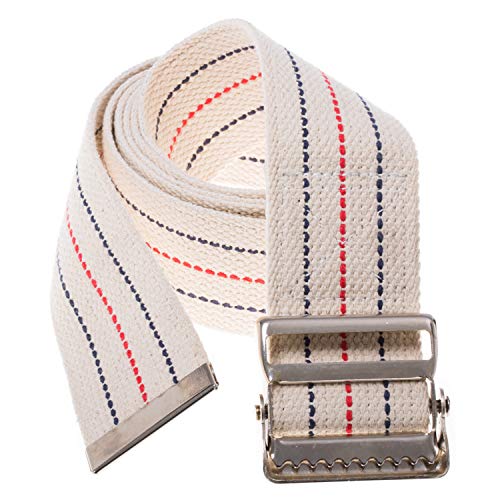
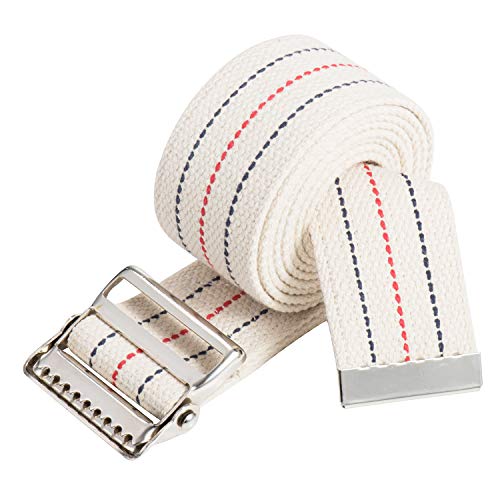
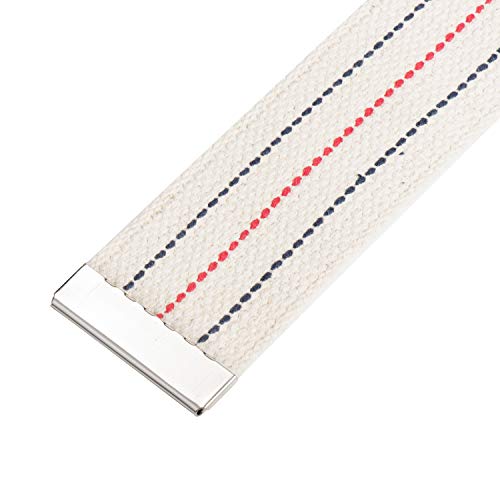
The belt uses 2 inch wide cotton webbing that is described as durable and comfortable for extended wear against clothing. The width helps distribute pressure more evenly around the waist than a narrow strap, which many caregivers say feels more secure during short walks or standing practice.
According to the product specifications, the webbing weight capacity is rated to 350 pounds. That rating applies to the webbing itself when the belt is correctly fastened and used as a walking and transfer aid, not as a lifting sling.
For families comparing options in the Stair Lifts & Transfers category, that 350 pound rating places this belt in line with many standard transfer belts used at home and in care settings. It offers a clear reference point when you review your loved one’s needs with a clinician.
The cotton construction also brings a breathable feel that may be more comfortable for seniors who are sensitive to synthetic materials. Comfort matters because a belt that feels rough or hot is less likely to be accepted for daily use.
Reinforced stitching is noted at stress points, which supports repeated use over time. While no fabric belt lasts forever, the double stitching approach is intended to help the belt keep its shape with regular handling.
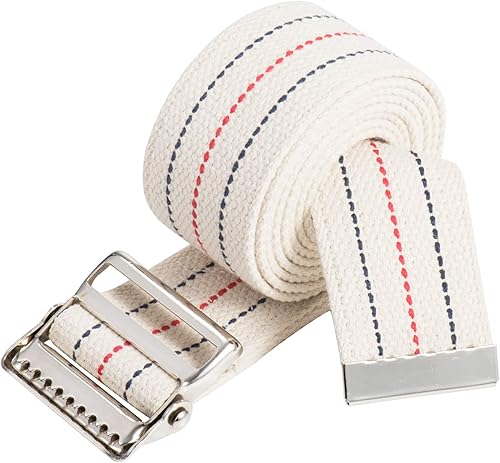
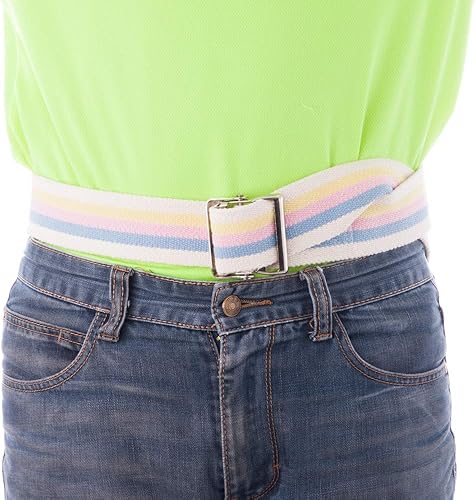
The beige with stripes pattern provides visual contrast against dark clothing, which can make it easier for a caregiver to confirm the belt is flat and centered. A flat, untwisted fit helps the belt stay in place and may help reduce discomfort during movement.
Secure Nickel-Chrome Plated Steel Buckle That Fastens Quickly
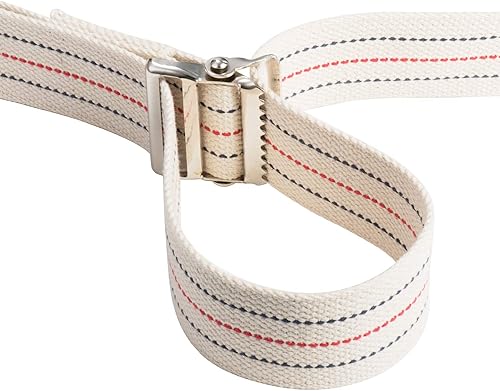
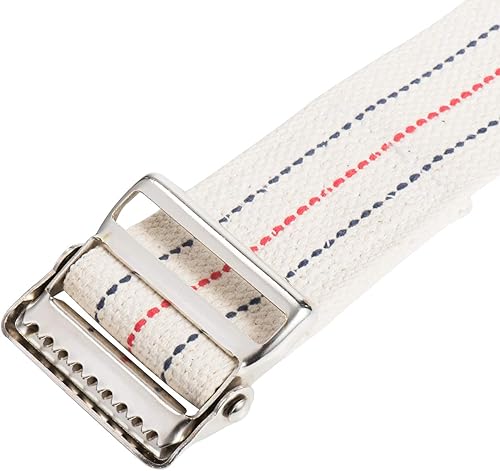
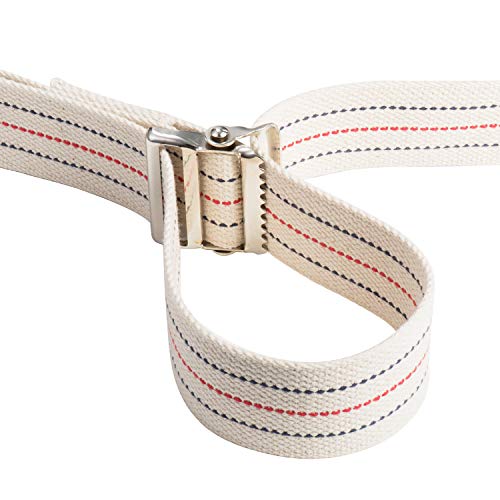
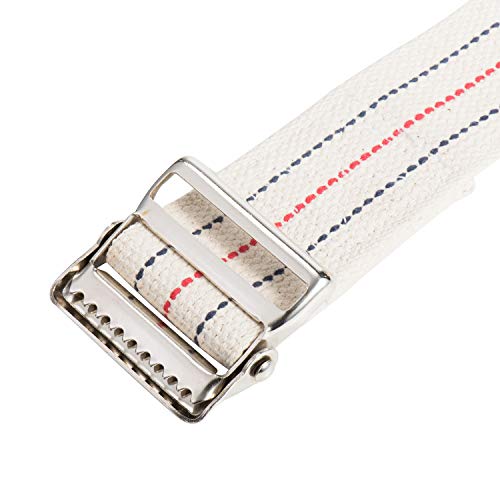
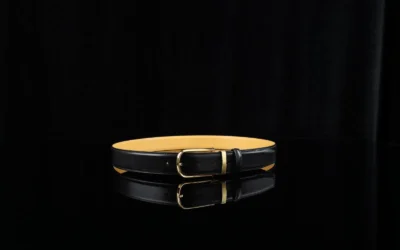
The closure uses a nickel chrome plated steel buckle with a simple thread through design. Caregivers thread the free end through the buckle and pull tight, then secure the excess, which creates a snug fit that stays in place without stretching.
Metal buckles are often chosen for their resistance to cracking and for the tactile feedback they give when tightened. The plating helps resist rust and odor with normal care, which is useful in a home where the belt may be used several times a day.
The buckle is described as easy to fasten and also quick to remove when you need to take the belt off promptly. That balance of security during use and quick removal afterward is important for both routine transfers and unexpected moments.
Because the buckle is metal rather than plastic, it holds its shape under repeated tightening. Owners commonly report that the buckle maintains a firm grip without slipping, provided the belt is threaded correctly and kept flat against the body.
If you have reviewed other options such as the NOVA gait belt review for elderly, you will notice similar metal buckle designs are favored for their simplicity and long term reliability. This model follows that same straightforward approach.
Learning to thread the buckle correctly takes a moment of practice, but the motion becomes familiar quickly. Caregivers often find that a consistent threading routine helps ensure the belt is secure before each transfer.
Adjustable Lengths and Everyday Ease of Use
This version measures 60 inches long and adjusts to fit a range of waist sizes, and the line is also offered in 40, 54, 60, 72, and 100 inch sizes. Having multiple length choices helps families select a size that leaves enough tail to grip securely without excessive extra fabric.
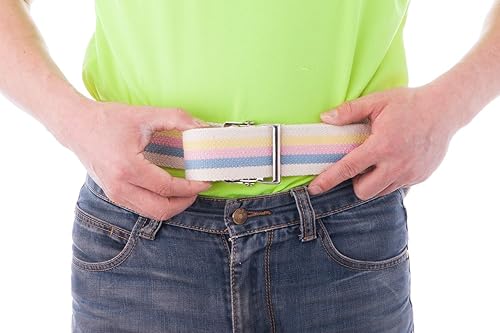
Adjustment is done by sliding the webbing through the buckle, so you can fine tune the fit over light clothing or a sweater. A snug but not tight fit, where you can slide a flat hand between belt and clothing, is commonly recommended by therapists.
The 2 inch width provides a surface that is easy for a caregiver to grasp from the side or back. Unlike padded handle belts that add bulk, this flat webbing design stays low profile for storage in a drawer or on a walker.
For seniors who move between bed, chair, and bathroom, a simple belt that can be put on and taken off without complicated steps may encourage consistent use. Consistency is often more helpful than complex features that go unused.
When you consider home layouts that include stairs, it can help to read guidance such as How High Should Stair Lift Be for Elderly? 2026 Height Guide alongside your transfer plan. A gait belt supports short distance transfers and walking, while a stair lift addresses vertical movement, and your clinician can help you decide which combination fits your home.
Because the belt is lightweight and flexible, it can be kept near the bedside or chair for quick access. That readiness may help reduce delays when a senior needs assistance at short notice.
Simple Care and Caregiver Reported Reliability
The belt is described as machine washable with a hang to drip dry routine. That matters for hygiene, since belts used daily can collect perspiration and lotions, and easy cleaning helps keep the fabric fresh.
Cotton webbing generally holds up well to cold water washing and air drying without shrinking when care instructions are followed. Avoiding high heat helps preserve both the fabric and the buckle finish.
With thousands of owner reviews, the model has a strong reputation for basic reliability when used as directed. Caregivers frequently mention the belt feels sturdy, stays put during transfers, and remains comfortable for the person wearing it.
Because the design is minimal, there are fewer parts to maintain than with padded handle systems. That simplicity may help reduce caregiver strain by keeping the focus on body mechanics and clear communication during each move.
If you are weighing outdoor mobility as well, resources like outdoor stair lifts for arthritis can provide context on how transfer aids fit into a broader aging in place plan. A gait belt is one tool among several that support safer movement.
Owners also note that the belt’s soft edges are less likely to dig into the waist during brief walks down a hallway. That comfort can make seniors more willing to use the belt for prescribed walking practice.
Where It Comes Up Short
This belt uses flat webbing without padded handles, so caregivers grip the belt itself rather than an ergonomic handle. For caregivers with hand arthritis or limited grip strength, or for transfers that require pulling from multiple angles, a belt with padded vertical and horizontal handles may feel more secure and less tiring on the hands.
The metal buckle requires correct threading to stay secure, which is different from a quick release plastic buckle that clicks together. It is not designed for lifting a person off a surface, and it should not be used to drag or hoist weight beyond its rated purpose, so families needing full lift assistance or bariatric support beyond 350 pounds will need a different solution and guidance from a physical therapist.
Who Should Buy This
This belt is a strong match for family caregivers who assist a senior that can partially bear weight and needs steadying during short transfers. If your daily routine includes bed to wheelchair, chair to toilet, or supported walking to the dining area, the simple webbing and secure buckle provide a direct grip that may help reduce the risk of sudden loss of balance.
It also suits households that value a low profile, easy to store aid that does not add bulk. The flat design slips easily into a drawer or hangs on a walker, so it is ready without taking up space.
Caregivers who prefer cotton comfort and straightforward care will appreciate the breathable fabric and machine washable routine. The nickel chrome plated buckle resists rust and odor, which supports repeated daily use.
If you are coordinating with a therapist on safe transfer techniques, this belt aligns well with standard training that emphasizes a snug waist fit and a caregiver grip on the belt, not on clothing or limbs. That alignment can make it easier to follow professional guidance at home.
Who Should Skip It
This belt is not ideal for seniors who cannot bear any weight or who need to be fully lifted between surfaces. A gait belt is a steadying and guiding aid, not a hoist, and situations requiring full body lifting call for equipment and training beyond a waist belt.
It is also not a good fit if you need multiple padded handles for varied grip angles during complex transfers. Families who frequently transfer from bed to chair at awkward angles, or who need vertical and horizontal handles for two caregivers, may prefer a wider transfer belt with integrated handles.
Caregivers with significant hand or finger arthritis may find threading a metal buckle more demanding than pressing a quick release plastic buckle. If one handed operation or limited dexterity is a concern, a belt with a different closure style may be easier to manage.
Finally, skip this specific length if the senior’s waist measurement requires a much longer or shorter belt to achieve a safe tail for gripping. Choosing among the available 40, 54, 60, 72, and 100 inch options, or consulting a clinician for sizing, helps ensure a secure fit that stays flat and snug.
Frequently Asked Questions
What is the weight capacity of the COW&COW Transfer and Gait Belt with Metal Buckle?
The specifications list the webbing weight capacity as rated to 350 pounds when the belt is correctly fastened and used as a transfer and walking aid. Always follow the included instructions and check with a healthcare provider about whether this rating matches your loved one’s needs.
How do you clean the COW&COW gait belt?
The product description indicates the belt can be machine washed and then hung to drip dry. Use cold water and air drying to help preserve the cotton webbing and the nickel chrome plated buckle finish.
Is a metal buckle better than a plastic buckle for elderly transfers?
A metal buckle is often chosen for durability and a firm hold that resists cracking, while a plastic quick release buckle may be easier for caregivers with limited hand strength. The right choice depends on caregiver dexterity, the senior’s comfort, and guidance from a physical therapist on safe technique.
Browse more picks in our Stair Lifts & Transfers category, or see our related guide on Stair Lift Height Guide for Elderly in 2026.



Write Your Review
No reviews yet. Be the first to share your experience!