

If you are turning the television louder, missing parts of phone conversations, or asking family to repeat themselves, daily life can feel more tiring than it should. Many older adults notice these changes gradually, and caregivers often see the extra effort it takes to stay connected at meals, appointments, and family gatherings.
This Essential Medical Supply hearing amplifier review for elderly readers focuses on one widely listed choice, the Hearing Aids for Seniors from SUVA, and evaluates what its published specifications and common owner feedback suggest for 2026. You will learn what it does well, where it has limits, and which households are most likely to find it helpful.
This guide contains affiliate links, and we may earn a commission if you buy through them, at no extra cost to you.

SUVA Rechargeable Hearing Aids for Seniors





As an Amazon Associate we earn from qualifying purchases. Product prices and availability are accurate as of the date/time indicated.
What Stands Out
Intelligent Sound Processing With Three Listening Modes
The product is described as a superior sound quality personal hearing amplifier that uses advanced sound processing and an intelligent chip to recognize human voices while filtering buzzing and background noise. That design intent is to deliver clearer, more natural audio whether you are in a quiet living room or a busier setting.
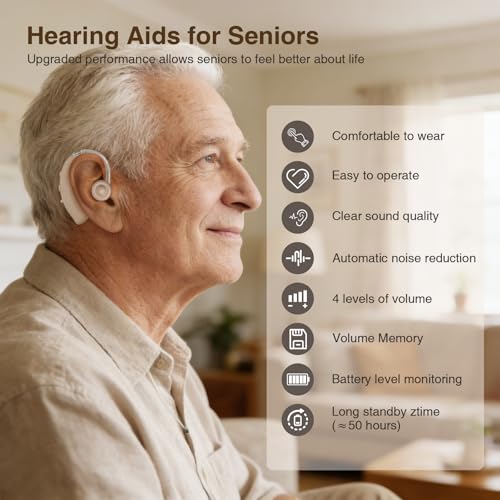
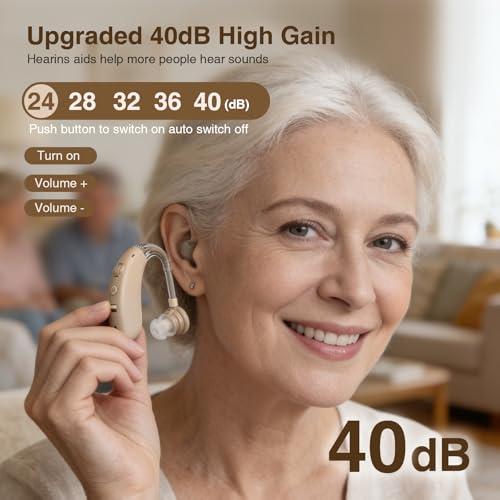
You can switch between three adjustable modes with a simple button press, including normal, noise reduction, and enhanced clarity. This gives you a way to tailor the listening experience without navigating complex menus, which many seniors prefer for everyday use.
In practice, caregivers often report that a mode that emphasizes speech while softening background sound may help reduce the strain of following conversations at the dinner table or while watching TV together. If you have compared other personal amplifiers, our vive hearing amplifier review for elderly offers a useful point of comparison for how different models approach noise handling.
The emphasis on voice clarity rather than simply making everything louder is important for aging-in-place comfort. It may help you stay engaged in conversations without feeling overwhelmed by surrounding sounds in places like kitchens, community rooms, or family gatherings.
Simple Controls With No Left or Right Confusion
Ease of use is a central part of the design. The controls are described as intuitive button controls with no distinction between right and left ear, which removes a common point of confusion when getting ready in the morning.
The listed setup steps are straightforward. Choose the earbuds that fit your ear size, make sure the sound button is at “1” and the on/off button is at “O”, insert the earbuds into the ear canal, turn the device to “N”, and then adjust mode and volume as needed. This sequence is designed to limit whistling and to make daily use more predictable.
For older adults with limited dexterity, simple tactile buttons can be easier to manage than tiny switches or app-based adjustments. If hand comfort is a concern in your household, you may also want to review the best hearing amplifier for elderly with arthritis guide for additional comfort-focused options.
Because there is no left or right assignment, a caregiver can help prepare the device quickly without checking for markings. That simplicity may help reduce setup time and support more independent use between care visits.
Lightweight and Discreet Behind-the-Ear Comfort
Comfort matters when a device is worn for hours. This model is listed at only 0.01 lb with an ergonomic shape and soft ear pads intended for all-day wear. The 360 degree rotatable design is meant to help the unit sit snugly and securely behind the ear.
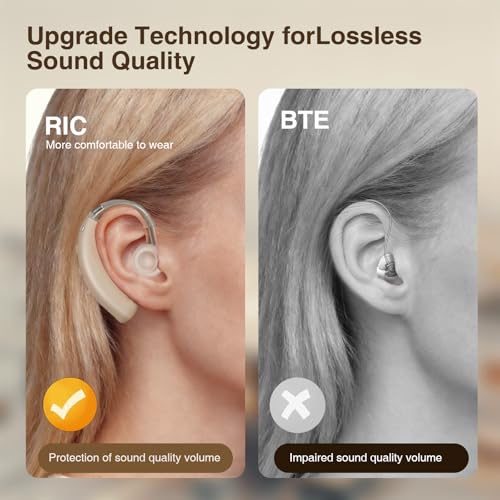
The behind-the-ear style keeps the profile low and discreet, which many seniors prefer for conversations, television viewing, and phone calls. A secure fit also helps keep the earbud positioned correctly, which supports consistent sound quality throughout the day.
Light weight and soft tips can be especially helpful if you wear glasses or use the device for extended periods while reading, visiting, or attending appointments. The goal is a fit you can forget about while staying attentive to the people around you.
For households focused on broader health monitoring alongside hearing support, it can help to pair a comfortable listening setup with easy-to-read tools like those in our large display BP monitors for elderly with hearing loss resource, which highlights displays that are easier to see and hear.
Long Battery Life With Type-C Charging Case
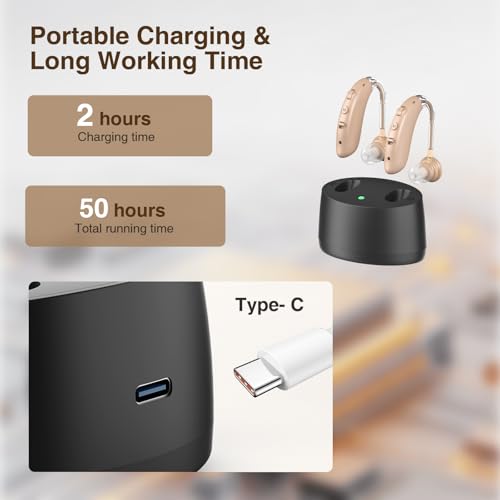
Battery convenience is another strength highlighted in the specifications. The device is rated to provide about 50 hours of use after a 2 hour charge, which may help reduce the need for frequent charging or battery changes.
The package includes a Type-C charging cable and a charging case that can be powered through a variety of USB ports, such as power banks and laptops. That flexibility is useful for travel, overnight stays with family, or simply charging on a nightstand.
For caregivers, a rechargeable system with a case can simplify routines. You can establish a regular charging spot and avoid keeping track of small disposable batteries, which supports a more consistent daily habit.
Long run time between charges also means fewer interruptions during the day. Whether you are attending a morning appointment, enjoying an afternoon visit, or watching an evening program, the device is designed to stay ready without frequent attention.
Where It Comes Up Short
This product is presented as a personal hearing amplifier, not a prescription hearing aid, and that distinction matters. It is intended to support hearing in everyday situations, but it does not replace a professional evaluation for severe loss, and it does not offer clinician-tuned programming or app-based personalization found on higher tier devices. If you need precise tuning for significant loss, a licensed audiologist can provide guidance on more tailored options.
The straightforward control scheme is a benefit for simplicity, but it also limits fine adjustment. There is no separate left and right tuning, no Bluetooth streaming, and no smartphone app for detailed sound shaping, so households that want advanced customization or direct TV streaming may find it too basic. Careful insertion and following the listed steps are also important to limit feedback, and some users may need a few tries to find the most comfortable ear tip and volume setting.
Who Should Buy This
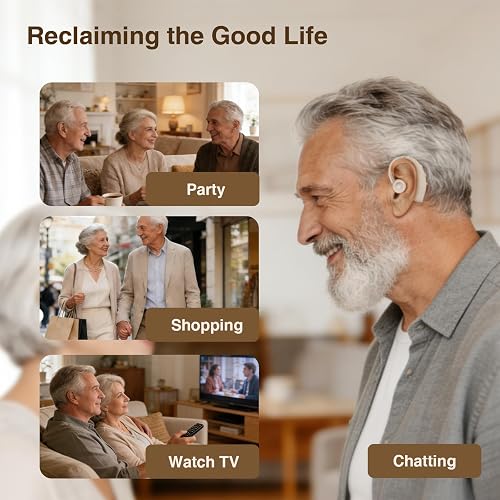
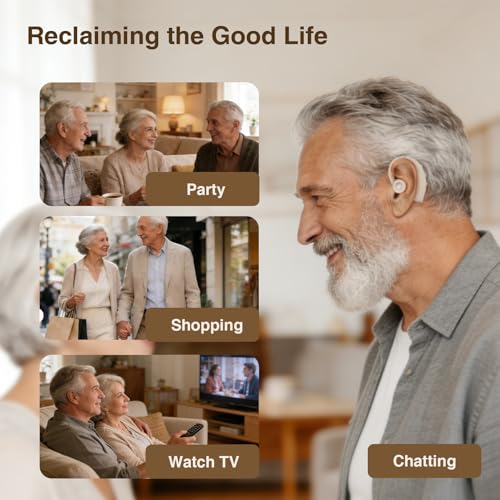
This option may be a good fit if you want a simple, lightweight, behind-the-ear amplifier for everyday conversations, television, and phone calls without complex setup. It is especially relevant for seniors who value clear voice emphasis, three easy modes, long rechargeable battery life, and a discreet fit that can be worn comfortably for many hours at home or during outings with family.
Who Should Skip It
This model is not ideal for someone who needs prescription-level tuning, has been advised to pursue professionally fitted hearing aids for severe loss, or wants features like Bluetooth connectivity and app-controlled adjustments. It is also not the right choice if you prefer an in-the-canal style that is completely hidden or if you need highly individualized left and right programming.
If your household includes frequent high-noise environments where precise directional control is important, or if dexterity challenges make even small button presses difficult, you may want to explore alternatives with larger controls or different form factors. In those cases, reviewing a broader set of amplifiers and consulting a healthcare provider about the best support for your hearing needs can help you choose more confidently.
Frequently Asked Questions
Is the Hearing Aids for Seniors suitable for severe hearing loss?
The listing describes it as a personal hearing amplifier designed to support everyday listening by emphasizing voices and softening background noise. It is not presented as a prescription hearing aid and does not include professional fitting, so those with severe loss should seek guidance from an audiologist or healthcare provider.
How long does the battery last on the Hearing Aids for Seniors?
According to the specifications, a 2 hour charge provides about 50 hours of use, and the Type-C charging case can be powered via common USB ports. That long run time is intended to support daily use with fewer charging interruptions at home or while traveling.
Is the Hearing Aids for Seniors easy for older adults to operate daily?
The device uses intuitive button controls, has no left or right distinction, and offers three modes that switch with a simple press. The listed steps for inserting the earbuds and adjusting volume are designed to be straightforward, and the lightweight behind-the-ear design supports comfortable, discreet wear for conversations and TV.
Browse more picks in our Health Monitoring Devices category, or see our related guide on Medline Bed Wedge Pillows for Elderly Support in 2026.







Write Your Review
No reviews yet. Be the first to share your experience!