

Quick Answer
If your folding walker is not working well for a senior recovering from a hip replacement, the most common fix is to check the height and how it is being used on your floors. When the handles are too low or too high, you have to hunch or lift your shoulders, which can make you feel unstable and tired quickly. Try adjusting the legs so your wrists line up with the handles when standing upright, confirm all four legs are set to the same height, and clear clutter from walkways before you consider a new device.
Why This Happens
A standard folding walker can feel like it is not helping when it does not match the senior, the home, or the stage of recovery. Always check with a healthcare provider or physical therapist before making mobility changes for a senior in your care, since hip replacement recovery has specific movement precautions that affect what is safe.
Height mismatch is a frequent cause. Walkers with legs set unevenly or at the wrong height force a forward lean or keep the elbows locked straight. Both positions make it harder to move smoothly and may increase the risk of fatigue or stumbling, especially on carpet or thresholds.
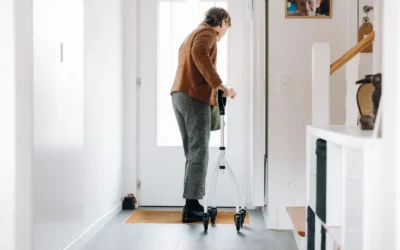
Technique and environment also matter. A walker without wheels requires a lift and place motion, which can feel exhausting if strength is limited early in recovery. Small rugs, cords, narrow doorways, and cluttered paths add extra effort and can make any walker feel ineffective, even when the walker itself is sound.
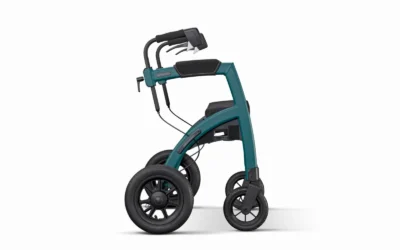
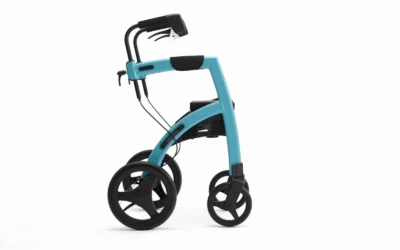
Sometimes the walker style is simply not the right fit for current needs. A basic folding walker offers maximum stability when you can bear weight through your arms, but it moves slowly. If a senior needs to conserve energy or cover more distance, a different setup may be more practical. You can explore other options in Walkers & Rollators and the broader Mobility Aids section for general guidance on matching aids to home layouts.
Practical Steps to Try
- Check and reset the height. With the senior standing inside the walker in supportive shoes, handles should align near wrist crease height so elbows bend slightly, about 15 to 20 degrees, when hands rest on the grips. Make sure all four legs click into the same numbered hole, and confirm the locking buttons are fully engaged. This simple reset often improves posture and control right away.
- Confirm the folding mechanism is fully locked open. For two-button or trigger-release walkers, open the frame until it feels stable and you hear or feel the lock engage. Gently push on the frame before use to confirm it does not wobble or begin to fold. If it feels loose, refold and reopen it carefully on a flat surface.
- Evaluate wheels, tips, and glides for your floors. Front wheels can help the walker glide forward without lifting, which many caregivers find easier during early recovery. Rear tips or skis should sit flat and show even wear. Replace worn tips, clear hair or debris from wheel axles, and remove small rugs or secure them so the walker does not catch.
- Clear and widen the walking path. Create a straight, well lit route between the bed, bathroom, and seating area. Temporarily move low tables, footstools, and cords, and keep frequently used items within easy reach so the senior does not have to twist or reach while holding the walker. A gait belt used as directed by a clinician may help a caregiver provide steadying support during transfers, as discussed in the NOVA gait belt review for elderly.
- Review daily use habits. Encourage moving the walker a short distance forward first, then stepping into it, rather than stepping ahead of it. Keep the walker close to the body, look forward not down, and take small, even steps. If fatigue, pain, or uncertainty about hip precautions comes up, pause and ask the care team for guidance on safe movement patterns.
When a Product Can Help
If height is correct, the path is clear, and the walker still feels tiring or hard to maneuver, a product change may be a reasonable next step rather than another home adjustment. One common option is a walker with front wheels that allows a smoother forward glide while still providing a stable frame, which some families find easier to manage than a walker that must be lifted each step.
This guide contains affiliate links, and we may earn a commission if you buy through them, at no extra cost to you.

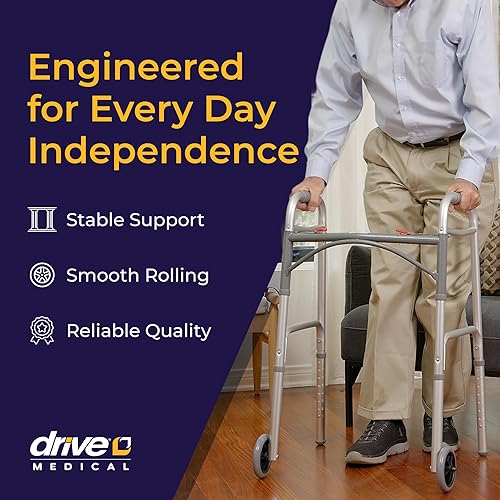
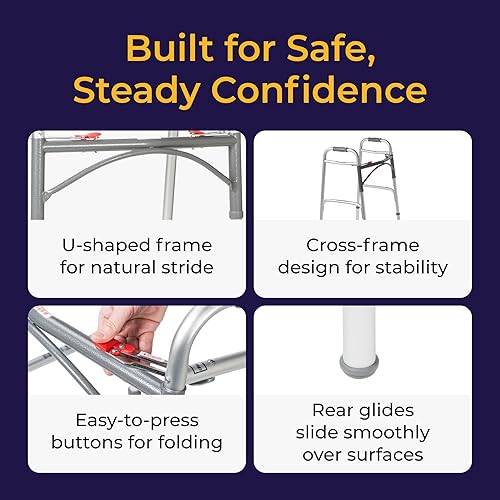
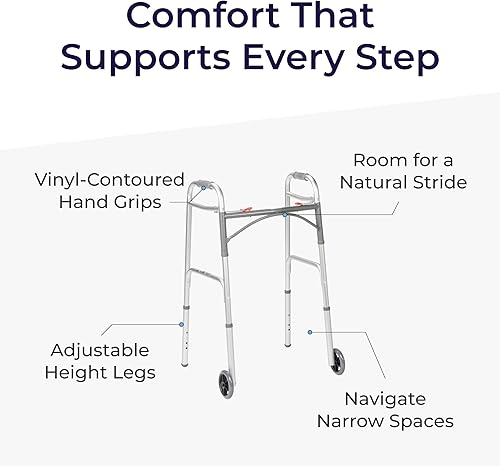
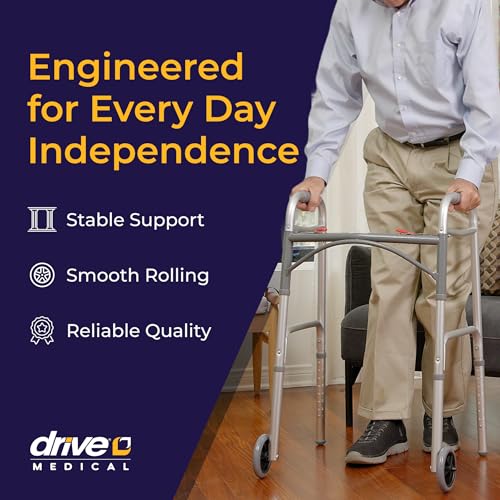
Prime Drive Medical Two-Button Folding Walker






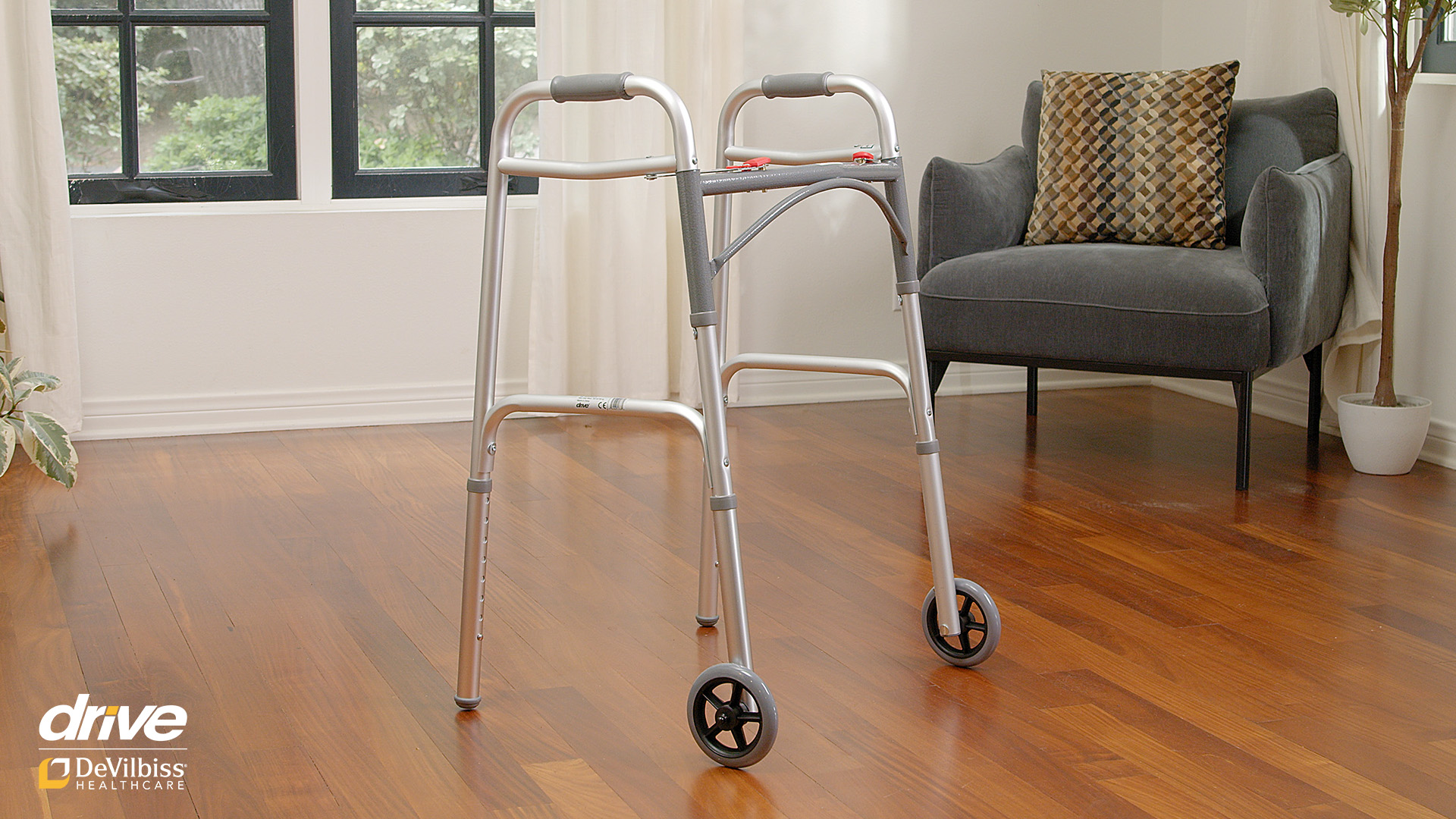
As an Amazon Associate we earn from qualifying purchases. Product prices and availability are accurate as of the date/time indicated.
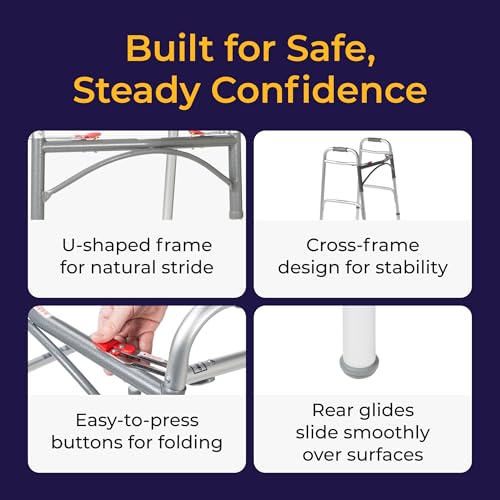
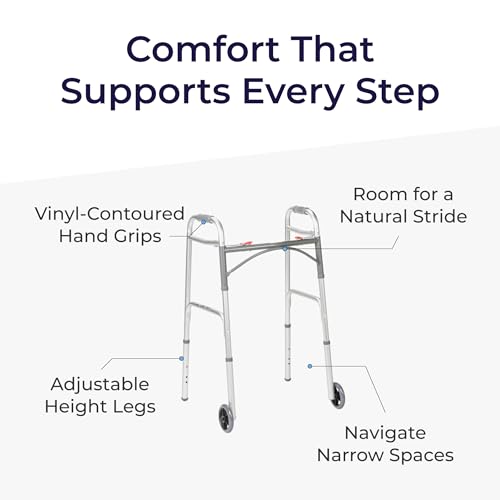
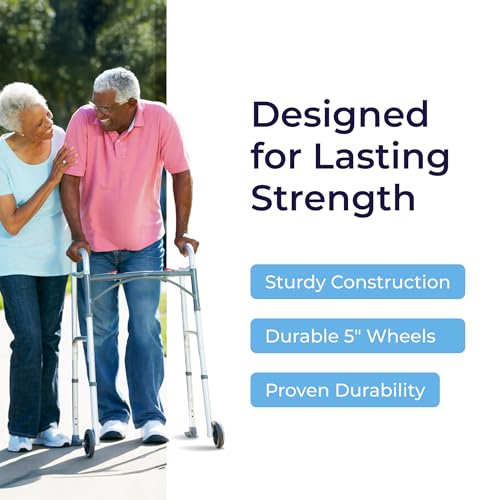
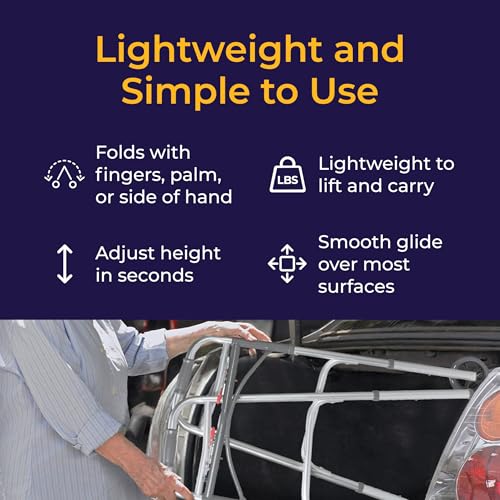
The Drive Medical Two-Button Folding Walker is one practical option in this category. Its durable yet lightweight aluminum frame is designed to provide stability and support for adults and seniors, with dual push-button operation for folding and adjustable height to help match different users. As described by the maker, the front wheels are intended to help with ease of movement while the rear legs provide steady contact, which may help reduce the effort of lifting the walker on smooth indoor floors.
When to Talk to a Professional Instead
A different walker is not ideal for every situation, and this type of standard folding walker is not the right choice when a senior cannot follow hip precautions, has significant balance loss, or needs to sit frequently due to endurance limits. If the walker feels too unstable, if the senior is leaning heavily to one side, or if there is new pain, swelling, or a change in walking ability, skip trying another home fix and contact the surgeon, physician, or physical therapist promptly.
Professional input is also important if the home has many stairs, very narrow doorways, or uneven outdoor surfaces that a standard walker cannot handle safely. An occupational therapist or physical therapist can assess the home layout, confirm whether a walker, rollator, or other aid is appropriate, and show safe techniques for sitting, standing, and turning that respect hip precautions.
Do not attempt to modify the walker frame, add aftermarket wheels that are not specified for the model, or bend legs to change height. Use only the height settings and accessories described in the product documentation, and ask a healthcare provider or medical equipment supplier if you are unsure about compatibility.
Frequently Asked Questions
Why does the folding walker feel too short or too tall after hip replacement?
Height needs can change after surgery due to posture, swelling, or shoe choice. Try resetting the legs so handles align with the wrist crease while standing upright with elbows slightly bent, and confirm all four legs match.
Is a walker with wheels better than one without wheels during early recovery?
Many caregivers find front wheels reduce lifting effort on indoor floors, while still keeping a stable frame. The best choice depends on strength, balance, and the clinician guidance on weight bearing and hip precautions, so ask the care team what style they recommend for this stage.
What home changes help a folding walker work better?
Keep paths wide and free of cords and small rugs, ensure good lighting, and arrange furniture so the senior can move in straight lines between key areas. Check that the walker is fully locked open before each use and that tips and wheels are in good condition.
Browse more picks in our Walkers & Rollators category, or see our related guide on Jar Opener vs Rollator for Seniors in 2026.



Write Your Review
No reviews yet. Be the first to share your experience!