

Quick Answer
If your stair lift feels hard to use with arthritis, the safest first step is to adjust how you get on, sit, and control the lift rather than forcing stiff joints to do extra work. Small changes to seat height, armrest use, footrest position, and control placement may help reduce strain and may help reduce the risk of slips during transfers.
Always check with a healthcare provider, physician, or physical therapist before making mobility changes for a senior in your care, especially when arthritis affects grip, balance, or knee and hip movement.
This guide walks you through why stair lifts can feel less secure with arthritis and what to try first, from simple home adjustments to when an added support aid may be a reasonable next step.
Why This Happens
Arthritis often changes how you grip, push up from a seat, and hold a posture, which can make a standard stair lift setup feel awkward. If the seat is too low, you may need to bend knees deeply to sit, and if armrests are narrow or controls are small, fingers and wrists may have to work harder than is comfortable.
Many stair lifts are installed for general use, not for specific joint needs. A swivel seat that does not lock firmly, a footrest that sits too high or too low, or call buttons that require a firm press can add extra steps that feel unsteady when hands or knees are stiff.
Transfers are often the trickiest part. Stepping onto a narrow footrest, turning to sit, and then swiveling at the top can feel unstable if there is no steady surface nearby to hold. Poor lighting, a cluttered step, or a loose rug at the top or bottom landing can also make the start and end of the ride feel less secure.
For more ideas on how seat height affects comfort, you may find this guide helpful: How High Should Stair Lift Be for Elderly? 2026 Height Guide. Matching seat height to the person’s natural sit to stand motion may help make transfers feel more controlled.
Practical Steps to Try
Try these steps in order, starting with the simplest checks. Stop and ask for help if any step feels unsteady, and try one change at a time so you can tell what helps.
- Adjust seat and footrest for easier sitting and foot placement. Check that the seat height lets feet rest flat without knees lifting high, and that the footrest surface is clear and not wobbly. If the seat swivels, confirm it locks at 90 degrees for getting on and off, so you do not have to twist while standing.
- Make controls easier on hands. If the toggle or button requires a hard press, see if your model allows a lighter touch option or a larger rocker switch. Keep the remote or call button within easy reach at both landings so you do not have to stretch or lean to call the lift.
- Add steady support at the top and bottom landings. Clear the area of cords, mats, and clutter, add bright, even lighting, and consider a wall mounted handrail that lines up with the lift seat. This gives a stable place to hold before you sit and after you stand, which may help reduce the risk of a misstep.
- Practice a slow, consistent transfer routine. Sit fully back in the seat, use both armrests to lower yourself, buckle the seat belt, and keep feet centered on the footrest before moving. At the top, wait for the seat to lock in the swiveled position, place both feet flat, and push up using the armrests rather than pulling on the controls.
- Check safety features and maintenance. Confirm the seat belt latches easily, the swivel lock engages, and the footrest sensor stops the lift if something is in the way. Keep the track clean and follow the manufacturer’s maintenance schedule, and have a qualified technician review anything that sticks, squeaks, or feels loose.
If arthritis makes gripping or pushing up difficult, a small change like a different transfer sequence or added landing support may help more than you expect. For outdoor setups, you can also review options in outdoor stair lifts for arthritis to see how weather resistant features and gentle controls are handled for joint sensitivity.
When a Product Can Help
A home adjustment is often enough, but when standing up from the lift seat or from a chair near the stairs still feels unsteady, an added transfer aid may help bridge the gap. One common option is a portable standing aid that gives you a stable handle to push from, rather than relying only on the lift armrests or a nearby wall.
This guide contains affiliate links, and we may earn a commission if you buy through them, at no extra cost to you.

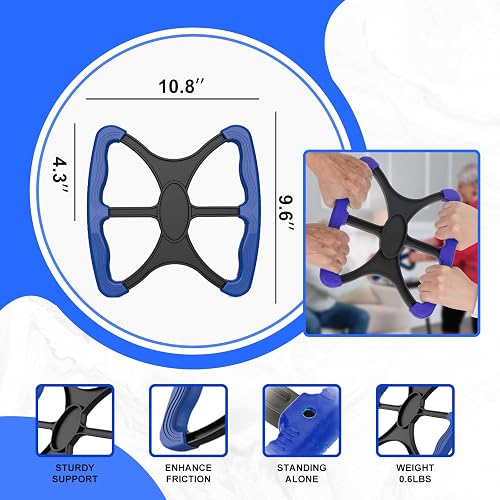
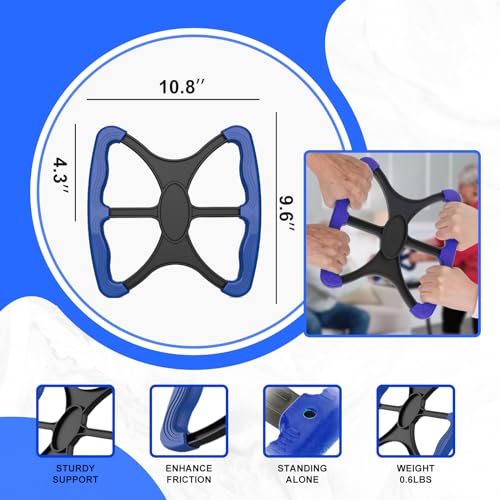
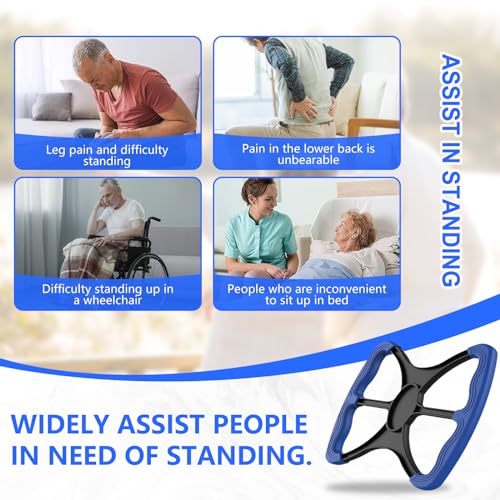
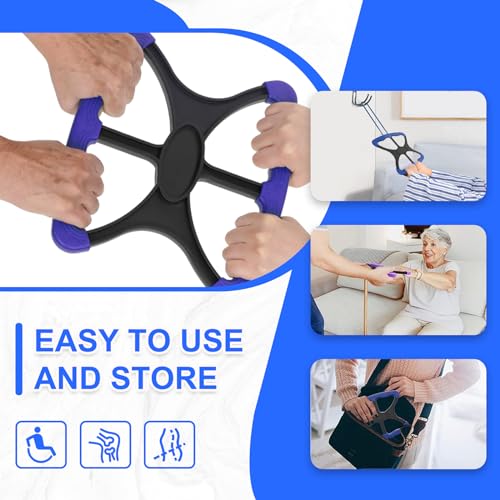
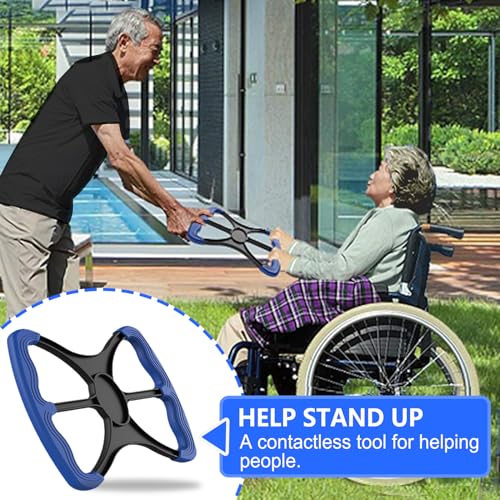
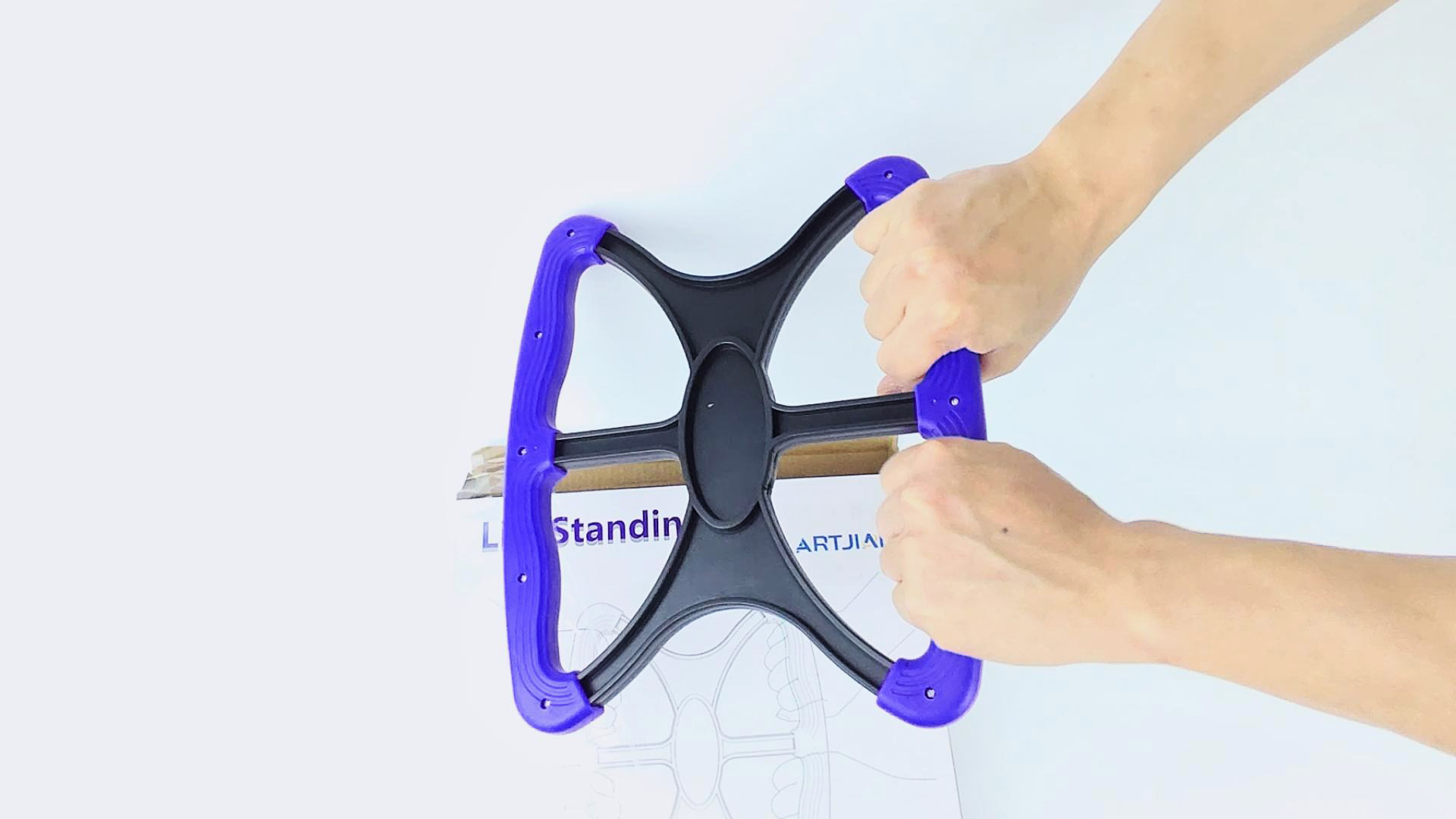
Prime WERJH Lift Assist Standing Aid with No-Slip



As an Amazon Associate we earn from qualifying purchases. Product prices and availability are accurate as of the date/time indicated.
The Lift Assist for Elderly,Aids for Disabled is described as a standing aid with no slip grip handles designed to support transfers for seniors and others who need extra stability when standing. It is intended to be used with help from another person who can provide steady support, and its handles may help distribute effort more evenly between hands when pushing up.
This type of aid is not a replacement for the stair lift itself, and it is not the right choice for every staircase layout. It may help reduce the risk of a slip during the sit to stand moment at the landing, but it still requires adequate arm strength and a firm, level surface, and it should be used only as directed. You can learn more about transfer supports in this related review: NOVA gait belt review for elderly.
When to Talk to a Professional Instead
Some situations call for a clinician or qualified installer rather than a do it yourself fix. If the lift track feels loose, the chair wobbles, the swivel does not lock, or the unit stops mid track, stop using it and contact the installer or manufacturer for service.
This approach is not ideal for seniors with significant balance loss, recent joint surgery, or progressive joint changes that make weight bearing painful or unpredictable. If getting on and off the lift regularly causes increased discomfort, shortness of breath, or a feeling of instability even after adjustments, that is a sign to pause and seek guidance.
A physical therapist or occupational therapist can assess reach, grip, and sit to stand ability and suggest whether the current lift, a different seat style, or an alternative transfer method is a better fit for the home. A physician can also review whether arthritis related stiffness or other health factors are affecting safe use of stairs and transfers.
For broader context on choosing between different types of support, this comparison may help you prepare questions for your provider: hearing amplifier vs stair lift for elderly. Bring notes about where the lift feels hardest to use, so the professional can focus on that moment.
Frequently Asked Questions
Why does my stair lift hurt my knees or hands to use?
A seat that is too low or a footrest that is too high can require deeper knee bending, and small buttons can demand more finger force. Try adjusting seat height, using both armrests to guide movement, and asking your provider about controls that are easier to operate with limited grip.
Should I add a handrail next to the stair lift?
A securely mounted handrail at the top and bottom landing often helps because it gives you a fixed point to hold during transfers. Have it installed by a qualified professional into wall studs or solid backing, and keep the landing clear and well lit.
What if swiveling the seat feels unstable?
Always wait for the swivel to lock before you stand, and keep feet flat and centered before pushing up with both hands. If the lock feels loose or the seat moves unexpectedly, stop using the lift and have it serviced before trying again.
Browse more picks in our Stair Lifts & Transfers category, or see our related guide on Stair Lift Height Guide for Elderly in 2026.








Write Your Review
No reviews yet. Be the first to share your experience!