

Quick Answer: What to Check First
If your pulse oximeter for seniors is not working well, the most common fix is to warm the hands, place the finger correctly, and hold still for 20 to 30 seconds. Cold fingers, nail polish, movement, and low batteries cause most inconsistent or blank readings, so try these simple adjustments before assuming the device is faulty.
Why This Happens for Older Adults
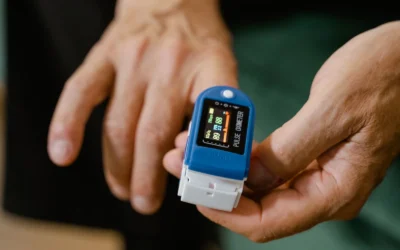
Fingertip pulse oximeters use light sensors to measure oxygen saturation and pulse rate through the finger. Anything that blocks light or reduces circulation can make the reading weak, slow to appear, or show dashes.
For seniors, cold hands, dry skin, thick or curved nails, and reduced peripheral circulation are very common reasons for a weak signal. Even mild tremor, talking, or pressing too hard on the clip can interrupt the sensor and cause numbers to jump.
Device and environment factors matter too. Low batteries, a clip that is too tight or loose for small or arthritic fingers, bright ambient light leaking into the sensor, and dark nail polish or artificial nails can all affect results. For related fit and comfort ideas, you may find this guide for seniors with arthritis helpful for understanding finger size and placement.
When a senior has several age related changes at once, these small factors can add up quickly. That is why a device that works well for one person may seem inconsistent for another, even in the same household. If balance or positioning makes it hard to stay still, this resource on balance issues offers general positioning ideas that can reduce movement during measurement.
Practical Steps to Try
Try these steps in order, starting with the easiest and safest options. Pause and note what you observe after each change.
- Warm and prepare the hand. Have the senior sit comfortably at a table, rest the hand at heart level, and warm the fingers for a minute or two by gently rubbing the hands together or holding a warm mug. Remove dark nail polish, artificial nails, or press-on nails from the finger you plan to use, and make sure the finger is clean and dry.
- Position the finger correctly. Use the middle or index finger and insert it fully until the fingertip touches the end of the chamber, with the nail facing up toward the display. Keep the finger centered, nails trimmed short, and avoid squeezing the sides of the clip, which can reduce circulation.
- Stay still and limit light interference. Keep the hand still and relaxed on the table, breathe normally, and wait 20 to 30 seconds without talking or moving. If you are in bright sunlight or under a strong lamp, shade the device with your other hand so outside light does not leak into the sensor.
- Check power and fit. If the display is dim, slow, or flickers, replace the batteries with fresh ones and confirm they are inserted correctly. Try a different finger on the same hand, then the other hand, and check that the clip feels snug but not pinching. A comfortable, stable fit helps the sensor stay aligned.
- Use a consistent routine and keep notes. Measure at the same time of day, in the same seated position, and record the reading only after it has been stable for several seconds. Note the finger used, hand warmth, and any movement. Share this log with a healthcare provider if readings remain inconsistent.
When a Product Can Help
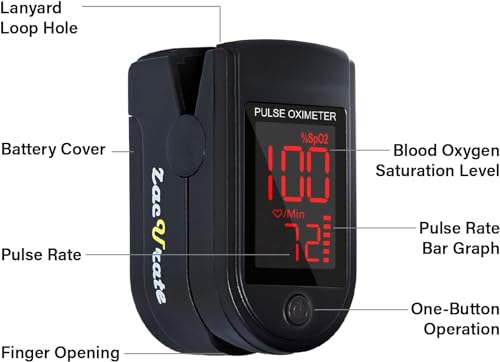
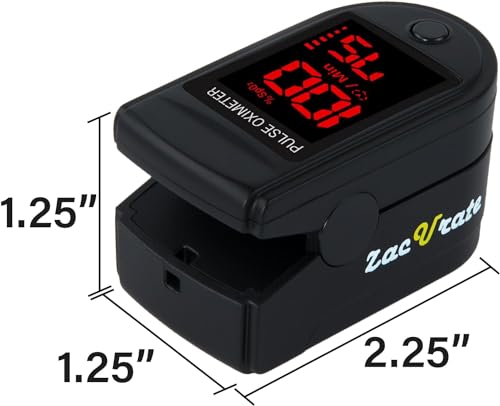
If you have tried warming, repositioning, and fresh batteries and the current device is still hard to read, hard to place, or shows frequent error messages, a different design may be easier to use. Look for a clear OLED display with large numbers, simple one button operation, automatic shut off, and a lightweight clip that fits a range of finger sizes without extra pressure. For everyday spot checks, caregivers often prefer a model that includes a silicone cover and lanyard for easier handling and storage between uses.
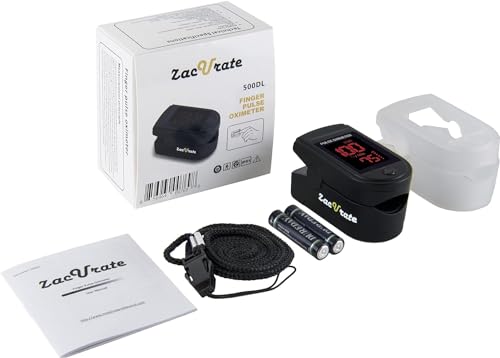
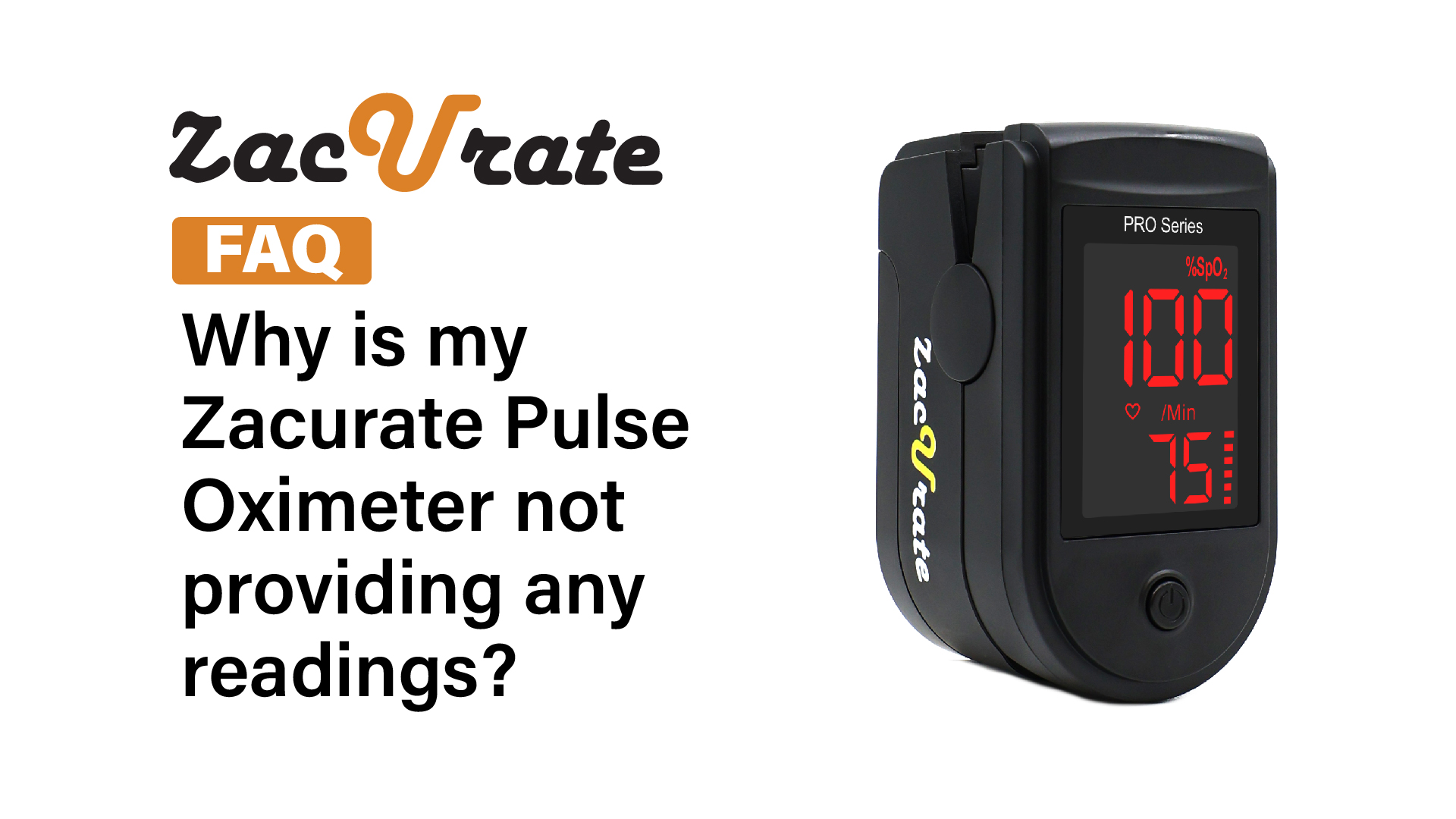
One practical option that includes these everyday features is the Zacurate 500 Series Fingertip Pulse Oximeter Blood, which is rated for sports and aviation spot checking of SpO2 and pulse rate and comes with a silicone cover, lanyard, and batteries. Its design is intended to offer a straightforward display and a clip that many users find easier to align, which may help reduce the risk of placement errors.
This guide contains affiliate links, and we may earn a commission if you buy through them, at no extra cost to you.

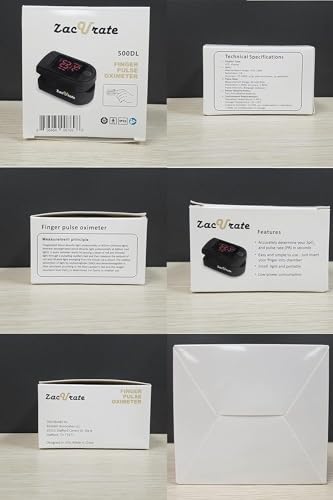
Prime Zacurate 500DL Pro Fingertip Pulse Oximeter



As an Amazon Associate we earn from qualifying purchases. Product prices and availability are accurate as of the date/time indicated.
If you are comparing display options for other health monitors, this guide to large display monitors shows how screen clarity and simple controls can support daily use for older adults.
When to Talk to a Professional Instead
Home adjustments and a different clip design are not ideal for every situation. A standard fingertip pulse oximeter is not a good fit if readings are consistently low, highly variable, or do not match how the senior feels, or if you are relying on it to make decisions about care.
Skip this type of home troubleshooting and contact a healthcare provider promptly if you notice ongoing shortness of breath, confusion, chest discomfort, bluish lips or face, or any sudden change that worries you. Bring the device, your notes on what you tried, and a list of medications to the appointment so the clinician can review the pattern.
For seniors with significant tremor, very poor circulation, or advanced nail changes, a physician, physical therapist, or occupational therapist can suggest alternative monitoring approaches that fit their needs better than a standard fingertip clip. Always check with a healthcare provider before making changes to monitoring routines for a senior in your care.
Frequently Asked Questions
Why does the pulse oximeter show dashes or no reading at all?
This often means the sensor is not getting a stable signal. Try warming the hand, inserting the finger fully with the nail up, holding still for 20 to 30 seconds, and checking that batteries are fresh.
Can nail polish, artificial nails, or cold hands affect results?
Yes. Dark polish, artificial nails, and cold fingers can block or weaken the light signal the sensor uses. Remove polish from one finger, warm the hands, and try the middle finger for a more consistent display.
How long should we wait for a stable reading?
Most fingertip models need 20 to 30 seconds of stillness to show a stable number. If numbers keep jumping, reposition the finger, try another finger, shade the sensor from bright light, and note the pattern to share with a healthcare provider.
Browse more picks in our Health Monitoring Devices category, or see our related guide on Medline Bed Wedge Pillows for Elderly Support in 2026.






Write Your Review
No reviews yet. Be the first to share your experience!