

Quick Answer
If a bed wedge pillow feels unsafe during hip replacement recovery, the most common reasons are sliding on sheets, the wrong angle or position, and twisting while getting in and out of bed. You can often make it safer by securing the base so it does not shift, following the exact positioning your care team recommended, keeping hips and knees aligned without twisting, and making transfers in and out of bed more stable with help nearby.
Why This Happens
A standard wedge is designed to prop up the upper body, but after hip replacement small shifts matter more. If the pillow moves even a few inches, your body can slide down, twist, or bend at the hip in a way that feels unstable or uncomfortable.
Always check with a healthcare provider or physical therapist before making positioning changes for a senior recovering from hip replacement. They can confirm which positions, angles, and movement limits are appropriate for your specific surgery and recovery stage.
Sheets, mattress type, and pillow cover material also affect safety. Slick cotton or satin sheets, a soft mattress, or a smooth pillow bottom can let the wedge creep away from the headboard or tilt to one side, especially when you adjust position at night.
Size and shape mismatches add risk too. A wedge that is too tall, too short, too narrow, or too soft may not support the back evenly, which can lead to leaning, slouching, or reaching to catch yourself. For ideas on matching height to comfort and support needs, you may find How High Should Bed Wedge Pillow Be for Elderly? 2026 Guide helpful as general background to discuss with your care team.
Finally, getting on and off the wedge can be the trickiest part. If you have to twist, push up without support, or swing legs over the side while the pillow is under you, the hip can move outside the safe range your clinician advised. A setup that works while you are lying still may still need changes for safer transfers.
Practical Steps to Try
Try these general household steps one at a time and check comfort and stability after each change. Stop and get guidance if anything causes pain, numbness, or a feeling of the hip slipping or popping, and always follow your surgeon’s precautions first.
- Confirm the exact position your care team wants. Place the wedge exactly where they advised, usually centered against the headboard or bed frame so the back is supported evenly. Check that the incline keeps the torso supported without forcing you to slide down or arch your lower back, and try a small adjustment in placement before changing the pillow itself.
- Reduce sliding under and around the wedge. Use a fitted sheet that stays taut, and consider a non slip layer or shelf liner rated for bed use between the mattress and the pillow base if the pillow tends to move. Smooth the sheet under the wedge, tuck in loose fabric, and check that the pillow stays put when you gently shift your weight.
- Keep alignment simple and avoid twisting. When lying on the wedge, try to keep shoulders, hips, and knees facing the same direction without crossing legs or twisting at the waist. Use a regular pillow between the knees if your clinician suggested it for side lying, and move your whole body as a unit when you adjust, rather than twisting the upper body one way and the hips the other.
- Make getting in and out more stable. Set the bed at a height where feet can rest flat when sitting on the edge, keep a nightstand or bed rail within easy reach if your team approves it, and ask a caregiver to stand by during transfers. Sit fully on the edge of the bed first, then lean back onto the wedge with help, instead of sliding down from a standing position or pulling yourself up by the wedge.
- Check the setup nightly and maintain the pillow. Look for sagging foam, a bunched cover, or a wedge that has tilted or compressed over time, and smooth or reposition it before sleep. Keep the cover clean and dry, and review the overall bedroom setup for trip hazards, poor lighting, or clutter that could make nighttime bathroom trips less steady. You can also browse general support ideas in medline bed wedge pillow review for elderly for context on different wedge styles to discuss with a clinician.
When a Product Can Help
A different wedge design may help reduce the risk of shifting when simple fixes are not enough, especially if the current pillow slides easily, feels too soft to stay in place, or does not support the back evenly. One common option is a longer positioning wedge with features designed for more stable daily use.
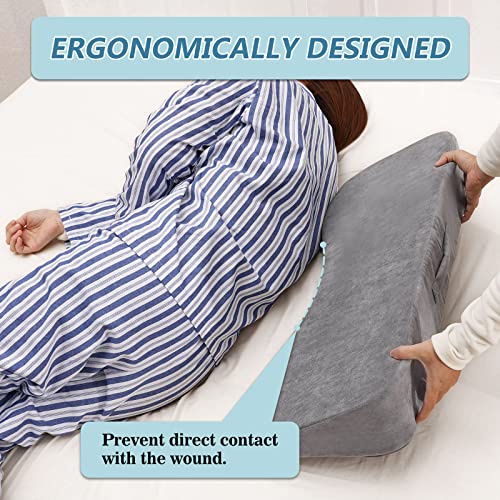
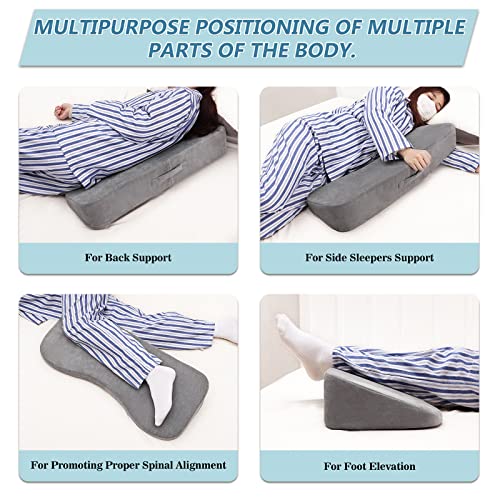
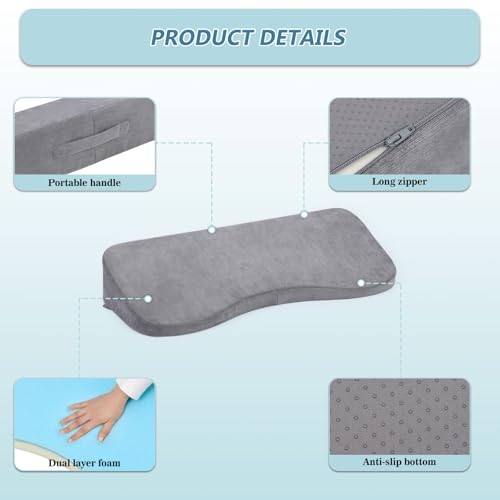
For example, a wedge that lists an anti slip bottom, a curved shape intended to support the back, and a 30 degree angled incline may stay in place better on sheets than a smooth bottom wedge. Features like a gel memory foam top over high density foam, a removable machine washable cover, and a side handle for easier repositioning by a caregiver can also make nightly adjustments simpler and more consistent.
This guide contains affiliate links, and we may earn a commission if you buy through them, at no extra cost to you.

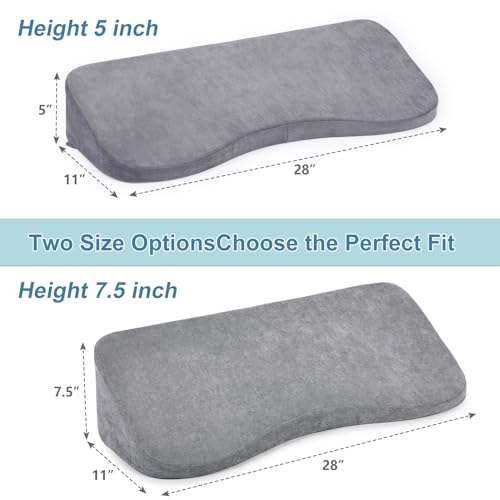
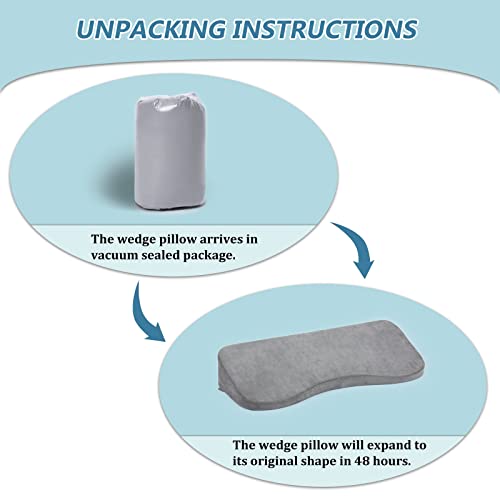
Prime TANYOO Curved Bed Positioning Wedge Pillow 5 Inch


As an Amazon Associate we earn from qualifying purchases. Product prices and availability are accurate as of the date/time indicated.
If you decide to try a different option, compare its length, height, and firmness to what your care team recommended and to your bed size. A wedge that is too long for a small bed or too steep for your comfort may create new alignment issues, so check measurements and return policies before you commit.
When to Talk to a Professional Instead
Home adjustments are not ideal for every situation, and some concerns need prompt clinical guidance rather than another pillow tweak. Contact your surgeon, physician, physical therapist, or occupational therapist if you notice increased hip pain, swelling, redness, warmth, fever, or any feeling that the hip is unstable or out of place.
This approach is not a good fit if your care team has given strict movement precautions that a wedge makes harder to follow, such as limits on bending, twisting, or crossing legs. It is also not recommended for seniors who have significant balance issues, confusion at night, or who live alone without someone to help with repositioning and transfers.
A professional can also help if the bed itself is part of the problem. Very soft mattresses, very high or low bed frames, or the need for a hospital bed or other positioning system may need an in person assessment. A clinician or home safety specialist can suggest safer alternatives that match your recovery plan and home layout.
Frequently Asked Questions
Can a senior sleep on a wedge pillow on their side after hip replacement?
Side sleeping rules depend on the type of surgery, which hip was replaced, and your surgeon’s precautions. Some teams allow side lying with a pillow between the knees, others advise against it for weeks. Always confirm with your healthcare provider before trying side positioning on a wedge.
How do I keep the wedge from sliding down the bed at night?
Try a taut fitted sheet, a non slip base layer that is designed for bed use, and placing the flat side of the wedge firmly against the headboard or wall. Check that the mattress is not overly soft and reposition the wedge before sleep so it starts centered and level.
What height wedge is safer during hip replacement recovery?
There is no single safest height for everyone, since comfort, torso length, bed size, and your clinician’s guidance all matter. In general, a lower incline may feel more stable for getting on and off, while a steeper incline may feel less stable if it causes sliding. Discuss height options with your care team and consider a wedge with a gentle, consistent slope rather than a sharp peak.
Browse more picks in our Health Monitoring Devices category, or see our related guide on Medline Bed Wedge Pillows for Elderly Support in 2026.










Write Your Review
No reviews yet. Be the first to share your experience!