

Quick Answer
If your elderly parent struggles with a door lever handle, try tightening the mounting screws, cleaning and lightly lubricating the latch, and adding a non slip grip cover before you replace the whole handle. Most lever problems come from looseness, stiffness or reduced hand strength, and these quick adjustments may help reduce effort and improve leverage without a full replacement.
Why This Happens
A loose lever is one of the most common reasons a door feels hard to use. When set screws or through bolts work loose over time, the handle wobbles, slips or needs extra force to engage the latch, which is especially tiring for an older adult with limited grip.
Stiffness inside the latch or strike plate can also make a lever feel heavy. Dust, paint buildup, rust on an outdoor door, or a misaligned strike plate forces your parent to push down harder or jiggle the handle, and cold weather can make metal levers even less comfortable to hold.
Lever shape and finish matter too. A short, smooth or narrow lever offers less leverage for a weak grasp, and a slick finish can be hard to hold if hands are dry or arthritic. Always check with a healthcare provider or occupational therapist before making mobility or safety changes for a senior in your care, especially if hand weakness is new or worsening.
Outdoor and entrance doors add extra strain. Heavy weatherstripping, a dragging door, or a lock that requires lifting the handle can turn a simple motion into a two handed task. Understanding which part is causing resistance helps you fix the right spot instead of replacing a handle that is not the real problem.
Practical Steps to Try
Try these steps in order, easiest first. Stop and get help if anything feels stuck or requires force, and avoid over tightening or using harsh chemicals on finishes.
- Check and tighten the mounting. Look for visible screws on the interior plate and the small set screw on the lever shank. Gently snug them with the correct screwdriver or Allen key, then test the lever. If screws spin without tightening, the anchor may be stripped and needs a longer screw or professional repair.
- Clean and lightly lubricate the moving parts. Wipe the lever base and latch face clean, then apply a tiny amount of dry silicone or graphite lubricant to the latch bolt edge, not oil that attracts dirt. Work the lever and latch several times and wipe away excess. If you notice rust or paint on an outdoor lever, cleaning may help restore smooth motion.
- Improve grip without replacing the handle. Try a soft, non slip lever cover or foam grip sleeve that adds cushion and friction. For round knobs elsewhere in the home, a clamp on lever adapter can add leverage, but for an existing lever, a textured cover is often enough to make pushing down easier with a palm or closed hand.
- Adjust technique and leverage. Encourage your parent to use the palm or the side of the hand to press the lever down rather than gripping and twisting, and to stand close with good balance before operating the door. Make sure the path is clear, the mat is flat, and there is space to move without reaching or leaning awkwardly.
- Check door alignment and the strike plate. If the door must be lifted, pushed or pulled hard to latch, look at whether it drags on the threshold or the latch misses the strike plate. Tighten hinge screws, clear debris from the threshold, and see if the latch slides cleanly. For persistent alignment or lock issues, a handyman or locksmith is a safer next step than forcing the handle. You can find more ideas for entrance hardware in guides like outdoor door levers for hip replacement recovery and general mobility support in ADA cane requirements for seniors aging in place.
When a Product Can Help
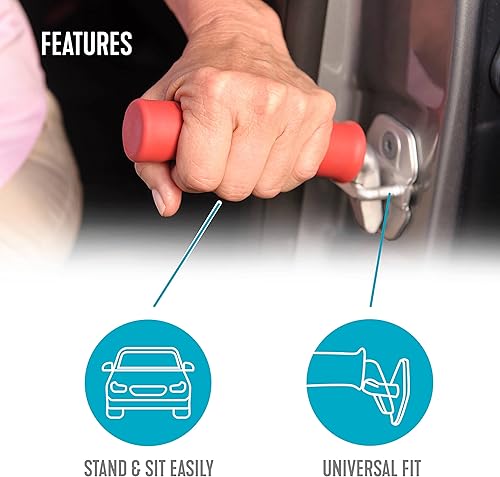
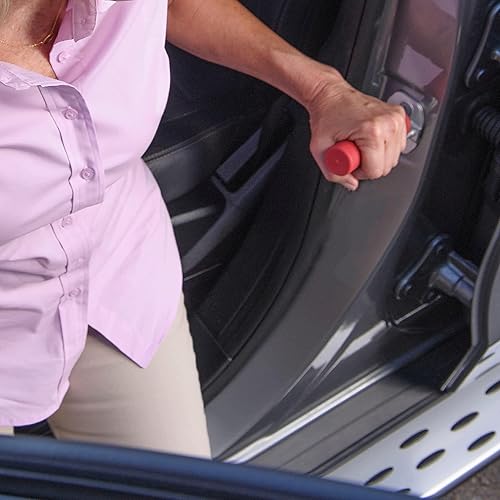
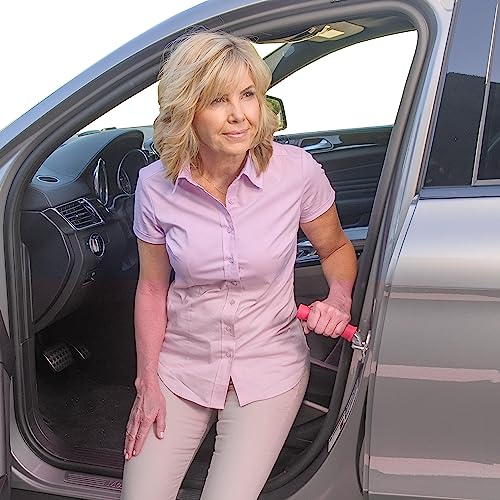
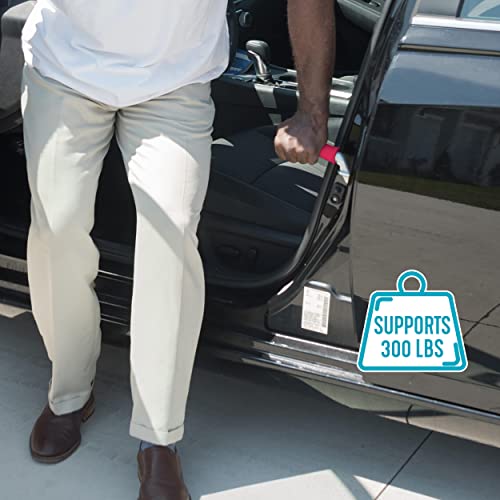
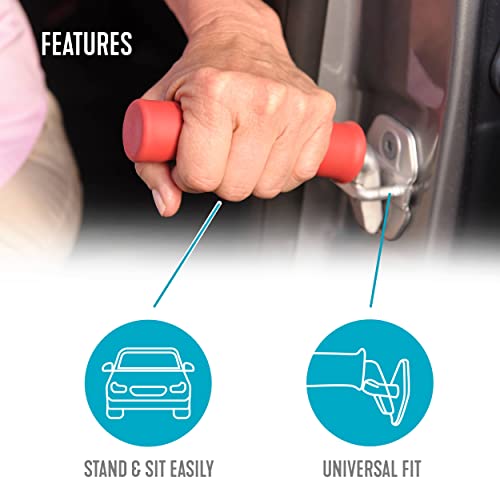
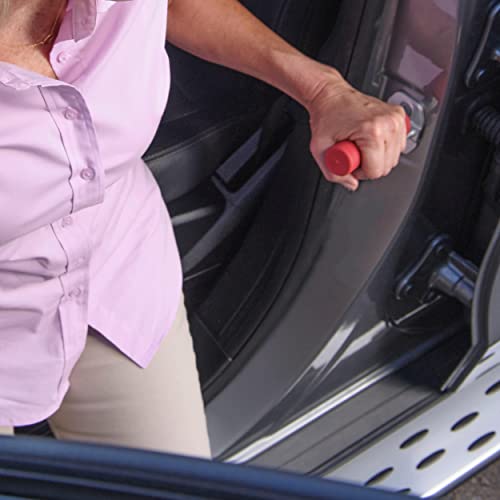
If tightening and grip aids are not enough, or your parent also struggles with the transition through the doorway and getting in and out of a vehicle at the entrance, a portable support aid can be a practical next step alongside the door fixes above. One option caregivers consider is a portable vehicle support handle that inserts into the door striker for extra stability when standing or sitting, which may help reduce the risk of a loss of balance during transfers. For related entrance safety ideas, see also best door lever handles for seniors with hearing loss outdoors.
This guide contains affiliate links, and we may earn a commission if you buy through them, at no extra cost to you.

Prime Able Life Vehicle Support Handle





As an Amazon Associate we earn from qualifying purchases. Product prices and availability are accurate as of the date/time indicated.
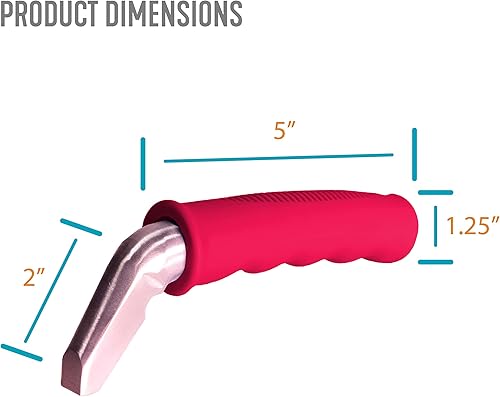
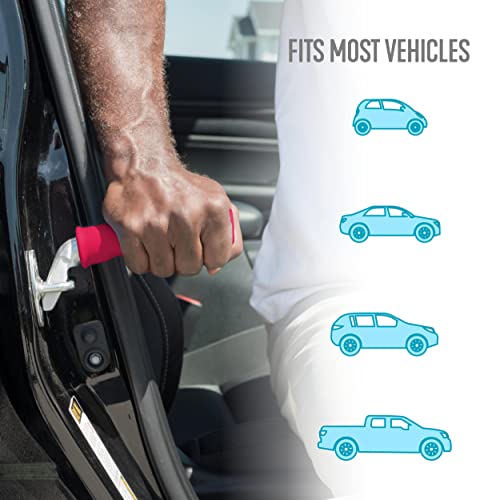
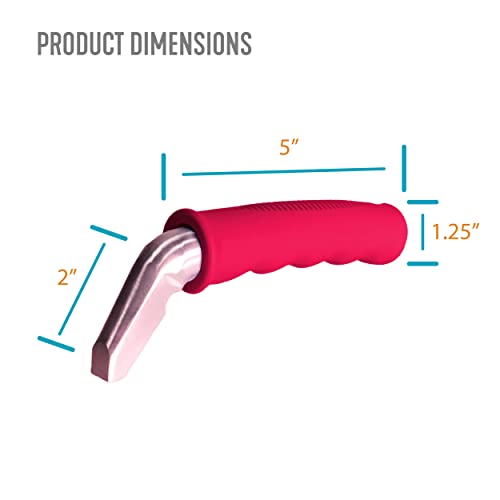
The Able Life Vehicle Support Handle and Mobility Aid is described as a lightweight, portable grab bar that fits parallel to the car when inserted into a U shaped door striker with no modifications required, and is rated to support up to 300 pounds. Its ergonomic, non slip grip is intended to offer balance support when sitting or standing from the vehicle, and it stores easily in a glove box or bag for travel.
When to Talk to a Professional Instead
A simple handle fix is not the right choice when the difficulty comes from a change in strength, balance or cognition rather than hardware. If your parent has new hand weakness, frequent near falls at the doorway, pain when pushing the lever, or confusion with locks, talk with a physician, physical therapist or occupational therapist before making more changes at home.
This type of support handle is not ideal for someone who needs constant weight bearing support, has a door striker that does not match the handle design, or cannot safely follow the steps to insert and remove the aid for each use. In those cases a permanently installed grab bar, a different mobility aid, or a professional home safety evaluation may be more appropriate.
Also seek professional help if the door or lock itself is failing, the frame is damaged, or the lever is part of a fire rated or multi point locking entrance system. A locksmith, contractor or occupational therapist can assess whether the hardware, the door alignment or the overall entrance setup needs attention to support safe, independent use.
Frequently Asked Questions
Why does the lever go down but the door still will not open?
This often points to a latch or strike plate issue rather than the lever itself. Try cleaning and lightly lubricating the latch, then check if the door drags or the latch misses the strike plate, and call a handyman or locksmith if alignment is off.
Can I make a lever easier without replacing it?
Yes, try tightening the mounting screws, adding a soft non slip cover for better friction, and using a palm press instead of a tight grip. These low cost adjustments often improve leverage enough that a full replacement is not needed.
When should we replace the lever instead of trying fixes?
Consider replacement if the lever is bent, cracked, heavily corroded, or the internal spring no longer returns the handle, or if an occupational therapist recommends a different lever length or style for your parent’s needs. If you do replace it, look for a lever with a comfortable shape and finish that is easy to operate with an open hand.
Browse more picks in our Outdoor & Entrance Safety category, or see our related guide on Door Lever Handles for Seniors Outdoors in 2026.







Write Your Review
No reviews yet. Be the first to share your experience!